How to Choose a Pot for Asparagus Fern: Key Tips for Selecting the Right Container
If you’ve already learned the basics of caring for your indoor asparagus fern—like getting the light, water, and humidity just right—you might think you’re all set. But here’s a often-overlooked detail that can make or break your plant’s health: the pot you choose. A well-suited container doesn’t just hold the soil and roots—it supports proper drainage, controls moisture levels, and gives the plant room to grow, all of which keep those delicate, feathery leaves looking lush and green. On the other hand, a bad pot choice can lead to root rot, stunted growth, or yellowing foliage—even if you’re doing everything else right.
Whether you’re repotting a mature asparagus fern or picking a pot for a new young plant, there are specific factors to consider. In this guide, we’ll break down everything you need to know about choosing the best pot for your indoor asparagus fern, from material and size to drainage and style. By the end, you’ll be able to pick a container that not only looks great in your space but also helps your asparagus fern thrive for years.
Why the Right Pot Matters for Asparagus Ferns
Before we dive into the details, let’s start with why pot selection is so important for asparagus ferns. As we mentioned earlier, these plants hate sitting in soggy soil—their roots need oxygen to stay healthy, and excess water can quickly lead to root rot. A good pot ensures that water drains freely, preventing moisture from pooling around the roots. Additionally, asparagus ferns grow relatively quickly, so they need a pot that gives their roots enough space to spread without being too large (a pot that’s too big will hold too much soil, which stays wet longer).
The right pot also helps regulate soil temperature. Asparagus ferns prefer warm, consistent conditions, so a pot that insulates the soil (rather than heating it up too much in the sun or cooling it down in drafts) will keep the roots happy. And let’s not forget aesthetics—your pot should complement your plant’s airy, elegant look and fit in with your home decor. But functionality always comes first: a beautiful pot that doesn’t drain well is a death sentence for your asparagus fern.
1. Pot Material: Which Options Work Best for Asparagus Ferns?
The material of your pot affects everything from drainage and moisture retention to soil temperature and durability. Not all materials are created equal—some are better suited for asparagus ferns than others. Let’s compare the most common options:
Terra Cotta (Clay) Pots: A Top Choice for Asparagus Ferns
Terra cotta pots are one of the best options for asparagus ferns—and for good reason. They’re porous, which means air and moisture can pass through the walls of the pot. This helps the soil dry out more evenly between waterings, preventing the soggy conditions that cause root rot. The porosity also keeps the soil cool in warm weather, which is great for the plant’s roots.
Another benefit of terra cotta is that it’s heavy enough to support the asparagus fern’s growing foliage. As the plant matures, its stems can get long and bushy, and a lightweight pot might tip over. Terra cotta adds stability, so you won’t have to worry about your plant leaning or falling.
Tips for Using Terra Cotta Pots:
Plastic Pots: Affordable and Low-Maintenance
Plastic pots are a popular choice for many houseplants, including asparagus ferns, because they’re cheap, lightweight, and come in a wide range of colors and styles. They’re also durable—they won’t crack if you drop them, and they hold up well in both warm and cold conditions.
The downside of plastic is that it’s non-porous, so the soil stays wet longer. This means you have to be more careful not to overwater your asparagus fern. To fix this, make sure the plastic pot has plenty of drainage holes (we’ll talk more about that next) and consider adding extra perlite to the soil mix to improve drainage.
Tips for Using Plastic Pots:
Ceramic Pots: Stylish but Tricky
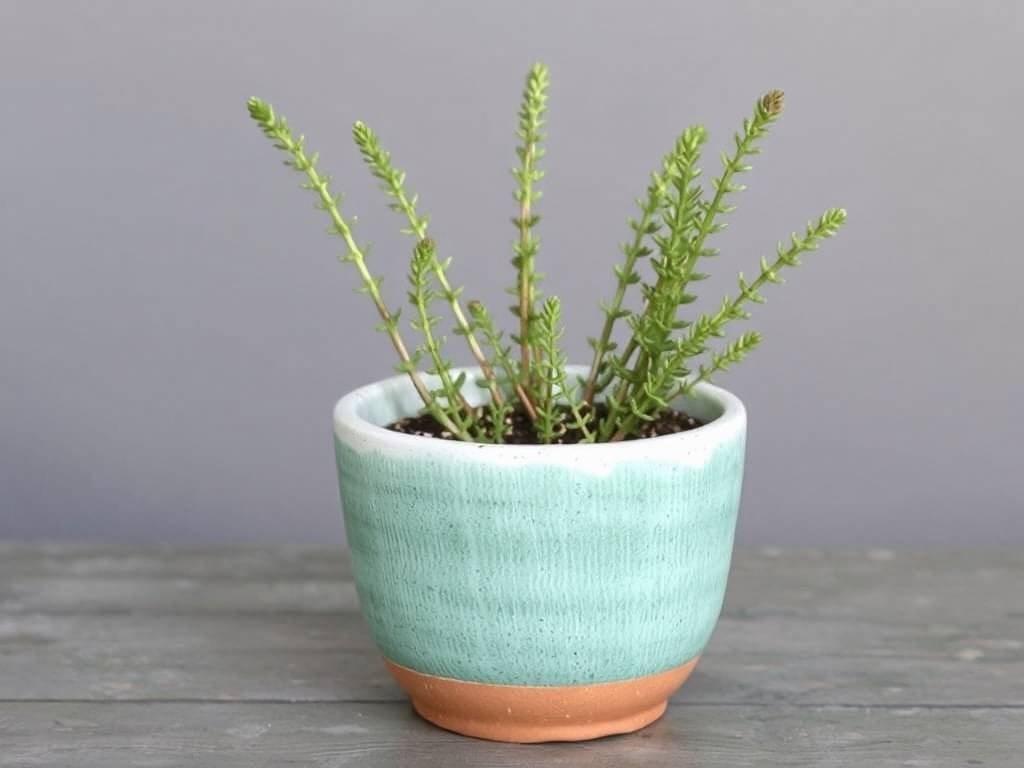
Ceramic pots are beautiful—they come in sleek, modern designs or hand-painted styles that can elevate any room. But they’re also heavy and non-porous (unless they’re unglazed, which is less common), so they hold moisture longer than terra cotta. This makes them a riskier choice for asparagus ferns, as they’re more likely to cause root rot if you overwater.
If you love ceramic pots and want to use one for your asparagus fern, make sure it has multiple large drainage holes. You can also add a layer of gravel or broken pottery at the bottom of the pot to improve drainage. Just be extra careful with your watering schedule—let the soil dry out more between waterings than you would with a terra cotta pot.
Tips for Using Ceramic Pots:
Metal Pots: Use With Caution
Metal pots (like copper, aluminum, or galvanized steel) are stylish and durable, but they’re not the best for asparagus ferns. They heat up quickly in direct sunlight, which can cook the plant’s roots, and they’re non-porous, so they don’t allow for air circulation. Additionally, some metals can leach chemicals into the soil over time, which can harm the plant.
If you want to use a metal pot, make sure it’s lined with a plastic or foam insert to protect the roots from heat and chemicals. Also, ensure it has plenty of drainage holes and avoid placing it in direct sunlight. For most asparagus fern owners, metal pots are better left as decorative cachepots rather than primary containers.
2. Pot Size: How Big Should the Pot Be for an Asparagus Fern?
Size is another critical factor when choosing a pot for your asparagus fern. A pot that’s too small will cramp the roots, leading to stunted growth and a plant that dries out too quickly. A pot that’s too large will hold excess soil, which stays wet longer and increases the risk of root rot. So how do you find the perfect size?
For New or Young Asparagus Ferns
If you’re bringing home a small, young asparagus fern (usually sold in a 4–6 inch pot from nurseries), choose a pot that’s 1–2 inches larger in diameter than the current pot. For example, if your plant is in a 4-inch pot, move it to a 5–6 inch pot. This gives the roots just enough room to grow without overwhelming them with too much soil.
Young asparagus ferns are still establishing their root systems, so a smaller pot helps them focus on growing foliage rather than spreading roots. It also ensures that the soil dries out at a rate that’s easy to manage, reducing the risk of overwatering.
For Mature Asparagus Ferns
Mature asparagus ferns (those that are 1–2 years old or larger) will need a pot that’s 2–3 inches larger in diameter than their current pot when repotting. You’ll know it’s time to repot if you see roots growing out of the drainage holes, the plant is top-heavy and tips over, or the soil dries out within a day or two of watering.
When repotting a mature plant, don’t jump to a pot that’s too big. For example, if your asparagus fern is in an 8-inch pot, move it to a 10–11 inch pot—not a 14-inch pot. A gradual increase in size allows the roots to fill the pot over time, which helps the soil dry out evenly.
Depth Matters Too
It’s not just the diameter that counts—pot depth is also important for asparagus ferns. These plants have a fibrous root system that grows both horizontally and vertically, so they need a pot that’s deep enough to accommodate the roots without being too tall.
Aim for a pot that’s roughly the same depth as its diameter, or slightly deeper. For example, a 6-inch diameter pot should be 6–7 inches deep. A shallow pot won’t give the roots enough room to grow, while a pot that’s too deep will have excess soil at the bottom that stays wet, leading to root rot.
3. Drainage: The Most Important Feature of Any Asparagus Fern Pot
If there’s one non-negotiable feature when choosing a pot for your asparagus fern, it’s drainage. As we’ve 强调 (qiáng diào) time and time again, asparagus ferns hate soggy soil—without proper drainage, water will pool at the bottom of the pot, suffocating the roots and causing root rot. So what should you look for in terms of drainage?
Multiple Drainage Holes Are a Must
A good pot for asparagus ferns should have at least one large drainage hole (1/2 inch or bigger) at the bottom—but more is better. Multiple holes ensure that water drains quickly and evenly, even if one hole gets clogged with soil or roots. Avoid pots with small, tiny holes or no holes at all—these are a recipe for disaster.
If you fall in love with a pot that has no drainage holes (like a decorative ceramic or glass pot), you can still use it—but only as a cachepot. Place your asparagus fern in a plastic or terra cotta pot with drainage holes, then set that pot inside the decorative one. Just remember to empty the decorative pot after watering so the plant isn’t sitting in standing water.
Drainage Layers: Extra Protection Against Soggy Soil
Even with good drainage holes, adding a drainage layer at the bottom of the pot can provide extra protection for your asparagus fern’s roots. This layer prevents the drainage holes from getting clogged with soil and helps water flow out more freely.
Common materials for drainage layers include:
Add a 1–2 inch layer of your chosen material at the bottom of the pot before adding the soil mix. This won’t make up for a pot with no drainage holes, but it will help improve drainage in pots that do have holes.
4. Pot Shape: Does It Affect Asparagus Fern Growth?
While shape is less critical than material, size, and drainage, it can still impact your asparagus fern’s health and appearance. Here are the most common pot shapes and how they work for asparagus ferns:
Wide, Shallow Pots
Wide, shallow pots (also called “bowls”) are a good choice for asparagus ferns that have a spreading growth habit. These pots give the plant’s stems room to cascade over the edges, which enhances the plant’s airy, elegant look. They also have a larger surface area, which helps the soil dry out more evenly—great for preventing overwatering.
Just make sure the pot is still deep enough to accommodate the roots (as we discussed earlier). A shallow pot that’s only 3–4 inches deep won’t work for a mature asparagus fern, but it’s perfect for a small, trailing plant.
Tall, Narrow Pots
Tall, narrow pots are better for asparagus ferns that are grown upright (though most varieties tend to trail). They provide more vertical space for the roots to grow, which is good for plants that are still maturing. However, tall pots can be a problem because the soil at the bottom takes longer to dry out—even with drainage holes. This increases the risk of root rot, so you’ll need to be extra careful with watering.
If you use a tall pot, make sure to add a thick drainage layer at the bottom and check the soil moisture regularly. Avoid tall pots with narrow necks, as they’ll make repotting difficult later.
Hanging Baskets: A Great Option for Trailing Asparagus Ferns
Many asparagus fern varieties (like Asparagus setaceus) have trailing stems that can grow several feet long—making them perfect for hanging baskets. Hanging baskets not only show off the plant’s cascading foliage but also keep it off surfaces (great for small spaces) and allow for good air circulation around the roots.
When choosing a hanging basket for your asparagus fern, look for one made of terra cotta or woven material (like coconut coir or wicker) that allows for air flow. Make sure it has multiple drainage holes and a saucer to catch water (so it doesn’t drip on your floors or furniture). Hanging baskets should be hung in a spot with bright, indirect light—avoid hanging them in direct sunlight, as the basket and soil will heat up quickly.
5. Style: Matching Your Pot to Your Home Decor
Once you’ve nailed the functionality (material, size, drainage), you can focus on style. Your asparagus fern’s pot should complement both the plant and your home decor. Here are some tips to help you choose a stylish pot that works:
Remember, the best pot is one that you love looking at—after all, you’ll be seeing it every day! But never sacrifice functionality for style. A pot that looks great but kills your plant isn’t worth it.
Step-by-Step Guide to Choosing the Perfect Pot for Your Asparagus Fern
Now that you know the key factors, let’s put it all together into a simple step-by-step process:
Assess Your Plant’s Size: Check how big your asparagus fern is (or will be). For young plants, choose a pot 1–2 inches larger in diameter than the current pot. For mature plants, choose a pot 2–3 inches larger.
Choose the Right Material: Prioritize terra cotta for porous, well-draining soil. If you use plastic or ceramic, ensure they have plenty of drainage holes and adjust your watering schedule.
Check for Drainage: Make sure the pot has at least one large drainage hole (more is better). If not, use it as a cachepot.
Consider Depth and Shape: Pick a pot that’s roughly as deep as it is wide. For trailing varieties, use a hanging basket or wide, shallow pot. For upright varieties, use a taller pot (with extra drainage).
Match Your Decor: Select a style that fits your home while keeping the plant’s needs in mind.
Once you’ve chosen your pot, it’s time to repot your asparagus fern. Follow these steps for a successful repotting:
Common Mistakes to Avoid When Choosing an Asparagus Fern Pot
To wrap up, let’s go over some common mistakes that new asparagus fern owners make when choosing a pot—and how to avoid them:
 bluename