bluename
 How to Care for Asparagus Fern (Dwarf): A Complete Guide to Thriving Plants
Are you struggling to keep your dwarf asparagus fern vibrant and healthy? Many plant enthusiasts adore its delicate, compact shape but find themselves puzzled when its feathery foliage turns yellow or loses its lush appearance. The good news is this elegant plant is surprisingly low-maintenance when you understand its basic needs. With proper care focused on partial shade conditions and drought-tolerant watering habits, your dwarf asparagus fern can become the star of your indoor or outdoor garden.
Understanding the Dwarf Asparagus Fern
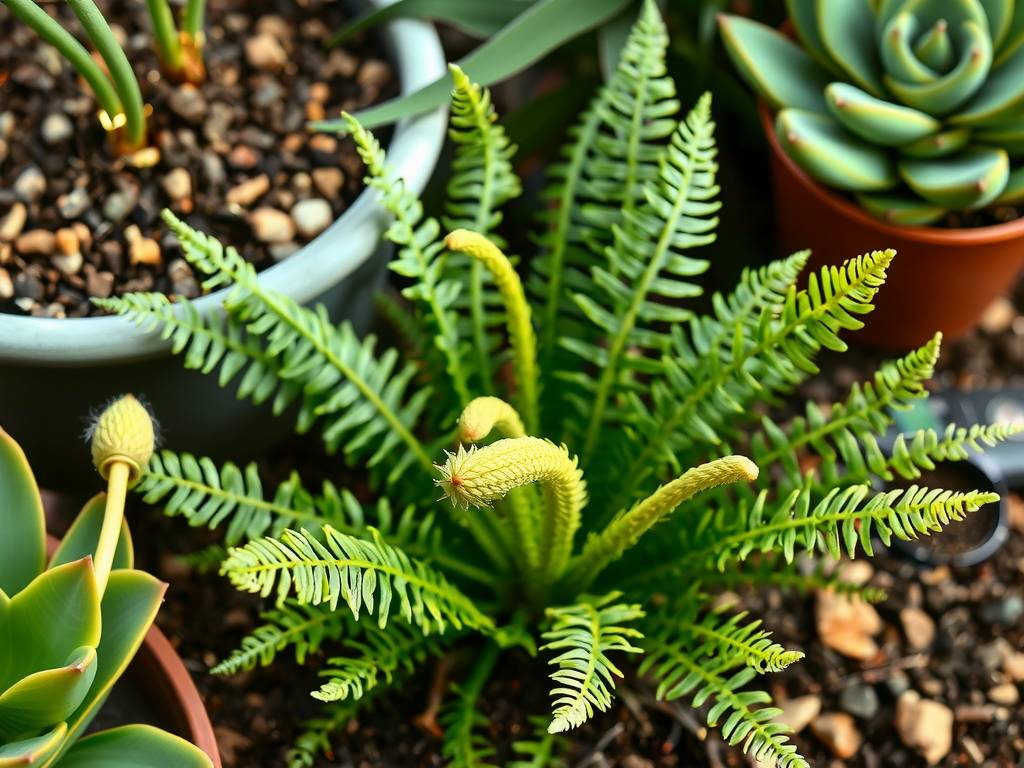
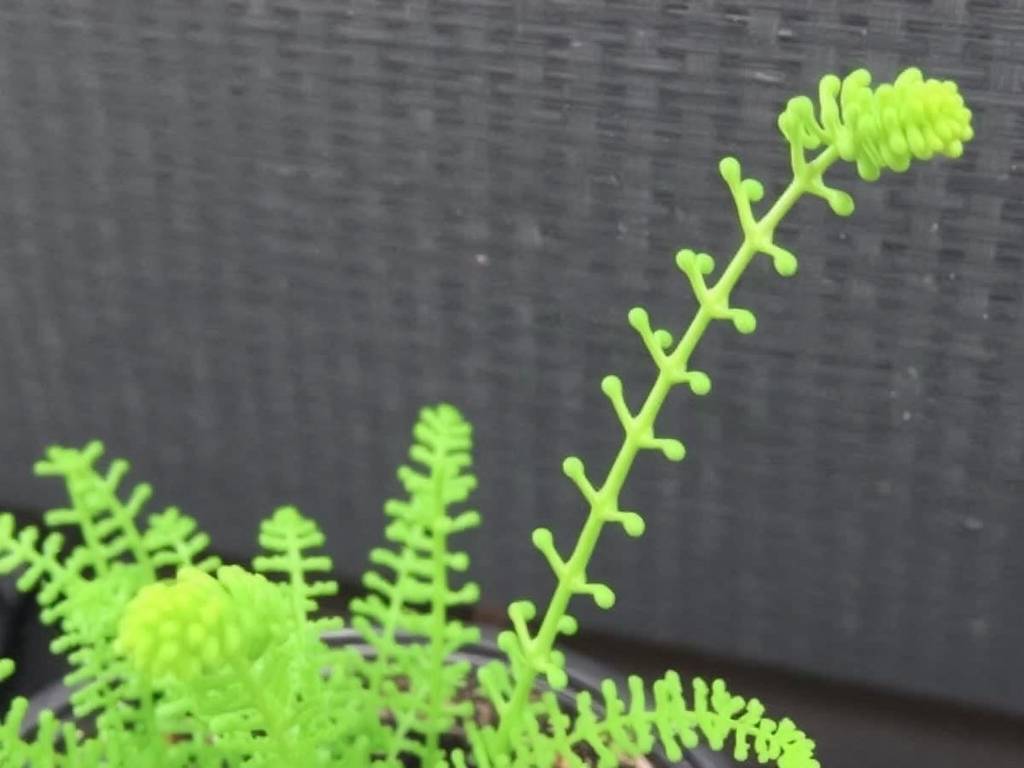
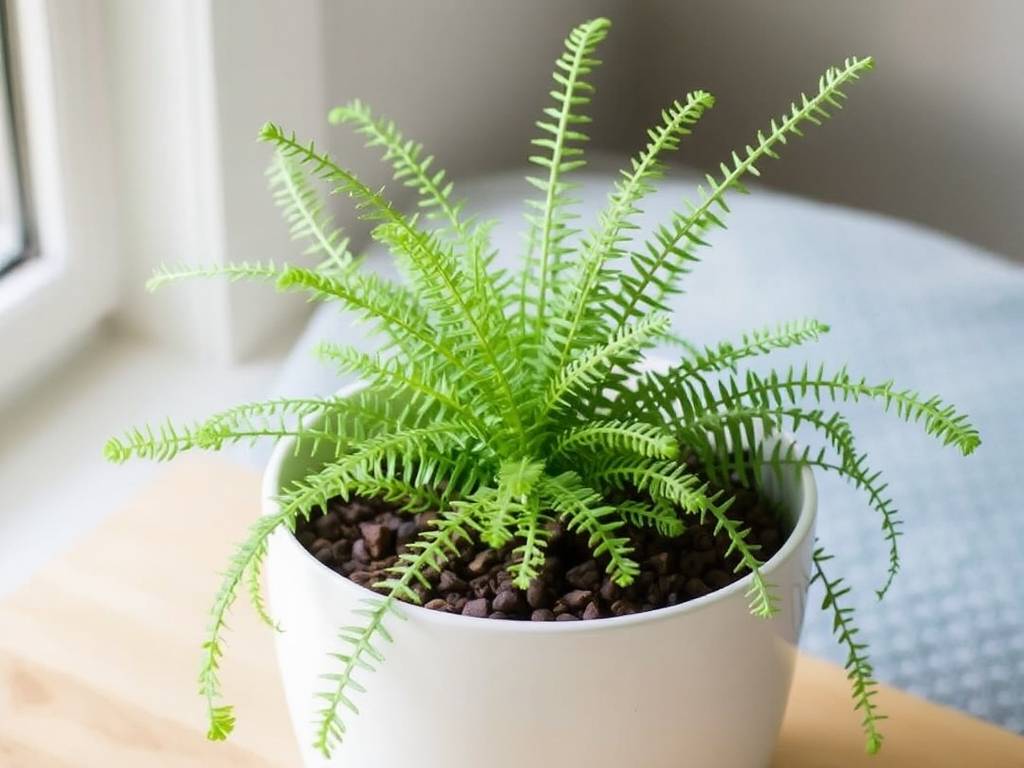
The dwarf asparagus fern (Asparagus aethiopicus 'Sprengeri Compacta') stands out for its needle-like leaves that create cloud-like foliage formations. Unlike its larger relatives, this compact variety typically reaches just 12-18 inches in height, making it perfect for containers, hanging baskets, or as ground cover. Its delicate appearance belies a remarkably resilient nature—when given the right conditions.
Botanist Dr. Elena Martinez notes: "The dwarf asparagus fern's adaptability stems from its native habitat in South African coastal regions. These plants have evolved to thrive in dappled sunlight and survive periods of limited water availability."
Ideal Lighting Conditions: Embracing Partial Shade
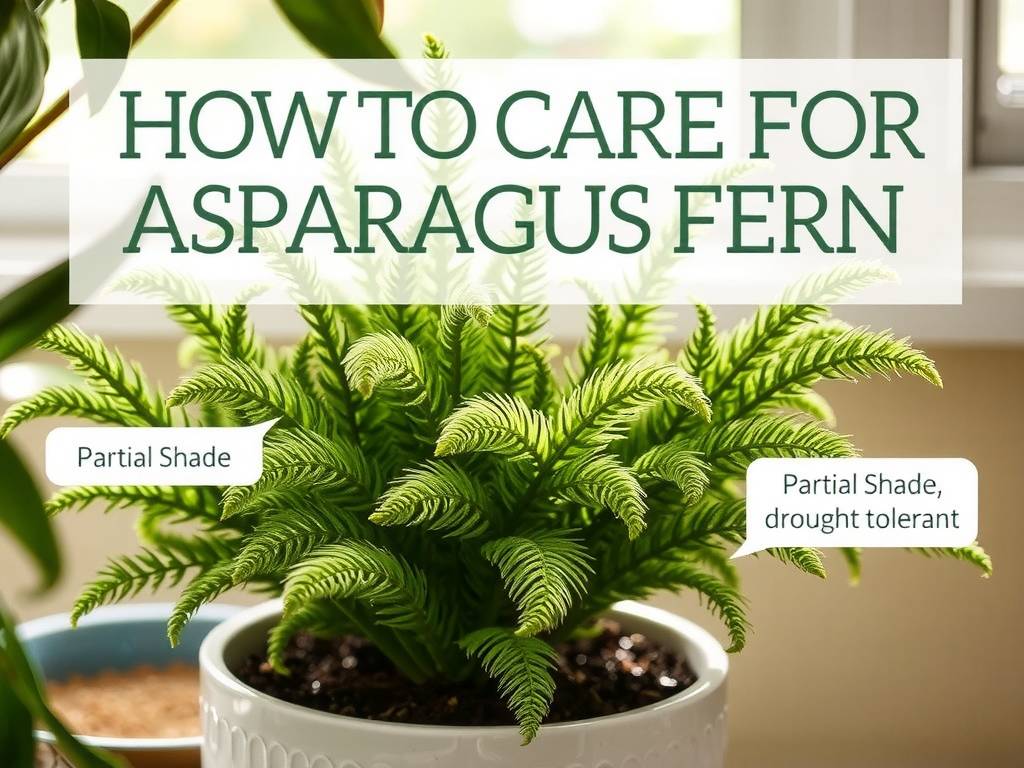
Finding the perfect lighting balance proves crucial for dwarf asparagus fern care. These plants flourish in bright, indirect light or partial shade conditions that mimic their natural forest floor habitat.
Place your fern where it receives filtered sunlight through a window curtain or beneath taller plants in outdoor gardens. Morning sun with afternoon shade works exceptionally well. Watch for signs of improper lighting: yellowing leaves often indicate too much direct sun, while sparse growth suggests insufficient light.
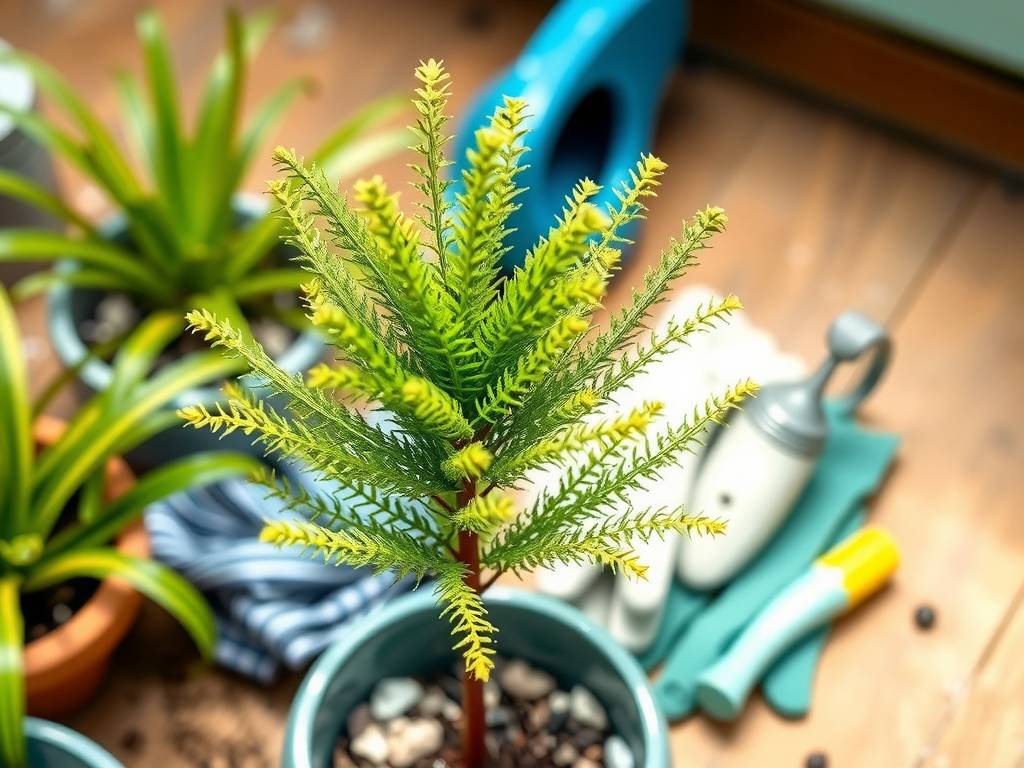
East-facing windows typically provide ideal indoor conditions. For outdoor plants, position them where trees or structures create shifting shadows throughout the day.
Watering Strategies for Drought-Tolerant Plants
Mastering watering techniques represents perhaps the most important aspect of dwarf asparagus fern maintenance. Despite their drought-tolerant nature, these plants prefer consistent moisture with proper drainage.
The "soak and dry" method works beautifully: water thoroughly until liquid drains from the bottom, then allow the top inch of soil to dry completely before watering again. During active growth periods in spring and summer, this might mean weekly watering. In winter, reduce frequency to every 2-3 weeks.
Remember that dwarf asparagus ferns store water in their tuberous roots, giving them resilience during occasional forgetfulness. Overwatering poses a far greater threat than underwatering, as soggy soil quickly leads to root rot.
Soil and Potting Requirements
Well-draining potting mix forms the foundation of healthy dwarf asparagus fern care. A standard houseplant soil amended with perlite or sand provides the excellent drainage these plants require.
When repotting—typically every 2-3 years in spring—select a container only slightly larger than the root ball. These plants appreciate being somewhat root-bound. Ensure your chosen pot has adequate drainage holes to prevent water accumulation.
For optimal growth, incorporate organic matter like compost into your soil mixture. This provides slow-release nutrients while improving moisture retention without waterlogging.
Temperature and Humidity Preferences
Dwarf asparagus ferns thrive in average household temperatures between 65-75°F (18-24°C). They can tolerate brief periods outside this range but protect them from temperatures below 55°F (13°C) and sudden drafts.
While adaptable to normal household humidity levels, these plants appreciate occasional misting or placement near other plants to create a humid microclimate. Brown leaf tips often indicate air that's too dry. During winter months when heating systems dry the air, consider using a pebble tray with water beneath the plant.
Fertilizing for Optimal Growth
Feed your dwarf asparagus fern monthly during the growing season with a balanced, water-soluble fertilizer diluted to half strength. These plants aren't heavy feeders, so avoid over-fertilizing which can cause salt buildup and leaf burn.
Suspend feeding during fall and winter when growth naturally slows. If you notice pale leaves or stunted growth during active months, increase feeding frequency slightly, but always err on the side of under-fertilizing with these modest feeders.
Pruning and Maintenance Techniques
Regular pruning helps maintain the dwarf asparagus fern's compact shape and encourages bushier growth. Use clean, sharp scissors to trim away any yellow or brown stems at the base. For shaping, selectively cut longer stems to preserve the plant's natural form.
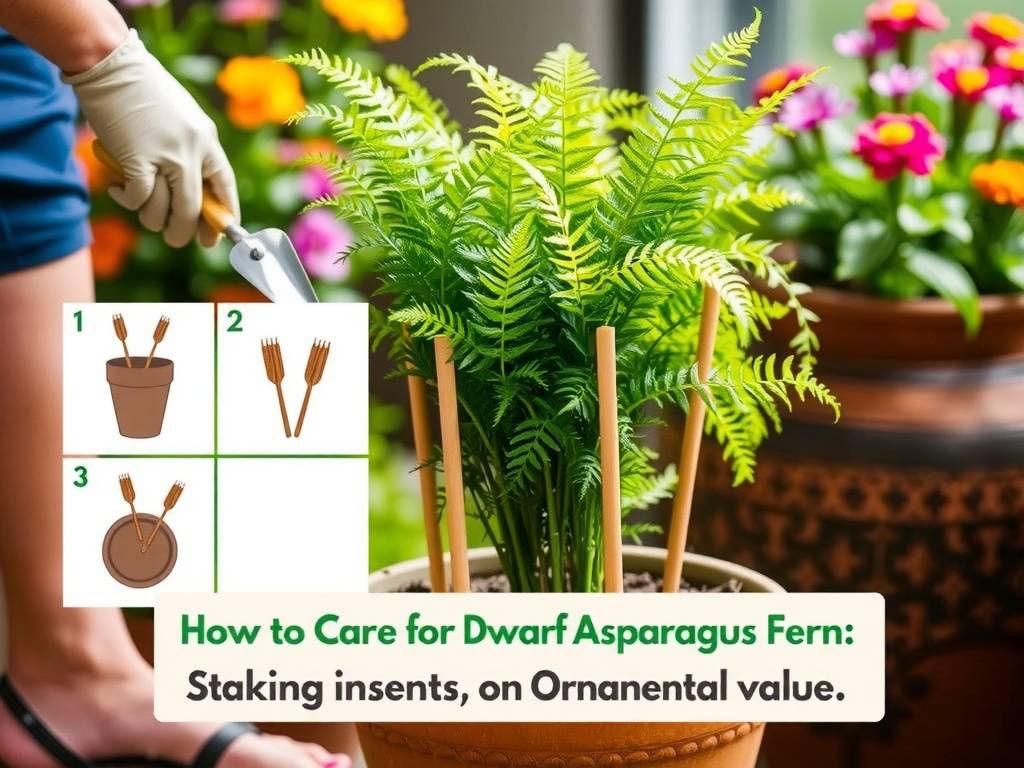
Groom your fern periodically by removing any debris from the soil surface and gently shaking the plant to dislodge dead needles. Wear gloves when handling, as some people experience mild skin irritation from contact with the sap.
Common Problems and Solutions
Even with proper care, you might encounter occasional issues:
Yellowing leaves typically indicate overwatering, excessive sunlight, or nutrient deficiency. Adjust your care routine accordingly.
Brown leaf tips often result from low humidity or inconsistent watering. Increase misting or establish a more regular watering schedule.
Pests like spider mites or mealybugs sometimes appear, especially in dry conditions. Wipe leaves with insecticidal soap or neem oil solution.
Propagation Methods
Expand your collection or share plants with friends through simple propagation. Division proves most successful for dwarf asparagus ferns. During spring repotting, gently separate the tuberous roots into sections, ensuring each has several stems attached. Plant divisions in fresh soil and care for them as established plants.
You can also propagate from seeds, though this method requires more patience. Sow seeds in moist seed-starting mix and maintain consistent moisture and warmth until germination occurs.
Creative Display Ideas
The dwarf asparagus fern's delicate texture and trailing habit make it exceptionally versatile in design. Showcase its beauty in hanging baskets where the lacy foliage can cascade over edges. Create striking combinations by pairing it with flowering plants like impatiens or begonias in container gardens.
For indoor displays, place dwarf asparagus ferns on pedestals or shelves where their graceful form can be appreciated from below. Their airy quality helps soften hard edges in modern interior designs.
Why does my dwarf asparagus fern drop needles? Some needle drop is normal, especially as older growth makes way for new fronds. Excessive dropping typically relates to sudden environmental changes, particularly in temperature, light, or humidity. Maintain consistent growing conditions and avoid moving the plant between drastically different locations.
Can dwarf asparagus fern tolerate full sun? While mature plants can survive brief periods of direct sun, prolonged exposure typically scorches the delicate foliage. The compact delicate shape and vibrant green color maintain best in partial shade conditions where the plant receives protection during the hottest parts of the day.
How often should I repot my plant? These slow-growing plants prefer being slightly root-bound and typically require repotting only every 2-3 years. Signs that repotting is needed include roots growing through drainage holes, slowed growth despite proper care, or soil that dries out unusually quickly.
The dwarf asparagus fern brings elegant beauty to any space with its feathery, light-catching foliage. By providing the right balance of partial shade and mindful watering that respects its drought-tolerant nature, you'll be rewarded with a thriving plant that enhances your environment. Its compact growth habit makes it suitable for various settings, from office desks to garden borders. Remember that consistency matters more than intensive care—establish a routine that provides stable conditions, and your dwarf asparagus fern will flourish for years to come.