bluename
 How to Care for Your Golden Edge Spider Plant: The Complete Guide
Have you brought home a beautiful spider plant with stunning golden-edged leaves, only to watch those vibrant stripes fade? Do you find yourself wondering why your plant's tips are turning brown despite your regular care? You're not alone in struggling to maintain that perfect variegation while keeping your spider plant thriving.
Understanding Your Golden Edge Spider Plant
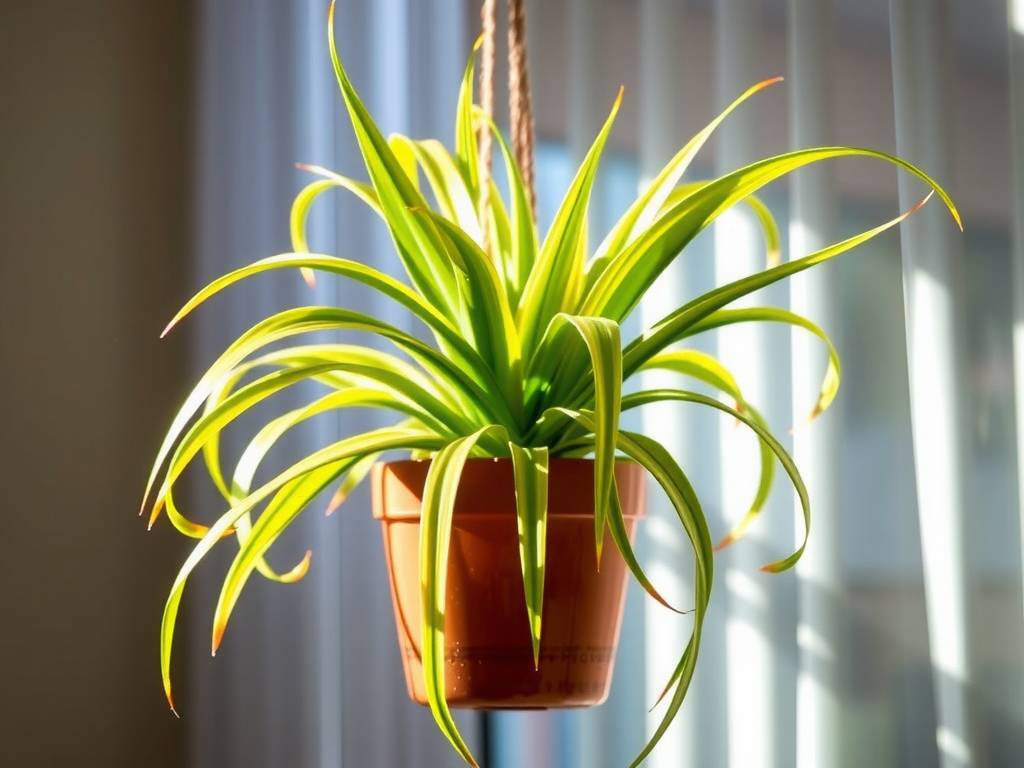
The golden edge spider plant, scientifically known as Chlorophytum comosum 'Vittatum', stands out with its graceful arching leaves bordered in creamy gold. This particular variety has gained immense popularity for its striking appearance and remarkable adaptability to various growing conditions. Unlike solid green varieties, the golden-edged version requires slightly different care to maintain its distinctive coloring.
What makes this plant truly special is its air-purifying qualities. NASA's Clean Air Study identified spider plants as effective at removing common household toxins, making them both beautiful and functional additions to your living space.
Ideal Lighting Conditions for Golden Variegation
Filtered light proves crucial for maintaining the beautiful golden edges on your spider plant. While these plants can survive in various light conditions, the right amount of filtered sunlight ensures the golden stripes remain vibrant and prevent the leaves from scorching.
Place your plant near an east or north-facing window where it receives bright, indirect light. Morning sunlight works particularly well as it's less intense than afternoon sun. If you only have south or west-facing windows, use sheer curtains to filter the harsh rays. Watch your plant's leaves for signals - if the golden edges start fading, it might need more light. Conversely, brown tips or scorched spots indicate too much direct sunlight.
Many plant enthusiasts make the mistake of assuming all spider plants have identical light requirements. However, the variegated varieties containing less chlorophyll actually need approximately 40% more light than their all-green counterparts to maintain their distinctive patterns.
Mastering Watering Techniques for Drought-Tolerant Nature
Spider plants possess thickened roots that store water, making them naturally drought-tolerant. This adaptation means they're more likely to suffer from overwatering than underwatering. The golden rule? Allow the top inch of soil to dry out completely between waterings.
During spring and summer, your golden edge spider plant will appreciate weekly watering sessions. In winter, reduce frequency to every two weeks or when the soil feels dry to your touch. Always use room temperature water, as cold water can shock the roots and cause brown tips.
Proper drainage proves essential for preventing root rot. Ensure your pot has adequate drainage holes, and never let your plant sit in standing water. If you notice water pooling at the bottom of decorative containers after watering, empty it promptly.
Professional gardener Maria Rodriguez shares: "I've found that spider plants respond best to bottom watering. Place the pot in a tray of water for 20 minutes, allowing the soil to absorb moisture from the bottom up. This method encourages deeper root growth and prevents leaf tip burn."
Optimal Soil and Fertilization Practices
Well-draining potting mix creates the perfect foundation for your golden edge spider plant. A standard houseplant soil mixed with perlite or sand works wonderfully. The goal is soil that retains some moisture while allowing excess water to drain freely.
Feed your plant monthly during the growing season with a balanced, water-soluble fertilizer diluted to half strength. Spider plants are sensitive to fertilizer buildup, which can cause brown leaf tips. During fall and winter, suspend fertilizing as plant growth naturally slows.
Repotting becomes necessary when roots start emerging from drainage holes or the plant becomes top-heavy. Spring serves as the ideal time for repotting. Choose a container only one size larger than the current pot, as spider plants actually bloom better when slightly root-bound.
Propagation Through Plantlets
One of the most rewarding aspects of growing golden edge spider plants is propagation. Mature plants produce long stems called stolons that bear small plantlets. These miniature versions of the parent plant can be easily rooted to create new plants.
Wait until plantlets develop small roots of their own before snipping them from the mother plant. You can root them in water or directly in soil. For water propagation, place the plantlet in a container with only the roots submerged. Once a healthy root system develops, transfer to soil.
Common Issues and Solutions
Brown leaf tips typically indicate fluoride in water, overfertilization, or low humidity. Using distilled or rainwater often resolves this issue. Increasing humidity around your plant by misting or using a pebble tray can also help.
Loss of variegation usually signals insufficient light. Gradually move your plant to a brighter location with filtered light, and the golden edges should regain their vibrancy.
Pest problems rarely trouble spider plants, but occasionally mealybugs or spider mites might appear. Wipe leaves with a damp cloth or use insecticidal soap for severe infestations.
Frequently Asked Questions
Why are the tips of my golden edge spider plant turning brown? Brown tips commonly result from chemicals in tap water, particularly fluoride. Switch to distilled or rainwater, and trim brown tips at an angle to maintain natural leaf shape. Low humidity and overfertilization can also cause this issue.
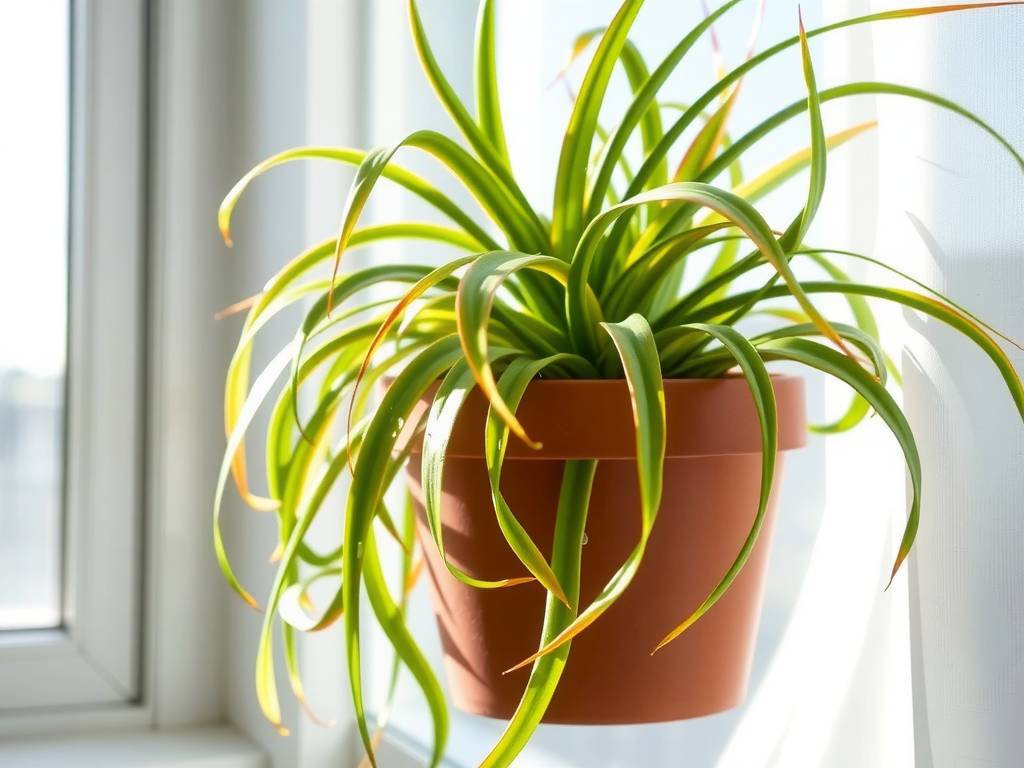
How often should I water my drought-tolerant spider plant? Water when the top inch of soil feels dry. This typically translates to weekly watering in warmer months and biweekly in cooler seasons. The plant's drought tolerance means it's better to underwater than overwater.
Can I grow my golden edge spider plant in low light conditions? While spider plants can survive in low light, the golden variegation will fade over time. For maintained vibrant stripes, provide bright, filtered light. The plant may survive in lower light, but won't thrive or maintain its distinctive appearance.
Growing a healthy golden edge spider plant brings continuous rewards as you watch those beautifully striped leaves cascade gracefully from their container. By providing filtered light, respecting its drought-tolerant nature, and following these straightforward care guidelines, you'll enjoy this stunning variety for years to come. Remember that plant care involves observation and adjustment - your spider plant will communicate its needs through its leaves, and you'll become more attuned to these signals over time.