bluename
 The Complete Guide to Thriving Aloe Vera Plants
Are you struggling to keep your aloe vera plant healthy? Many plant enthusiasts find themselves frustrated with drooping leaves, brown spots, or stunted growth despite their best efforts. The truth is, aloe barbadensis miller has specific needs that, when understood, make it one of the easiest succulents to maintain. This comprehensive guide will transform your approach to aloe vera care, helping you cultivate vibrant, medicinal-rich plants that thrive for years.
Understanding Your Aloe Vera's Natural Habitat
Aloe vera originates from arid regions of the Arabian Peninsula, where it evolved to store water in its thick, fleshy leaves and withstand intense sunlight. This evolutionary background explains why overwatering and insufficient light are the two most common reasons for aloe plant failure. By replicating these desert-like conditions in your home, you'll create an environment where your aloe can truly flourish.
Perfect Lighting Conditions for Strong Growth
Aloe vera plants crave bright, direct sunlight for optimal health. Place your plant near a south or west-facing window where it can receive at least six hours of sunlight daily. The leaves should maintain their characteristic deep green color - if they begin to pale or turn brownish, your plant might be receiving too much direct light. Conversely, if the leaves become thin and start drooping, they're likely not getting enough sunlight.
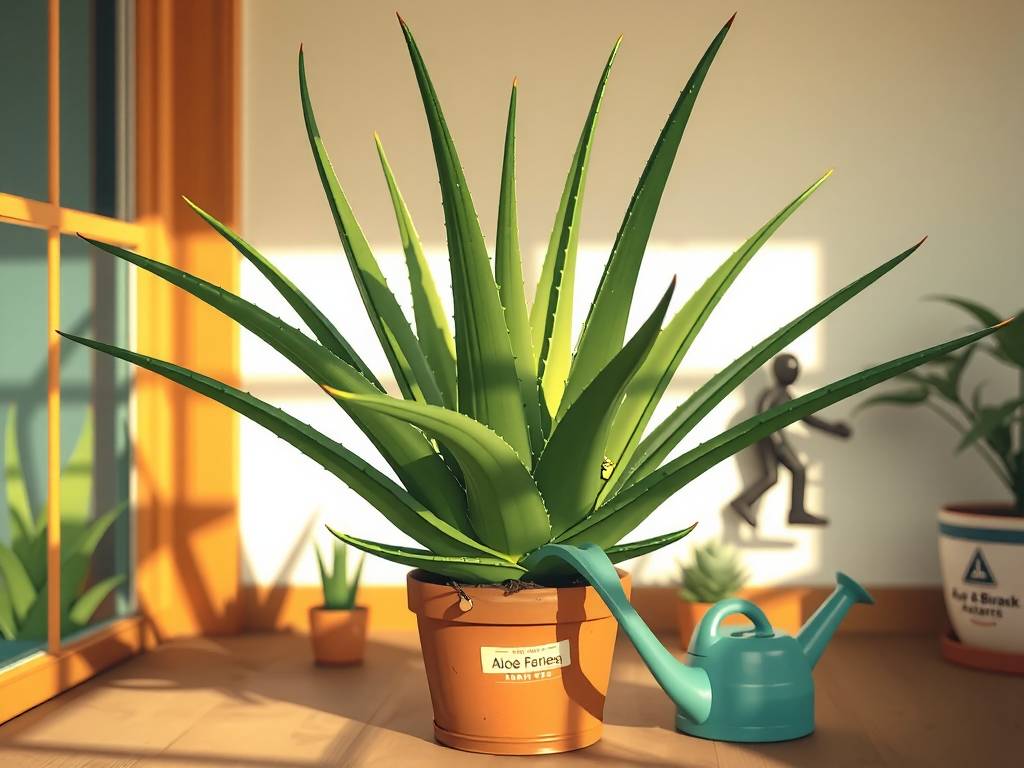
During summer months, consider moving outdoor aloe plants to a location with partial afternoon shade to prevent leaf scorching. Indoor plants benefit from occasional rotation to ensure all sides receive equal light exposure, promoting symmetrical growth. For those living in regions with limited natural light, full-spectrum grow lights positioned 6-12 inches above the plant can provide adequate supplemental lighting.
Mastering the Art of Watering Drought-Tolerant Plants
The golden rule for watering aloe vera is simple: when in doubt, wait it out. These succulents store significant water reserves in their thick leaves, making them incredibly tolerant of dry conditions. Water thoroughly only when the soil is completely dry, typically every 2-3 weeks depending on temperature and humidity. The "soak and dry" method works perfectly - water deeply until it drains from the bottom, then allow the soil to dry completely before watering again.
Signs of overwatering include soft, mushy leaves and black spots at the base, while underwatered plants develop thin, curled leaves and dry leaf tips. During winter months when aloe enters dormancy, reduce watering frequency to once monthly or even less. Always use pots with drainage holes and avoid letting plants sit in water-filled saucers, as root rot can develop quickly in waterlogged conditions.
Choosing the Right Soil and Container
Well-draining soil is non-negotiable for healthy aloe vera plants. Standard potting soil retains too much moisture, so opt for cactus or succulent mixes that contain perlite, coarse sand, or pumice. You can create your own blend by mixing two parts potting soil with one part perlite and one part coarse sand. This combination ensures rapid drainage while providing adequate support for the root system.
When selecting containers, terracotta pots are ideal because their porous nature allows soil to dry more evenly. Choose a pot that's approximately 1-2 inches wider than the root ball - too large, and soil stays wet too long; too small, and roots become cramped. Repotting every 2-3 years refreshes the soil and provides room for growth, best done in spring when the plant is entering its active growth phase.
Maintaining Those Beautiful Thick Green Leaves
The signature thick, green leaves of aloe vera are indicators of plant health. To maintain their vibrant appearance, wipe leaves gently with a damp cloth every few weeks to remove dust that can inhibit photosynthesis. Avoid leaf shine products, which can clog the plant's pores. If leaf tips brown slightly, you can trim them with clean scissors, cutting at an angle to maintain natural appearance.
Proper nutrition contributes significantly to leaf health. Feed your aloe with a balanced, water-soluble fertilizer diluted to half strength during the growing season (spring and summer). Avoid fertilizing in fall and winter when plant growth naturally slows. Over-fertilizing can cause leaf tips to brown and may encourage weak, leggy growth rather than the compact form you want.
Temperature and Humidity Preferences
Aloe vera thrives in temperatures between 55-80°F (13-27°C), making them perfect for typical indoor conditions. They can tolerate brief periods outside this range, but temperatures below 40°F (4°C) can damage leaves, while extended heat above 85°F (29°C) may cause stress. Protect plants from cold drafts near windows in winter and direct air conditioning vents in summer.
Unlike many tropical plants, aloe prefers relatively low humidity environments between 40-50%. In particularly humid climates, ensure excellent air circulation around your plants to prevent fungal issues. During dry winter months when indoor heating reduces humidity, the plant's natural drought tolerance means it won't suffer from the drier air like moisture-loving plants would.
Propagation Techniques for Expanding Your Collection
Mature aloe plants produce "pups" or offsets that you can separate to create new plants. Wait until pups are at least 3-4 inches tall and have developed their own root systems before separating them from the mother plant. Gently remove the entire plant from its pot and carefully tease the pup away, preserving as many roots as possible. Allow the separated pup to dry for 1-2 days before planting in fresh succulent mix.
Leaf cuttings are generally unsuccessful with aloe vera, as they lack the necessary tissue for root development. For this reason, propagation through division remains the most reliable method. Each mature plant can produce multiple pups annually, allowing you to expand your collection or share plants with fellow gardening enthusiasts.
Troubleshooting Common Aloe Vera Problems
Even with proper care, aloe plants can occasionally experience issues. Soft, brown leaves typically indicate overwatering, while thin, curled leaves suggest underwatering. Pale leaves often need more sunlight, and reddish-brown leaves might be getting too much direct sun. Mealybugs and scale insects can occasionally infest aloe plants - treat these with neem oil or insecticidal soap applied directly to affected areas.
Root rot is the most serious condition, usually resulting from chronic overwatering. If your plant becomes unstable in its pot or leaves turn mushy and translucent, check the roots immediately. Remove any black, mushy roots and repot in fresh, dry soil. With early intervention, many plants can recover, though severe cases may require propagating any remaining healthy leaves or pups.
Harvesting Aloe Gel Responsibly
When harvesting aloe gel, select mature outer leaves that are thick and healthy. Using a clean, sharp knife, cut the leaf as close to the base as possible. Allow the yellow sap (aloin) to drain out for 10-15 minutes before rinsing. Slice the leaf lengthwise and scoop out the clear gel inside. Store unused gel in the refrigerator for up to a week, or freeze in ice cube trays for longer preservation.
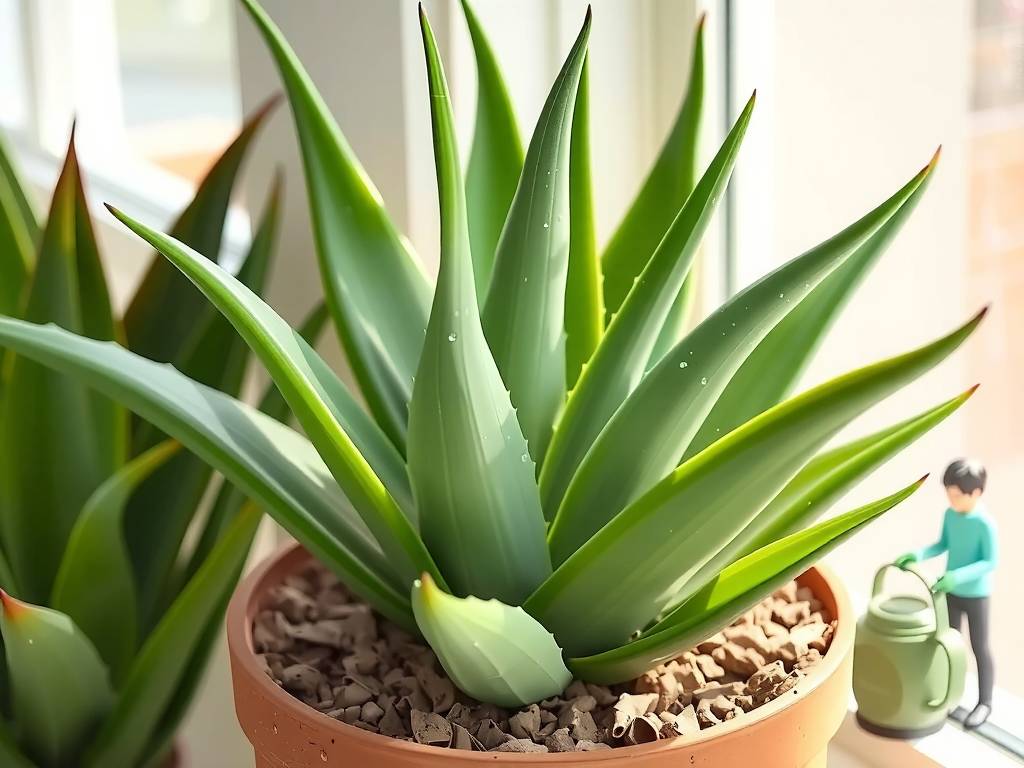
Never harvest more than one-third of the plant's leaves at once, and always leave enough foliage for the plant to continue photosynthesizing effectively. Regular harvesting from mature plants can actually stimulate new growth, but avoid harvesting from stressed, young, or recently repotted plants.
How often should I water my aloe plant? Water only when the soil is completely dry, typically every 2-3 weeks. During winter dormancy, reduce watering to once monthly or less, always checking soil moisture first.
Why are my aloe leaves turning brown? Brown leaves can indicate either too much direct sunlight (causing sunburn) or overwatering. Assess your plant's location and watering habits to determine the cause and adjust accordingly.
Can I keep my aloe plant outdoors? Yes, aloe thrives outdoors in temperatures between 55-80°F. Provide partial shade in extremely hot climates and bring indoors before temperatures drop below 40°F to prevent cold damage.
Growing vibrant aloe vera plants becomes straightforward once you understand their basic needs for strong light, minimal watering, and proper soil conditions. By observing your plant's responses to its environment and making small adjustments, you'll develop an intuition for exactly what it needs. The reward comes not just in the satisfaction of a thriving plant, but in having fresh aloe gel available for minor burns, skin irritations, and countless other household uses. With these practices in place, your aloe vera will continue to produce those characteristic thick green leaves that make this succulent both beautiful and functional.