bluename
 How to Care for Snake Plant (Cylindrical): The Ultimate Guide
Are you struggling to keep your cylindrical snake plant thriving? This popular houseplant is known for being nearly indestructible, yet many plant owners still face issues with proper care. The good news is that with the right knowledge, you can master cylindrical snake plant maintenance and enjoy its unique architectural beauty for years to come.
Understanding Your Cylindrical Snake Plant
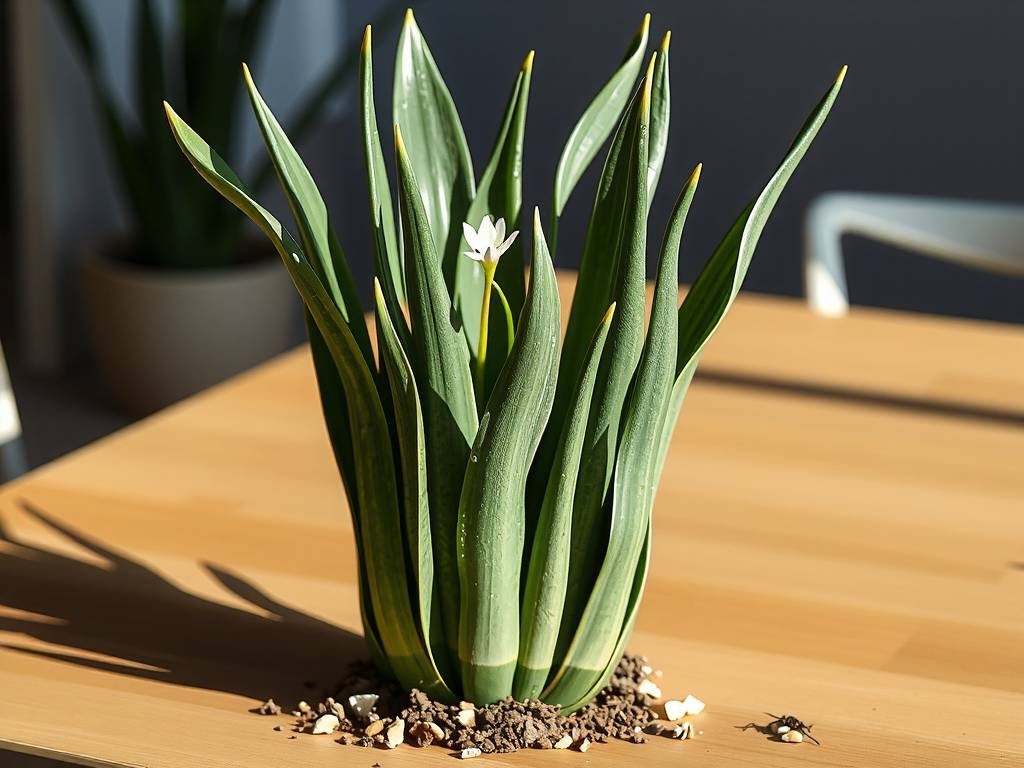
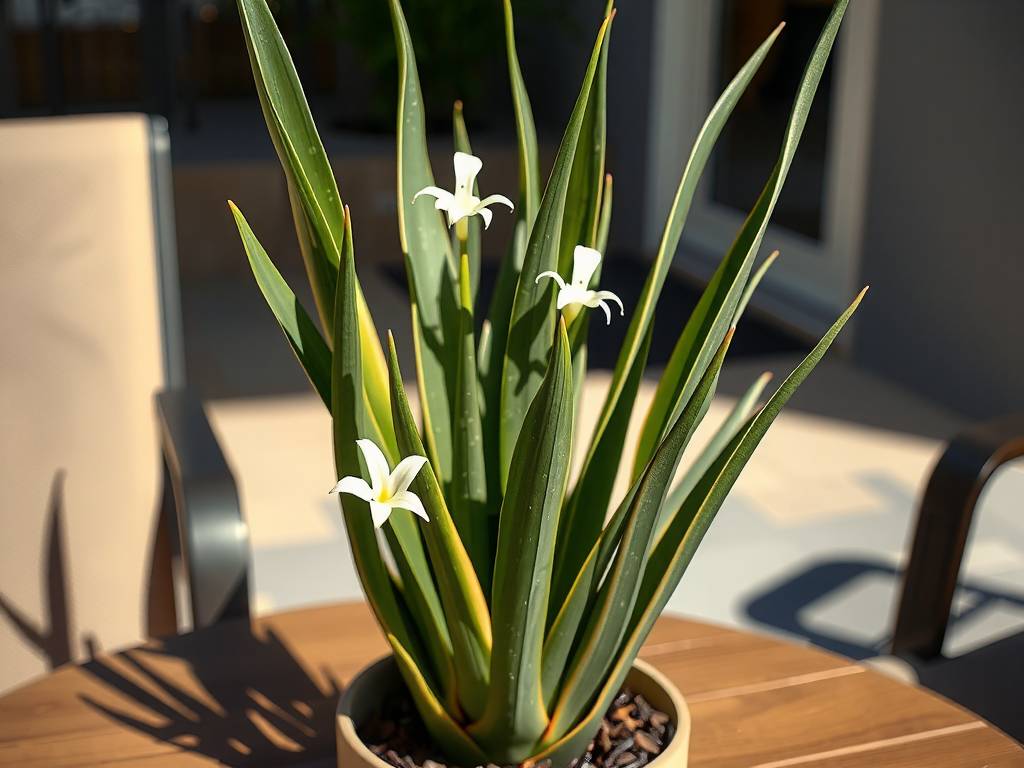
The cylindrical snake plant, scientifically known as Dracaena angolensis (formerly Sansevieria cylindrica), stands out with its spear-like leaves that grow upright in a fan-shaped pattern. Unlike other snake plant varieties with flat leaves, this species features smooth, rounded leaves that can reach several feet in height when mature.
One of its most remarkable features is its incredible adaptability. This plant has evolved to survive in harsh conditions, making it perfect for both novice gardeners and those with busy lifestyles. Its cylindrical leaves serve as water storage organs, allowing it to withstand periods of drought that would kill most other houseplants.
Optimal Lighting Conditions for Healthy Growth
Cylindrical snake plants are celebrated for their shade tolerance, but understanding what this truly means is crucial for optimal growth. While they can survive in low-light corners, they truly thrive in bright, indirect light. A spot near an east or west-facing window typically provides the ideal lighting conditions.
If your plant receives too little light, you might notice slower growth and less vibrant leaf coloration. Conversely, direct afternoon sun can scorch the leaves, causing unsightly brown spots. Rotate your plant quarterly to ensure even growth, as the leaves will naturally lean toward the light source.
Mastering the Watering Routine
The drought-tolerant nature of cylindrical snake plants makes them forgiving, but proper watering is still essential. These plants store water in their thick, cylindrical leaves, allowing them to go extended periods between waterings. During the growing season (spring and summer), water thoroughly when the soil is completely dry, typically every 2-3 weeks.
In winter, reduce watering to once a month or even less frequently. The key is to err on the side of underwatering rather than overwatering. Root rot from excessive moisture is the most common cause of snake plant failure. Always check soil moisture 2 inches below the surface before reaching for your watering can.
Soil and Potting Requirements
Well-draining soil is non-negotiable for cylindrical snake plants. A standard cactus or succulent mix works perfectly. You can create your own blend by combining regular potting soil with perlite or coarse sand to improve drainage.
When selecting a pot, choose one with adequate drainage holes. Terra cotta pots are ideal because they allow soil to dry more quickly than plastic containers. Repotting is typically needed every 2-3 years, or when you notice roots emerging from the drainage holes. Spring is the best time for repotting, as the plant enters its active growth phase.
Temperature and Humidity Preferences
Cylindrical snake plants adapt well to typical household temperatures between 60-85°F (15-29°C). Protect them from temperatures below 50°F (10°C), as cold damage can occur. These plants appreciate average household humidity levels and don't require additional misting.
Avoid placing your plant near heating or cooling vents, as sudden temperature fluctuations can cause stress. During winter, keep it away from drafty windows that might expose it to cold air.
Fertilizing for Optimal Growth
Feeding your cylindrical snake plant is simple. Use a balanced, water-soluble fertilizer diluted to half strength during the growing season. Apply fertilizer once in spring and again in mid-summer. Avoid fertilizing in fall and winter when the plant's growth naturally slows.
Over-fertilizing can cause leaf tip burn and damage the root system. If you notice salt buildup on the soil surface, flush the soil with water to remove excess minerals.
Encouraging Rare White Flowers
Mature cylindrical snake plants may produce fragrant white flowers under ideal conditions. These delicate blooms typically appear in spring or summer and open at night. To encourage flowering, provide bright indirect light and allow the plant to become slightly root-bound.
The flowers emerge on long stalks and fill the room with a sweet, jasmine-like fragrance. While flowering is relatively rare indoors, it's a special treat when it occurs. After blooming, the flower stalk will eventually wither and can be trimmed at the base.
Common Problems and Solutions
Yellowing leaves often indicate overwatering. Check soil moisture and adjust your watering schedule accordingly. Soft, mushy leaves are another sign of too much water and potential root rot.
If leaves become wrinkled or shriveled, your plant may need more water. Brown leaf tips can result from low humidity or fluoride in tap water. Using filtered or distilled water can prevent this issue.
Pests are uncommon but watch for mealybugs or spider mites. Wipe leaves with a damp cloth periodically to keep them clean and pest-free.
Propagation Methods
Propagating cylindrical snake plants is straightforward. Division is the most reliable method—simply separate rooted pups from the mother plant during repotting. You can also propagate from leaf cuttings, though this method may not preserve the cylindrical leaf shape in new plants.
Allow cuttings to callous over for a few days before planting in well-draining soil. Keep the soil slightly moist until new growth appears, which typically takes 4-8 weeks.
Design Uses and Styling Tips
The architectural quality of cylindrical leaves makes this plant a favorite among interior designers. Its upright growth habit works beautifully in narrow spaces where other plants might not fit. Group several plants together for a dramatic statement, or use a single specimen as a focal point.
The cylindrical snake plant complements modern, minimalist, and bohemian decor styles equally well. Its vertical lines can help draw the eye upward, making rooms feel more spacious. The plant's sculptural quality adds visual interest even without flowers.
Can cylindrical snake plants purify air? Yes, like other snake plant varieties, cylindrical snake plants are excellent air purifiers. They remove toxins such as formaldehyde, benzene, and xylene from indoor environments, making them both beautiful and beneficial for your home's air quality.
How fast do cylindrical snake plants grow? These are relatively slow-growing plants, typically adding a few inches per year under ideal conditions. Growth rate depends on factors like light exposure, temperature, and fertilization. Don't be concerned if your plant seems to grow slowly—this is completely normal.
Are cylindrical snake plants pet-friendly? While snake plants are only mildly toxic, they can cause gastrointestinal upset if ingested by pets. The plant contains saponins, which may cause nausea, vomiting, or diarrhea in cats and dogs. It's best to keep these plants out of reach of curious pets.
With proper care focused on its specific needs, your cylindrical snake plant will reward you with years of architectural beauty. Its shade tolerance and drought-resistant nature make it remarkably low-maintenance, while its unique cylindrical leaves add striking visual interest to any space. Remember that less is often more when it comes to watering, and provide bright indirect light for the healthiest growth. Whether you're a seasoned plant enthusiast or just beginning your gardening journey, this resilient plant is sure to become a cherished part of your indoor garden.