bluename
 The Complete Guide to Variegated Rubber Plant Care: Light, Water and Maintenance Tips
Are you struggling to keep your variegated rubber plant thriving? Those beautiful cream-and-green leaves can be tricky to maintain, but with the right knowledge, you can master variegated rubber plant care. Many plant enthusiasts find themselves confused about the exact light requirements and watering schedule for these stunning plants. The key lies in understanding how their unique variegated leaves affect their care needs.
Understanding Your Variegated Rubber Plant's Unique Needs
Variegated rubber plants, scientifically known as Ficus elastica, feature stunning patterns of green, cream, and sometimes pink on their leaves. The variegation isn't just for show—it significantly impacts how you should care for your plant. The white or cream sections lack chlorophyll, meaning they can't contribute to photosynthesis. This makes your plant more dependent on the green portions of its leaves for energy production.
This characteristic explains why variegated varieties need brighter light than their solid-green counterparts. However, they're still susceptible to direct sun damage. Finding this balance is crucial for maintaining both the plant's health and its beautiful coloration.
Perfect Light Conditions for Variegated Rubber Plants
Ideal Lighting Setup
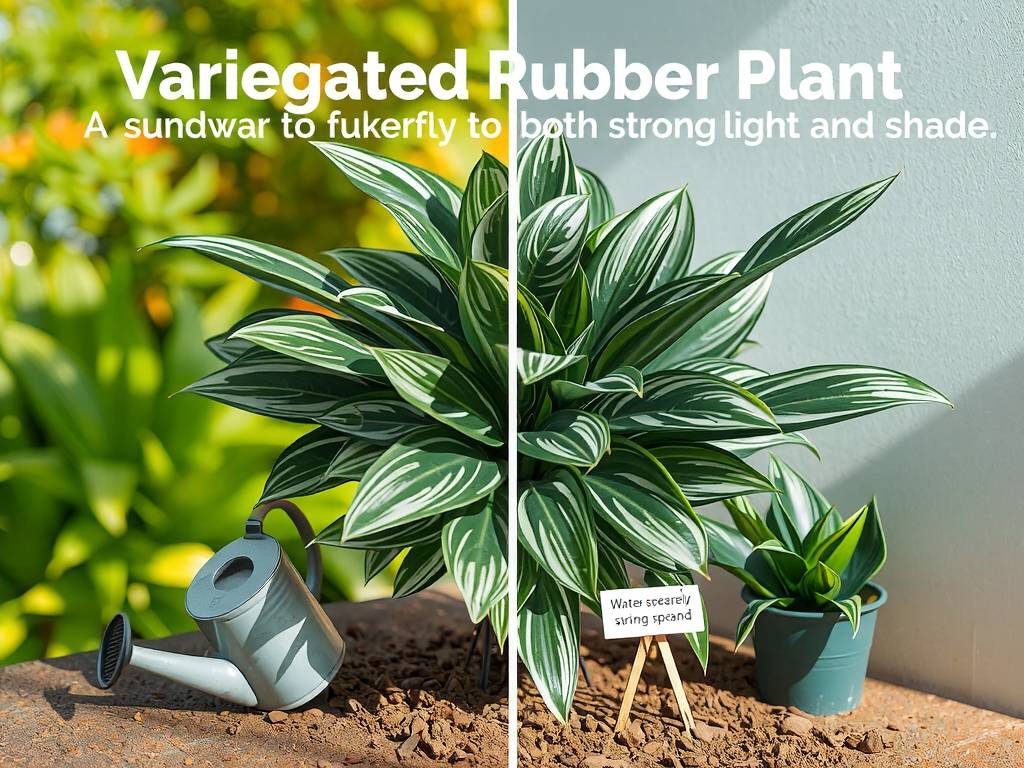
Variegated rubber plants thrive in bright, indirect light. Position them near east or west-facing windows where they can receive plenty of filtered sunlight. The morning sun from east-facing windows is particularly beneficial as it's less intense than afternoon light.
If you notice the variegation fading or the plant becoming leggy, it's likely not receiving enough light. Conversely, brown spots or scorched leaves indicate too much direct sunlight. Rotate your plant quarterly to ensure even growth and prevent it from leaning toward the light source.
Managing Light Throughout Seasons
During winter months when natural light decreases, you might need to move your plant closer to windows or supplement with grow lights. LED grow lights placed 12-18 inches above the plant for 10-12 hours daily can maintain optimal variegation and growth during darker months.
Watering Your Drought-Tolerant Variegated Rubber Plant
Establishing a Watering Routine
Despite being drought-tolerant, variegated rubber plants prefer consistent moisture. The key is to allow the soil to dry out between waterings. Insert your finger about two inches into the soil—if it feels dry, it's time to water. Typically, this means watering every 1-2 weeks during growing season and reducing frequency in winter.
Use room-temperature water and water thoroughly until it drains from the bottom holes. Empty the drainage tray afterward to prevent root rot. Your variegated rubber plant's watering needs will vary based on factors like temperature, humidity, and light exposure.
Signs of Improper Watering
Yellow leaves often indicate overwatering, while drooping or curling leaves suggest underwatering. The plant's drought-tolerant nature means it's better to err on the side of underwatering than overwatering. Well-draining soil is essential for preventing waterlogged roots.
Maintaining Those Beautiful Variegated Leaves
Cleaning and Pruning Techniques
Dust accumulation on the large leaves can hinder photosynthesis. Wipe leaves monthly with a damp cloth to keep them clean and efficient. For pruning, use clean, sharp scissors to remove any damaged leaves or control growth. Pruning just above a leaf node encourages bushier growth.
To maintain vibrant variegation, promptly remove any leaves that revert to solid green. These all-green leaves contain more chlorophyll and can eventually dominate the plant if not removed.
Addressing Common Leaf Issues
Brown leaf edges often result from low humidity or chemical sensitivity. Use filtered water and maintain humidity levels between 40-50%. Brown spots in the middle of leaves typically indicate sunburn or fungal issues. Adjust light exposure and ensure proper air circulation around your plant.
Soil and Fertilizer Requirements
Optimal Soil Composition
A well-draining potting mix is crucial for variegated rubber plant care. Use a quality indoor plant mix amended with perlite or orchid bark to improve drainage. The ideal soil pH should be between 6.0 and 7.0 for optimal nutrient uptake.
Fertilizing Schedule
During the growing season (spring through summer), feed your plant monthly with a balanced, water-soluble fertilizer diluted to half strength. Variegated plants generally require less fertilizer than their all-green counterparts, as too much nitrogen can encourage green growth at the expense of variegation.
Repotting and Propagation
When and How to Repot
Repot your variegated rubber plant every 2-3 years or when roots become pot-bound. Choose a container only 1-2 inches larger than the current one. Spring is the ideal time for repotting, as the plant enters its active growth phase.
Propagating Your Plant
Propagation through stem cuttings is the most effective method for variegated varieties. Take 6-inch cuttings with at least two leaves, allow the sap to dry for an hour, then place in water or moist soil. Roots typically develop within 4-6 weeks.
Troubleshooting Common Problems
Pest Prevention and Treatment
Variegated rubber plants can attract common houseplant pests like spider mites, mealybugs, and scale. Regularly inspect leaves, especially the undersides. Treat infestations promptly with insecticidal soap or neem oil, applying weekly until the problem resolves.
Environmental Stress Factors
These plants dislike sudden changes in their environment. Keep them away from drafty windows, heating vents, and air conditioning units. Maintain consistent temperatures between 60-80°F (15-27°C) for optimal growth.
How often should I water my variegated rubber plant? Water when the top 2 inches of soil feel dry, typically every 1-2 weeks. Adjust frequency based on season, light exposure, and humidity levels.
Why are the leaves on my variegated rubber plant turning brown? Brown leaves can result from several factors including overwatering, underwatering, low humidity, or too much direct sunlight. Assess your care routine to identify the specific cause.
Can I increase the variegation on my rubber plant? While you can't change the plant's genetic variegation pattern, providing optimal bright, indirect light will help maintain and enhance existing variegation. Remove any solid green leaves that appear.
Mastering variegated rubber plant care requires understanding the balance between sufficient light for variegation maintenance and protection from direct sun damage. Their drought-tolerant nature makes them relatively low-maintenance once you establish a proper watering routine. With consistent care focused on their unique needs, your variegated rubber plant will reward you with stunning foliage that brightens any indoor space. Remember that plant care is an ongoing learning process—observe how your specific plant responds to its environment and adjust your care accordingly.