bluename
 The Ultimate Guide to Thriving Monstera Plants: Mastering Light and Moisture
You finally brought home that stunning monstera with its signature holey leaves, imagining it thriving in your living space. But now you're noticing yellowing leaves, slow growth, or brown edges, and you're wondering what you're doing wrong. Don't worry - mastering monstera care is simpler than you think when you understand their specific needs for warm filtered light and proper moisture management.
Understanding Your Monstera's Natural Habitat
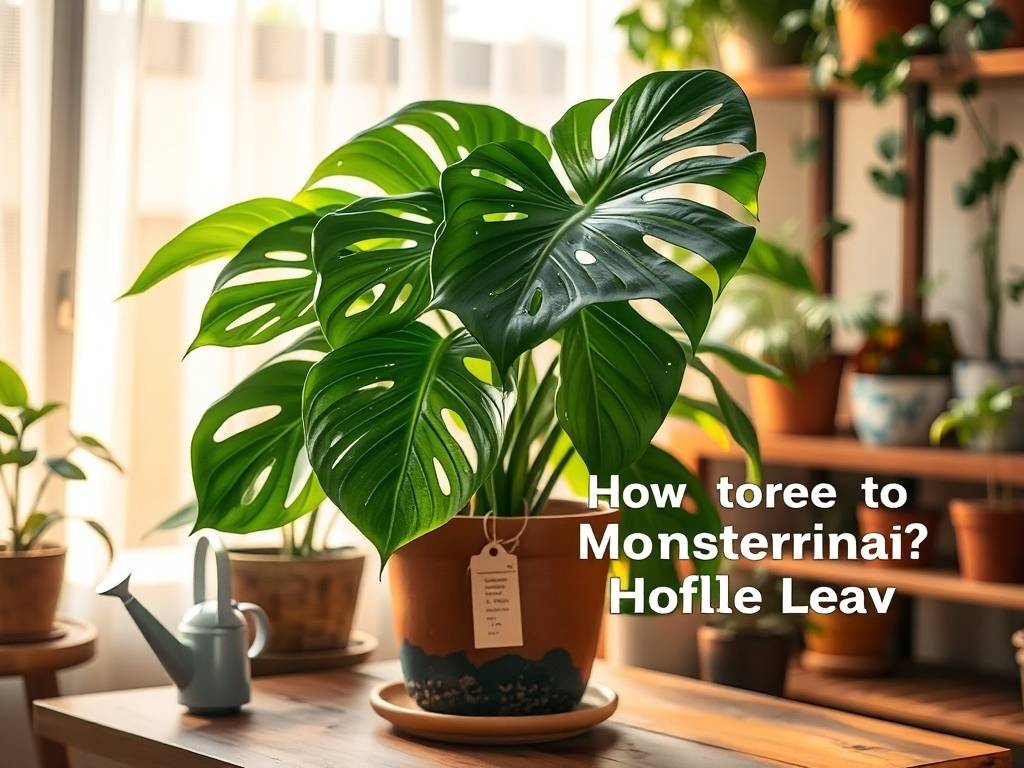
Monstera deliciosa, commonly called the Swiss cheese plant, originates from tropical rainforests in Central America. In their natural environment, these plants grow beneath dense canopies where they receive dappled sunlight through taller trees. This explains their preference for bright but indirect light conditions. Their aerial roots and holey leaves have evolved specifically to capture filtered light while allowing rainfall to pass through to lower plants.
The distinctive fenestrations (holes) in monstera leaves serve multiple purposes. Research from the University of Florida's IFAS Extension indicates that these natural openings may help the plant withstand heavy rainfall and strong winds in its native habitat by allowing air and water to pass through. The holes also maximize light capture efficiency by distributing sunlight across lower leaves that would otherwise be shaded.
Perfecting Light Conditions for Optimal Growth
Monsteras flourish in warm filtered light conditions that mimic their native environment. Place your plant near an east-facing window where it can enjoy gentle morning sun, or several feet back from a south or west-facing window where the intense afternoon light will be diffused. The ideal spot provides consistent brightness without direct sunbeams touching the foliage.
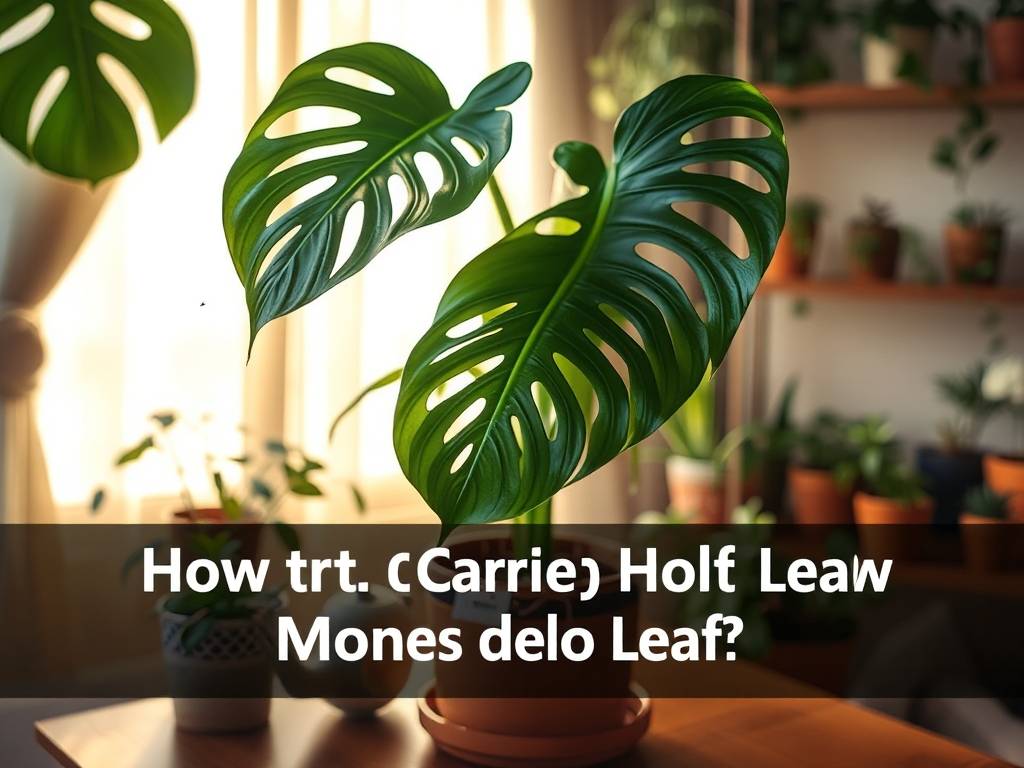
Watch for these telltale signs that your light conditions need adjustment. If your monstera's leaves are developing brown, crispy patches or looking bleached, it's likely receiving too much direct sunlight. Conversely, if you notice slowed growth, smaller new leaves without fenestrations, or the plant becoming leggy as it stretches toward the light source, it needs more brightness. Rotate your plant quarterly to ensure even light exposure on all sides.
Mastering Watering Techniques for Healthy Roots
The golden rule for monstera hydration is maintaining consistent moisture without waterlogging. Check soil moisture by inserting your finger about two inches deep - if it feels dry, it's time to water. During active growth periods in spring and summer, this typically means watering once every 1-2 weeks, reducing frequency in fall and winter when growth slows.
Proper watering technique is crucial for preventing root rot while keeping your monstera sufficiently moist. Water thoroughly until liquid drains from the bottom of the pot, then empty the drainage saucer promptly to avoid standing water. Use room-temperature water to prevent root shock, and consider filtered or distilled water if your tap water is heavily mineralized, as monsteras can be sensitive to chemical buildup.
Creating the Ideal Humidity Environment
As tropical plants, monsteras appreciate humidity levels between 40-60%. In dry indoor environments, especially during winter months when heating systems run frequently, supplementing humidity becomes essential. Grouping plants together creates a beneficial microclimate, as plants naturally release moisture through transpiration.
For more targeted humidity control, try these effective methods. Place a humidifier near your plant collection, use a pebble tray filled with water beneath your monstera pot (ensuring the pot sits above the waterline), or occasionally mist the leaves with filtered water. Bathrooms with windows often provide excellent conditions for monsteras due to naturally higher humidity levels from showers.
Soil and Potting Requirements
The right soil mixture is fundamental to preventing waterlogging while maintaining appropriate moisture. A well-draining, peat-based potting mix with added perlite or orchid bark provides the ideal balance of moisture retention and aeration. This combination supports healthy root development while allowing excess water to drain away from the root zone.
When selecting containers, prioritize drainage holes above aesthetic considerations. Terra cotta pots offer the advantage of being porous, allowing soil to dry more evenly between waterings. Repot your monstera every 1-2 years in spring, sizing up only 1-2 inches in diameter each time to prevent excess soil from retaining too much moisture.
Encouraging Those Signature Holey Leaves
The development of fenestrations (the scientific term for those beautiful holes and splits) depends on several factors. Maturity is the primary determinant - most monsteras won't develop significant fenestrations until they're 2-3 years old. Provided with optimal warm filtered light conditions, adequate nutrients, and appropriate support, your plant will eventually produce those characteristic holey leaves that make this species so distinctive.
If your mature monstera isn't developing splits in its leaves, reassess its light exposure. Insufficient bright, indirect light is the most common reason for solid leaves on otherwise healthy plants. Other contributing factors include nutrient deficiencies, particularly nitrogen, and lack of vertical support for the plant to climb, as monsteras naturally develop more fenestrations as they ascend trees in the wild.
Troubleshooting Common Monstera Problems
Yellow leaves often indicate overwatering or poor drainage leading to waterlogged conditions. Check your watering frequency and ensure your pot has adequate drainage. Brown, crispy leaf edges typically result from low humidity, underwatering, or fertilizer buildup. Brown spots surrounded by yellow halos may signal fungal or bacterial issues often related to excessive moisture on leaves.
Pest prevention starts with regular leaf inspection. Wipe leaves monthly with a damp cloth to remove dust and discourage pests. If you notice small bugs, treat immediately with insecticidal soap or neem oil. Common monstera pests include spider mites (especially in dry conditions), mealybugs (appearing as white cottony masses), and scale insects (brown bumps on stems and leaves).
Nutrition and Fertilizing Schedule
Feed your monstera with a balanced liquid fertilizer diluted to half strength every 4-6 weeks during the growing season (spring through early fall). Avoid fertilizing in winter when growth naturally slows. Over-fertilization can cause salt buildup in the soil, visible as a white crust on the soil surface, which may lead to root damage and brown leaf tips.
Organic alternatives like worm castings or compost tea provide gentle nutrition without chemical buildup. Whatever fertilizer you choose, always apply to moist soil to prevent root burn. If you notice slowed growth or pale leaves despite proper light and water conditions, your plant may benefit from a micronutrient supplement containing magnesium and calcium.
Why isn't my monstera growing any new leaves? Seasonal changes affect growth patterns, with most monsteras entering dormancy during shorter winter days. If growth has stalled during spring or summer, evaluate light exposure and nutrition. Insufficient bright indirect light is the most common cause, followed by nutrient deficiencies or rootbound conditions.
What causes brown tips on monstera leaves? Brown leaf tips typically result from low humidity, inconsistent watering, or chemical buildup from tap water. Increase humidity through grouping plants or using a humidifier, maintain consistent watering practices, and consider using filtered water if your tap water is heavily treated.
Should I wipe my monstera leaves? Regularly wiping leaves with a soft damp cloth removes dust that can block light absorption and provides an opportunity to inspect for pests. For best results, support the leaf from underneath with your hand while gently wiping the surface. Avoid commercial leaf shine products, which can clog leaf pores.
Providing the right balance of warm filtered light and consistent moisture without waterlogging creates the foundation for a spectacular monstera. Those distinctive holey leaves will develop as your plant matures in optimal conditions. Remember that plant care is an ongoing relationship - observe how your monstera responds to its environment and make adjustments accordingly. With patience and attention to these key elements, your monstera will reward you with vigorous growth and those beautiful fenestrated leaves that make this plant so extraordinary.