bluename
 The Ultimate Guide to Thriving Fiddle-Leaf Fig Care
You've finally brought home that stunning fiddle-leaf fig tree you've been eyeing. Its large, violin-shaped leaves make a dramatic statement in your living room. But after a few weeks, you notice brown spots appearing, leaves starting to droop, or worse—leaf drop. Don't panic. This comprehensive guide will walk you through exactly how to care for your fiddle-leaf fig to keep it healthy and vibrant.
Understanding Your Fiddle-Leaf Fig's Natural Habitat
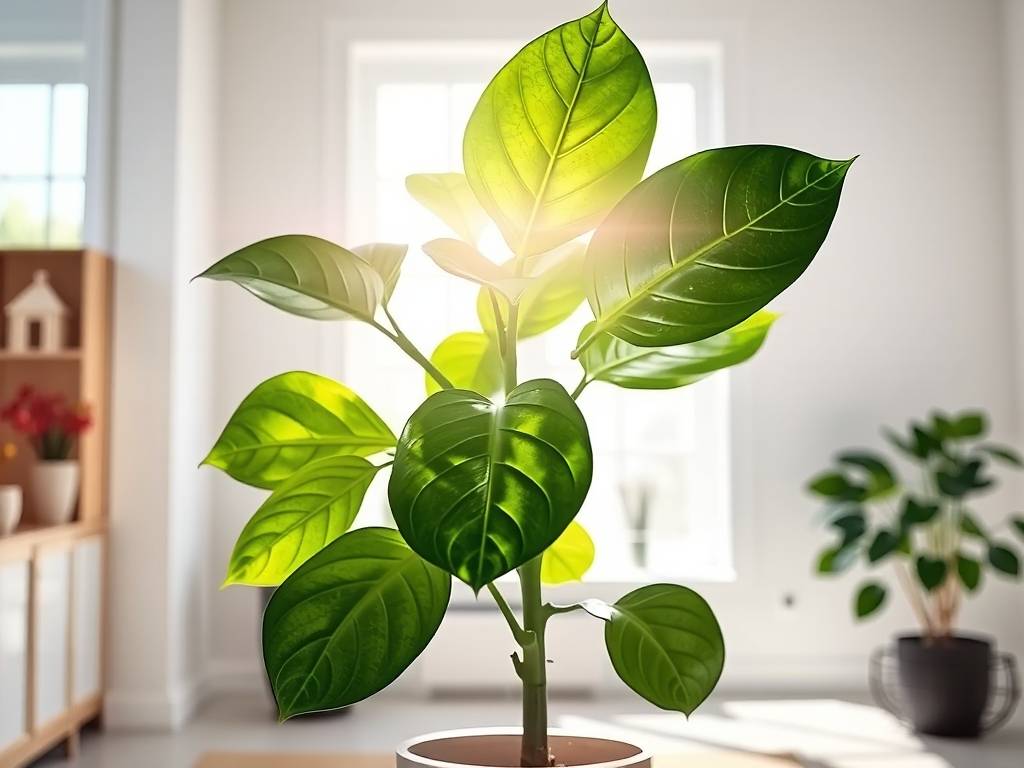
Native to West Africa's lowland tropical forests, fiddle-leaf figs thrive in environments with strong light, consistent warmth, and high humidity. Recreating these conditions is key to your plant's success. These plants grow beneath the forest canopy where they receive bright but filtered sunlight, explaining their need for strong indirect light in our homes.
Perfect Light Conditions for Large Violin-Shaped Leaves
Fiddle-leaf figs are famous for their impressive foliage, but those large leaves require adequate light to perform photosynthesis efficiently.
Place your plant near an east or south-facing window where it can receive plenty of bright, indirect sunlight. Direct afternoon sun can scorch those beautiful large leaves, while insufficient light will cause leggy growth and smaller leaves. If you notice your plant leaning toward the light source, rotate it quarterly to ensure even growth.
During winter months or in north-facing rooms, consider supplementing with a grow light to maintain those spectacular large violin-shaped leaves.
The Critical Role of Proper Ventilation
Well-ventilated spaces prevent numerous common fiddle-leaf fig problems. Stagnant air encourages pests like spider mites and can lead to fungal issues.
Ensure good air circulation by placing your plant in a room with occasional gentle airflow. Avoid direct drafts from heating or cooling vents, which can shock the plant. A ceiling fan on low or occasionally cracking a window can provide the movement these plants appreciate.
Watering Techniques for Optimal Health
Overwatering is the most common killer of fiddle-leaf figs. These plants prefer a "soak and dry" method rather than frequent small drinks.
Water thoroughly until liquid runs from the drainage holes, then allow the top 2-3 inches of soil to dry out before watering again. The frequency will vary with seasons—typically weekly in summer and bi-weekly in winter. Always use your finger to test soil moisture rather than following a strict schedule.
Soil and Potting Requirements
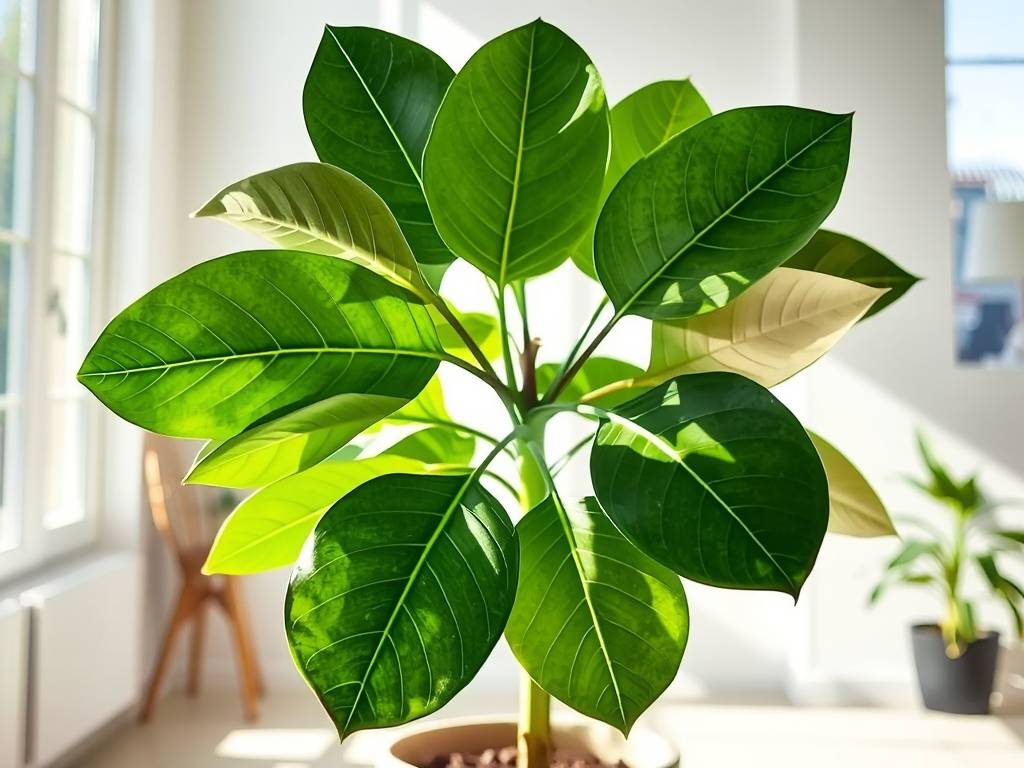
A well-draining potting mix is essential for fiddle-leaf figs. Use a quality indoor plant soil amended with perlite or orchid bark to improve drainage. These plants prefer to be slightly root-bound, so repot only every 2-3 years or when roots circle the bottom of the container.
When repotting, choose a container only 1-2 inches larger in diameter than the previous one. Too much soil retains excess moisture that can lead to root rot.
Fertilizing for Vibrant Growth
Feed your fiddle-leaf fig with a balanced liquid fertilizer diluted to half strength during the growing season (spring through early fall). Reduce or eliminate feeding during winter months when growth naturally slows.
Over-fertilizing can cause salt buildup in the soil and leaf tip burn. Flush the soil every few months by allowing water to run slowly through the pot for several minutes.
Cleaning Those Large Leaves
The substantial surface area of fiddle-leaf fig leaves collects dust that can block sunlight. Wipe leaves monthly with a damp soft cloth to keep them photosynthesizing efficiently. Avoid leaf-shining products, which can clog leaf pores.
Troubleshooting Common Issues
Brown spots often indicate overwatering, while crispy edges typically signal underwatering or low humidity. Yellowing leaves may result from nutrient deficiencies or poor drainage. Address these issues by adjusting your care routine rather than making multiple changes at once.
Pruning and Shaping Your Plant
Regular pruning helps maintain an attractive shape and encourages bushier growth. Use clean, sharp pruners to remove any damaged or crossing branches. You can also pinch back new growth tips to promote branching.
Propagating New Plants
Create new fiddle-leaf figs from stem cuttings taken in spring. Place 6-8 inch cuttings in water until roots develop, then transfer to soil. This is an excellent way to share plants with friends or create a fuller appearance by planting multiple stems together.
Seasonal Care Adjustments
As seasons change, so do your plant's needs. Reduce watering frequency in winter when growth slows. Consider using a humidifier during dry months to maintain adequate moisture in the air. Rotate your plant periodically to ensure all sides receive equal light exposure.
Why won't my fiddle-leaf fig grow new leaves? Insufficient light is the most common cause. Move your plant to a brighter location and ensure you're fertilizing appropriately during growing season. These plants also experience natural dormant periods, particularly in winter.
What causes brown spots on fiddle-leaf fig leaves? Brown spots typically indicate overwatering or root rot. Check your watering schedule and ensure the plant has proper drainage. Bacterial infections can also cause spotting—remove affected leaves and improve air circulation.
How often should I repot my fiddle-leaf fig? These plants prefer being slightly root-bound. Repot every 2-3 years in spring, or when roots circle the pot's bottom or emerge from drainage holes. Use fresh potting mix and a container only slightly larger than the previous one.
Mastering fiddle-leaf fig care requires attention to light, ventilation, and proper watering techniques. By understanding your plant's natural preferences and making thoughtful adjustments to your care routine, you'll be rewarded with a stunning specimen that enhances your space for years to come. Consistent care tailored to your specific environment is the true secret to success with these magnificent plants.