bluename
 The Complete Guide to Thriving Philodendron Selloum Care
You've fallen in love with the dramatic, tropical presence of a Philodendron Selloum, only to find its large, pinnate leaves developing brown tips or yellowing patches. This stunning floor plant can transform any space into a lush oasis, but its specific care requirements often leave plant owners puzzled. Understanding how to properly nurture this botanical giant is the key to unlocking its full, vibrant potential.
Understanding Your Philodendron Selloum
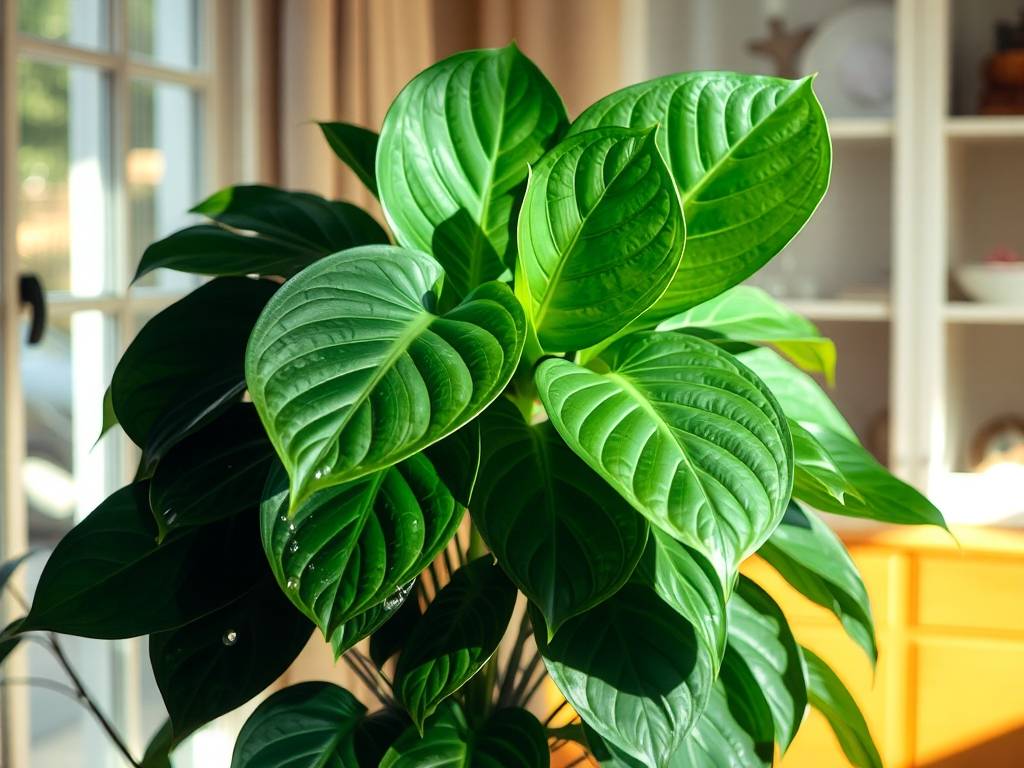
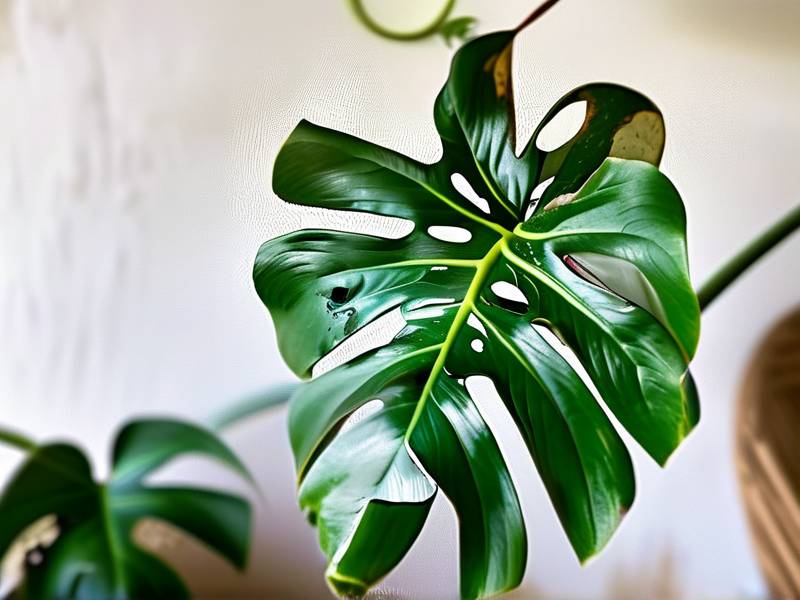
Native to the tropical regions of South America, the Philodendron Selloum, also known as the Tree Philodendron or Split-Leaf Philodendron, is prized for its deeply lobed, glossy green leaves that can grow up to three feet long. As a member of the Araceae family, it's an epiphytic plant in its natural habitat, often growing on other trees. This background is crucial for replicating its ideal home environment. It's a hardy plant, but its size and specific needs mean that small mistakes can become big problems. Getting the fundamentals right from the start sets the stage for a long and healthy life for your plant.
Ideal Lighting: Embracing Warm Partial Shade
The single most important factor for a healthy Philodendron Selloum is providing the correct light. These plants thrive in bright, indirect light or what is often described as warm partial shade.
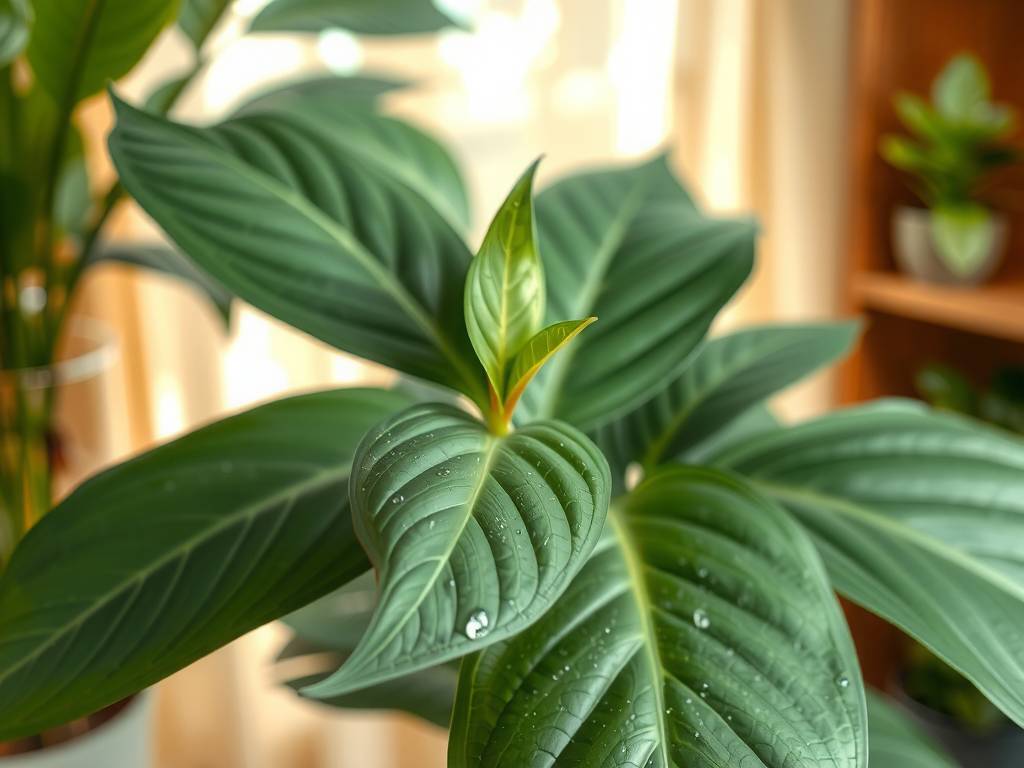
What is Warm Partial Shade? In practice, warm partial shade means a spot that receives plenty of ambient light without being exposed to the harsh, direct rays of the sun, particularly the hot afternoon sun. Think of the dappled light that filters through the canopy of a tree. An east-facing window where it gets gentle morning sun or a few feet back from a south or west-facing window is perfect. The "warm" aspect implies a comfortable room temperature, generally between 65°F and 85°F (18°C - 29°C).
Signs of Incorrect Light Exposure If your Selloum receives too much direct light, you'll notice scorch marks—crispy, brown, or yellow patches on the leaves. Conversely, if it's in a spot that's too dark, you'll see signs of etiolation: the plant will become leggy, with smaller new leaves and increased space between stems. The growth will slow significantly. Rotate your plant a quarter turn every time you water to ensure all sides receive even light and promote symmetrical growth.
Mastering the Art of Watering: Moist but Not Waterlogged
Achieving the perfect soil moisture is the second pillar of successful Philodendron Selloum care. The goal is to keep the soil consistently moist, but never soggy or waterlogged, which is a primary cause of root rot.
Creating a Foolproof Watering Schedule Instead of watering on a strict calendar schedule, learn to check the soil's moisture level. A good rule of thumb is to water your Philodendron Selloum when the top 1-2 inches of soil feel dry to the touch. You can use your finger or a moisture meter for a more accurate reading. When you water, do so thoroughly until water runs freely out of the drainage holes. This ensures the entire root ball is hydrated. Always empty the saucer or cache pot after 15-30 minutes to prevent the plant from sitting in water.
The Critical Role of Drainage Preventing waterlogging is non-negotiable. This starts with using a pot with ample drainage holes. A well-draining potting mix is equally important. A standard peat-based potting mix amended with perlite and orchid bark will provide the aeration and drainage this plant craves. During the winter, when growth slows, reduce watering frequency, allowing the soil to dry out a bit more between sessions.
Optimizing Humidity and Temperature
Hailing from humid tropics, the Philodendron Selloum appreciates higher humidity levels than are typically found in most homes.
Simple Ways to Increase Humidity If the air in your home is dry, especially during winter, consider using a humidifier placed near the plant. This is the most effective method. Other options include grouping plants together to create a microclimate or placing the plant's pot on a pebble tray filled with water (ensure the pot is not sitting directly in the water). While misting can provide a temporary boost, its effects are short-lived and should not be relied upon as a primary method.
Maintaining the Perfect Temperature Keep your plant in an environment with temperatures between 65°F and 85°F (18°C - 29°C). Protect it from sudden temperature fluctuations, cold drafts from doors or windows, and hot air blowing from heating or air conditioning vents. Consistent, warm temperatures will keep your Selloum happy.
Feeding and Soil for Lush Foliage
To support the development of those magnificent large pinnate leaves, your Philodendron Selloum needs proper nutrition and a supportive growing medium.
Choosing the Right Fertilizer Feed your plant with a balanced, water-soluble fertilizer (such as a 20-20-20 formula) diluted to half-strength. Apply this once a month during the active growing season (spring and summer). There is no need to fertilize during the fall and winter when the plant's growth naturally slows. Over-fertilizing can lead to a buildup of salts in the soil, which can damage the roots and cause leaf burn.
The Best Soil Mix for a Healthy Root System As mentioned, a well-draining, aerated potting mix is vital. You can create an excellent custom blend by mixing two parts peat-based potting soil with one part perlite and one part orchid bark or coarse coconut coir. This mixture retains enough moisture for hydration while allowing excess water to drain away quickly, preventing the dreaded waterlogged conditions.
Pruning and Cleaning Large Pinnate Leaves
Regular maintenance not only keeps your plant looking its best but also promotes its health.
How to Prune Your Selloum Pruning is straightforward. Use clean, sharp pruning shears or scissors to remove any yellow, brown, or damaged leaves at the base of the leaf stem. You can also trim back any overly long or unruly stems to maintain a pleasing shape. Pruning encourages the plant to direct its energy toward producing new, healthy growth.
Keeping Leaves Clean and Functional The large surface area of the leaves can accumulate dust, which can clog the pores and hinder photosynthesis. Wipe the leaves down every few weeks with a soft, damp cloth. For a deeper clean, you can gently rinse the plant in the shower with lukewarm water. This also helps to dislodge any potential pests.
Repotting Your Growing Giant
A Philodendron Selloum is a moderately fast grower and will eventually need a larger home.
When to Repot Typically, you should consider repotting every 2-3 years. Signs that it's time include roots growing out of the drainage holes, the plant becoming top-heavy and prone to tipping, or water rushing straight through the pot without being absorbed (indicating a root-bound plant).
The Repotting Process Choose a new pot that is only 1-2 inches larger in diameter than the current one. A pot that is too large can hold excess water, leading to root rot. Gently remove the plant, loosen the root ball, and place it in the new pot with fresh potting mix. Water thoroughly after repotting to help settle the soil.
Troubleshooting Common Problems
Even with the best care, issues can arise. Here’s how to diagnose and fix them.
- Yellow Leaves: This is often a sign of overwatering. Check your watering habits and ensure the soil is not staying soggy. It can also indicate a need for fertilizer.
- Brown Leaf Tips: Usually caused by low humidity or underwatering. It can also result from a buildup of fluoride or chlorine in tap water. Using filtered or distilled water can help.
- Drooping Leaves: This can be a sign of either overwatering or underwatering. Check the soil moisture to determine which is the culprit.
- Pests: Keep an eye out for common houseplant pests like spider mites, mealybugs, and scale. Wipe leaves regularly and treat any infestations early with insecticidal soap or neem oil.
Frequently Asked Questions
Why are the leaves on my Philodendron Selloum turning yellow? The most common cause is overwatering. Check that your pot has good drainage and that you are allowing the top layer of soil to dry out between waterings. Less frequently, it can signal a nutrient deficiency or insufficient light.
Can my Philodendron Selloum tolerate low light conditions? While it is more tolerant than some plants, it will not thrive in deep shade. In low light, its growth will slow to a crawl, and it will produce smaller, less impressive leaves with longer stems. For the best results with its large pinnate leaves, provide bright, indirect light.
Is the Philodendron Selloum toxic to pets? Yes, like many plants in the Araceae family, the Philodendron Selloum contains calcium oxalate crystals, which are toxic to cats and dogs if ingested. It can cause oral irritation, drooling, and difficulty swallowing. It's best to keep this plant out of reach of curious pets.
Caring for a Philodendron Selloum is a rewarding experience that pays off in the form of a stunning, architectural centerpiece for your home. By providing warm partial shade, keeping the soil moist but never waterlogged, and attending to its humidity and nutritional needs, you will be well on your way to cultivating a magnificent, healthy plant. Observing your plant closely and adjusting your care in response will ensure this tropical beauty thrives for years to come.