bluename
 The Complete Guide to Alocasia Care: Growing Lush Tropical Beauties
Are you struggling to keep your Alocasia's magnificent leaves vibrant and healthy? These stunning tropical plants, known for their dramatic foliage and elegant presence, can be challenging for indoor gardeners. With their specific requirements for warmth, humidity, and proper lighting, many plant enthusiasts find themselves battling drooping leaves, brown edges, and stunted growth. Understanding the unique needs of these jungle natives is the key to unlocking their full potential and enjoying their breathtaking beauty year-round.
Understanding Your Alocasia Plant
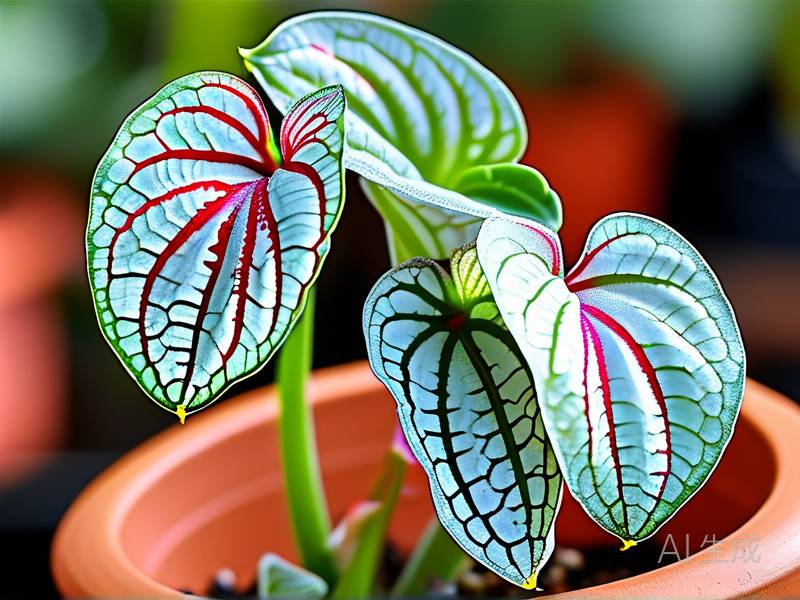
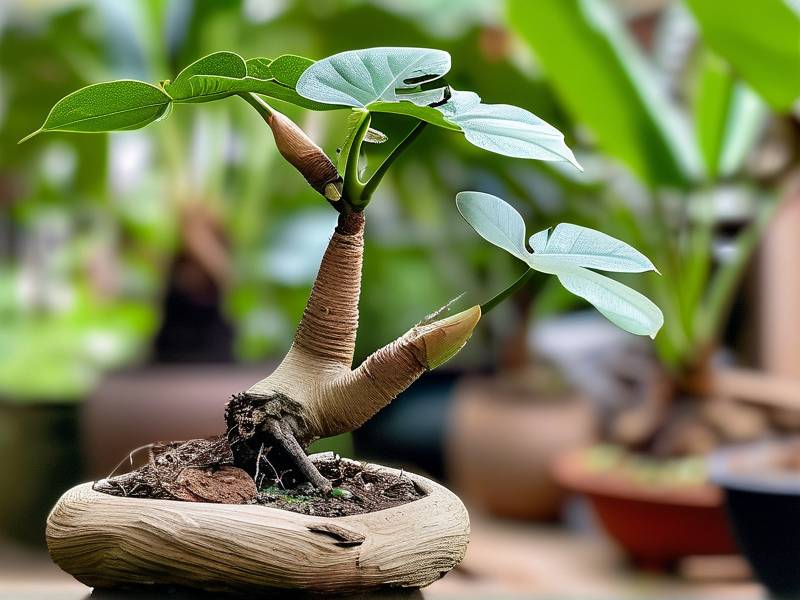
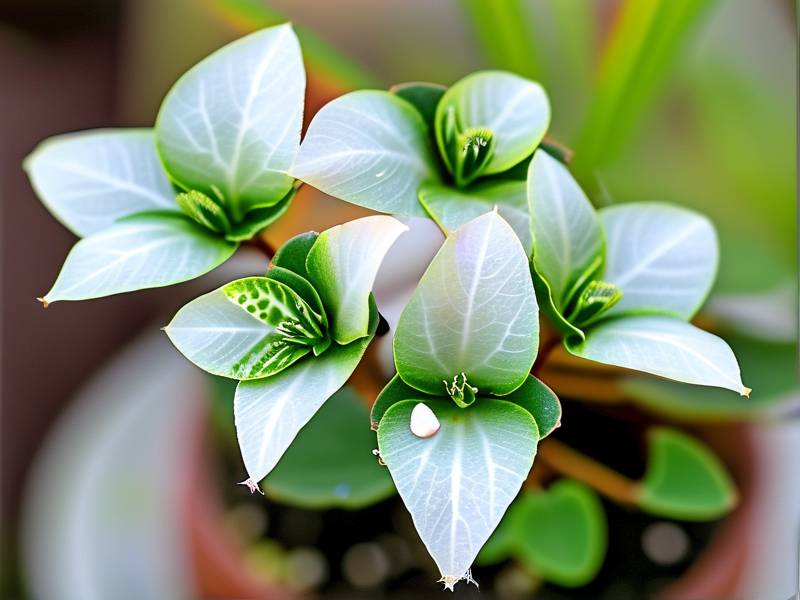
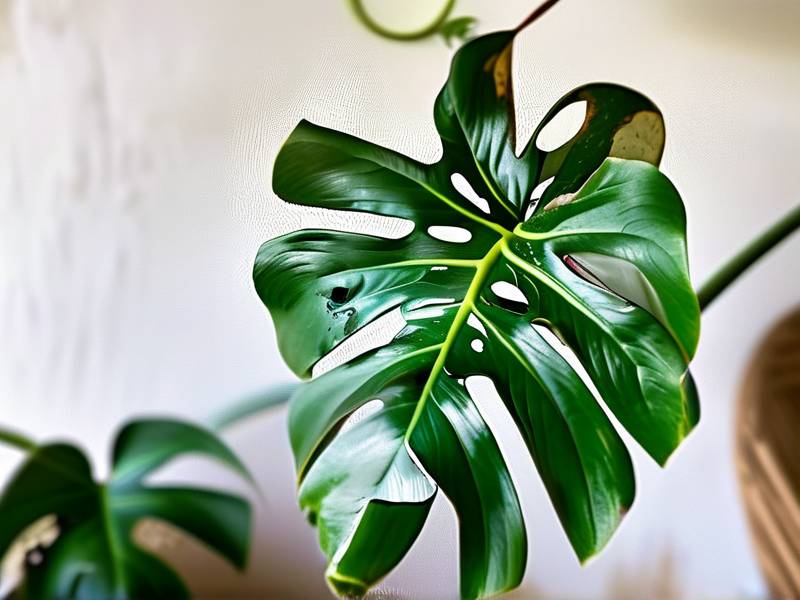
Alocasia plants, often called elephant ears or African masks, belong to the Araceae family and originate from tropical regions of Asia and Eastern Australia. Their most striking feature is undoubtedly their large, often arrow-shaped leaves that can reach impressive sizes in optimal conditions. These plants grow from rhizomes and can produce spathe flowers, though they're primarily grown for their spectacular foliage. Different varieties offer unique leaf patterns, from the dark veins of Alocasia amazonica to the metallic sheen of Alocasia cuprea.
The key to successful Alocasia care lies in recreating their natural tropical habitat. In the wild, these plants thrive under forest canopies where they receive filtered light, consistent warmth, and high humidity levels. When we bring them into our homes, we need to mimic these conditions as closely as possible to prevent stress and maintain their vibrant appearance.
Ideal Lighting Conditions for Healthy Growth
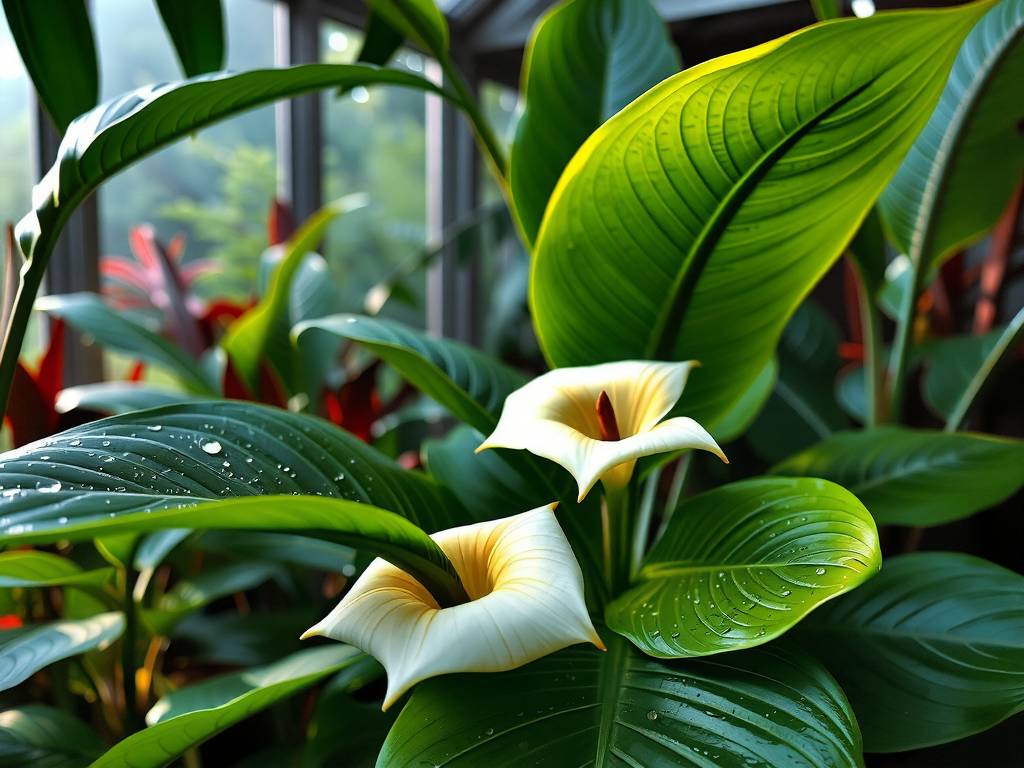
Alocasias need bright, indirect light to flourish. Direct sunlight can scorch their delicate leaves, causing unsightly brown patches and permanent damage. Position your plant near an east or north-facing window where it will receive gentle morning light or consistent filtered illumination throughout the day. If you only have south or west-facing windows, use sheer curtains to diffuse the intense afternoon sun.
Signs of improper lighting are usually evident in the foliage. If your Alocasia is receiving too much light, the leaves may appear washed out or develop brown, crispy edges. Conversely, insufficient light leads to leggy growth, smaller leaves, and loss of vibrant coloration. Rotate your plant regularly to ensure even growth, as Alocasias naturally lean toward light sources. During winter months when daylight hours decrease, consider supplementing with grow lights to maintain consistent light levels.
Creating the Perfect Watering Routine
Proper watering is crucial for Alocasia health, and this is where many growers encounter difficulties. These plants prefer consistently moist soil but are highly susceptible to root rot in waterlogged conditions. The goal is to maintain soil that feels like a well-wrung sponge – moist but not soggy. Water thoroughly when the top inch of soil feels dry to the touch, allowing excess water to drain completely from the pot's bottom.
Use room temperature water to avoid shocking the plant's root system, and always empty the drainage saucer after watering to prevent the roots from sitting in water. Reduce watering frequency during winter when plant growth naturally slows. According to Dr. Elena Martinez, a tropical plant specialist at the Royal Botanic Gardens, "Alocasias are particularly sensitive to water quality. If your tap water is heavily mineralized, using filtered or distilled water can prevent leaf tip burn and maintain soil health."
Humidity Requirements for Lush Foliage
As tropical plants, Alocasias thrive in humidity levels between 60-80% – much higher than typical household conditions. Low humidity often results in brown leaf edges, curling foliage, and increased susceptibility to pests like spider mites. There are several effective methods to increase humidity around your plant. Grouping plants together creates a microclimate with higher humidity, while placing your Alocasia in naturally humid rooms like bathrooms or kitchens can provide ideal conditions.
For more precise control, consider using a humidifier near your plant collection. Pebble trays filled with water placed beneath plant pots provide constant evaporation that boosts local humidity. Regular misting can help, though it offers only temporary relief and shouldn't be relied upon as the sole humidity source. During dry winter months when heating systems reduce indoor humidity, these methods become especially important for maintaining plant health.
Temperature and Seasonal Considerations
Alocasias are warmth-loving plants that perform best in temperatures between 65°F and 85°F (18°C-29°C). They're highly sensitive to cold drafts and sudden temperature fluctuations, which can cause leaf drop and stress. Keep your plant away from air conditioning vents, drafty windows, and heating sources that create hot, dry air. Consistent temperatures are key to preventing shock and encouraging steady growth.
Seasonal changes require adjustments to your care routine. During active growth in spring and summer, your Alocasia will need more frequent watering and may benefit from regular fertilization. In fall and winter, growth slows significantly, requiring reduced watering and no fertilization until spring returns. If you live in a climate with cold winters, be especially vigilant about protecting your plant from temperature drops during transportation or when moving it between locations.
Soil Composition and Potting Needs
The right soil mixture makes a significant difference in Alocasia health. These plants require a well-draining, aerated potting medium that retains some moisture without becoming waterlogged. A quality potting mix for Alocasias might include peat or coco coir for moisture retention, perlite or pumice for aeration, and orchid bark or charcoal to improve drainage and prevent compaction.
Repot your Alocasia every 1-2 years in spring, moving to a container only slightly larger than the previous one. Alocasias often prefer being slightly root-bound, and excessively large pots can hold too much moisture around the roots. When repotting, inspect the rhizomes for signs of rot or damage, and divide overcrowded plants if desired. Use pots with adequate drainage holes, and consider terracotta containers that allow soil to dry more evenly than plastic alternatives.
Fertilizing for Optimal Growth
Regular feeding during the growing season supports the development of those magnificent large leaves Alocasias are known for. Use a balanced, water-soluble fertilizer diluted to half strength every 2-4 weeks from spring through early fall. Alternatively, you can apply a slow-release fertilizer at the beginning of the growing season for consistent nutrient availability.
Avoid fertilizing during winter months when the plant is dormant, as the roots won't absorb nutrients effectively and salt buildup can damage the root system. If you notice leaf tip burn or white crust on the soil surface, you may be overfertilizing. Flush the soil with plenty of water to remove excess salts, and adjust your fertilization schedule accordingly. Organic options like fish emulsion or worm castings provide gentle, natural nutrition that's less likely to cause fertilizer burn.
Managing Common Alocasia Problems
Even with proper care, Alocasias can encounter issues that require attention. Yellowing leaves often indicate overwatering, while brown crispy edges typically result from low humidity or underwatering. Drooping leaves can signal either too much or too little water – check the soil moisture to determine the cause. Pest problems may include spider mites, mealybugs, or aphids, which can be treated with insecticidal soap or neem oil applications.
Some leaf loss is normal as Alocasias redirect energy to new growth, especially when seasons change or after repotting. However, significant or rapid leaf drop usually indicates environmental stress. Alocasias may enter dormancy in response to unfavorable conditions, where they die back to the rhizome before regenerating when conditions improve. If this occurs, reduce watering and resume normal care when new growth appears.
Encouraging Spathe Flower Production
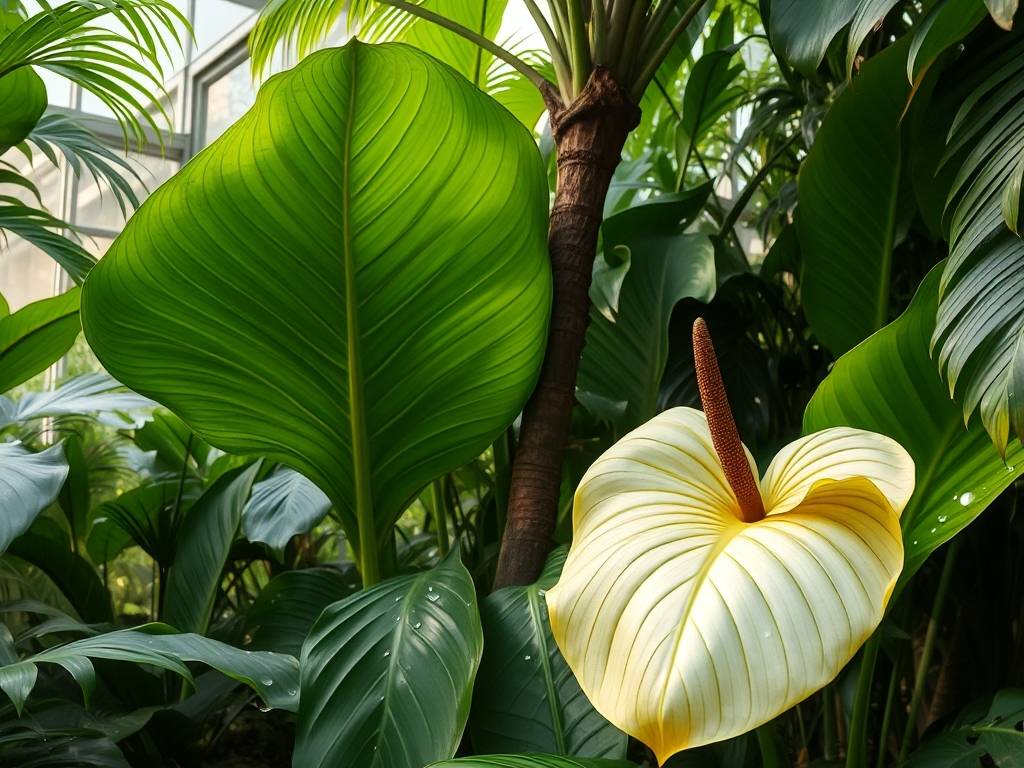
While Alocasias are primarily grown for their foliage, healthy mature plants may produce intriguing spathe-type flowers similar to those of peace lilies. These specialized structures consist of a hood-like spathe surrounding a spike-shaped spadix. Though less showy than the leaves, they add botanical interest to an already striking plant.
To encourage flowering, provide optimal growing conditions year-round, as stressed plants rarely bloom. Ensure your Alocasia receives appropriate light, consistent moisture, and regular fertilization during growth periods. Some growers recommend slightly reducing water in late winter, then resuming normal watering in spring to simulate seasonal changes that might trigger flowering. Remember that flowering requires significant energy, so you may notice slowed leaf growth during this period.
Propagation Techniques for Expanding Your Collection
Successfully growing Alocasia plants often leads to the desire to propagate and share these beauties. The most reliable method involves division of the rhizomes during repotting. Carefully separate healthy rhizomes with at least one growth point or existing leaf, ensuring each division has adequate roots. Plant divisions in appropriately sized containers with fresh potting mix, and maintain high humidity as they establish.
Some Alocasia varieties produce offset plants or bulbils that can be removed and potted separately. While Alocasias can theoretically be grown from seed, this method is challenging for home gardeners due to low viability and specific germination requirements. Professional grower Michael Chen notes, "Propagation by division in early spring gives new plants the entire growing season to establish before winter dormancy. Always use clean, sharp tools to minimize damage and infection risk."
Why are the edges of my Alocasia leaves turning brown?
Brown leaf edges typically indicate low humidity levels or inconsistent watering. These tropical plants require moisture in the air to keep their large leaves healthy. Increase humidity around your plant using a humidifier or pebble tray, and ensure you're maintaining consistently moist (but not waterlogged) soil. If brown edges persist, check that your plant isn't receiving direct sunlight or cold drafts.
Is it normal for my Alocasia to lose leaves?
Some leaf loss is natural, especially when seasons change or if the plant is redirecting energy to new growth. However, significant leaf drop often signals environmental stress. Evaluate your watering practices, temperature consistency, and light levels. Many Alocasias enter dormancy in winter, where they may lose most leaves before regenerating in spring. Reduce watering during dormancy and resume normal care when new growth appears.
How can I prevent pests on my Alocasia?
Regular inspection is your best defense against common pests like spider mites, which thrive in dry conditions. Maintaining proper humidity helps deter these pests. Wipe leaves monthly with a damp cloth to remove dust where pests can hide. At first sign of infestation, isolate the affected plant and treat with insecticidal soap or neem oil, ensuring to cover leaf undersides where pests congregate.
With proper attention to their specific needs for warm temperatures, high humidity, and consistent moisture, Alocasias reward growers with spectacular foliage that makes a dramatic statement in any space. These tropical beauties thrive when their natural habitat is recreated indoors, developing those iconic large leaves that captivate plant enthusiasts. Remember that Alocasias may have seasonal growth patterns and occasional leaf loss is normal. By observing your plant closely and adjusting care as needed, you'll be able to enjoy the striking presence of a healthy Alocasia for years to come, possibly even witnessing the rare appearance of its unique spathe flowers when conditions are perfect.