bluename
 How to Care for Curved Lucky Bamboo: Complete Growing Guide
Have you ever received a beautifully spiraled lucky bamboo plant only to watch it slowly deteriorate despite your best efforts? Many plant enthusiasts struggle to maintain those elegant curves and vibrant green stems, often finding their plant developing yellow leaves or losing its distinctive shape. The good news is that curved lucky bamboo is surprisingly resilient when you understand its specific needs.
Understanding Your Curved Lucky Bamboo's Origins
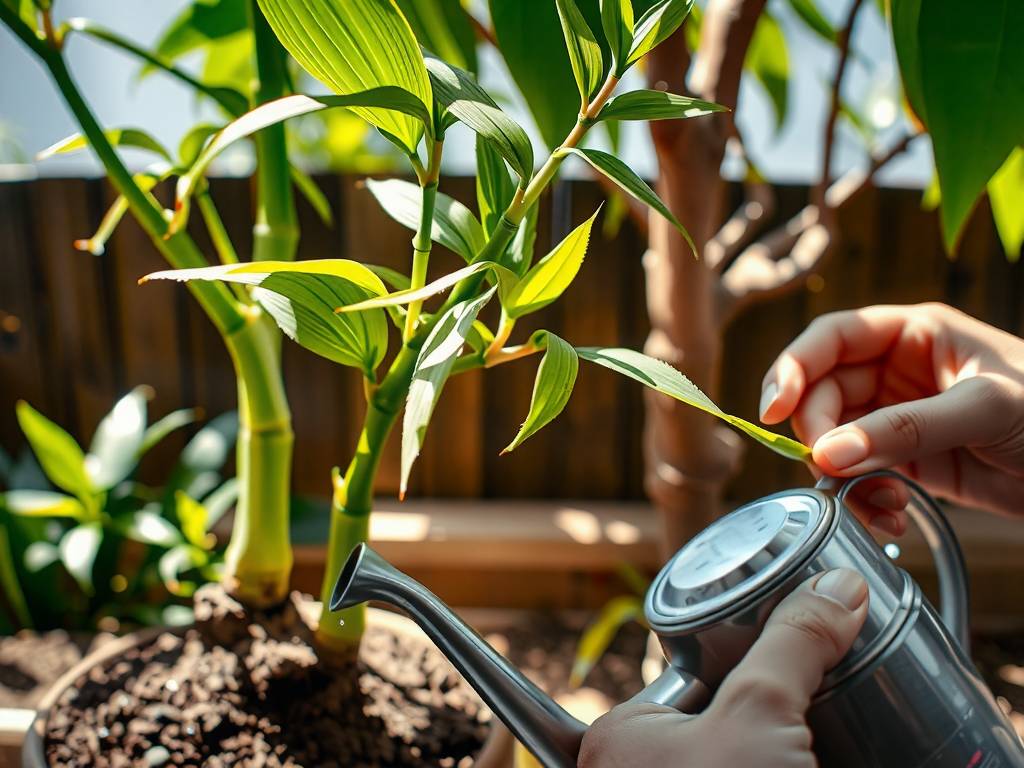
Contrary to popular belief, lucky bamboo (Dracaena sanderiana) isn't actually bamboo but a member of the Dracaena family. The fascinating spiral shapes are created through careful manipulation of light exposure during growth. Professional growers rotate the plants to encourage them to bend toward light sources, creating those sought-after curves. This cultivation process makes understanding proper lighting crucial for maintaining your plant's unique structure.
Ideal Lighting Conditions: Embracing Partial Shade
Partial shade represents the sweet spot for curved lucky bamboo care. These plants thrive in bright, indirect light where they receive filtered sunlight for 4-6 hours daily. Position your plant near an east-facing window or several feet away from a south or west-facing window where sunlight isn't too intense.
Dr. Eleanor Green from the International Houseplant Society confirms: "Lucky bamboo's tolerance for lower light conditions makes it excellent for office and home environments, but the curved varieties particularly need consistent indirect light to maintain their shape without scorching."
Signs of improper lighting include:
- Yellowing leaves: Often indicates too much direct sunlight
- Fading green color: Suggests insufficient light
- Leaning excessively: Shows the plant is straining toward light sources
Mastering Water Requirements for Drought-Tolerant Plants
Despite being drought-tolerant, curved lucky bamboo has specific hydration needs. The plant stores water in its stems, allowing it to withstand occasional forgetfulness with watering. For plants in soil, water thoroughly when the top inch of soil feels dry, typically every 7-10 days. Ensure proper drainage to prevent root rot.
For lucky bamboo grown in water:
- Use filtered or distilled water to avoid chemical damage
- Change water completely every two weeks
- Maintain water level to cover roots by 1-2 inches
- Clean the container during water changes to prevent bacterial growth
Maintaining Curved Green Stems Through Proper Care
Those beautiful curved stems require particular attention to remain healthy and green. Gently wipe the stems with a soft, damp cloth monthly to remove dust, which allows for better light absorption and photosynthesis. Rotate your plant quarterly to ensure even growth while preserving the existing curves.
Nutritional needs are modest - feed with a diluted, balanced liquid fertilizer once every two months during spring and summer. Avoid over-fertilizing, which can cause salt buildup and leaf tip burn.
Troubleshooting Common Issues
Yellow leaves often signal multiple potential issues:
- Water quality: Switch to filtered water if using tap water
- Too much direct light: Move to a shadier location
- Nutrient deficiency or excess: Adjust fertilization schedule
Brown leaf tips typically indicate:
- Low humidity: Mist leaves occasionally or use a humidity tray
- Chemical sensitivity: Change to filtered water immediately
If your plant's curves begin to straighten, this indicates inconsistent lighting. Maintain its position relative to light sources to preserve the spiral formation.
Frequently Asked Questions
Can I straighten my curved lucky bamboo? Attempting to straighten the stems may damage them. The curves are naturally formed during growth and represent the plant's history. Embrace this unique characteristic rather than trying to alter it.
Why are the curves becoming less pronounced? This typically occurs when lighting conditions change significantly. The plant may be adjusting to new light patterns. Maintain consistent positioning, and the curves should stabilize, though new growth may appear straighter.
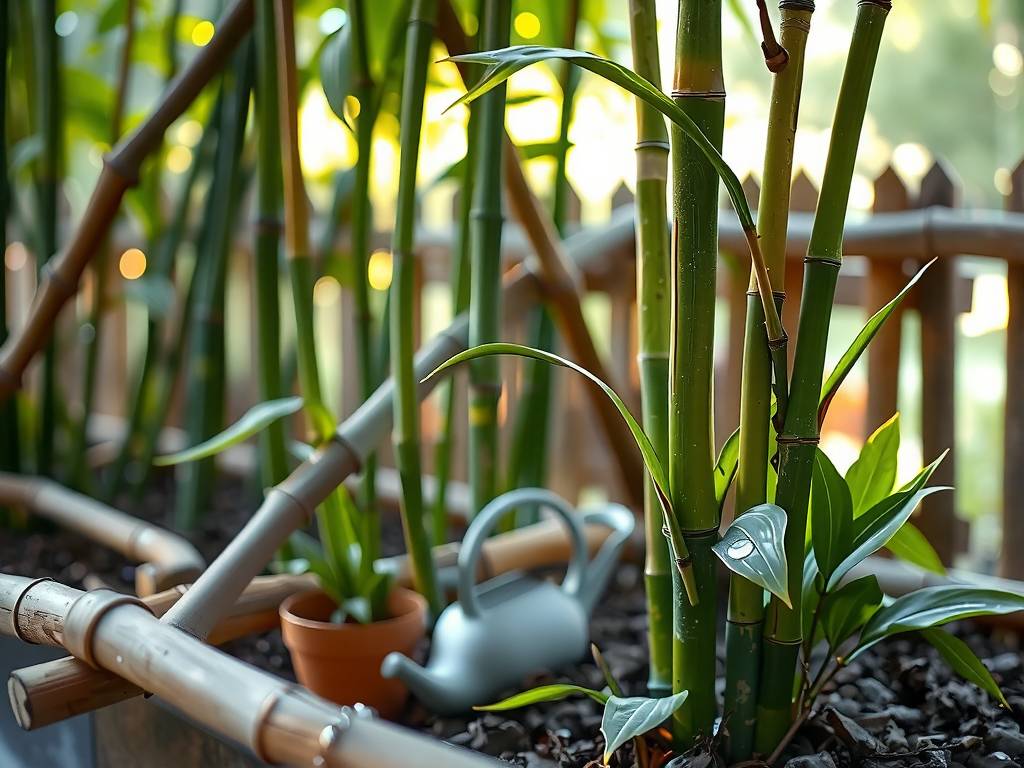
Can I create new curves in my lucky bamboo? Creating new spirals requires professional techniques involving controlled light manipulation over many months. For home growers, it's better to appreciate the existing curves while focusing on overall plant health.
With proper attention to lighting, watering, and occasional cleaning, your curved lucky bamboo can thrive for years. These resilient plants offer lasting beauty with minimal maintenance when their basic needs are met. Remember that consistency matters more than frequent interventions - find the right spot with partial shade, establish a regular watering routine, and your drought-tolerant companion will reward you with enduring curved green stems that bring both aesthetic pleasure and symbolic good fortune to your space.