bluename
 The Complete Guide to Growing Healthy Curly Bamboo Plants
Have you ever brought home a beautiful curly bamboo plant only to watch it struggle despite your best efforts? You're not alone. Many plant enthusiasts find themselves puzzled by the specific needs of these spiral-stemmed beauties. The good news is that curly bamboo is surprisingly low-maintenance once you understand its basic requirements.
Understanding Curly Bamboo: More Than Just Lucky Bamboo
Often confused with traditional lucky bamboo, curly bamboo (Dracaena sanderiana) stands out with its distinctive spiral stems and vibrant green leaves. This popular houseplant has gained widespread popularity due to its unique appearance and reputation for bringing good fortune. Unlike traditional bamboo species, curly bamboo is actually part of the Dracaena family, which explains its adaptability to indoor conditions.
The plant's most striking feature—those mesmerizing spiral stems—isn't natural. Skilled growers carefully manipulate young plants using controlled light exposure to create these artistic forms. Once set in their spiral pattern, the stems maintain this distinctive shape throughout the plant's life.
Ideal Lighting Conditions: Why Partial Shade Works Best
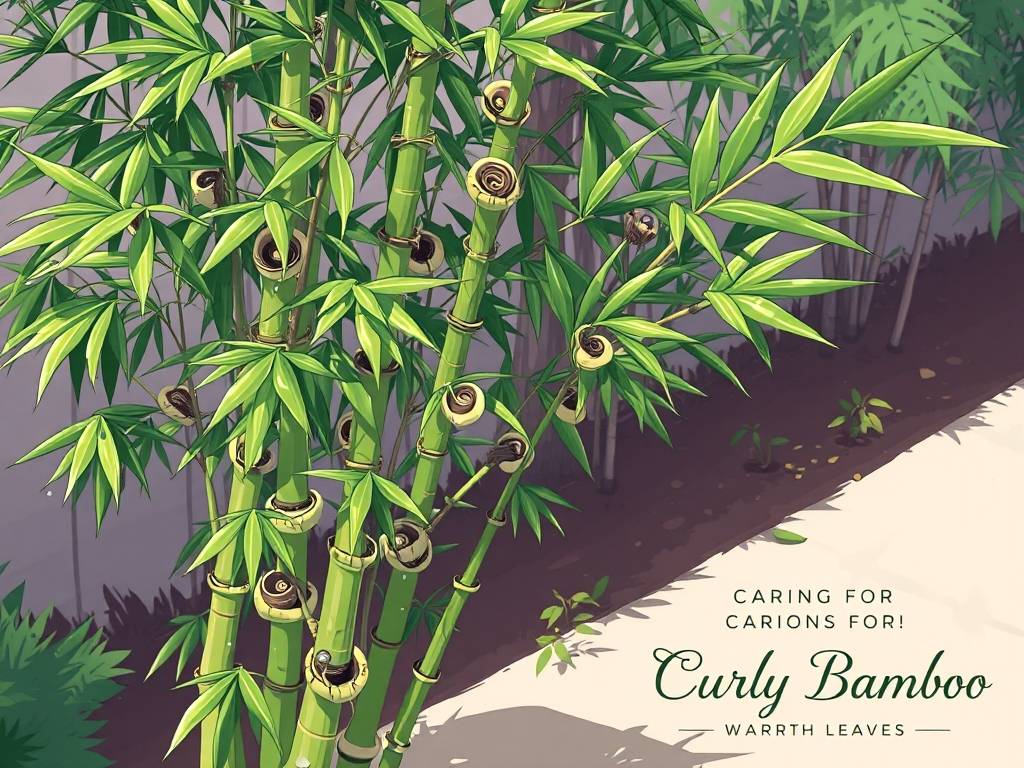
Curly bamboo thrives in partial shade conditions that mimic its natural habitat beneath forest canopies. When we talk about partial shade for your spiral bamboo plant, we're referring to bright, indirect light that never exposes the plant to direct sunlight.
Finding the Perfect Spot
North or east-facing windows typically provide the ideal light conditions for curly bamboo. If you only have south or west-facing windows, place your plant several feet away from the window or use sheer curtains to filter the intense sunlight. Watch your plant's leaves for signals—if they begin to pale or develop brown spots, your plant might be receiving too much direct light. Conversely, if the spirals seem to be stretching or the growth appears leggy, your plant likely needs more light.
Dr. Elena Martinez, a horticulturist specializing in tropical plants, notes: "Many indoor plant problems stem from incorrect lighting. Curly bamboo particularly benefits from consistent, filtered light that prevents leaf scorch while supporting photosynthesis."
Watering Strategies for Drought-Tolerant Plants
One of curly bamboo's most appealing traits is its drought-tolerant nature. This adaptation allows the plant to survive occasional forgetfulness when life gets busy. However, understanding its watering needs is crucial for long-term health.
When and How to Water
For soil-grown curly bamboo, water thoroughly when the top inch of soil feels dry to the touch. Ensure excess water drains completely, as sitting in waterlogged soil can cause root rot. If you're growing your spiral bamboo in water, change the water every two weeks and maintain a level that covers the roots but doesn't submerge the stems.
The drought-tolerant quality of curly bamboo makes it an excellent choice for frequent travelers or those with inconsistent watering schedules. During winter months when growth slows, reduce watering frequency by approximately 50% to match the plant's reduced needs.
Maintaining Those Beautiful Spiral Stems
The spiral stems of curly bamboo are its signature feature, and proper care ensures they remain healthy and visually striking. Unlike straight-growing plants, the curved nature of these stems requires particular attention to growth patterns and support.
Encouraging Healthy Spiral Growth
While you can't change existing spirals, you can influence new growth by periodically rotating your plant to ensure even light exposure. This prevents the plant from leaning toward light sources and maintains the aesthetic appeal of the spiral pattern. Gently wipe the stems with a soft, damp cloth every few weeks to remove dust that can clog pores and hinder growth.
Fostering Vibrant Green Leaves
Those lush green leaves aren't just beautiful—they're indicators of your plant's overall health. Proper nutrition and care keep them vibrant and strong.
Leaf Care Essentials
Maintain the rich green color by providing balanced liquid fertilizer diluted to half strength every two months during the growing season. Wipe leaves monthly with a damp cloth to remove dust, which can block sunlight absorption. Trim any yellowing or damaged leaves at the base to direct energy toward new growth.
Regular misting can benefit your curly bamboo, especially in air-conditioned or heated environments where humidity levels drop. The plant's green leaves appreciate the extra moisture, which mimics their native tropical habitat.

Common Issues and Solutions
Even with proper care, curly bamboo can occasionally encounter problems. Early identification and treatment make all the difference.
Yellowing Leaves
Yellow leaves often indicate overwatering, excessive direct sunlight, or chemical sensitivity. If growing in water, use filtered or distilled water to avoid chlorine damage. For soil plants, check that your container has adequate drainage and adjust your watering schedule.
Brown Leaf Tips
Brown tips typically signal low humidity, chemical buildup from tap water, or overfertilization. Increase humidity through regular misting or a pebble tray, and switch to filtered water if you haven't already.
Pest Management
While generally pest-resistant, curly bamboo can occasionally attract spider mites or mealybugs. Treat infestations promptly with insecticidal soap or neem oil, ensuring to cover both sides of the green leaves.
Propagation Techniques
Expanding your curly bamboo collection or sharing plants with friends is straightforward through propagation.
Stem Cutting Method
Select a healthy stem with several leaf nodes, and make a clean cut just below a node. Place the cutting in water or moist soil, ensuring at least one node is submerged or buried. New roots typically develop within 2-4 weeks, after which you can transplant to a permanent container.
Creative Display Ideas
The unique appearance of curly bamboo with its spiral stems offers numerous decorative possibilities that enhance any space.
Container Options
Curly bamboo works beautifully in various containers, from traditional pots to modern glass vases. For water-grown plants, add decorative stones or marbles to stabilize the roots and enhance visual appeal. Group several spiral bamboo plants together at different heights for a striking display that highlights their distinctive forms.
How often should I fertilize my curly bamboo? During the active growing season (spring and summer), fertilize every two months with a balanced liquid fertilizer diluted to half strength. Avoid fertilizing during winter months when growth naturally slows.
Can curly bamboo grow in low-light conditions? While curly bamboo tolerates lower light better than many plants, it still requires bright, indirect light to thrive. In insufficient light, the spiral stems may become less defined, and the green leaves may lose their vibrant color.
What causes my curly bamboo to develop straight new growth? New growth typically emerges straight before developing the characteristic spiral pattern. If mature stems are producing straight growth, it often indicates insufficient light. Move your plant to a brighter location with indirect light to encourage proper spiral development.
Curly bamboo brings elegance and natural beauty to any indoor space with its distinctive spiral stems and lush green leaves. By providing partial shade conditions and respecting its drought-tolerant nature, you'll enjoy a thriving plant that requires minimal maintenance. Remember that consistency matters more than frequent intervention—proper lighting, appropriate watering, and occasional cleaning will keep your spiral bamboo healthy for years to come. Whether you're a seasoned plant enthusiast or new to indoor gardening, this resilient plant adapts well to various environments while maintaining its unique visual appeal.