bluename
 The Ultimate Guide to Thriving Large Pothos Plants: Shade-Tolerant and Drought-Tolerant Care
You've chosen a large pothos plant, drawn to its beautiful, trailing vines and reputation for being nearly indestructible. Yet, you find yourself wondering why its leaves are yellowing, its impressive vines are looking sparse, or its growth has stalled. Caring for a large pothos differs slightly from a small starter plant. Its size demands more nuanced attention to light, water, and support to maintain its lush, cascading appearance. This comprehensive guide will walk you through every step to ensure your magnificent, large pothos not only survives but thrives.
Understanding Your Large Pothos Plant
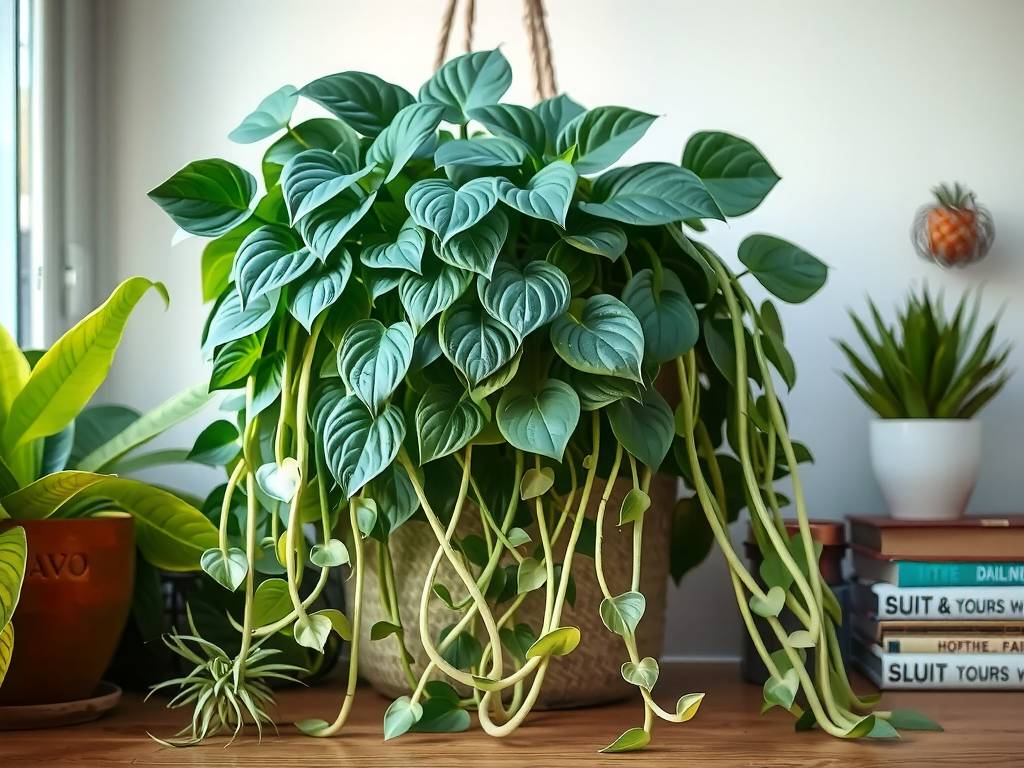
Pothos, scientifically known as Epipremnum aureum, is a champion of adaptability. Its inherent qualities make it a perfect candidate for indoor spaces, especially when you're managing a larger specimen.
As a shade-tolerant plant, pothos can prosper in conditions that would stunt many other houseplants. It efficiently converts low light into energy, making it ideal for north-facing rooms or offices far from windows. Furthermore, its drought-tolerant nature is a lifesaver for forgetful waterers. The plant stores water in its stems, allowing it to withstand periods of dryness. When you cultivate a large pothos, you are essentially growing a robust, mature version of this resilient species, capable of producing long, trailing vines that can dramatically enhance your decor.
Ideal Lighting Conditions for Shade-Tolerant Growth
While pothos is famous for its shade tolerance, "tolerance" should not be confused with "preference." The key to a vibrant, large pothos is providing the right type of light.
Bright, Indirect Light is the Sweet Spot Place your plant near an east or north-facing window where it receives plenty of ambient light without the harsh, direct rays of the sun. Direct sunlight, especially through a south or west window, can scorch the leaves, causing brown, crispy patches. In these spots, use a sheer curtain to filter the light.
Thriving in Low-Light Areas Your large pothos will persist in low-light conditions, but its growth will slow, and the variegation on varieties like 'Marble Queen' may fade, reverting to solid green as the plant maximizes its light absorption. Rotate the plant a quarter turn every time you water to ensure all sides receive even light exposure and prevent lopsided growth.
Perfecting Your Watering Routine for a Drought-Tolerant Plant
The "drought-tolerant" label can be misleading. It means your plant can recover from underwatering better than from overwatering, which is the most common killer of pothos. A large plant has a more extensive root system, so its watering needs are specific.
The Golden Rule: When to Water The top method is the finger test. Insert your finger about two inches into the soil. If it feels dry, it's time to water. For a large pothos in a big pot, this is more reliable than a schedule. The pot will feel noticeably lighter when dry. As noted by horticulturists at the Royal Horticultural Society, "Overwatering suffocates roots, leading to root rot. It's always better to err on the side of too dry than too wet."
How to Water Thoroughly When you water, do so deeply. Pour water evenly over the soil until it begins to run out of the drainage holes. This ensures the entire root ball is hydrated. Never let your plant sit in a saucer of standing water, as this will keep the soil soggy.
Choosing the Right Soil and Pot
The foundation of a healthy plant lies beneath the surface. The right soil mix and pot are critical for preventing root rot in your large pothos.
Well-Draining Soil is Non-Negotiable Use a high-quality, well-aerated potting mix. A standard houseplant soil amended with perlite or orchid bark is perfect. This creates air pockets, allowing water to drain quickly and oxygen to reach the roots.
Selecting an Appropriate Pot Always choose a pot with drainage holes. For a large pothos, a heavy pot (like ceramic or terracotta) can provide stability and prevent it from tipping over under the weight of its long vines. Terracotta also wicks away excess moisture from the soil. Repot your pothos every 1-2 years, or when you see roots circling the surface or growing out of the drainage holes.
Supporting and Pruning Long Trailing Vines
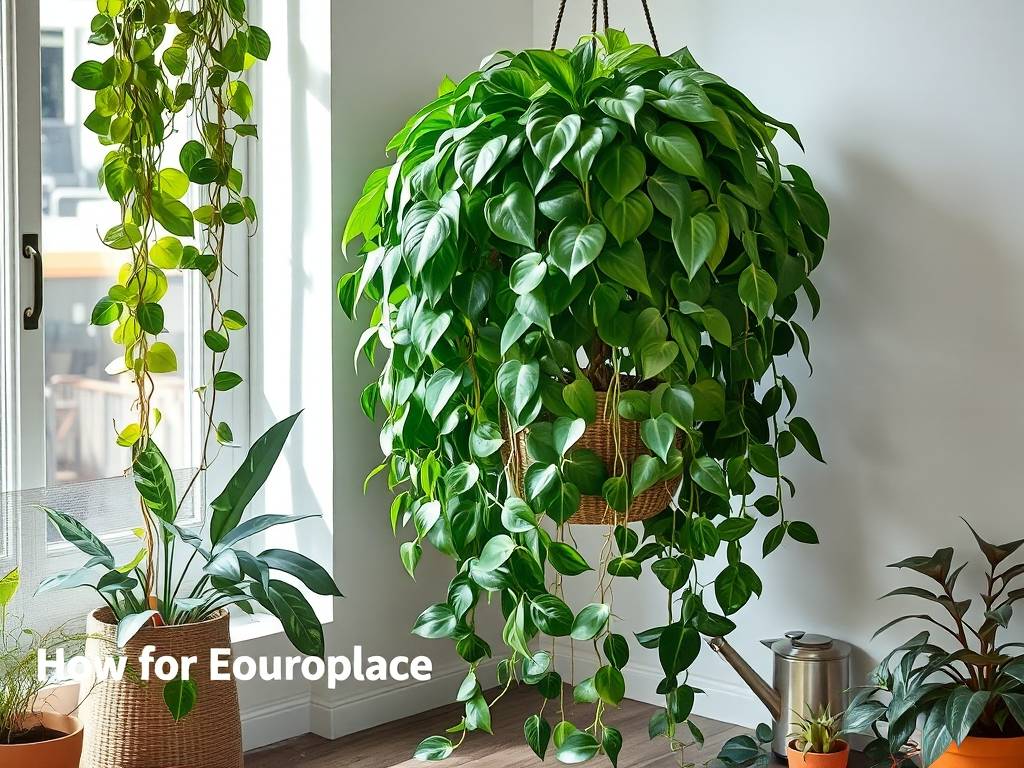
A large pothos is prized for its long, trailing vines. Proper management of these vines keeps the plant looking full and healthy.
Encouraging Bushier Growth If your plant is getting leggy (long stretches of stem with few leaves), don't be afraid to prune. Use clean, sharp scissors to cut just above a leaf node (the bump on the stem where a leaf grows). This signals the plant to send out new growth points, resulting in a bushier, more compact plant.
Managing the Trailing Stems You have several options for handling the long vines:
- Let Them Trail: Allow the vines to cascade elegantly from a high shelf or hanging basket.
- Train Them Upward: Use command hooks along a wall or a moss pole in the pot to guide the vines upward. This can create a beautiful, vertical green wall.
- Propagate the Cuttings: You can trim long vines and propagate the cuttings in water or soil. Once rooted, you can plant them back into the same pot to create a denser, fuller-looking large pothos plant.
Fertilizing for Optimal Health
While not heavy feeders, large pothos plants benefit from occasional feeding during their active growing season (spring and summer).
Use a balanced, water-soluble houseplant fertilizer diluted to half the recommended strength. Apply this once a month from spring to early fall. Refrain from fertilizing in the winter when plant growth naturally slows.
Troubleshooting Common Issues
Even the hardiest plants can have problems. Here’s how to diagnose your large pothos.
- Yellow Leaves: Typically a sign of overwatering. Check the soil and adjust your watering habits.
- Brown Leaf Tips: Usually caused by underwatering or low humidity. Increase watering frequency or mist the leaves occasionally.
- Pests: Watch for mealybugs or spider mites. Wipe leaves with a neem oil solution or insecticidal soap.
Frequently Asked Questions
Can my large pothos survive in a windowless bathroom? Yes, it can survive for a period due to its shade tolerance, but it will not thrive long-term. Without any natural light, its growth will be extremely slow, and its health will eventually decline. For a windowless room, consider supplementing with a grow light to provide the necessary energy.
How long can my drought-tolerant pothos go without water? This depends on factors like pot size, light, and temperature. A large pothos in a cool, low-light spot might last 3-4 weeks in winter. During warm, bright summers, it may need water every 1-2 weeks. Always use the soil moisture test rather than a calendar.
Why are the vines on my large pothos not producing leaves? This condition, known as "leggy" growth, is almost always due to insufficient light. The plant stretches to find a light source. Move it to a brighter location with indirect light and prune back the leafless vines to encourage new, leafy growth from the base.
Caring for a large pothos is a rewarding experience that hinges on understanding its core strengths. By leveraging its shade-tolerant and drought-tolerant nature while providing thoughtful support for its long, trailing vines, you can cultivate a stunning, low-maintenance centerpiece for your home. Remember to monitor light and water closely, don't hesitate to prune for fullness, and your magnificent pothos will continue to grow and trail for years to come.