bluename
 How to Care for Variegated English Ivy: A Complete Guide to Thriving Variegated Climbing Leaves
Are you struggling to keep your variegated English ivy looking vibrant? Do those beautiful cream-and-green leaves keep turning brown or losing their variegation? You're not alone. Many plant enthusiasts find this stunning climber challenging despite its reputation as a low-maintenance plant. The secret lies in understanding its unique needs - particularly its preference for partial shade and surprising drought tolerance.
Understanding Your Variegated English Ivy
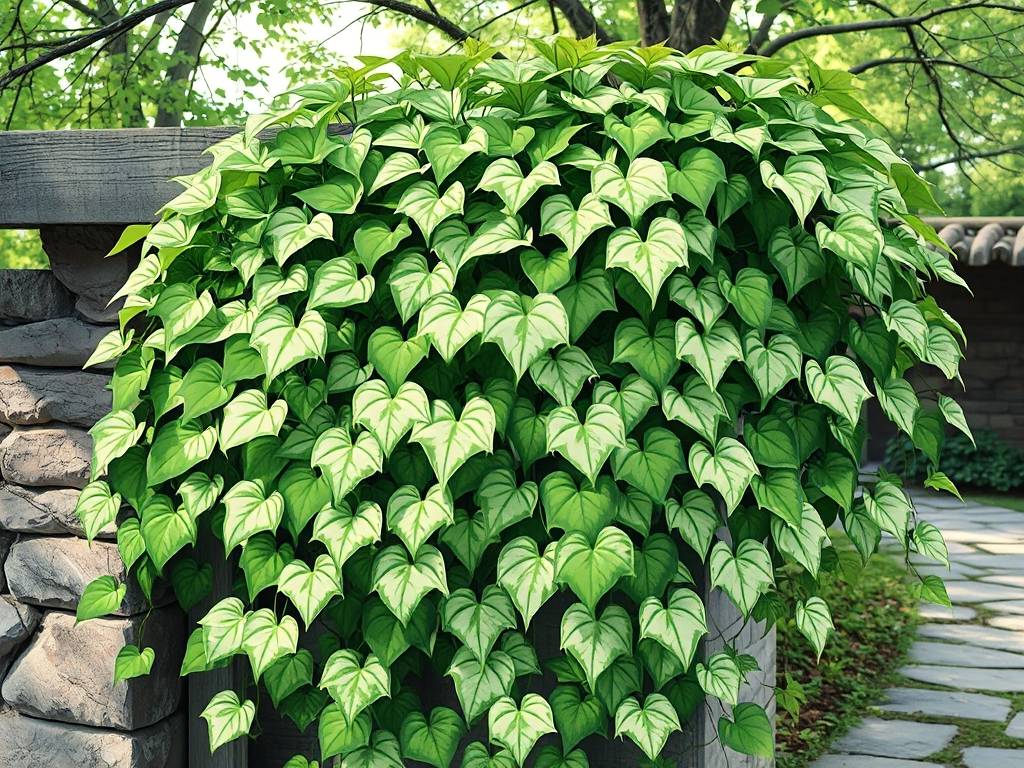
Variegated English ivy (Hedera helix variegata) differs significantly from its solid-green counterpart. The beautiful white or cream markings that make it so visually appealing contain less chlorophyll, which affects how the plant produces energy. This characteristic means your care approach must adapt to support its unique biological needs.
These plants naturally climb trees and structures in their native habitats, using aerial roots to anchor themselves. When grown indoors, they appreciate having something to climb or will gracefully trail from hanging baskets. Their climbing nature makes them excellent for covering walls, trellises, or bookshelves.
Ideal Lighting Conditions: Why Partial Shade Works Best
Finding the right light exposure proves crucial for maintaining both the health and beautiful coloration of your variegated ivy. The balance between enough light for photosynthesis and protection from intense sunlight that can damage the pale sections of leaves requires careful consideration.
Place your plant in bright, indirect light where it receives filtered sunlight for most of the day. An east-facing window often provides ideal conditions, offering gentle morning sun followed by indirect light throughout the remainder of the day. North-facing windows also work well in most climates.
If you notice the white variegation turning brown, your plant likely receives too much direct sunlight. The delicate pale sections contain less protective pigment and burn easily. Conversely, if your ivy reverts to mostly green leaves, it's not getting enough light and is producing more chlorophyll to compensate.
Watering Guidelines for Drought-Tolerant Ivy
Despite its reputation for drought tolerance, variegated English ivy benefits from consistent moisture when grown indoors. The key lies in understanding what "drought-tolerant" truly means for this plant.
Allow the top inch of soil to dry out completely between waterings. When you do water, do so thoroughly until water runs through the drainage holes, then empty the saucer beneath to prevent root rot. During winter months when growth slows, reduce watering frequency significantly.
Signs of overwatering include yellowing leaves, particularly the green sections, and soft, mushy stems. Underwatered ivy will develop crispy brown edges, starting with the white variegated portions. The plant's drought tolerance means it will survive occasional forgetfulness, but consistent proper watering maintains optimal health.
Soil and Potting Requirements
Variegated English ivy thrives in well-draining potting mix that retains some moisture without becoming waterlogged. A standard houseplant potting soil mixed with perlite or coarse sand provides excellent drainage while maintaining adequate moisture retention.
Repot your ivy every 1-2 years or when roots begin circling the bottom of the pot. Choose a container only slightly larger than the root ball, as too much soil retains excess moisture that can lead to root issues. Terracotta pots work particularly well as their porous nature helps soil dry more evenly.
When repotting, gently loosen the root ball and remove any dead or rotting roots. Place the plant at the same depth it was growing previously and water thoroughly after repotting to help settle the soil around the roots.
Fertilizing for Optimal Growth
Feed your variegated English ivy with a balanced, water-soluble fertilizer diluted to half strength every 4-6 weeks during the growing season (spring through early fall). Avoid fertilizing during winter months when growth naturally slows.
Over-fertilization can cause several issues, including brown leaf tips, sudden leaf drop, or excessive leggy growth. If you notice a white crust forming on the soil surface, this may indicate salt buildup from fertilizers, which requires flushing the soil with water.
For organic alternatives, worm castings or compost tea provide gentle nutrition that's less likely to cause fertilizer burn while supporting long-term soil health.
Temperature and Humidity Preferences
Variegated English ivy prefers moderate temperatures between 50-70°F (10-21°C). It can tolerate brief periods outside this range but may suffer in extreme heat or cold. Avoid placing your plant near heating vents, air conditioning units, or drafty windows.
Average household humidity typically suffices, but these plants appreciate occasional misting or placement on a pebble tray with water, especially during winter when indoor air tends to be drier. Brown leaf tips often indicate insufficient humidity.
Training and Supporting Climbing Growth
The climbing nature of variegated English ivy makes it wonderfully versatile for interior design. Provide a moss pole, trellis, or other support structure if you want it to climb vertically. Alternatively, allow it to trail gracefully from shelves or hanging planters.
To encourage bushier growth, regularly pinch back the growing tips. This practice stimulates lateral branching, creating a fuller plant rather than long, sparse vines. Use clean, sharp scissors or pruning shears to avoid damaging the stems.
Common Problems and Solutions
Yellow leaves often indicate overwatering or poor drainage. Check your watering schedule and ensure the pot has adequate drainage holes. Brown, crispy leaves typically result from underwatering, low humidity, or too much direct sun.
Pest infestations occasionally occur, with spider mites being the most common issue. These tiny pests thrive in dry conditions, so maintaining adequate humidity helps prevent them. If infestation occurs, treat with insecticidal soap or neem oil, ensuring to cover both sides of the leaves.
Leaf drop can result from several factors, including sudden temperature changes, repotting stress, or significant changes in light conditions. Unless accompanied by other symptoms, this often resolves as the plant adjusts to its environment.
Propagating Your Variegated Ivy
Creating new plants from your existing ivy proves surprisingly simple. Take 4-6 inch stem cuttings just below a leaf node, remove the lower leaves, and place in water or moist potting mix. Roots typically develop within 2-3 weeks.
For water propagation, change the water weekly to prevent bacterial growth. Once roots reach 1-2 inches long, transfer to soil, keeping it consistently moist for the first few weeks as the plant adjusts to soil conditions.
Seasonal Care Considerations
Adjust your care routine with the changing seasons. During spring and summer, your ivy enters its active growth phase, requiring more frequent watering and regular fertilization. In fall and winter, reduce both watering and feeding as growth slows.
Rotate your plant quarterly to ensure even light exposure, preventing one-sided growth. Wipe leaves with a damp cloth occasionally to remove dust, which can interfere with photosynthesis, particularly important for the already chlorophyll-limited variegated sections.
Can variegated English ivy purify air? Yes, like many houseplants, variegated English ivy helps remove certain airborne toxins. NASA's Clean Air Study noted English ivy as particularly effective at removing benzene, formaldehyde, and trichloroethylene. The variegated variety offers these same benefits while adding visual interest to your space.
Why are the leaves on my variegated ivy turning completely green? This typically indicates insufficient light. The plant produces more green pigment to maximize photosynthesis in low-light conditions. Move your plant to a brighter location (without direct sun) to restore the variegation. New growth should show the proper coloration.
Is variegated English ivy pet-friendly? No, unfortunately. Like all English ivy varieties, variegated English ivy is toxic to cats and dogs if ingested. The plant contains compounds that can cause vomiting, abdominal pain, hypersalivation, and diarrhea. Keep it well out of reach of curious pets.
With proper attention to lighting, watering, and occasional feeding, your variegated English ivy will reward you with vigorous growth and stunning foliage. Remember that the pale sections need protection from intense sunlight, while the entire plant benefits from consistent but not excessive moisture. This versatile climber adapts well to various living situations, bringing natural beauty to your home for years to come.