bluename
 How to Care for Variegated Star Jasmine: A Complete Guide for Fragrant Blooms
Are you struggling to keep your variegated star jasmine thriving while preserving its stunning leaf patterns and fragrant flowers? Many gardeners find themselves puzzled by this plant's specific light requirements and variegation maintenance. With its cream-and-green foliage and intoxicating scent, this versatile climber deserves proper care to flourish.
Understanding Variegated Star Jasmine's Unique Needs
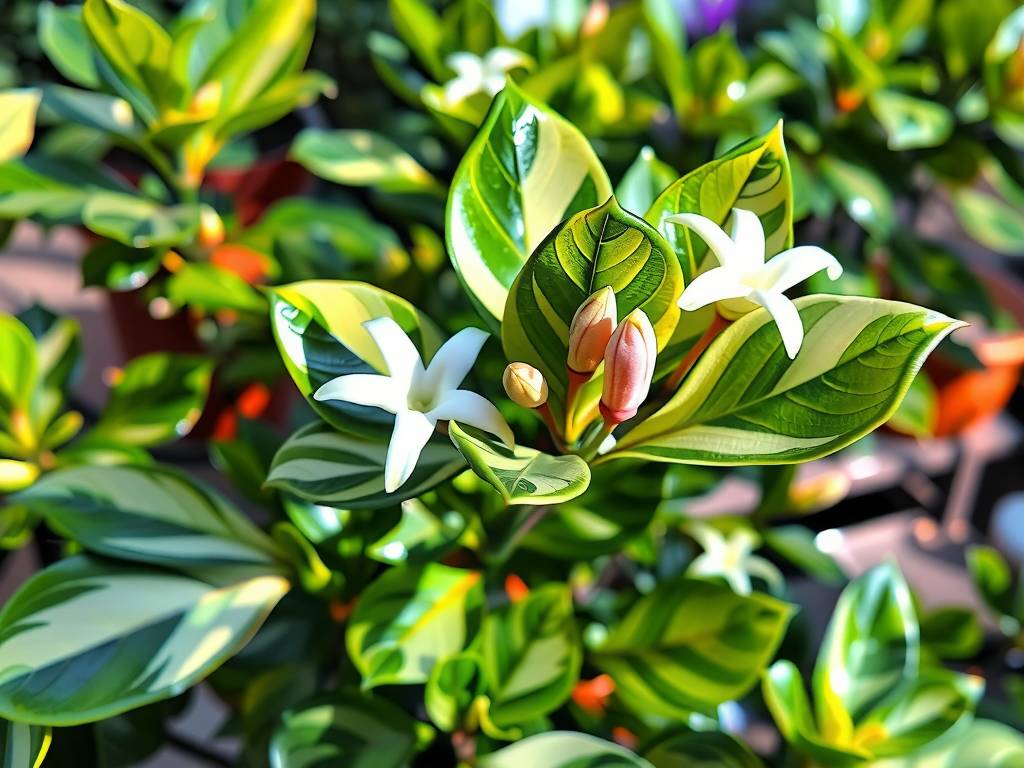
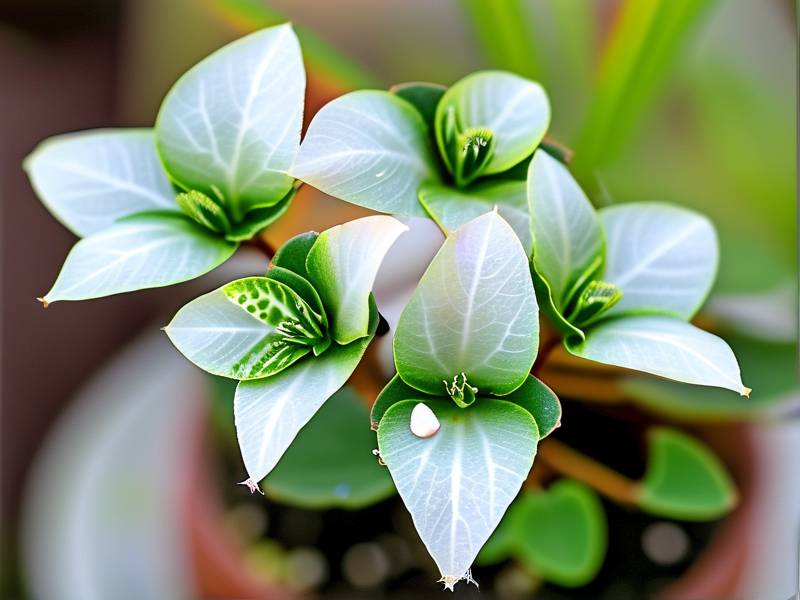
Unlike its solid-green counterpart, variegated star jasmine (Trachelospermum jasminoides 'Variegatum') requires more precise growing conditions. The beautiful white-edged leaves contain less chlorophyll, making the plant slightly more delicate while adding extraordinary visual interest to any garden space.
Expert horticulturist Dr. Maria Gonzalez notes: "The variegation in star jasmine isn't just cosmetic—it significantly impacts the plant's photosynthesis capabilities. Gardeners must adjust their care approach accordingly to maintain both the striking appearance and overall plant health."
Optimal Light Conditions for Healthy Growth
Balancing Partial Shade and Light Requirements
Variegated star jasmine thrives in partial shade conditions where it receives 4-6 hours of morning sunlight followed by afternoon protection. This balanced approach prevents leaf scorch while providing sufficient light for flower production. The dappled sunlight beneath trees or an east-facing location often creates the ideal environment.
Monitor your plant's response to its current position. Yellowing leaves may indicate too much direct sun, while reduced variegation and sparse flowering often signal insufficient light.
Seasonal Light Adjustments
During intense summer months, provide additional shade protection, especially in hotter climates. In winter, when the sun is less intense, your plant can tolerate more direct exposure. This seasonal awareness helps maintain the delicate balance between preserving variegation and encouraging growth.
Essential Growing Practices for Vibrant Foliage
Soil and Watering Requirements
Plant your variegated star jasmine in well-draining soil enriched with organic matter. Consistent moisture is crucial, but avoid waterlogged conditions that can lead to root rot. During active growth periods, water deeply when the top inch of soil feels dry.
The variegated leaves make this variety slightly more drought-sensitive than all-green types. Mulching around the base helps retain soil moisture and regulate temperature.
Fertilization Strategy
Feed with a balanced, slow-release fertilizer in early spring as new growth emerges. Avoid high-nitrogen formulas that might encourage excessive green foliage at the expense of the variegated patterns. A second application in midsummer can support continued growth and flowering.
Encouraging Fragrant Flower Production
Bloom Boosting Techniques
Adequate light exposure directly impacts flower production. While variegated star jasmine needs protection from intense sun, insufficient light will reduce blooming. The sweetly scented white flowers appear in late spring to early summer, with sporadic blooming possible throughout warm months.
Proper pruning after the main flowering period encourages bushier growth and more bloom sites for the following season. Remove any overly vigorous green shoots to maintain the variegated characteristics.
Training and Support Methods
This versatile plant can climb trellises, cascade over walls, or serve as ground cover. Provide sturdy support for climbing varieties and gently tie stems to guide their direction. Regular light pruning maintains shape and improves air circulation around the scented flowers.
Maintaining Variegated Leaf Patterns
Preserving the Distinctive Foliage
The beautiful variegated leaves require special attention to maintain their color contrast. When you notice shoots reverting to solid green, prune them back to the point where variegation resumes. These all-green growth sections are more vigorous and can eventually dominate the plant if left unchecked.
Seasonal Protection Strategies
In colder regions (below USDA zone 8), provide winter protection through container growing or sheltered placements. Variegated varieties are often slightly less cold-hardy than standard star jasmine. Bring potted specimens indoors or provide frost protection when temperatures drop significantly.
Troubleshooting Common Issues
Pest Management
Watch for common pests like scale, aphids, and spider mites, particularly on stressed plants. Regular inspection and prompt treatment with horticultural oil or insecticidal soap keeps infestations manageable. Healthy plants growing in optimal conditions naturally resist pests more effectively.
Disease Prevention
Proper spacing and air circulation prevent most fungal issues. Avoid overhead watering that leaves moisture on the variegated leaves, as this can encourage leaf spots. Well-draining soil remains the best defense against root diseases.
Frequently Asked Questions
Why are the leaves on my variegated star jasmine turning brown? Brown leaf edges often indicate too much direct sunlight or insufficient water. Scorched leaves typically show uniform browning on the exposed sides, while underwatering creates crispy brown patches. Adjust placement and watering practices accordingly.
How often should I fertilize my variegated star jasmine? Apply a balanced, slow-release fertilizer in early spring and optionally in midsummer. Container plants may benefit from more frequent, diluted applications during active growth periods. Always water thoroughly after fertilizing.
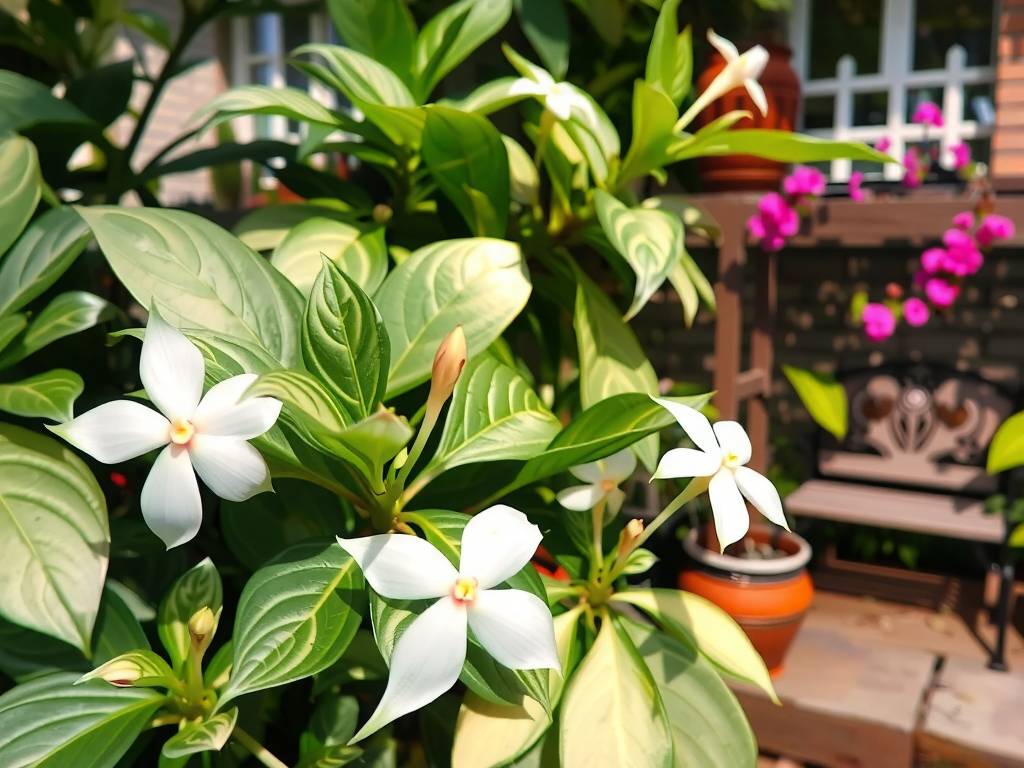
Can variegated star jasmine grow in full shade? While it survives in full shade, the plant will likely produce fewer flowers and may lose some variegation intensity. The leaves might revert to more green, and growth could become leggy as the plant stretches for light. Partial shade with morning sun delivers the best results.
With proper attention to light balance, consistent moisture, and seasonal care, your variegated star jasmine will reward you with stunning foliage and fragrant blooms season after season. The key lies in understanding that the beautiful variegation requires slight adjustments to standard jasmine care while maintaining all the wonderful characteristics that make this plant so desirable for gardens and containers alike.