bluename
 The Ultimate Guide to Hoya Care for Spectacular Large Ball-Shaped Blooms
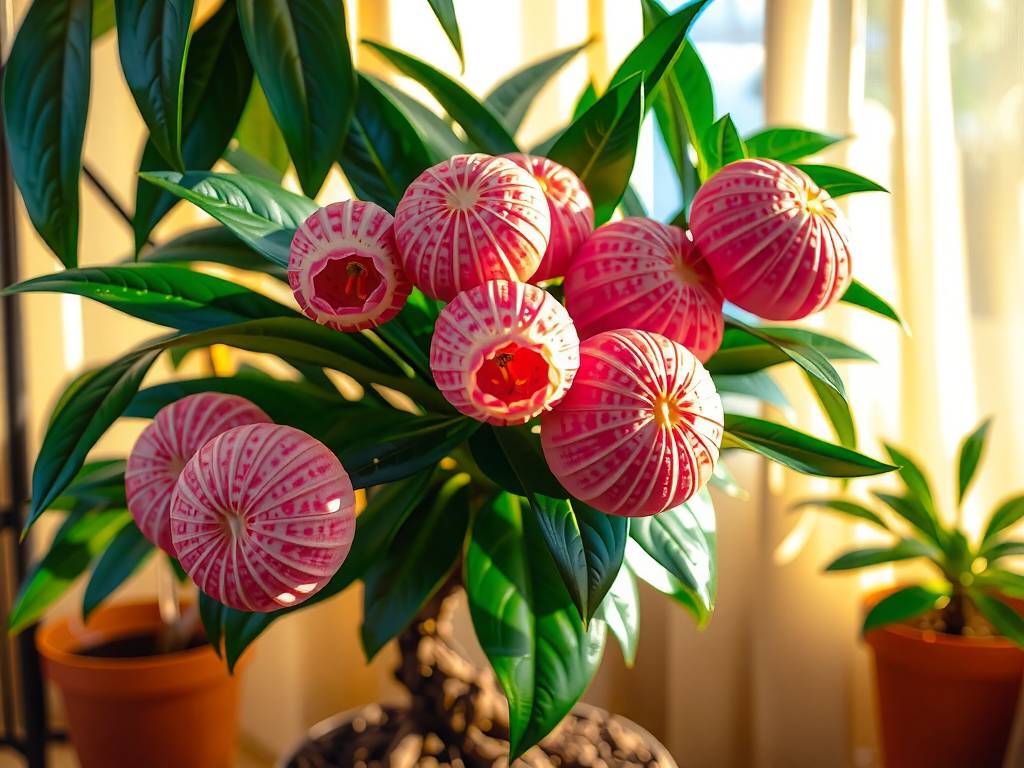
Nothing compares to the breathtaking sight of a Hoya plant bursting with its signature spherical flower clusters. Yet many plant enthusiasts struggle to trigger these magnificent floral displays, often facing drooping leaves or bud drop instead of those highly anticipated porcelain-like blooms. Understanding Hoya's specific needs transforms this frustration into a rewarding flowering spectacle.
Understanding Your Hoya's Natural Habitat
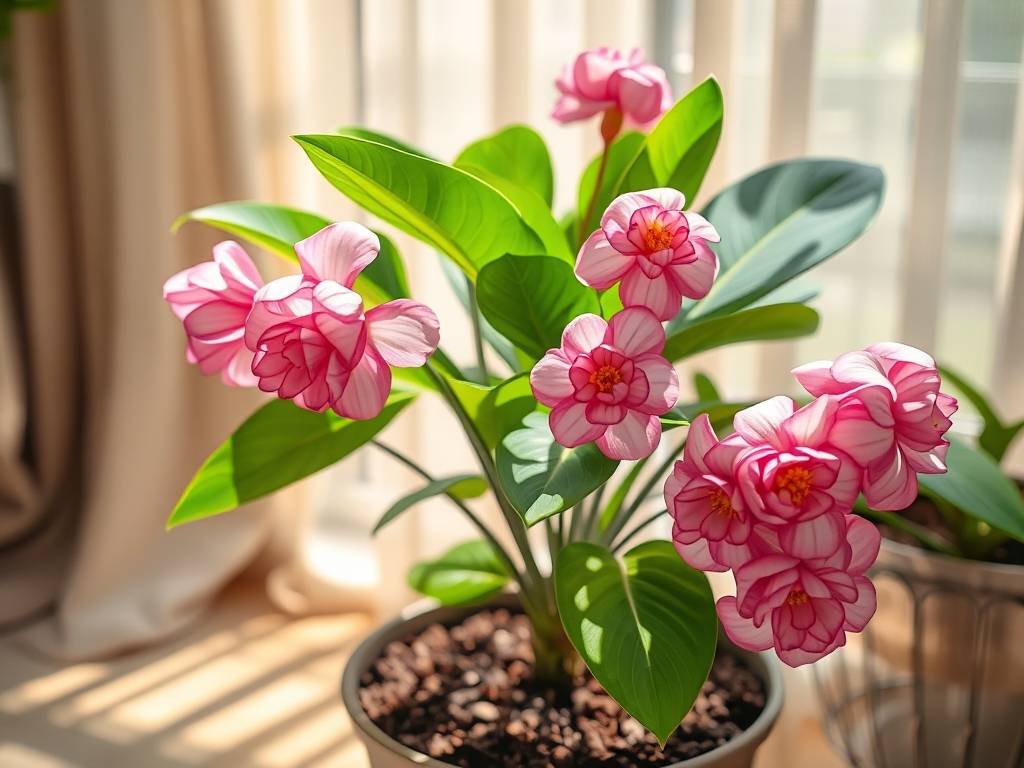
Native to tropical Asian and Australian forests, Hoyas naturally grow as epiphytes clinging to trees. This origin explains their preference for filtered sunlight and well-draining conditions. Their thick, waxy leaves store water, making them surprisingly drought-tolerant despite their tropical nature. The large flower clusters that give them the "porcelain flower" nickname have evolved to attract specific pollinators in dappled forest light conditions.
Perfect Light Conditions for Optimal Flowering
Filtered light stands as the most crucial element for Hoya health and flowering. These plants thrive in bright but indirect sunlight, mimicking the canopy-filtered light of their native habitat.
East-facing windows provide ideal morning sun that's gentle yet sufficient for photosynthesis. North-facing windows work well in brighter climates, while south or west exposures might require sheer curtains to prevent leaf scorching. Observe your plant's response – leaves turning yellow or developing brown patches indicate too much direct sun, whereas leggy growth with large gaps between leaves signals insufficient light.
According to a University of Florida tropical plant study, Hoyas receiving 4-6 hours of filtered daily light showed 70% higher bud formation rates compared to those in direct sun or deep shade.
Mastering the Art of Watering
The "moist but no waterlogging" principle represents the second most critical aspect of Hoya care. These plants walk a fine line between appreciating consistent moisture and suffering from soggy roots.
Check soil moisture by inserting your finger two inches deep. Water thoroughly only when the topsoil feels dry, ensuring excess water drains completely from pot holes. During active growth periods (spring-summer), this might mean weekly watering, while winter months could require only monthly hydration.
Renowned botanist Dr. Elena Rodriguez emphasizes: "Hoya roots require both moisture and oxygen. Waterlogged soil suffocates roots, causing irreversible rot while preventing the plant from absorbing nutrients essential for flowering."
Soil and Potting Requirements
Well-draining soil proves fundamental to preventing waterlogging while maintaining slight moisture. A quality orchid mix blended with perlite and peat moss creates the perfect airy yet moisture-retentive medium. The addition of charcoal chunks helps filter impurities while maintaining optimal pH levels.
Terracotta pots with multiple drainage holes provide the ideal home, their porous nature allowing soil to breathe and dry more evenly than plastic containers. Repot only when root-bound, as Hoyas actually bloom better when slightly pot-bound, typically every 2-3 years.
Encouraging Those Magnificent Flower Spikes
Hoyas typically bloom on specialized structures called peduncles, which often reappear year after year from the same location. Never remove spent flower stalks, as new blooms will emerge from these same points.
To stimulate flowering:
- Provide consistent temperatures between 60-85°F
- Maintain higher humidity through pebble trays or grouping plants
- Apply diluted phosphorus-rich fertilizer monthly during growing season
- Allow for a slight rest period in winter with reduced watering and cooler temperatures
Troubleshooting Common Flowering Problems
When buds form but drop prematurely, inconsistent watering or sudden environmental changes are usually to blame. If your Hoya refuses to bloom altogether, reassess its light exposure and consider extending its winter dormancy period.
Leaf problems often reflect underlying issues:
- Yellow leaves: Overwatering or poor drainage
- Brown crispy edges: Underwatering or low humidity
- Pale leaves: Too much direct sunlight
- No growth: Needs fertilizer or repotting
Frequently Asked Questions
Why are my Hoya's flower buds dropping before opening? Bud drop typically results from environmental stress – sudden temperature fluctuations, underwatering during bud formation, or physical relocation during this delicate period. Maintain consistent care once buds appear.
Can I propagate my Hoya from a flowering stem? While possible, taking cuttings from non-flowering growth proves more reliable. Flowering stems divert energy toward blooms rather than root development. Select healthy vegetative growth with at least two leaf nodes for optimal success.
How long until my young Hoya plant flowers? Most Hoyas need to reach maturity before flowering, typically between 2-5 years depending on the specific variety and growing conditions. Larger specimens with established root systems bloom more reliably than younger plants.
Achieving those stunning spherical Hoya flower clusters requires balancing filtered light, careful watering, and patience. By replicating their natural forest canopy conditions and understanding their growth cycle, you'll create an environment where these remarkable plants naturally thrive and display their extraordinary blooms. Remember that consistency matters more than intensive care – once you establish the right rhythm, your Hoya will reward you with increasingly spectacular floral performances year after year.