bluename
 How to Care for Epiphyllum: A Guide to Growing Large White Night-Blooming Flowers
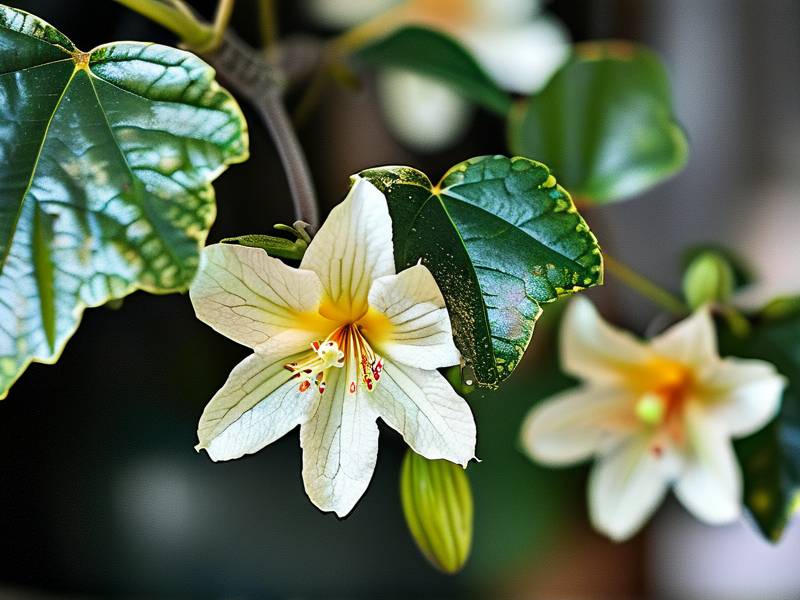
There’s something magical about watching an epiphyllum, also known as the "queen of the night," unfurl its large, fragrant white flowers under the moonlight. Yet, many gardeners struggle to replicate the stunning blooms they’ve seen in photos or heard about from fellow plant lovers. Whether it’s leggy growth, lack of flowers, or concerns about watering, nurturing this drought-tolerant, shade-preferring plant can feel like a mystery. But with the right care, your epiphyllum can thrive and reward you with its spectacular night-blooming display.
In this guide, we’ll explore everything you need to know about epiphyllum care, from light and watering to troubleshooting common issues. Let’s dive in.
Understanding Epiphyllum: The Night-Blooming Wonder
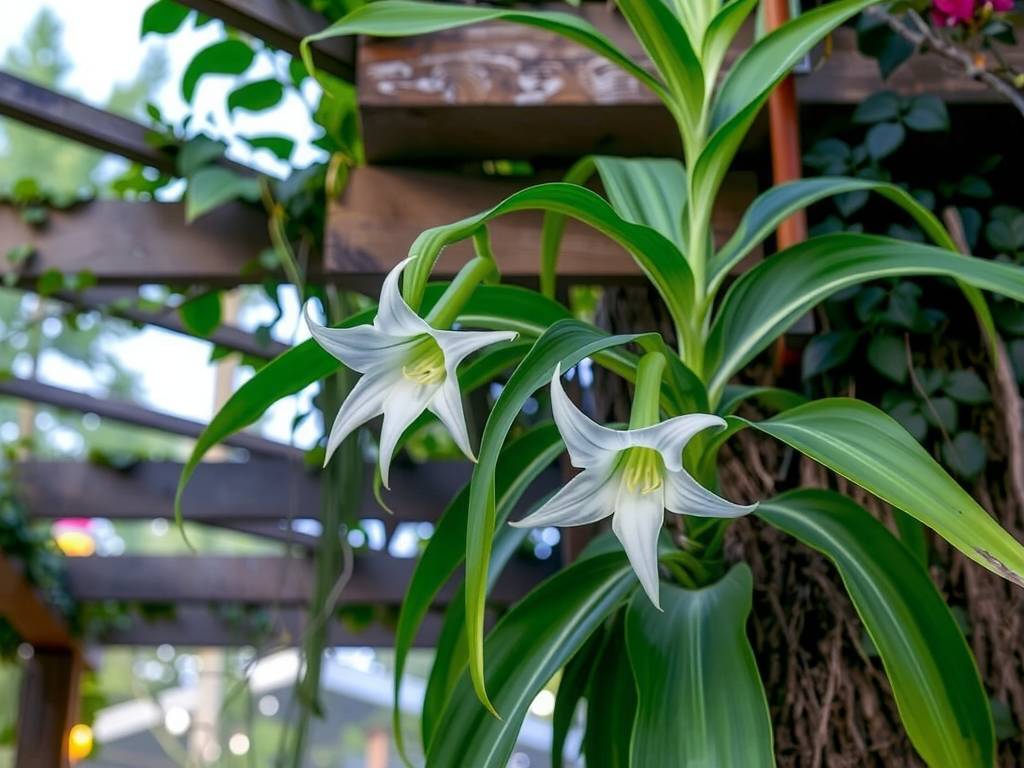
Epiphyllums, often called orchid cacti, are epiphytic plants native to tropical forests. They grow on trees rather than in soil, which explains their preference for partial shade and well-draining conditions. Their large white night-blooming flowers are not only breathtaking but also short-lived, often lasting just one night. This unique trait makes proper care essential to ensure your plant flowers to its full potential.
Light Requirements: Why Partial Shade Is Key
Epiphyllums thrive in bright, indirect light or partial shade. In their natural habitat, they’re sheltered by tree canopies, which filter direct sunlight. Too much sun can scorch their leaves, while too little light may prevent blooming.
- Ideal Placement: Place your epiphyllum near an east or north-facing window where it receives gentle morning light or dappled shade.
- Outdoor Growing: If kept outdoors, ensure it’s positioned under a tree or shade cloth to mimic its native environment.
According to horticultural experts, providing the right light conditions is one of the most critical steps to encourage those stunning large white night-blooming flowers.
Watering Practices for Drought-Tolerant Epiphyllums
While epiphyllums are drought-tolerant, they still need consistent moisture during their growing season (spring and summer). Overwatering is a common mistake that can lead to root rot, while underwatering may stunt growth.
- Growing Season: Water thoroughly when the top inch of soil feels dry. Ensure excess water drains away completely.
- Dormant Period: Reduce watering in fall and winter, allowing the soil to dry out more between waterings.
This balanced approach supports healthy roots and prepares the plant for its spectacular flowering phase.
Soil and Potting Mix for Healthy Growth
Epiphyllums require a well-draining potting mix to prevent waterlogged roots. A blend designed for orchids or cacti works well, or you can create your own mix using:
- 50% potting soil
- 25% perlite or pumice
- 25% orchid bark or coconut coir
Repot your epiphyllum every 2-3 years to refresh the soil and provide room for growth.
Fertilizing to Boost Flower Production
Feeding your epiphyllum encourages vigorous growth and flower development. Use a balanced, water-soluble fertilizer diluted to half strength.
- Spring and Summer: Apply fertilizer every 4-6 weeks.
- Fall and Winter: Suspend fertilizing as the plant enters dormancy.
For an extra boost, consider a phosphorus-rich fertilizer to promote large white night-blooming flowers.
Temperature and Humidity Preferences
Epiphyllums prefer moderate temperatures and humidity levels, similar to their tropical origins.
- Temperature: Keep them in a range of 50-85°F (10-29°C). Protect them from frost, as cold damage can be irreversible.
- Humidity: Aim for 40-60% humidity. Mist the leaves occasionally or use a humidity tray if your home is dry.
Pruning and Maintenance Tips
Regular pruning helps maintain shape and encourages new growth, which often leads to more flowers.
- Remove dead or damaged stems with clean, sharp scissors.
- Trim leggy growth to promote a bushier appearance.
Encouraging Epiphyllum to Bloom
If your epiphyllum isn’t flowering, consider these tips:
- Light Adjustment: Ensure it’s receiving enough indirect light.
- Stress Trigger: Slightly reduce watering in late winter to simulate a dry season, which can stimulate blooming.
- Patience: Mature plants are more likely to bloom, so give yours time to establish.
Common Pests and Problems
Epiphyllums are generally pest-resistant but can occasionally attract mealybugs or spider mites. Treat infestations with neem oil or insecticidal soap. Yellowing leaves often signal overwatering, while brown tips may indicate low humidity.
Frequently Asked Questions
How often should I water my epiphyllum? Water when the top inch of soil is dry during the growing season, and reduce frequency in winter. Always ensure proper drainage to avoid root rot.
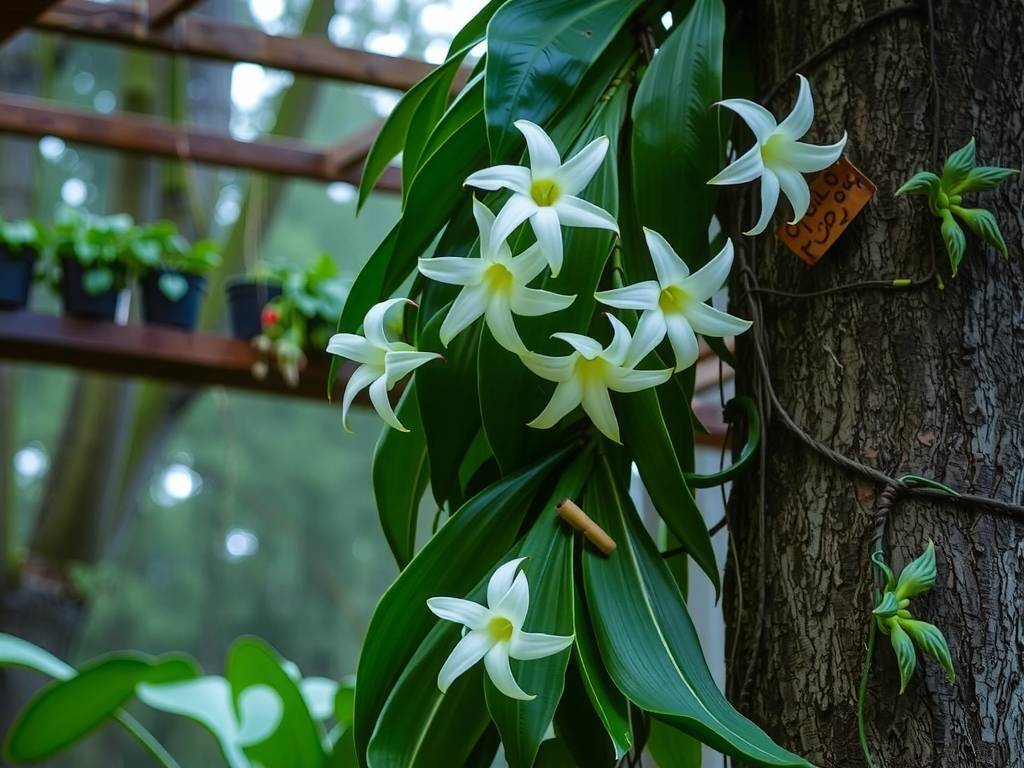
Why isn’t my epiphyllum producing flowers? Insufficient light, overwatering, or lack of maturity are common causes. Adjust light exposure, reduce watering slightly before the blooming season, and be patient—it can take a few years for young plants to flower.
Can epiphyllums grow indoors? Yes, they make excellent indoor plants when placed in bright, indirect light. Just ensure adequate humidity and airflow to mimic their natural environment.
Growing epiphyllums is a rewarding experience that combines patience with attentive care. By providing partial shade, managing water wisely, and understanding their unique needs, you’ll be well on your way to enjoying those magnificent large white night-blooming flowers. Remember, every step you take brings you closer to a thriving, blooming epiphyllum that will captivate everyone who sees it.