bluename
 How to Care for Orchid Cactus for Large, Vibrant Flowers
Seeing your orchid cactus struggle to bloom can be frustrating. You provide consistent care, yet those magnificent large flowers remain elusive. The secret lies in understanding this plant's unique light and ventilation needs.
Understanding Orchid Cactus Basics
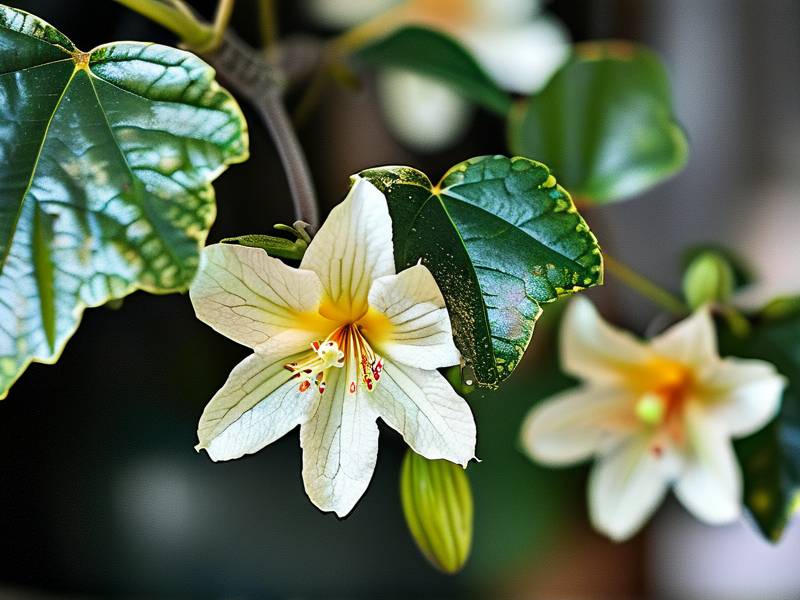
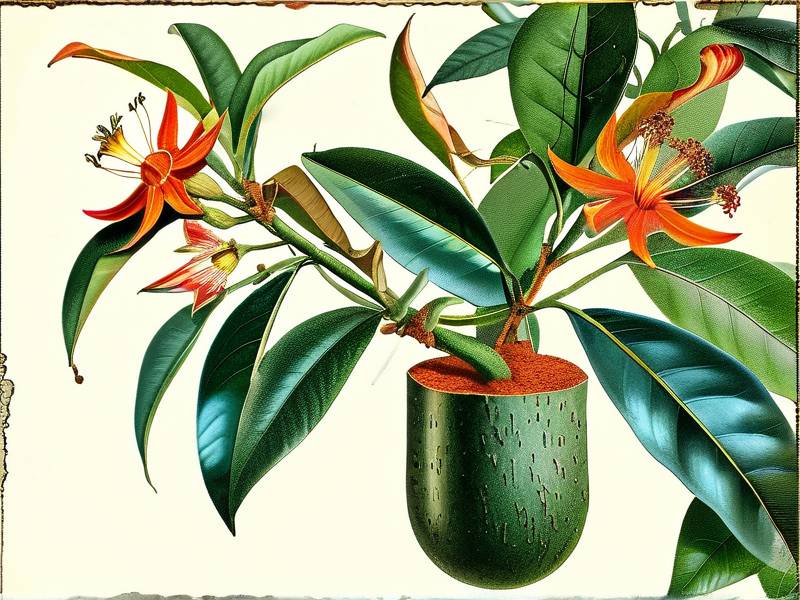
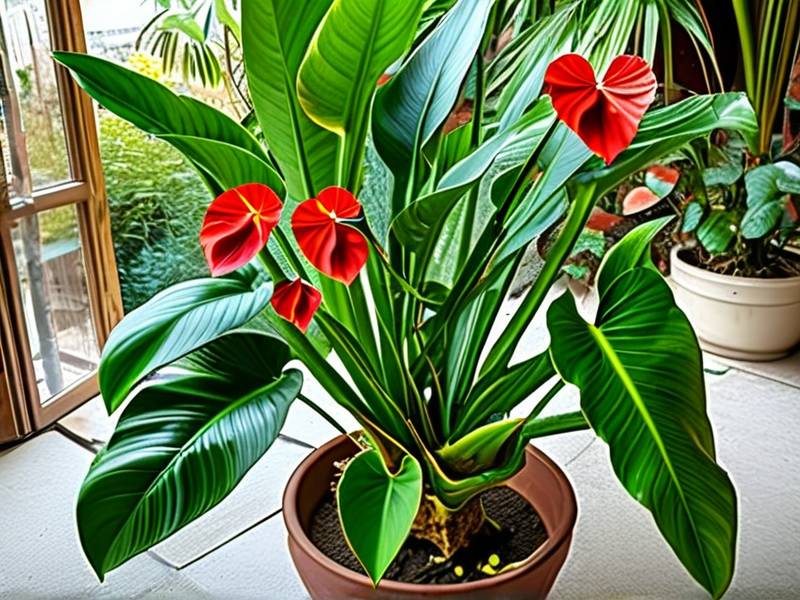
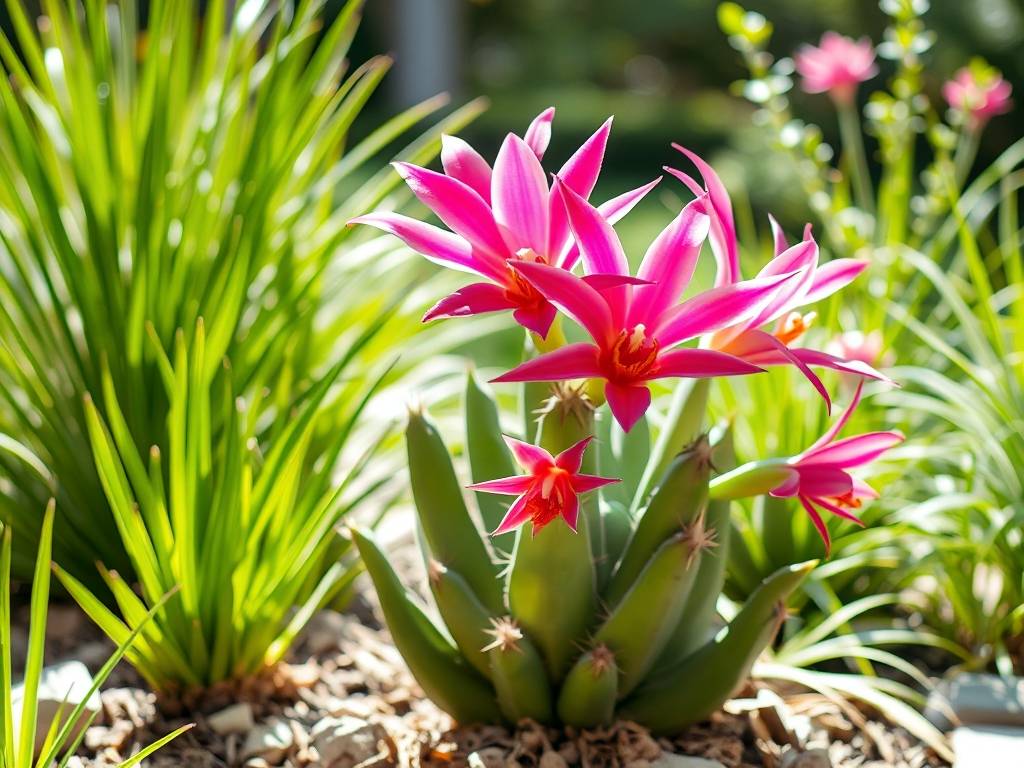
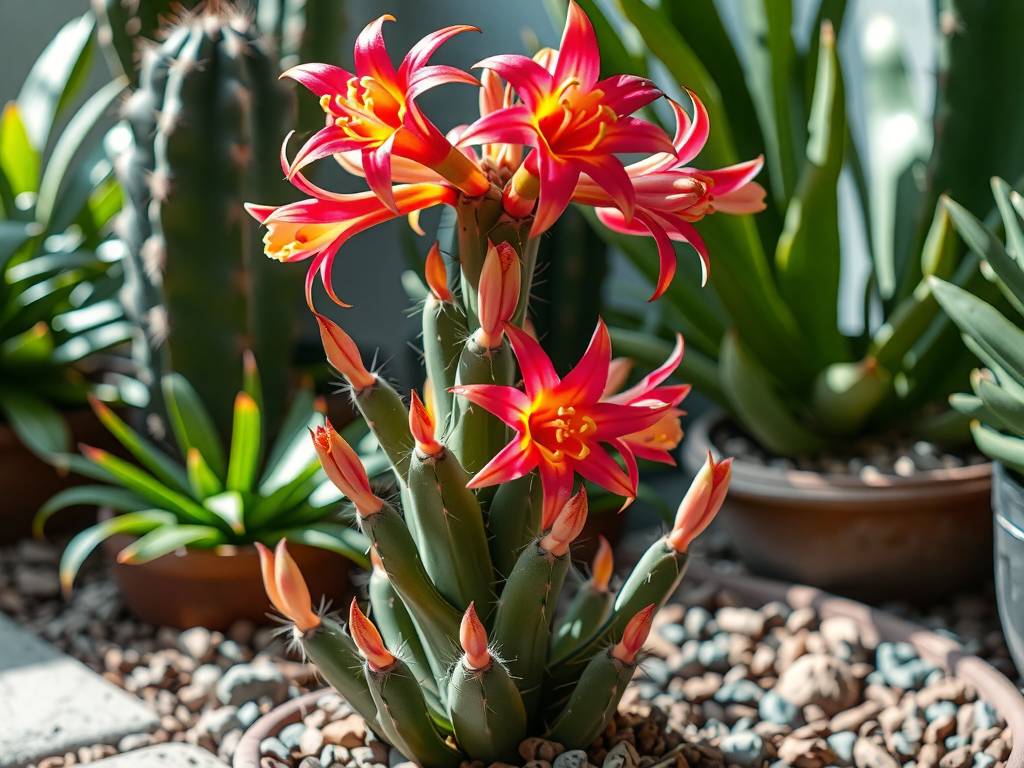
The orchid cactus, known scientifically as Epiphyllum, thrives in conditions that mimic its natural tropical habitat. These stunning plants produce arrow-shaped bright flowers that can span up to six inches across when properly cared for. Getting these spectacular blooms requires mastering several key elements in your care routine.
Proper orchid cactus care begins with recognizing it's not a desert cactus. Unlike its arid-loving cousins, this plant originates from tropical forests where it grows on trees rather than in soil. This epiphytic nature means it requires different treatment than typical succulents.
The Critical Role of Strong Light
Your orchid cactus needs abundant bright light to produce those magnificent large flowers. However, direct afternoon sun can scorch its leaves. The ideal location provides morning sunlight and filtered afternoon light.
East-facing windows often work perfectly for indoor plants. Outdoor plants benefit from dappled shade beneath trees or on covered patios. During winter months, when the plant is dormant, you can provide more direct light exposure without risk of burning.
Watch for signs of inadequate lighting. If your plant appears stretched with widely spaced segments, it's craving more light. Pale or yellowish leaves also indicate insufficient light exposure. Conversely, reddish or brown spots signal too much direct sunlight.
Mastering Proper Ventilation Techniques
Well-ventilated conditions prevent numerous orchid cactus problems. Stagnant air encourages fungal diseases and pest infestations that can undermine your plant's health. Good air circulation strengthens stems and promotes healthier growth.
Place your plant where air can move freely around it. Avoid cramping it between other plants or pushing it against walls. Using a small oscillating fan on low setting can significantly improve air movement for indoor plants. Just ensure the breeze isn't directly blowing on the plant constantly.
Outdoor plants naturally benefit from better air circulation. Just protect them from strong winds that could damage their delicate stems. Proper spacing between plants ensures each receives adequate air flow while reducing disease transmission risk.
Creating the Perfect Growing Environment
Temperature plays a crucial role in flower production. Orchid cacti prefer daytime temperatures between 65-75°F and cooler nights around 55-65°F. This temperature variation helps stimulate bud formation.
During winter, provide a cooler resting period with temperatures between 45-55°F. This dormancy period is essential for triggering the next season's bloom cycle. Without this cool period, your plant may grow foliage but produce few flowers.
Humidity levels around 40-60% create ideal growing conditions. In dry environments, mist your plant regularly or use a humidity tray. Grouping plants together also helps maintain higher humidity levels naturally.
Watering Strategies for Optimal Health
Watering practices significantly impact your orchid cactus's ability to produce large flowers. During active growth periods, water thoroughly when the top inch of soil feels dry. Always use well-draining soil to prevent root rot.
Reduce watering frequency during winter dormancy. The plant requires just enough moisture to prevent shriveling. Overwatering during this period can cause root rot and prevent flowering.
Water quality matters for these sensitive plants. Use rainwater or distilled water when possible, as orchid cacti can be sensitive to chemicals in tap water. If using tap water, let it sit overnight to allow chlorine to dissipate.
Feeding for Spectacular Blooms
Proper fertilization makes a remarkable difference in flower size and quantity. Use a balanced, water-soluble fertilizer diluted to half strength during the growing season. Apply every two weeks from spring through summer.
Switch to a low-nitrogen, high-phosphorus fertilizer as blooming season approaches. This formulation promotes flower development rather than excessive leaf growth. Discontinue feeding during the winter rest period.
Organic options like fish emulsion or compost tea work wonderfully. These provide slow-release nutrition while improving soil health. Whatever fertilizer you choose, always apply to moist soil to prevent root burn.
Potting and Soil Requirements
The right potting mix is crucial for orchid cactus health. Create a well-draining blend using equal parts potting soil, perlite, and orchid bark. This mixture provides the perfect balance of moisture retention and drainage.
Choose containers with multiple drainage holes. Terracotta pots work exceptionally well because they allow soil to breathe and dry evenly. Report every two to three years or when the plant becomes root-bound.
When repotting, handle the delicate roots gently. Wait about a week before watering to allow any damaged roots to heal. This prevents potential rot issues while the plant adjusts to its new container.
Encouraging Maximum Flower Production
Getting your orchid cactus to produce those stunning arrow-shaped bright flowers requires proper seasonal management. The plant needs consistent care during growth season followed by a distinct rest period.
Initiate the bloom cycle by providing cooler temperatures and reduced water for 6-8 weeks during winter. After this rest period, gradually return to normal care routines. Buds typically form as days lengthen in spring.
Avoid moving the plant once buds appear. Sudden changes in light or temperature can cause bud drop. Maintain consistent care until flowers fully open to enjoy their spectacular display.
Common Issues and Solutions
Yellowing stems often indicate overwatering or poor drainage. Check your soil mixture and adjust watering frequency. Brown tips may signal underwatering or low humidity.
If your plant isn't flowering despite healthy growth, it likely needs more light or a proper dormancy period. Review your seasonal care routine and make necessary adjustments. Sometimes all it takes is one season of correct care to trigger blooming.
Pests like mealybugs and spider mites occasionally appear. Treat immediately with insecticidal soap or neem oil. Regular inspection helps catch problems early before they seriously impact plant health.
Why are the leaves on my orchid cactus turning red? Red or purple tints often develop when the plant receives too much direct sunlight. While some coloration is normal with increased light, deep red coloring usually indicates light stress. Move your plant to a location with bright but indirect light to correct this issue.
How often should I repot my orchid cactus? These plants prefer being slightly root-bound and typically need repotting every 2-3 years. The best time to repot is in spring, just as new growth begins. Signs that your plant needs repotting include roots growing through drainage holes or the plant becoming top-heavy and unstable in its container.
Can I propagate my orchid cactus from cuttings? Yes, propagation from stem cuttings is quite straightforward. Take 4-6 inch cuttings from healthy stems and allow them to callus for several days. Plant in moist, well-draining soil and keep lightly moist until roots develop. New plants typically flower within 2-3 years when provided with proper care.
Success with orchid cactus comes down to mastering its specific needs for strong light, proper ventilation, and seasonal care variations. By providing the right conditions throughout the year, you'll be rewarded with those spectacular large, arrow-shaped bright flowers that make this plant so extraordinary. Consistent attention to its environmental needs will transform your gardening experience and fill your space with breathtaking blooms season after season.