bluename
 How to Care for Vriesea: A Complete Guide to Nurturing Large Spike Bromeliads
Are you struggling to keep your Vriesea plant thriving? Known for its spectacular large torch-shaped spikes, this tropical beauty can be challenging for indoor gardeners. Many plant enthusiasts find themselves dealing with browning leaves, failed blooms, or root rot despite their best efforts. Understanding Vriesea's specific needs for warm filtered light and consistent moisture without waterlogging is crucial for success.
Understanding Vriesea Plant Characteristics
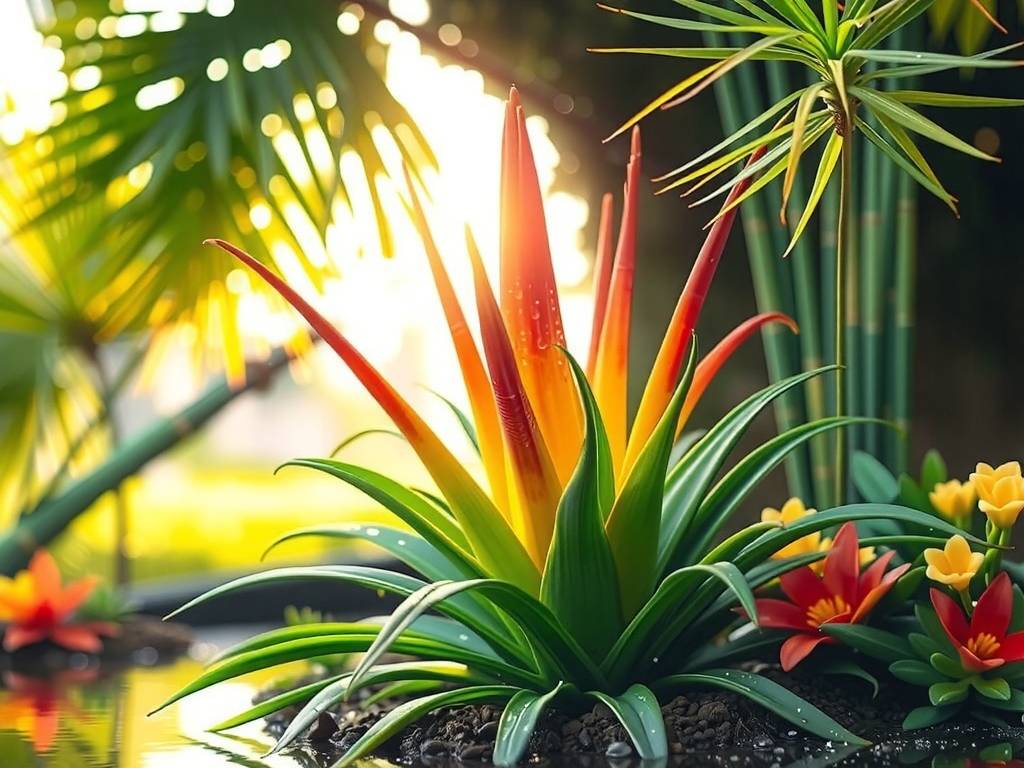
Vriesea plants belong to the Bromeliaceae family, featuring stunning architectural forms and vibrant flower spikes that can last for months. Their most distinctive feature is undoubtedly the large torch-shaped spike that gives them their common name "Flaming Sword." These tropical epiphytes naturally grow on trees in rainforest environments, which explains their specific care requirements.
These plants feature a central rosette formation that acts as a natural water reservoir. The leaves channel moisture toward the center cup, creating a unique watering system that differs from most houseplants. When properly cared for, Vriesea can produce their magnificent large torch-shaped spikes that make them so desirable among plant collectors.
Optimal Lighting Conditions for Healthy Growth
Vriesea plants thrive in bright, indirect light that mimics their natural habitat beneath forest canopies. Position your plant near an east or west-facing window where it receives filtered sunlight throughout the day. The ideal spot provides warm filtered light without exposing the plant to direct afternoon sun, which can scorch the delicate leaves.
If you notice the leaves turning pale or developing brown spots, this often indicates too much direct sunlight. Conversely, if the plant stops growing or the colors appear washed out, it might need more light. During winter months when natural light diminishes, consider supplementing with grow lights to maintain consistent conditions.
Mastering Watering Techniques and Humidity
Proper hydration is perhaps the most critical aspect of Vriesea care. These plants prefer consistently moist conditions but are extremely susceptible to root rot from waterlogging. The key is maintaining moisture in the central cup while allowing the soil to slightly dry between waterings.
Water your Vriesea by filling the central reservoir with distilled or filtered water, refreshing it weekly to prevent stagnation. Simultaneously, water the soil lightly, ensuring it remains damp but never soggy. Always empty and refill the central cup if you notice the water becoming murky, as this can lead to bacterial growth.
Maintain humidity levels between 50-60% for optimal growth. In dry indoor environments, use a humidifier or place the plant on a pebble tray with water to increase moisture around the foliage. Regular misting can also help, though it shouldn't replace proper watering practices.
Soil and Potting Requirements
Vriesea plants require exceptionally well-draining soil to prevent waterlogging around their root systems. A standard potting mix retains too much moisture, so create a specialized blend using orchid bark, perlite, and peat moss. This combination provides the quick drainage these plants need while retaining slight moisture.
Choose containers with multiple drainage holes and consider terracotta pots, which allow soil to dry more efficiently than plastic alternatives. When repotting, be gentle with the root system and avoid burying the plant too deeply. The base of the leaves should sit just above the soil line to prevent rot.
Encouraging Spectacular Flower Spikes
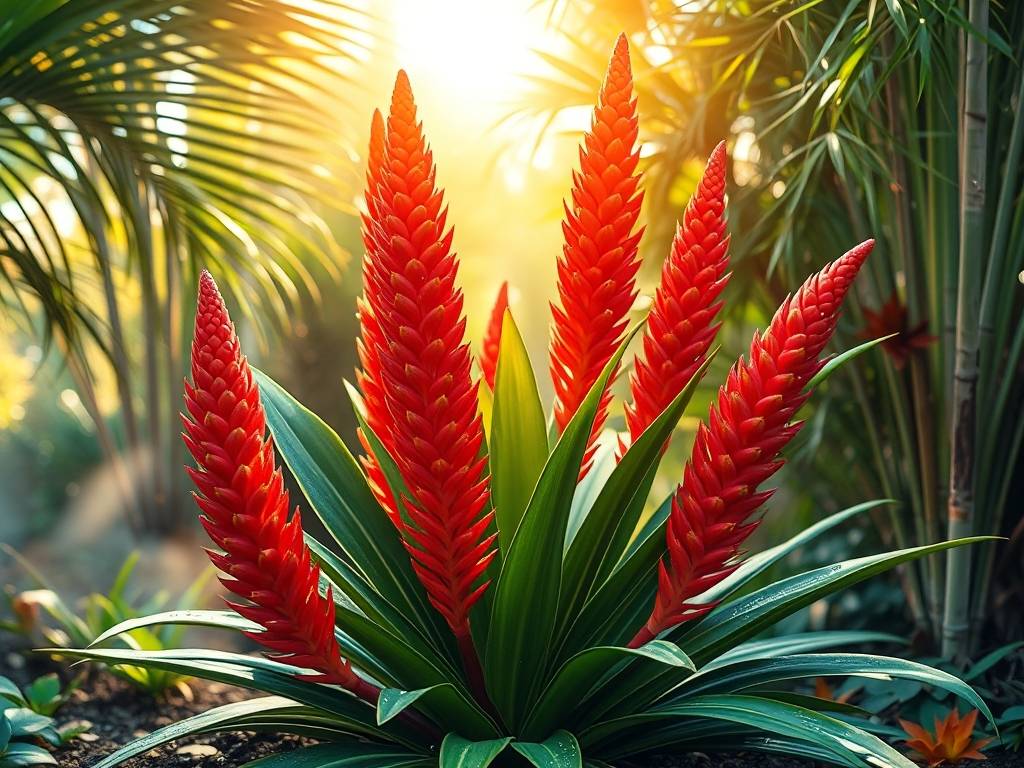
The magnificent large torch-shaped spikes are the main attraction of Vriesea plants, but getting them to bloom can sometimes be challenging. Mature plants typically flower naturally, but you can encourage blooming by exposing the plant to slightly cooler temperatures (around 60-65°F) for several weeks.
Another method involves placing a ripe apple near the plant and covering both with a plastic bag for 7-10 days. The ethylene gas released by the apple can trigger flowering in mature Vriesea specimens. Once the flower spike emerges, maintain consistent care to extend its display, which can last up to six months.
Fertilization and Nutrient Management
Feed your Vriesea monthly during the growing season with a diluted, balanced liquid fertilizer. Apply it directly to the soil rather than the central cup to prevent fertilizer burn. During winter, reduce feeding to every other month or suspend altogether as growth naturally slows.
Over-fertilization can cause leaf tip burn and may prevent flowering, so err on the side of underfeeding rather than overfeeding. Some experts recommend using bromeliad-specific fertilizer, though any quality houseplant food at half strength will suffice.
Troubleshooting Common Vriesea Problems
Brown leaf tips often indicate low humidity or mineral buildup from tap water. Switch to distilled or rainwater and increase humidity levels. If the leaves develop soft, dark spots, this suggests overwatering and potential root rot. In this case, reduce watering frequency and improve soil drainage.
Pests like scale insects and mealybugs can occasionally trouble Vriesea plants. Treat infestations promptly with insecticidal soap or neem oil applications. Isolate affected plants to prevent pests from spreading to your other houseplants.
Propagating New Vriesea Plants
After flowering, Vriesea plants produce offsets called "pups" around the base of the mother plant. Allow these pups to develop until they reach one-third to one-half the size of the parent plant before separating them. Use a sterile knife to carefully remove pups with some roots attached.
Pot the pups in small containers with appropriate bromeliad mix and provide slightly warmer conditions until established. The mother plant will gradually decline after flowering and producing pups, which is a natural part of the Vriesea life cycle.
Can I grow Vriesea in low light conditions? While Vriesea can tolerate lower light than some bromeliads, insufficient light will prevent flowering and cause leggy growth. For best results with those spectacular large spikes, provide bright, indirect light year-round.
Why are the leaves on my Vriesea turning yellow? Yellow leaves can indicate several issues, most commonly overwatering. Check that your plant isn't sitting in waterlogged soil and that you're allowing the growing medium to partially dry between waterings. Older leaves naturally yellow as the plant matures.
How long do Vriesea flowers typically last? The magnificent torch-shaped inflorescence can remain attractive for three to six months with proper care. After flowering completes, the plant will gradually decline while producing pups for the next generation.
With their stunning architectural form and spectacular flowering spikes, Vriesea plants make exceptional additions to indoor plant collections. By providing the right balance of warm filtered light, consistent moisture without waterlogging, and proper humidity, you'll be rewarded with healthy growth and those remarkable large torch-shaped spikes that make this bromeliad so distinctive. Remember that patience is key, especially when waiting for flowers to emerge on mature plants.