bluename
 How to Care for Guzmania: The Complete Guide to Growing Vibrant Bromeliads
If you've ever brought home a stunning Guzmania with its magnificent bright red spike, only to watch it slowly decline, you're not alone. Many plant enthusiasts struggle to maintain the vibrant beauty of these tropical plants. The good news? With the right knowledge on Guzmania care, you can keep your plant thriving and even encourage future blooms.
Understanding proper Guzmania plant maintenance is crucial because these plants have unique requirements that differ from typical houseplants. Their spectacular flowering bracts can last for months with appropriate care, making them well worth the extra attention.
Optimal Lighting Conditions for Healthy Growth
Guzmania bromeliads thrive in warm filtered light conditions that mimic their natural rainforest habitat. Place your plant near an east or west-facing window where it will receive plenty of bright, indirect sunlight. Direct afternoon sun can scorch the leaves, causing brown spots and faded color.
If you notice the leaves turning pale green or yellow, your plant might be receiving too much direct light. Conversely, if the vibrant red bracts begin to fade or the plant stops growing, it may need more illumination. During winter months when natural light decreases, consider supplementing with grow lights placed about 12 inches above the plant for 10-12 hours daily.
Mastering Watering Techniques
The key to successful Guzmania watering lies in maintaining moisture without causing waterlogging. These plants are particularly susceptible to root rot, so proper technique is essential. Water your Guzmania by filling the central cup or tank formed by the rosette of leaves, keeping it about one-quarter full.
Use distilled, rainwater, or filtered water, as Guzmanias are sensitive to chemicals in tap water. Every month, flush the central cup to prevent stagnation and bacterial growth. The soil should be kept lightly moist but never soggy. Allow the top inch of soil to dry out between waterings.
According to the Royal Horticultural Society, "Overwatering is the most common cause of bromeliad failure. The soil should approach dryness before rewatering, while the central reservoir maintains minimal moisture."
Creating the Perfect Environment
Guzmanias prefer consistent temperatures between 65-80°F (18-27°C) and high humidity levels of 60-70%. Avoid placing your plant near heating or cooling vents, as sudden temperature fluctuations can cause stress. To increase humidity, group plants together, use a pebble tray filled with water, or run a humidifier nearby.
Proper air circulation helps prevent fungal diseases, but avoid placing your plant in direct draft paths. During summer months, when conditions align with their natural preferences, you can move your Guzmania outdoors to a shaded patio or under tree cover.
Nutrition and Fertilization Needs
Guzmanias aren't heavy feeders, but occasional fertilization supports growth and enhances color. Use a balanced, water-soluble fertilizer diluted to one-quarter strength. Apply it directly into the central cup every month during the growing season (spring through early fall).
The University of Florida IFAS Extension recommends "applying fertilizer to the bromeliad's tank rather than the soil, as this mimics how they naturally receive nutrients in their epiphytic habitat."
Avoid over-fertilizing, which can cause salt buildup and damage the delicate roots. Flush the central cup with clean water between fertilizer applications to prevent residue accumulation.
Understanding the Guzmania Lifecycle
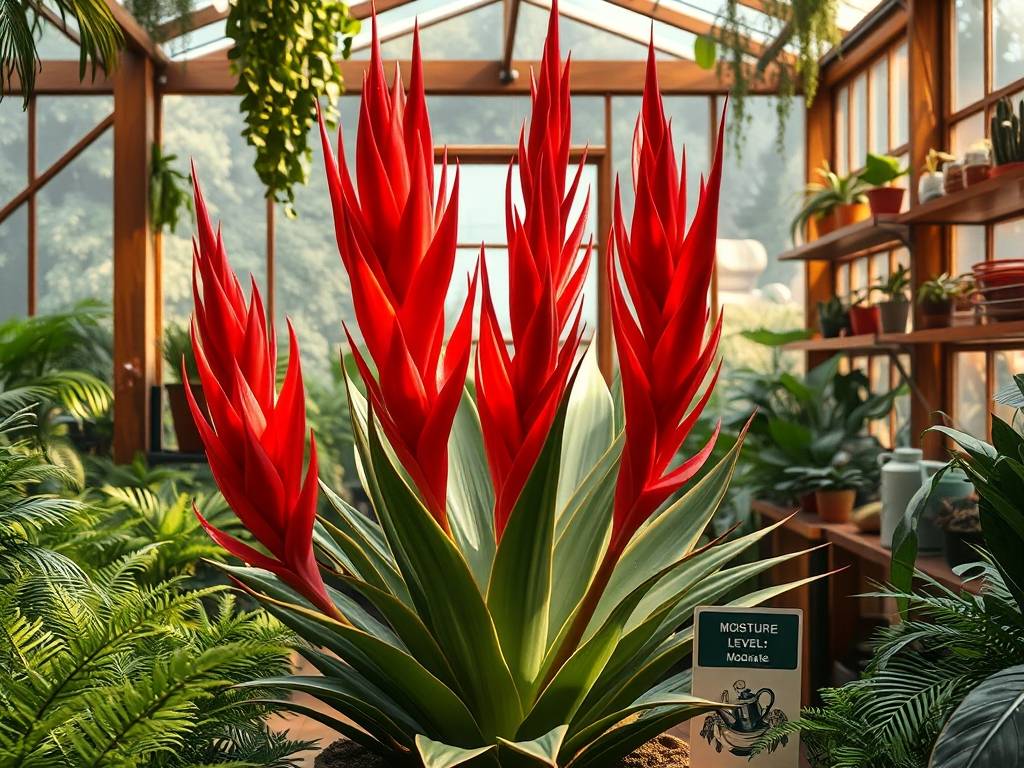
The spectacular bright red spike (actually colorful bracts surrounding smaller true flowers) typically signals the mature phase of the plant's life. After flowering, which can last up to six months, the mother plant will gradually decline while producing offsets called "pups."
This natural process often concerns new owners, but it's simply part of the plant's lifecycle. The energy diverted to pup production causes the mother plant to fade, which is completely normal rather than a failure in your care routine.
Propagating New Plants
Once pups reach one-third to one-half the size of the mother plant, they can be carefully removed and potted separately. Use a sharp, sterile knife to separate the pup, ensuring it has some developing roots. Pot in a well-draining bromeliad mix, water lightly, and provide the same care as mature plants.
Professional grower Maria Rodriguez notes, "Patience is key with Guzmania pups. They typically need 1-3 years to reach maturity and produce their own colorful bracts, but the wait is rewarding."
Choosing the Right Soil and Container
Guzmanias require exceptionally well-draining soil to prevent waterlogging. A commercial bromeliad or orchid mix works well, or create your own using equal parts peat moss, perlite, and pine bark fines. The ideal pH ranges from 5.0 to 6.0.
Select a container that's proportionate to the plant's size—Guzmanias prefer being slightly pot-bound. Ensure pots have adequate drainage holes, and consider using terracotta pots, which allow soil to dry more evenly between waterings.
Troubleshooting Common Issues
Brown leaf tips often indicate low humidity or mineral buildup from tap water. Yellowing leaves may signal overwatering or insufficient light. If the bright red bracts fade prematurely, check lighting conditions and ensure temperatures remain consistent.
Pests are relatively uncommon but watch for scale insects or mealybugs, particularly in the leaf axils. Treat infestations promptly with insecticidal soap or neem oil applications.
What should I do when my Guzmania finishes flowering? Continue caring for the plant as it produces pups. The mother plant will gradually decline over several months while the pups develop. Once the pups reach adequate size, you can propagate them to continue your Guzmania collection.
Can I make my Guzmania bloom again? The mother plant won't rebloom, but the pups will eventually flower with proper care. Commercial growers often use ethylene gas to force blooming, but this is difficult to replicate at home. Focus instead on growing healthy pups that will naturally bloom when mature.
Why are the leaves on my Guzmania turning brown? Brown leaf tips typically result from low humidity, chemical sensitivity to tap water, or both. Switch to distilled or rainwater and increase humidity around the plant. You can trim brown tips following the natural leaf shape if desired.
With appropriate warm filtered light, careful watering that maintains moisture without waterlogging, and attention to humidity needs, your Guzmania will reward you with spectacular bright red spikes that last for months. Remember that the plant's natural lifecycle includes producing pups after flowering, ensuring future generations of these stunning bromeliads. Consistent care tailored to their unique requirements makes growing vibrant Guzmanias an achievable goal for any plant enthusiast.