bluename
 How to Care for Tillandsia with Large Flowers: A Complete Guide
Are you struggling to keep your flowering air plants thriving? Many enthusiasts find themselves puzzled when their Tillandsia with large, exotic blooms starts showing signs of distress despite regular care. The key to success lies in understanding their unique requirements for light, moisture, and air circulation.
Understanding Large Flowering Tillandsia Varieties
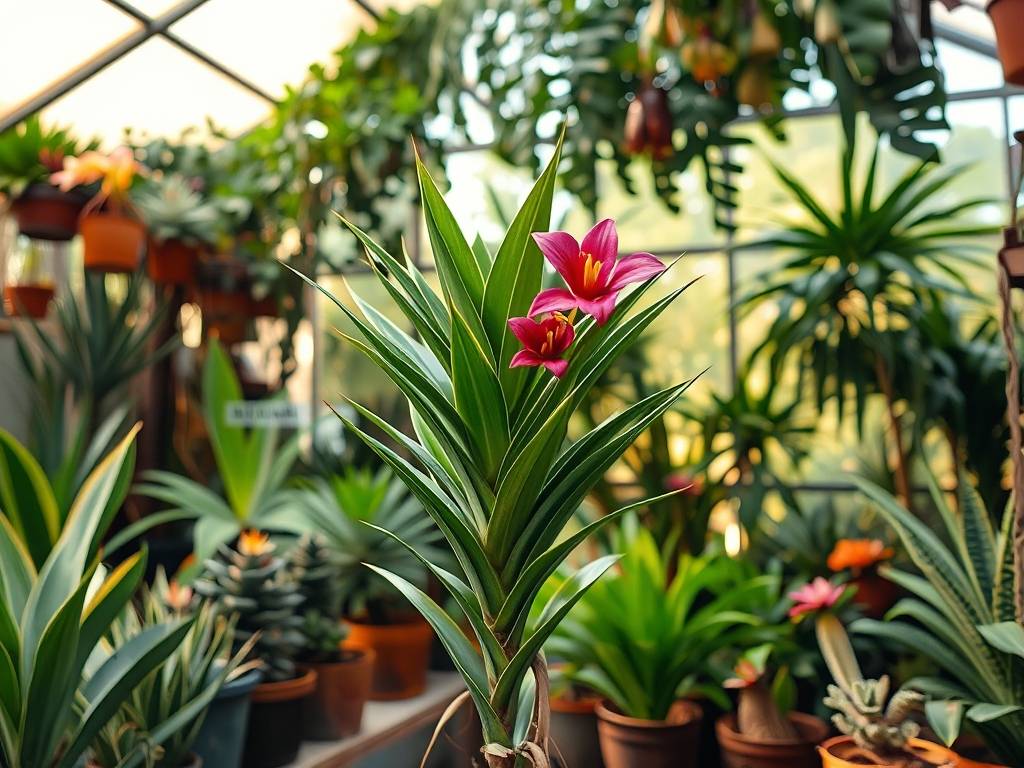
Tillandsia species known for their spectacular flowers include Tillandsia xerographica, Tillandsia streptophylla, and Tillandsia caput-medusae. These epiphytic plants have adapted to absorb moisture and nutrients through their leaves rather than roots. Their impressive flowering displays make them particularly sought after among collectors and interior plant enthusiasts.
The large, exotic bright flowers typically emerge from the center of the plant and can last for several weeks to months, depending on the species and growing conditions. After flowering, most Tillandsia will produce pups or offsets, continuing their life cycle.
Optimal Lighting Conditions for Healthy Growth
These plants thrive in warm partial shade conditions that mimic their natural habitat beneath tree canopies. Bright, indirect light is essential for encouraging flowering while preventing leaf scorch. An east-facing window or a spot with filtered afternoon sun provides the ideal balance.
If growing outdoors in warmer months, position your air plants where they'll receive morning sun and afternoon shade. During winter months in northern climates, a south-facing window with sheer curtains can provide sufficient light exposure. According to research from the University of Florida, Tillandsia species require approximately 1,500-2,500 foot-candles of light for optimal growth and flowering.
Proper Watering Techniques to Maintain Moisture
Maintaining adequate moisture without causing waterlogging is the most challenging aspect of Tillandsia care. Unlike traditional plants, air plants absorb water primarily through their trichomes - specialized scales on their leaves.
The soaking method involves submerging your plant in room-temperature water for 20-30 minutes weekly, followed by thorough shaking to remove excess water from between leaves. Between soakings, misting helps maintain humidity, particularly in dry indoor environments. Always ensure your Tillandsia dries completely within four hours after watering to prevent rot.
Creating the Perfect Environment
Temperature and air circulation significantly impact your air plant's health. Most flowering Tillandsia varieties prefer temperatures between 50-90°F (10-32°C) with moderate to high humidity levels around 50-70%.
Proper air movement prevents moisture from stagnating in the plant's center, where the large flowers emerge. A small fan in the room or natural breeze from an open window can provide sufficient circulation. Avoid placing air plants directly in front of heating or cooling vents, as sudden temperature changes can stress the plant.
Nutrition Requirements for Spectacular Blooms
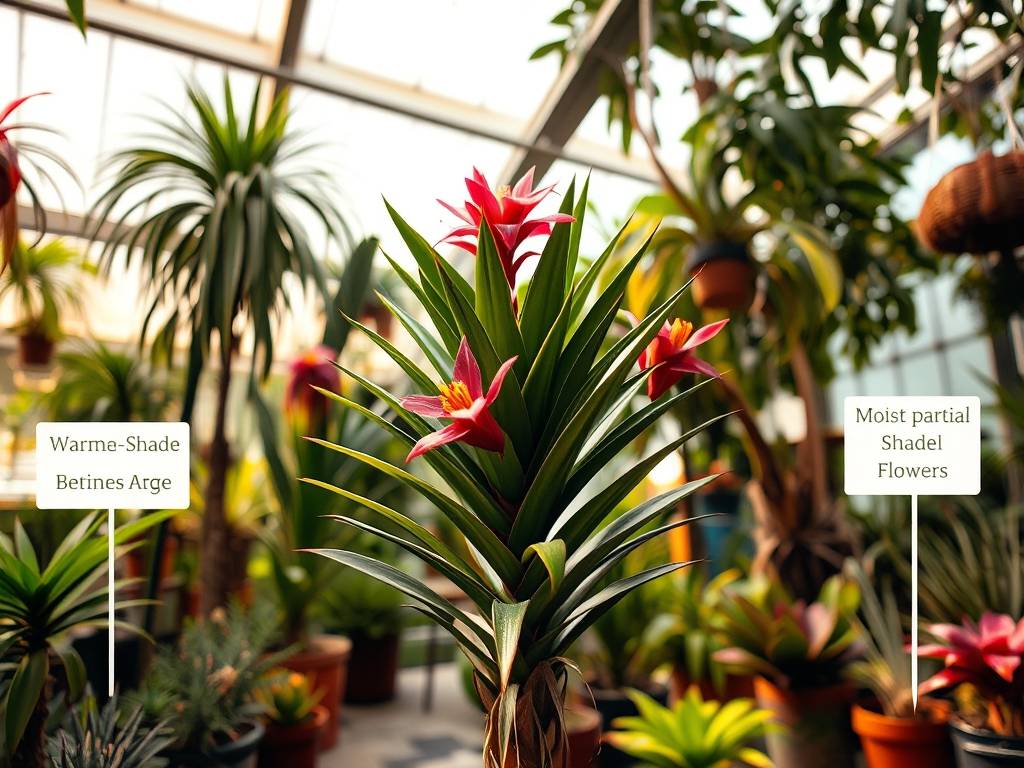
While air plants derive some nutrients from the air, supplemental feeding encourages larger, more vibrant flowers. Use a bromeliad or Tillandsia-specific fertilizer diluted to quarter-strength, applied monthly during the growing season.
Apply fertilizer to damp leaves rather than dry ones, as this enhances nutrient absorption. Some experts recommend using the fertilizer solution in place of one regular watering session each month. Over-fertilizing can cause leaf tip burn and may actually inhibit flowering, so moderation is key.
Recognizing and Addressing Common Issues
Yellowing leaves often indicate too much direct sunlight, while brown, crispy tips suggest underwatering or low humidity. If the plant's base feels soft or appears dark, root rot from inadequate drying may be the culprit.
When your Tillandsia with large exotic bright flowers shows signs of stress, reassess your watering schedule and light exposure first. Pests are relatively uncommon but mealybugs or scale can occasionally appear. Remove them with a cotton swab dipped in diluted isopropyl alcohol.
Encouraging Repeat Flowering Events
After the initial bloom fades, continue proper care to encourage pup production. The mother plant will gradually decline after flowering, but the offsets will mature into new flowering specimens. Some growers carefully remove spent flower bracts to improve air circulation around developing pups.
With consistent care, most Tillandsia varieties will flower again within 1-3 years, depending on the species and growing conditions. Patience is essential, as these plants operate on their own biological timeline.
How often should I water my flowering Tillandsia? Increase watering frequency slightly during active flowering, but maintain the same thorough drying principle. The flowers themselves are more delicate, so gentle misting may be preferable to soaking while blooms are present.
Can I trim the roots of my air plant? The roots serve primarily as anchors rather than for nutrient uptake. You can safely trim them without harming the plant if they become unsightly, but leave enough to secure the plant if you mount it.
Why won't my Tillandsia produce its large exotic flowers? Insufficient light is the most common reason for lack of flowering. Gradually increase indirect light exposure and ensure proper nutrition. Some species require specific seasonal light or temperature changes to trigger blooming.
Successful Tillandsia care revolves around balancing three critical elements: filtered light, controlled moisture, and constant air movement. By observing your plant's response to different conditions and making gradual adjustments, you'll be rewarded with spectacular floral displays that make these unusual plants so captivating. Remember that each plant has its own rhythm, and the journey to understanding its needs is part of the enjoyment of growing these remarkable air plants.