bluename
 The Ultimate Guide to Aspidistra Care: Thriving with Minimal Effort
Have you ever walked into a dimly lit room and wondered if any plant could survive there? Do you struggle to keep greenery alive when life gets busy? Meet the aspidistra, affectionately known as the cast iron plant. This resilient beauty not only survives but thrives in conditions that would challenge most houseplants. With its large, elegant green leaves and remarkable tolerance for neglect, the aspidistra has earned its reputation as one of the toughest indoor plants available today.
Understanding Your Aspidistra's Basic Needs
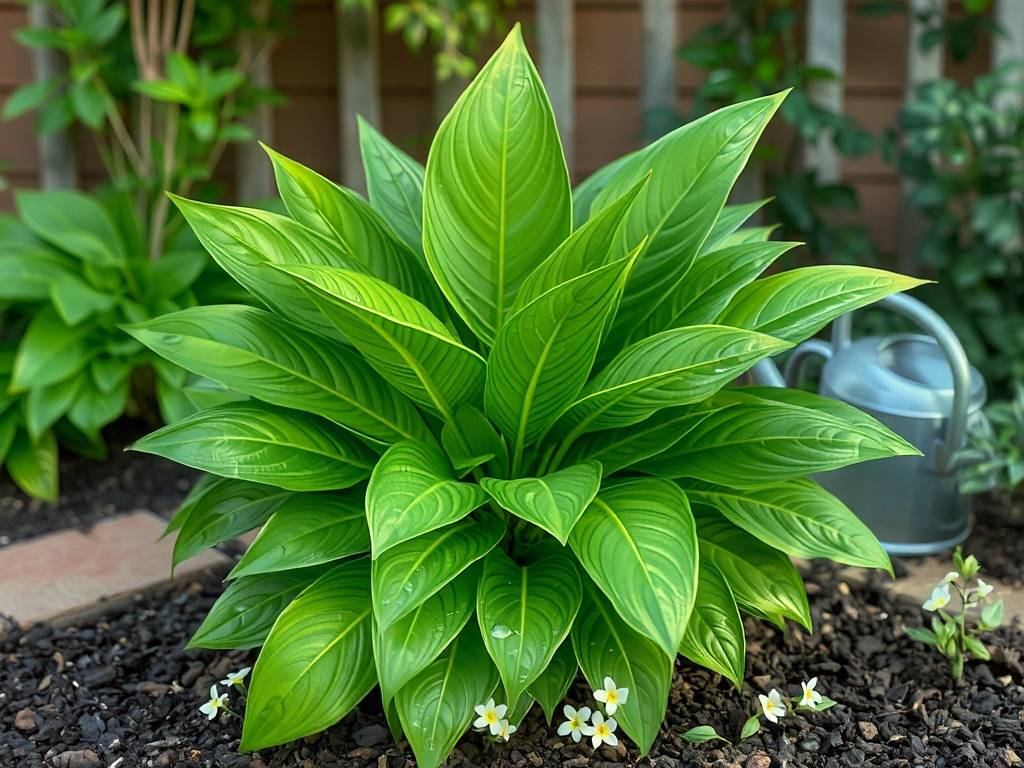
The cast iron plant's durability stems from its natural habitat in the forest floors of Japan and Taiwan, where it grows in dense shade with limited water. These plants feature broad, dark green leaves that emerge directly from soil-level rhizomes, creating a lush appearance even in low-light spaces. Their flowers are unique ground-level blooms that appear at the soil surface, though they're often hidden by foliage.
Perfect Lighting Conditions for Shade-Tolerant Plants
Aspidistras excel where other plants fail. While many tropical plants demand bright, indirect light, your cast iron plant prefers the opposite. North-facing windows, offices with fluorescent lighting, and dim corners become perfect spots for these shade-loving specimens. Direct sunlight will scorch their leaves, causing unsightly brown spots, while deep shade maintains their rich green coloration.
Mastering Watering Techniques for Drought-Tolerant Plants
The secret to watering aspidistras lies in understanding their drought-resistant nature. These plants store water in their thick rhizomes, allowing them to withstand periods of dryness. Wait until the top two inches of soil feel completely dry before watering thoroughly. During winter, reduce watering to once every three weeks. Overwatering remains the most common cause of issues, so when in doubt, wait another few days.
Optimal Soil and Container Selection
Well-draining soil proves crucial for preventing root rot. A standard potting mix amended with perlite or orchid bark provides the drainage these plants require. Choose containers with drainage holes, and consider terracotta pots which allow soil to dry more efficiently. Repotting is rarely needed—aspidistras actually prefer being slightly root-bound and can thrive in the same container for years.
Temperature and Humidity Preferences
Average household temperatures between 60-75°F (15-24°C) suit aspidistras perfectly. They tolerate temperature fluctuations better than most houseplants and can handle occasional dips to 50°F (10°C). Normal household humidity works fine, though they appreciate occasional misting in particularly dry environments. Their adaptability makes them ideal for various indoor spaces without special humidity adjustments.
Fertilizing for Healthy Foliage
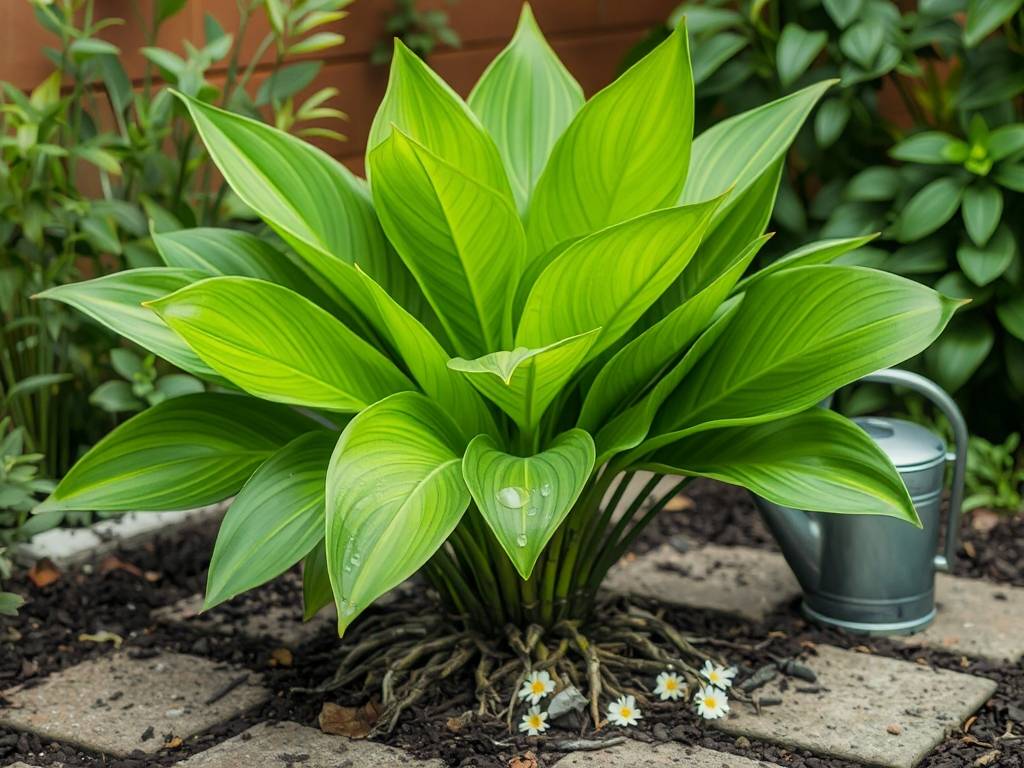
Feed your aspidistra monthly during spring and summer with a balanced, water-soluble fertilizer diluted to half strength. These aren't heavy feeders, and over-fertilizing can cause leaf tip burn. Discontinue feeding during fall and winter when growth naturally slows. The modest nutritional needs of these plants contribute to their low-maintenance reputation.
Pruning and Cleaning Large Green Leaves
Maintain your plant's appearance by wiping the broad leaves monthly with a damp cloth to remove dust. This simple practice not only enhances their glossy appearance but also supports efficient photosynthesis. Remove any yellowing leaves at the base to encourage new growth. The substantial foliage of well-maintained aspidistras creates a striking visual impact in any space.
Addressing Common Issues
Despite their toughness, aspidistras occasionally face challenges. Brown leaf tips typically indicate overwatering or chemical sensitivity—use filtered water if yours develops this issue. Mealybugs might appear in the leaf bases; treat them with insecticidal soap. Leaf spotting usually results from too much direct sunlight. Most problems have straightforward solutions that quickly restore plant health.
Propagating Your Cast Iron Plant
Division provides the most reliable propagation method. During repotting, gently separate rhizomes with at least two leaves using a clean, sharp knife. Plant divisions in fresh soil and maintain slightly moist conditions until new growth appears. This process allows you to expand your collection or share plants with friends while rejuvenating older specimens.
Creative Display Ideas for Large-Leafed Plants
The architectural quality of aspidistra leaves makes them perfect statement pieces in interior design. Use them as floor specimens in dark corners, combine with other shade-tolerant plants for textural contrast, or place them in entryways where their elegant presence welcomes guests. Their vertical growth habit fits perfectly in narrow spaces where bulkier plants might not work.
Why do aspidistra leaves turn brown at the tips? This typically indicates overwatering, chemical sensitivity to tap water, or over-fertilization. Allow soil to dry more thoroughly between waterings, switch to filtered water, and ensure you're not overfeeding your plant.
How often should I repot my cast iron plant? These slow growers rarely need repotting—every 3-4 years usually suffices. They actually perform better when slightly root-bound, so don't rush to move them to larger containers.
Can aspidistras purify indoor air? Yes, like many houseplants, they contribute to improved air quality by filtering common household toxins. Their large leaf surface area makes them particularly effective at this natural air purification.
The aspidistra stands as testament to nature's adaptability, bringing lush greenery to spaces we once considered plant-unfriendly. Its combination of visual impact and undeniable resilience makes it an ideal choice for both novice plant owners and seasoned enthusiasts seeking trouble-free specimens. By providing basic care that respects its preferences for shade and moderate watering, you'll enjoy this elegant plant's company for years to come.