bluename
 The Complete Guide to Growing Healthy Dracaena Fragrans Indoors
Are you struggling to maintain that beautiful Dracaena Fragrans plant in your living space? Those large green leaves starting to yellow or brown at the tips? You're not alone - many plant enthusiasts find themselves confused about the proper care for this popular indoor tree. The good news is that with the right knowledge about its light and watering needs, you can easily maintain a thriving specimen that adds tropical elegance to your home for years to come.
Understanding Your Dracaena Fragrans
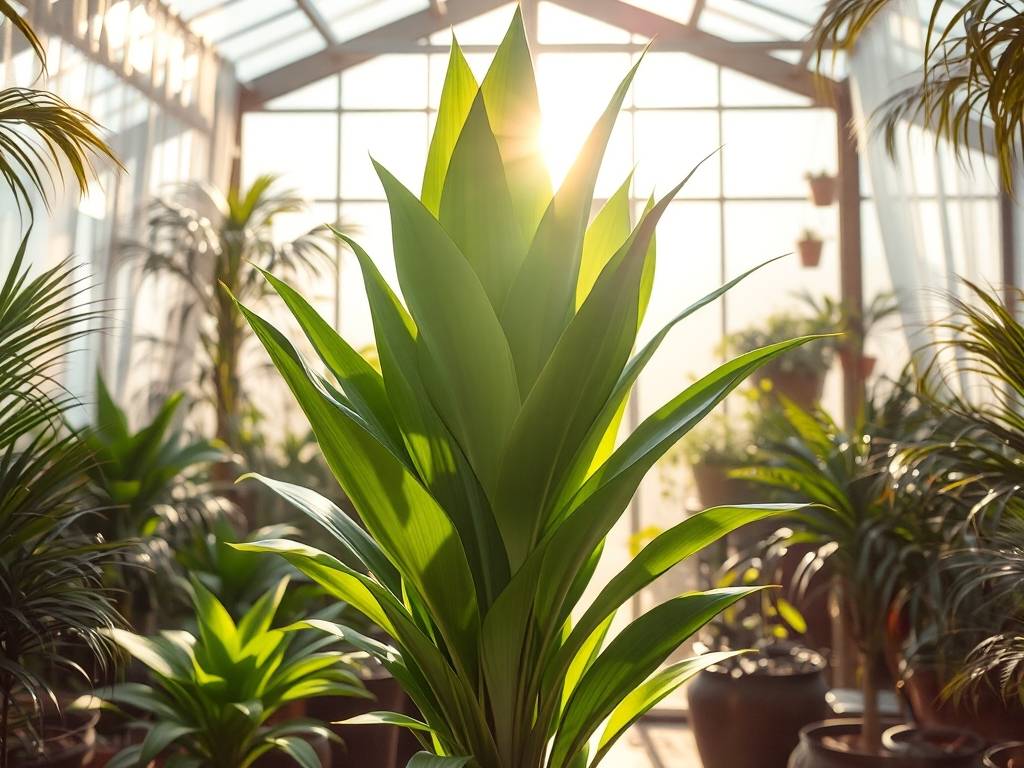
Commonly known as the corn plant due to its resemblance to the cornstalk, Dracaena Fragrans is native to tropical Africa and has become one of the most popular large houseplants worldwide. Its architectural form and relatively low maintenance needs make it ideal for both homes and offices. When properly cared for, these plants can reach heights of 6 feet or more indoors, creating a stunning focal point in any room.
The plant features sturdy canes topped with clusters of long, arching leaves that emerge from a central crown. Mature specimens may produce fragrant white flowers under ideal conditions, though blooming is relatively rare indoors. According to research from the University of Florida's IFAS Extension, Dracaena species are among the most effective plants for removing indoor air pollutants, making them both beautiful and beneficial to your home environment.
Ideal Lighting Conditions for Optimal Growth
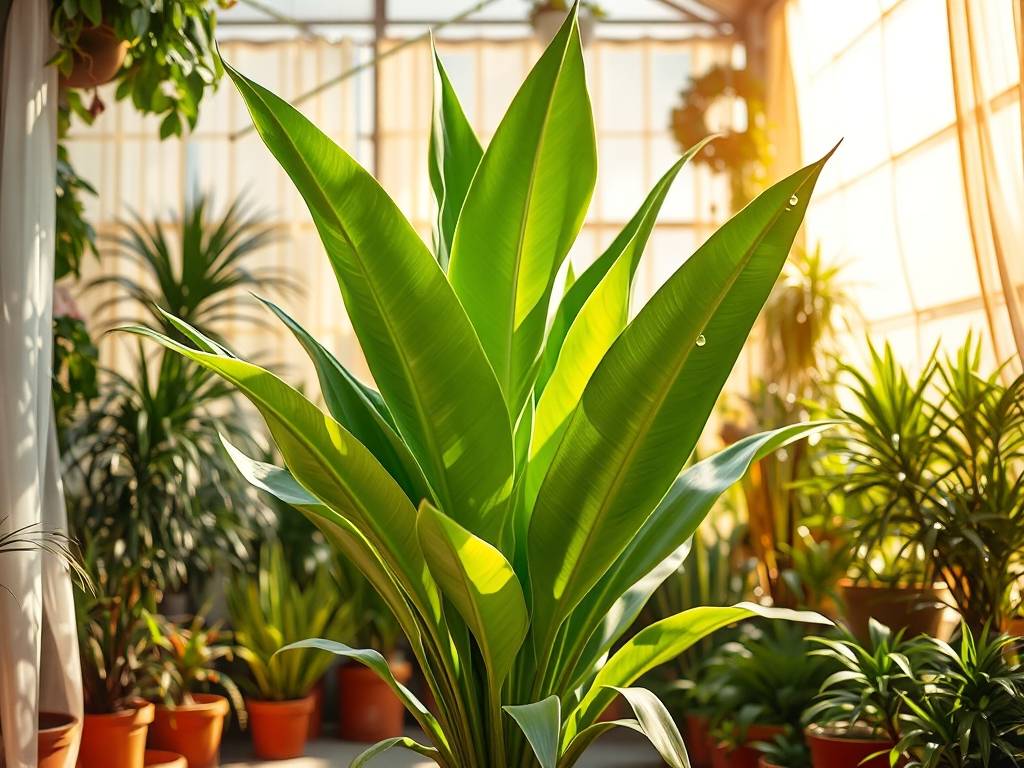
Dracaena Fragrans thrives in warm filtered light conditions that mimic the dappled sunlight of its native habitat. Place your plant near an east-facing window where it can receive gentle morning sun, or several feet back from a south or west-facing window where the intense afternoon rays will be diffused. The large green leaves can develop scorch marks if exposed to direct, harsh sunlight for extended periods, particularly during summer months.
If you notice the leaves becoming pale or washed out, your plant might be receiving too much direct light. Conversely, if growth becomes leggy with excessive space between leaves, or if the vibrant variegation in patterned varieties begins to fade, the plant likely needs more light. Rotate your Dracaena Fragrans quarterly to ensure even growth, as the plant will naturally lean toward the light source.
Mastering the Watering Routine
As a drought-tolerant plant, Dracaena Fragrans prefers to dry out between waterings. The top 1-2 inches of soil should feel completely dry before you water again. When you do water, do so thoroughly until water runs through the drainage holes, then empty the saucer beneath to prevent root rot. During winter months when growth slows, reduce watering frequency significantly.
Overwatering is the most common cause of problems with Dracaena Fragrans. Signs include yellowing leaves, soft stems, and a musty odor from the soil. Underwatering symptoms include brown leaf tips and drooping leaves. Horticulturist Maria Costa from the Royal Horticultural Society advises: "Dracaenas are far more tolerant of underwatering than overwatering. When in doubt, wait another few days before watering your corn plant."
Soil and Potting Requirements
A well-draining potting mix is essential for Dracaena Fragrans. Use a quality houseplant soil amended with perlite or sand to improve drainage. These plants prefer to be slightly root-bound, so repotting is only necessary every 2-3 years or when roots begin to circle the bottom of the container. When repotting, choose a container only 1-2 inches larger in diameter than the previous one.
The ideal soil pH for Dracaena Fragrans ranges from 6.0 to 6.5 (slightly acidic). If you're unsure about your soil's pH, inexpensive test kits are available at garden centers. Proper soil composition not only supports healthy root development but also helps prevent the fluoride sensitivity that can cause brown leaf tips in these plants.
Temperature and Humidity Preferences
Dracaena Fragrans prefers average room temperatures between 65-80°F (18-27°C). Protect your plant from cold drafts near doors or windows during winter months, as temperatures below 55°F (13°C) can cause damage. Similarly, keep it away from heating vents or radiators that can create excessively dry conditions.
While adaptable to average household humidity levels, these plants appreciate occasional misting or placement on a pebble tray with water, especially during winter when indoor air tends to be drier. Brown leaf tips can indicate insufficient humidity. If your home is particularly dry, consider using a room humidifier to maintain optimal conditions for your large green leaves.
Fertilizing for Healthy Growth
Feed your Dracaena Fragrans with a balanced, water-soluble fertilizer diluted to half strength every 4-6 weeks during the growing season (spring through early fall). Avoid fertilizing during winter months when growth naturally slows. Over-fertilization can cause leaf burn and brown tips, so when in doubt, err on the side of underfeeding.
These plants are sensitive to fluoride and other chemicals found in some fertilizers and tap water. Using distilled or rainwater can help prevent tip burn. If you prefer using tap water, let it sit out for 24 hours before watering to allow chlorine to dissipate. Specialty fertilizers formulated for dracaenas are available and can help prevent chemical sensitivity issues.
Pruning and Maintenance
Regular cleaning of the large green leaves not only keeps your Dracaena Fragrans looking its best but also supports efficient photosynthesis. Wipe leaves monthly with a damp cloth to remove dust. For taller plants, use a soft duster with an extended handle to reach upper leaves.
Pruning is straightforward - simply cut back any unwanted canes to your desired height, making cuts just above a node (the raised rings on the cane where leaves previously grew). New growth will typically emerge just below the cut. Remove any yellow or damaged leaves by pulling them downward gently - they should detach cleanly from the stem. Always use clean, sharp pruning tools to prevent disease transmission.
Propagating New Plants
Dracaena Fragrans is easily propagated from stem cuttings. Take 4-6 inch sections of healthy stem and either root them in water or moist potting mix. Keep cuttings in bright, indirect light and maintain consistent moisture until new growth appears, typically within 3-4 weeks. This is an excellent way to share plants with friends or create new plants for other rooms in your home.
Another propagation method involves air layering, which encourages roots to form on a stem while still attached to the parent plant. This technique is particularly useful for rejuvenating leggy specimens. While it requires more patience than stem cuttings, it often produces larger, more established plants from the start.
Troubleshooting Common Problems
Brown leaf tips are typically caused by fluoride sensitivity, low humidity, or inconsistent watering. Yellowing leaves often indicate overwatering or poor drainage. Soft, mushy stems are a sure sign of root rot from excessive moisture. Pest problems are relatively uncommon but can include spider mites (in dry conditions) or mealybugs. Treat any infestations promptly with insecticidal soap or neem oil.
If your plant develops sudden leaf drop, evaluate recent changes in environment. Dracaenas are sensitive to dramatic temperature shifts, relocations, or chemical exposures (particularly from tap water or cleaning products). According to a study published in the Journal of Environmental Horticulture, Dracaena species showed remarkable recovery capacity when proper care conditions were restored, even after significant stress.
Why are the tips of my Dracaena Fragrans turning brown? Brown tips are commonly caused by chemicals in tap water, particularly fluoride. Switching to distilled or rainwater often resolves this issue. Low humidity and inconsistent watering can also contribute to this problem.
How often should I repot my corn plant? Dracaena Fragrans prefers to be slightly root-bound and typically only needs repotting every 2-3 years. Signs that repotting is needed include roots growing through drainage holes, slowed growth despite proper care, or the plant becoming top-heavy and unstable.
Can Dracaena Fragrans tolerate low light conditions? While these plants can survive in lower light, they thrive in bright, filtered light. In insufficient light, growth will slow significantly, and variegated varieties may lose their distinctive coloring. For best results, provide the warm filtered light conditions these plants prefer.
With proper attention to its specific needs for light, water, and environment, your Dracaena Fragrans will reward you with years of lush, tropical beauty. Remember that consistency is key - these plants appreciate stable conditions rather than dramatic changes in their care routine. Your thriving corn plant will not only enhance your interior décor but also contribute to healthier indoor air quality, making the effort well worthwhile.