bluename
 How to Care for Brazilwood: A Complete Guide to Growing This Fragrant, Drought-Tolerant Beauty
You've just brought home a stunning Brazilwood plant with its large green leaves and the promise of fragrant flowers. But now you're wondering - how do I keep this magnificent plant thriving? Many plant enthusiasts struggle with finding the right balance of light and water for their Brazilwood, especially when they hear it's drought-tolerant but see those large leaves demanding proper care. The good news is that with the right knowledge, you can master Brazilwood plant care and enjoy its beautiful presence for years to come.
Understanding Your Brazilwood Plant
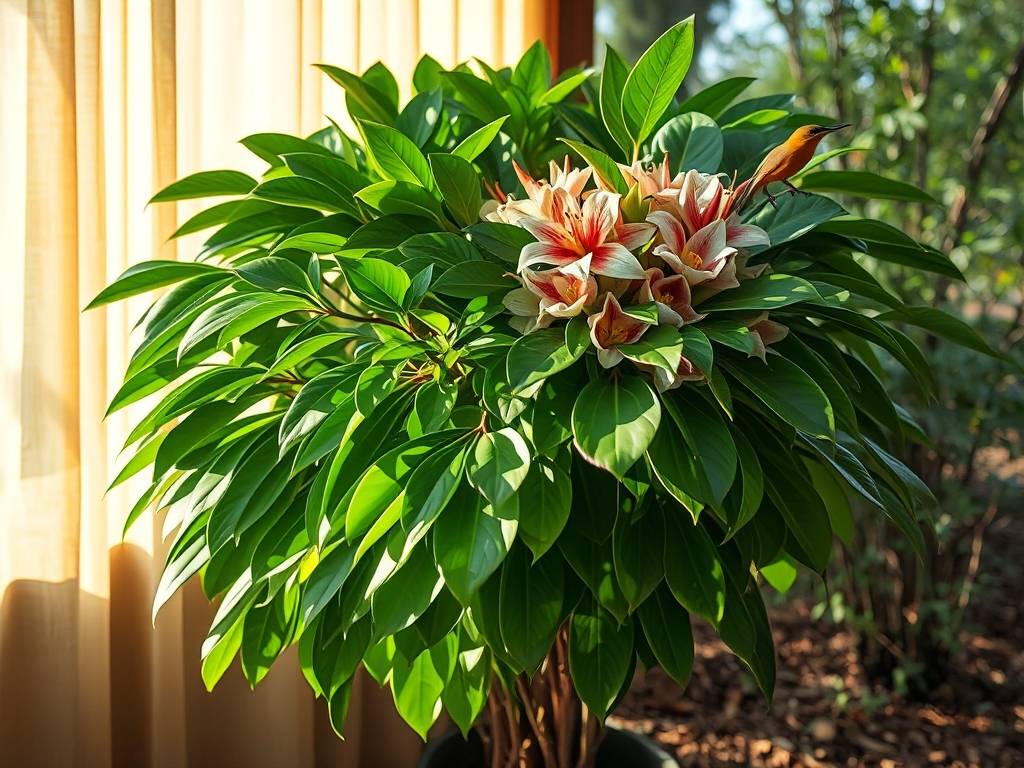
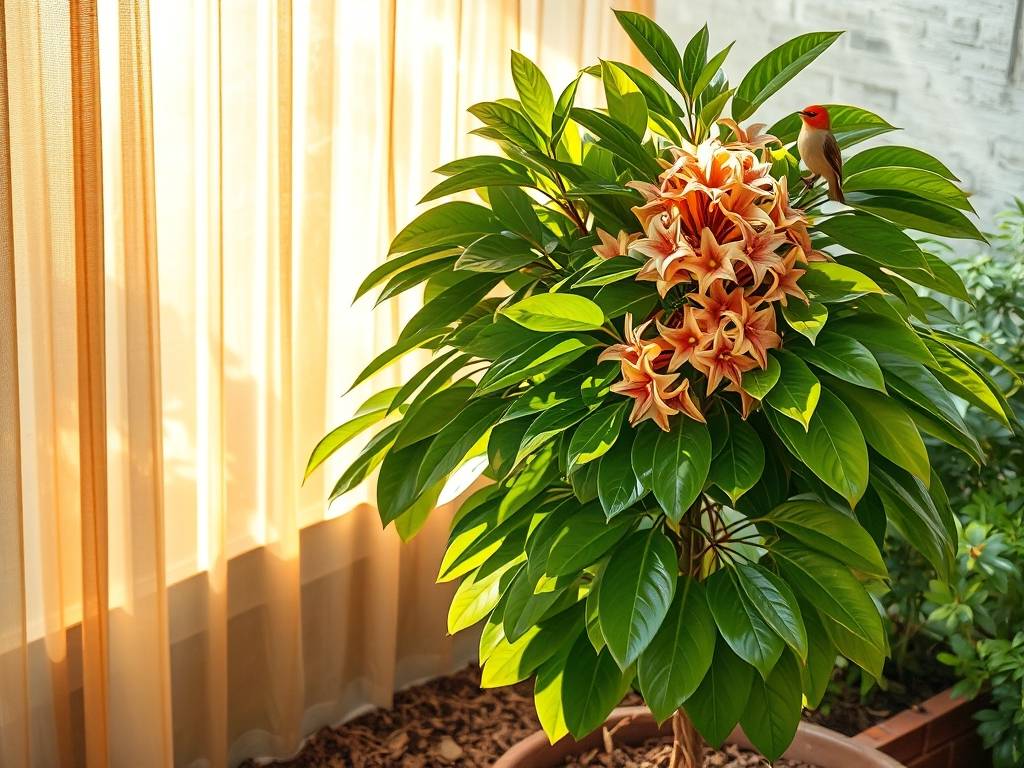
Brazilwood, known scientifically as Caesalpinia echinata, is a remarkable tropical plant that brings both visual and sensory pleasure to any space. Its impressive large green leaves create a lush canopy, while its fragrant flowers add seasonal delight. What makes this plant particularly appealing is its drought-tolerant nature, making it suitable for busy plant parents and those living in warmer climates.
This plant has gained popularity not just for its beauty but for its relatively low-maintenance requirements when you understand its basic needs. The key to successful Brazilwood care lies in replicating its natural growing conditions while accommodating its specific characteristics.
Perfect Lighting Conditions for Healthy Growth
Brazilwood plants flourish in warm light conditions that mimic their native habitat. These plants originate from tropical regions where they receive plenty of bright, indirect sunlight throughout the day. The ideal setup provides morning direct sunlight and filtered afternoon light, especially in hotter climates.
When growing Brazilwood indoors, position it near east or west-facing windows where it can receive several hours of bright, indirect light daily. The warm light requirement is crucial for encouraging flowering and maintaining the vibrant green color of those magnificent large leaves. If natural light is insufficient, consider supplementing with full-spectrum grow lights placed about 12-18 inches from the plant.
Signs of inadequate lighting include:
- Leggy growth with extended spaces between leaves
- Reduced leaf size or pale coloring
- Failure to produce fragrant flowers
- Leaning toward light sources
Conversely, too much direct sunlight can scorch the leaves, causing brown patches or yellowing. Finding that sweet spot of warm light exposure will ensure your Brazilwood maintains its ornamental appeal while supporting healthy development.
Watering Strategies for Drought-Tolerant Plants
Many plant owners find it confusing to water drought-tolerant species properly. The Brazilwood's ability to withstand dry periods doesn't mean it never needs water - rather, it has adapted to survive periods of scarcity while still benefiting from consistent moisture.
The golden rule for Brazilwood watering is to allow the soil to dry out completely between waterings. Insert your finger about two inches into the soil - if it feels dry, it's time to water. During active growth periods in spring and summer, this might mean watering every 7-10 days. In winter, reduce frequency to every 3-4 weeks as the plant's growth slows.
Proper watering technique matters as much as frequency:
- Water thoroughly until liquid drains from the bottom
- Use room temperature water to avoid root shock
- Always empty drainage trays to prevent root rot
- Consider using a moisture meter for accurate readings
Your Brazilwood care routine should adjust watering based on season, temperature, and humidity levels. Plants in brighter, warmer conditions will need more frequent watering than those in cooler, shadier spots. The drought-tolerant nature of Brazilwood makes it forgiving if you occasionally forget to water, but consistent overwatering will quickly lead to root problems.
Soil and Potting Requirements
The right soil composition is fundamental to Brazilwood plant care. These plants require well-draining soil that prevents water from pooling around roots while providing adequate nutrients. A standard cactus or succulent mix works well, or you can create your own blend using:
- Two parts potting soil
- One part perlite or coarse sand
- One part peat moss or coconut coir
This combination ensures proper drainage while retaining enough moisture to support those large green leaves. Report your Brazilwood every 2-3 years or when roots begin circling the container bottom. Choose a pot only one size larger than the current container, as too much soil can retain excess moisture.
When repotting:
- Gently loosen root-bound plants
- Inspect roots for damage or disease
- Place in new container with fresh soil
- Water lightly and avoid fertilizing for 4-6 weeks
Temperature and Humidity Preferences
Brazilwood plants thrive in typical household temperatures between 65-80°F (18-27°C). They can tolerate brief periods outside this range but may show signs of stress if exposed to temperatures below 50°F (10°C) for extended periods. Avoid placing your plant near heating vents, air conditioners, or drafty windows where temperature fluctuations are extreme.
While Brazilwood adapts to average household humidity, it appreciates occasional misting or placement near a humidifier during dry winter months. The large green leaves can accumulate dust, which you should gently wipe with a damp cloth every few weeks to maintain their health and appearance.
Fertilizing for Optimal Growth and Flowering
To support the development of those coveted fragrant flowers and maintain healthy foliage, Brazilwood benefits from regular feeding during the growing season. Use a balanced, water-soluble fertilizer diluted to half strength every 4-6 weeks from spring through early fall.
Signs your Brazilwood needs nutrients:
- Pale or yellowing leaves
- Slow growth
- Failure to produce flowers
- Small leaf size
Avoid fertilizing during winter months when the plant is dormant, as this can lead to salt buildup in the soil and potential root damage. If you notice a white crust on the soil surface, leach the soil by running water through it for several minutes to flush excess minerals.
Pruning and Maintenance Techniques
Regular pruning helps maintain your Brazilwood's shape and encourages bushier growth. The best time to prune is in early spring before new growth emerges. Use clean, sharp pruning shears to:
- Remove dead or damaged branches
- Trim leggy growth to promote fullness
- Shape the plant to your preference
- Thin crowded areas to improve air circulation
Don't be afraid to prune your Brazilwood - these plants respond well to trimming and will typically produce new growth from just below the cut points. Regular maintenance also includes inspecting for pests, though Brazilwood is relatively resistant to common houseplant insects.
Encouraging Fragrant Flowers
The fragrant flowers of Brazilwood are one of its most appealing features, but getting them to bloom can sometimes challenge indoor gardeners. Several factors influence flowering:
- Adequate light exposure is crucial - without sufficient warm light, flower buds may not form
- Mature plants are more likely to bloom than younger specimens
- Slight root restriction can sometimes stimulate flowering
- Proper seasonal temperature variations help trigger bloom cycles
If your Brazilwood refuses to flower, reassess its light exposure and consider whether it might need a period of slightly reduced watering to encourage bud formation. Patience is key, as some plants may take several years to reach flowering maturity when grown indoors.
Troubleshooting Common Brazilwood Problems
Even with proper Brazilwood plant care, you might encounter occasional issues. Here's how to address common problems:
Yellowing leaves often indicate overwatering or poor drainage. Check soil moisture and adjust your watering schedule accordingly. Brown leaf tips typically result from low humidity or chemical buildup in soil. Increase humidity and leach the soil if needed.
If leaves drop suddenly, consider whether the plant has experienced temperature stress or been moved to significantly different light conditions. Brazilwood plants prefer consistency and may react to sudden environmental changes.
Pest problems are relatively uncommon but can include scale insects or spider mites. Treat with insecticidal soap or neem oil, ensuring to cover both leaf surfaces thoroughly.
Can I grow Brazilwood in low light conditions? While Brazilwood can survive in lower light, it won't thrive. Insufficient light leads to leggy growth, reduced leaf size, and failure to produce flowers. For best results, provide bright, indirect light for at least 4-6 hours daily.
How often should I repot my Brazilwood plant? Report every 2-3 years or when roots become visibly crowded. These plants prefer being slightly root-bound, so avoid containers that are too large. Spring is the ideal time for repotting when the plant enters its active growth phase.
What causes brown spots on Brazilwood leaves? Brown spots can result from several factors including sunburn from direct light exposure, fungal issues from overwatering, or physical damage. Identify the cause by examining your care routine and adjust accordingly. Remove severely affected leaves to improve appearance and prevent potential spread of disease.
Growing a healthy Brazilwood requires attention to its specific needs for warm light, proper watering that respects its drought-tolerant nature, and conditions that support those magnificent large green leaves and fragrant flowers. By understanding these requirements and adjusting care with seasonal changes, you'll be rewarded with a stunning plant that brings tropical elegance to your space. Remember that plant care is a learning process - observe how your Brazilwood responds to different conditions and fine-tune your approach accordingly.