 bluename
 How to Care for Dragon Tree: Your Guide to a Thriving Indoor Giant
Are you struggling to keep your dragon tree looking vibrant and healthy? With its stunning large green leaves and architectural presence, the dragon tree (Dracaena marginata) is a popular choice for indoor spaces, but many plant owners find themselves battling drooping leaves or brown tips. The good news is this drought-tolerant plant is surprisingly low-maintenance when you understand its basic needs. Let's explore how to help your dragon tree thrive in warm light conditions while avoiding common care mistakes.
Understanding Your Dragon Tree's Natural Habitat
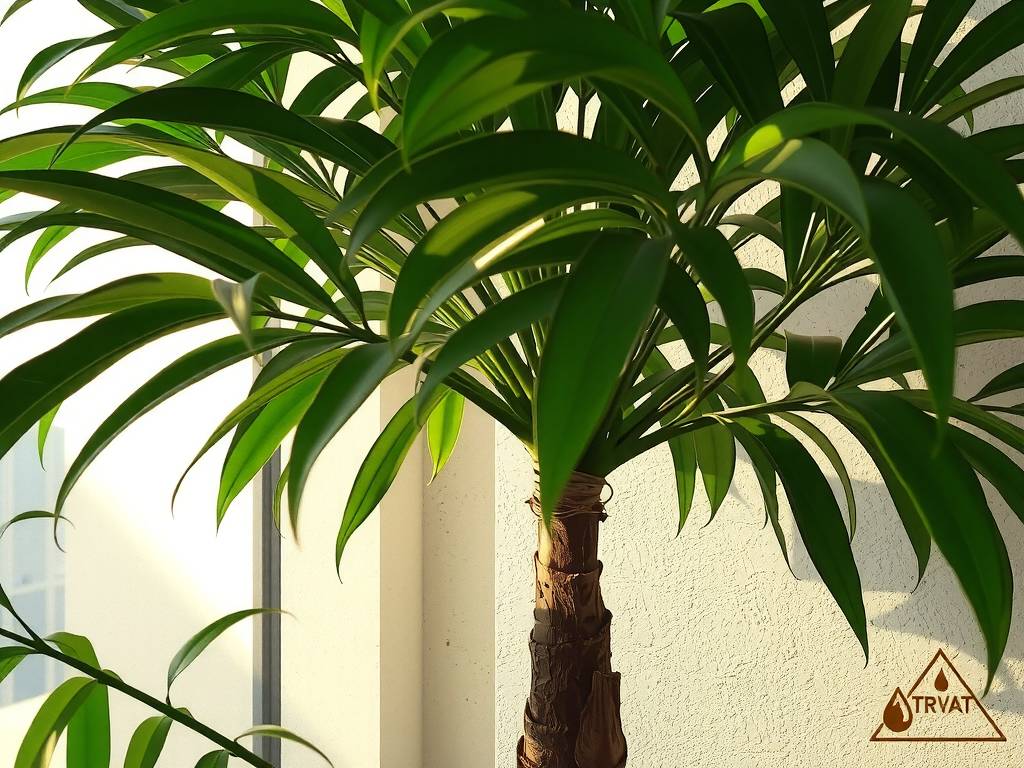
Native to Madagascar, dragon trees have evolved to survive in arid environments with intermittent rainfall and bright, filtered sunlight. This explains their remarkable drought tolerance and preference for warm conditions. When we replicate these natural conditions indoors, our plants respond with vigorous growth and those characteristic large green leaves.
According to research from the University of Florida's IFAS Extension, Dracaena species have developed water-storing capabilities in their trunks and waxy leaf coatings that minimize moisture loss. This evolutionary adaptation makes them perfectly suited for indoor environments where watering might be inconsistent.
Optimal Lighting Conditions for Dragon Trees
Dragon trees flourish in bright, indirect light – what we often describe as warm light. While they can tolerate lower light conditions, their growth may slow, and the vibrant green color of their leaves might fade.
Place your plant near east or west-facing windows where it receives plenty of ambient light without being exposed to harsh direct afternoon sun. Southern exposures work well too, provided you filter the light through sheer curtains. If you notice the leaves developing brown spots or looking scorched, your plant is likely receiving too much direct sunlight.
Rotate your dragon tree quarterly to ensure even growth, as the plant will naturally lean toward the light source. This simple practice helps maintain its symmetrical appearance and prevents it from becoming lopsided.
Watering Your Drought-Tolerant Dragon Tree
The most common mistake with dragon trees is overwatering. As drought-tolerant plants, they prefer to dry out between waterings. Stick your finger about two inches into the soil – if it feels dry, it's time to water.
During spring and summer, your dragon tree might need watering every 10-14 days. In winter, reduce frequency to every 3-4 weeks. Always use room-temperature water and ensure proper drainage, as sitting in waterlogged soil can lead to root rot.
Professional gardener Marcus Bridgewater emphasizes: "With drought-tolerant plants like the dragon tree, we must unlearn our tendency to overcare. These plants communicate their needs through subtle changes in leaf texture and color. Learning to read these signals is more valuable than sticking to a rigid watering schedule."
Soil and Potting Requirements
A well-draining potting mix is crucial for dragon tree care. Use a cactus or succulent mix, or create your own blend with regular potting soil amended with perlite or sand to improve drainage.
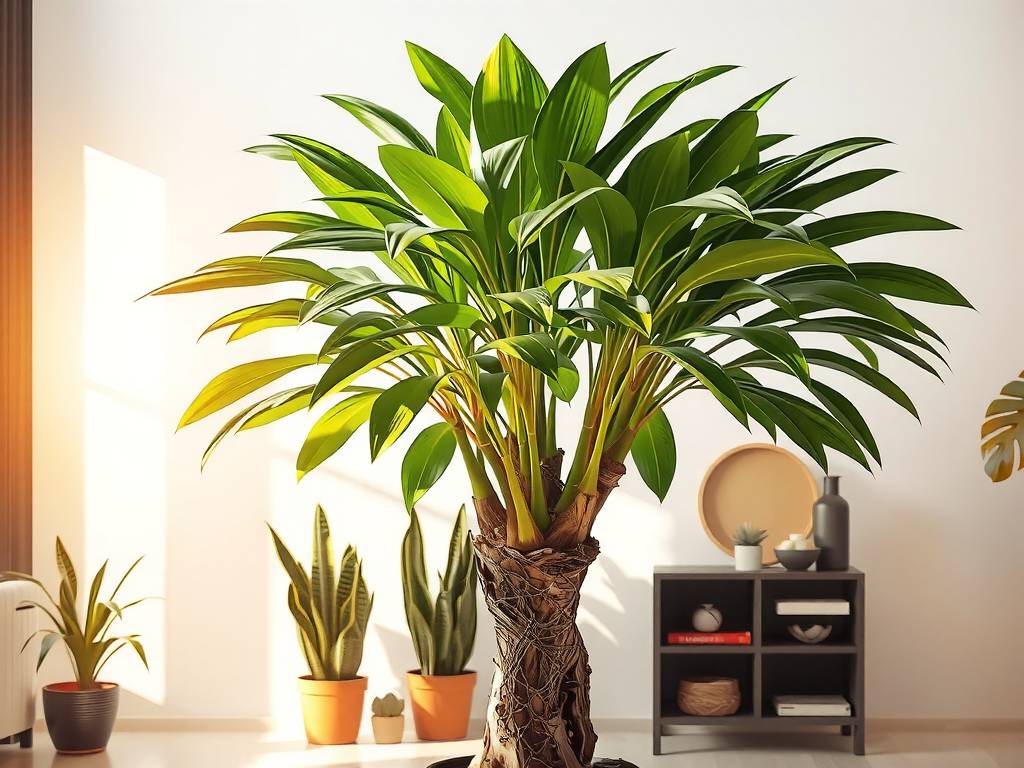
Repot your dragon tree every 2-3 years, or when you notice roots circling the bottom of the container. Choose a pot only slightly larger than the root ball, as too much soil can retain excess moisture. When repotting, gently loosen the root ball to encourage outward growth.
Temperature and Humidity Preferences
Dragon trees prefer consistent temperatures between 65-80°F (18-27°C), making them ideal for most home and office environments. Protect them from cold drafts and sudden temperature fluctuations, which can cause leaf drop.
While they adapt well to average household humidity, occasional misting or placing them on a pebble tray with water can help prevent brown leaf tips, especially during winter when indoor air tends to be drier.
Fertilizing for Healthy Growth
Feed your dragon tree with a balanced liquid fertilizer diluted to half strength during the growing season (spring through early fall). Avoid fertilizing in winter when growth naturally slows.
Over-fertilizing can cause leaf burn and tip browning, so when in doubt, err on the side of underfeeding. Many dragon tree owners find that their plants do perfectly well with just one or two feedings per year.
Pruning and Maintenance
Regularly wipe the large green leaves with a damp cloth to remove dust, which allows for better light absorption and photosynthesis. Remove any yellowing or damaged leaves to maintain appearance and plant health.
If your dragon tree becomes too tall, you can prune the top to encourage branching. Use clean, sharp pruning shears and make your cut just above a leaf node. The removed portion can often be propagated to create new plants.
Troubleshooting Common Issues
Brown leaf tips typically indicate low humidity, fluoride in water, or over-fertilization. Using filtered or distilled water can help prevent this issue.
Yellowing leaves often signal overwatering. Check your watering habits and ensure the plant has proper drainage.
Drooping leaves might indicate either too much or too little water. Assess the soil moisture to determine the appropriate action.
Pest problems are relatively rare but can include spider mites or mealybugs. Treat infestations promptly with insecticidal soap or neem oil.
Frequently Asked Questions
Why are the tips of my dragon tree leaves turning brown? Brown tips commonly result from minerals in tap water, particularly fluoride. Switching to filtered or distilled water often resolves this issue. Low humidity and over-fertilization are other potential causes.
How fast does a dragon tree grow? Under ideal conditions, dragon trees grow moderately, typically adding 6-12 inches per year. Growth slows significantly in lower light conditions. Their slow growth habit makes them excellent long-term houseplants that won't quickly outgrow their space.
Can dragon trees tolerate low light? While dragon trees prefer bright, indirect light, they can adapt to lower light conditions. However, growth will be slower, and the leaves may become less vibrant. Rotate the plant regularly to ensure all sides receive some light exposure.
With their sculptural form and resilient nature, dragon trees make magnificent additions to indoor spaces. By providing appropriate warm light, respecting their drought-tolerant nature, and following these simple care guidelines, you'll be rewarded with a stunning plant featuring those characteristic large green leaves that make this species so beloved. Remember that consistency is key – once you establish a routine that matches your plant's needs, maintenance becomes minimal, allowing you to enjoy your dragon tree's beauty for years to come.





