bluename
 How to Care for Cordyline Fruticosa: Complete Guide for Vibrant Colorful Leaves
Are you struggling to maintain the stunning appearance of your cordyline fruticosa? Those magnificent colorful leaves that initially caught your eye now show signs of distress despite your best efforts. Many plant enthusiasts find themselves frustrated when their tropical beauty's vibrant foliage begins to fade or droop. The good news is that with proper understanding of its specific needs, you can transform your struggling plant into the centerpiece of your indoor or outdoor space.
Understanding Cordyline Fruticosa Basics
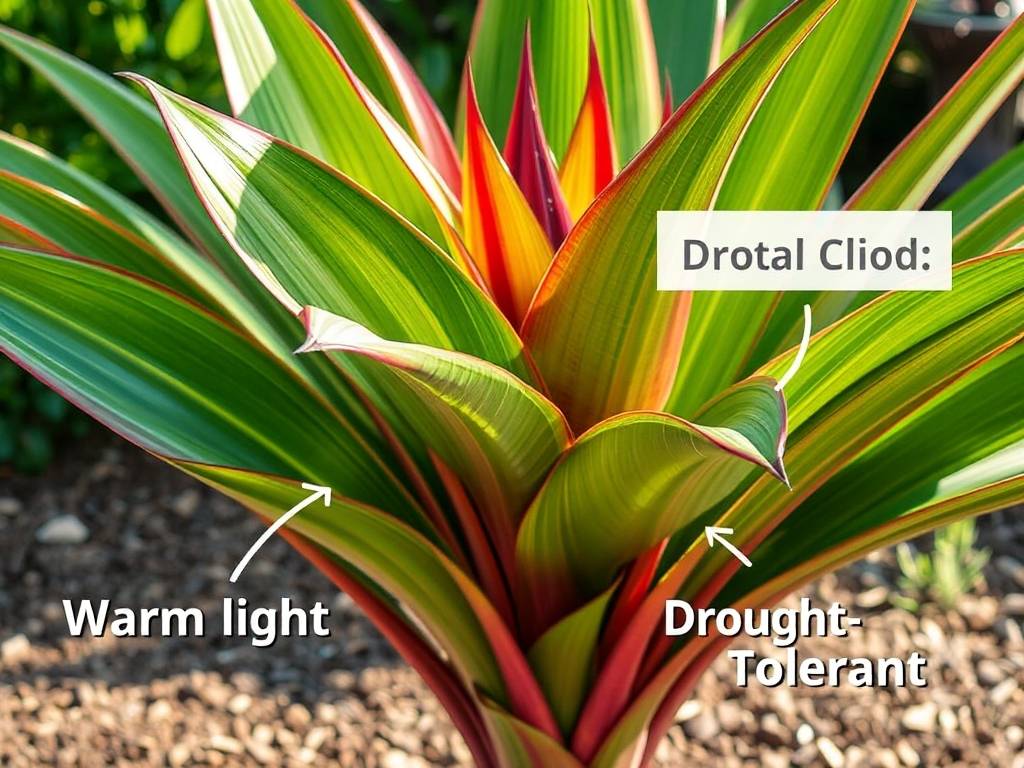
Cordyline fruticosa, commonly known as ti plant or Hawaiian ti, brings dramatic tropical flair to any setting with its large, colorful leaves. These striking plants feature broad leaves that range from deep burgundy to vibrant pink and green combinations. Native to Southeast Asia and the Pacific Islands, they've adapted to thrive in warm, humid conditions while demonstrating remarkable drought tolerance once established.
These plants can grow quite large, reaching heights of 3-10 feet when grown in optimal conditions. Their impressive size makes them perfect statement pieces for spacious rooms, patios, or as focal points in tropical garden designs. The key to success lies in replicating their natural habitat while understanding their specific care requirements.
Ideal Lighting Conditions for Optimal Growth
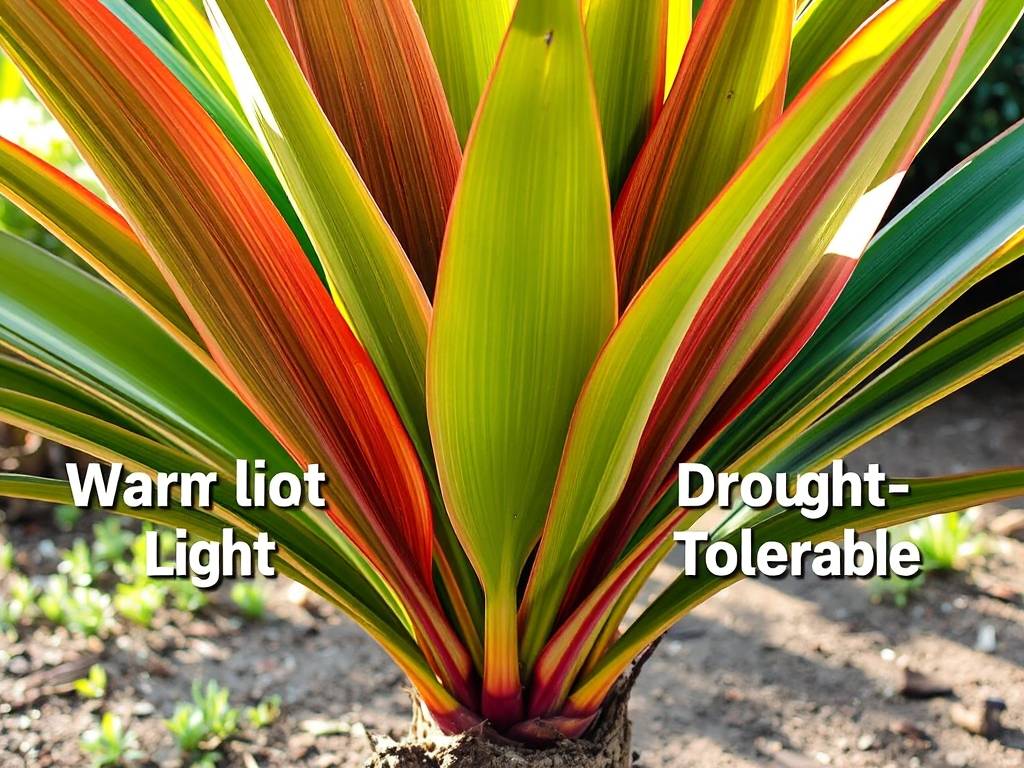
Cordyline fruticosa thrives in warm light conditions that mimic its native tropical environment. Bright, indirect light brings out the most vibrant colors in the foliage while preventing leaf scorch. Place your plant near east or west-facing windows where it receives several hours of gentle morning or afternoon sunlight.
If growing outdoors in warmer climates, provide dappled shade during the hottest part of the day. Southern exposure works well with some protection from intense midday sun. According to a study by the Tropical Plant Society, cordylines receiving 4-6 hours of filtered sunlight daily showed 40% more vibrant leaf coloration compared to those in low light conditions.
Rotate your plant quarterly to ensure even growth and prevent leaning toward the light source. Watch for signs of inadequate lighting: faded leaf colors indicate too much direct sun, while leggy growth and small leaves suggest insufficient light.
Watering Strategies for Drought-Tolerant Plants
Despite their tropical origins, cordyline fruticosa plants have developed impressive drought tolerance. Their water storage capabilities mean they prefer thorough watering followed by periods where the soil partially dries out. Wait until the top 1-2 inches of soil feel dry before watering thoroughly until water drains from the bottom.
During active growth periods in spring and summer, you might water weekly. In winter, reduce frequency to every 10-14 days. The Royal Horticultural Society notes that overwatering causes more cordyline deaths than underwatering, thanks to the plant's natural resilience to dry conditions.
Use room temperature water to avoid shocking the root system. If your tap water contains high mineral content, consider using filtered or rainwater to prevent leaf tip burn. Proper drainage is crucial—ensure your container has adequate drainage holes and never let your plant sit in standing water.
Soil Requirements and Potting Mix Formulation
The right soil composition dramatically impacts your cordyline's health and growth. These plants require well-draining soil that retains some moisture while allowing excess water to flow through easily. A quality potting mix formulated for tropical plants works well, or create your own blend with equal parts peat moss, perlite, and compost.
Repot your cordyline every 2-3 years or when roots begin circling the container bottom. Choose a pot only 1-2 inches larger than the current one to prevent soil staying wet too long. Spring is the ideal time for repotting, as the plant enters its active growth phase.
When repotting, gently loosen the root ball and remove any dead or rotting roots. Place at the same depth it was previously growing and water thoroughly after transplanting. Hold off on fertilizing for 4-6 weeks to allow the root system to establish in its new environment.
Temperature and Humidity Preferences
As tropical plants, cordylines prefer consistent warm temperatures between 65-80°F (18-27°C). Protect them from temperatures below 50°F (10°C), as cold damage can cause leaf discoloration and drop. Avoid placing plants near cold drafts, air conditioning vents, or heating sources that create fluctuating conditions.
Moderate to high humidity levels of 40-60% keep the large leaves looking their best. In dry indoor environments, increase humidity by grouping plants together, using a pebble tray with water, or running a humidifier. Regular misting provides temporary relief but isn't a long-term solution for humidity needs.
During warmer months, cordylines appreciate time outdoors in sheltered locations. Acclimate them gradually to outdoor conditions over 7-10 days to prevent shock. Bring them back indoors before nighttime temperatures drop below 60°F (15°C).
Fertilization for Vibrant Colorful Leaves
Proper nutrition enhances the spectacular leaf colors that make cordyline fruticosa so desirable. Use a balanced, water-soluble fertilizer formulated for foliage plants, applying at half-strength every 4-6 weeks during the growing season. Reduce feeding to once every 8-10 weeks in fall and winter when growth naturally slows.
Look for fertilizers containing micronutrients like magnesium and iron, which support chlorophyll production and leaf coloration. According to horticulture experts at the University of Florida Extension, cordylines respond particularly well to fertilizers with a 3-1-2 NPK ratio for optimal leaf development.
Always water your plant before applying fertilizer to prevent root burn. Flush the soil every few months by watering thoroughly until water runs freely from drainage holes, preventing salt buildup from fertilizers.
Pruning and Maintenance Techniques
Regular maintenance keeps your cordyline looking tidy and encourages bushier growth. Remove yellowing or damaged leaves at their base using clean, sharp scissors or pruning shears. Wipe larger leaves periodically with a damp cloth to remove dust, allowing better light absorption and photosynthesis.
If your plant becomes too tall or leggy, you can encourage branching by cutting back the main stem to your desired height. Make the cut just above a leaf node, and new shoots should emerge from below the cut point. The removed portion can often be propagated to create new plants.
Regularly inspect both sides of leaves for pests like spider mites, mealybugs, or scale. Early detection makes treatment easier. For minor infestations, wipe leaves with insecticidal soap or neem oil solution. Isolate affected plants until the problem resolves completely.
Troubleshooting Common Cordyline Problems
Even with proper care, cordylines occasionally encounter issues. Brown leaf tips often indicate low humidity, fluoride in water, or inconsistent watering. Yellowing leaves may signal overwatering, while drooping leaves typically need water. Leaf drop sometimes occurs after environmental changes but usually stabilizes once the plant adjusts.
If your plant's colors appear washed out, it likely needs more light. Move it gradually to a brighter location. Leggy growth with large spaces between leaves also indicates insufficient light. Pale new growth might suggest nutrient deficiencies requiring fertilizer adjustment.
Root rot presents the most serious threat, usually resulting from overwatering or poor drainage. Signs include mushy stems, rapidly yellowing leaves, and a foul odor from soil. If detected early, you might save the plant by repotting in fresh soil after removing affected roots.
Propagation Methods for Expanding Your Collection
Creating new cordyline plants lets you expand your collection or share with fellow plant enthusiasts. Stem cuttings provide the most reliable propagation method. Take 4-6 inch tip cuttings from healthy stems, remove lower leaves, and place in water or moist potting mix.
Rooting typically occurs within 4-6 weeks. Change water weekly for water propagation, or keep potting mix lightly moist for soil propagation. Once roots establish, transplant to permanent containers using well-draining soil.
Air layering offers another effective technique for larger plants. Make an upward cut about one-third through a stem, insert a toothpick to keep it open, surround with moist sphagnum moss, and wrap with plastic. Roots should form within 4-8 weeks, after which you can cut below the new roots and pot separately.
Why are the leaves on my cordyline turning brown? Brown leaf tips typically result from low humidity, chemical sensitivity to tap water, or inconsistent watering. Increase humidity levels, use filtered water, and maintain consistent watering practices to prevent further browning.
How often should I repot my cordyline fruticosa? Repot every 2-3 years in spring, or when roots become pot-bound. Choose a container only slightly larger than the current one to prevent overwatering issues. Refresh the soil annually by replacing the top few inches if repotting isn't necessary.
Can cordyline fruticosa grow in low light conditions? While cordylines tolerate lower light, their colors will become less vibrant and growth may slow considerably. For the most colorful leaves, provide bright, indirect light. They survive in medium light but won't thrive or display their full color potential.
With proper attention to lighting, watering, and environmental conditions, your cordyline fruticosa will reward you with spectacular growth and vibrant foliage. These striking plants bring tropical elegance to any space when their basic needs are met. Consistent care tailored to their preferences ensures they remain healthy and beautiful for years, developing into the impressive specimen plants they're destined to become.