bluename
 The Ultimate Guide to Cigar Plant Care for Large Specimens
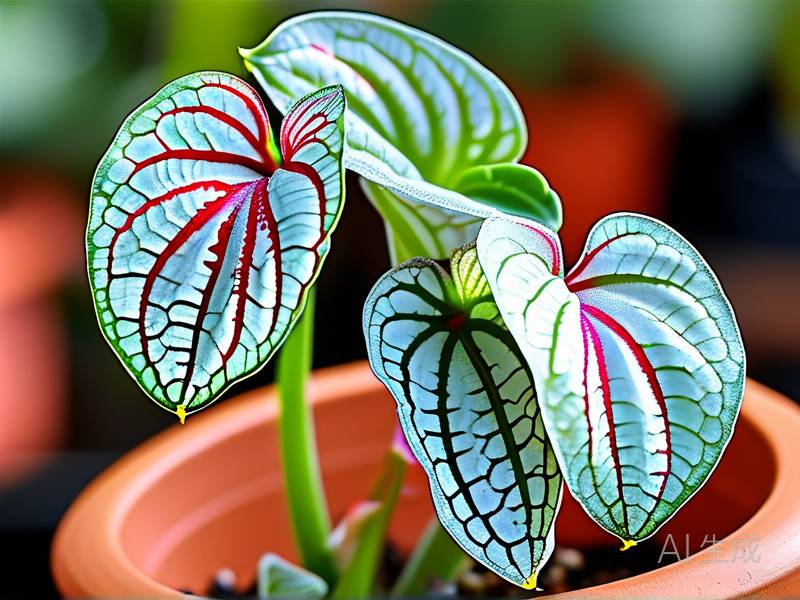
You've invested in a magnificent large cigar plant with its stunning bright foliage and delicate pale red flowers, but now you're noticing drooping leaves or lackluster growth. Keeping these impressive specimens thriving requires understanding their specific needs, particularly when it comes to light exposure and water management. Many plant enthusiasts struggle with finding the right balance, often leading to overwatering or insufficient light that hinders the plant's full potential. This comprehensive guide will walk you through every aspect of maintaining your large cigar plant's health and vibrancy.
Understanding Your Cigar Plant's Natural Habitat
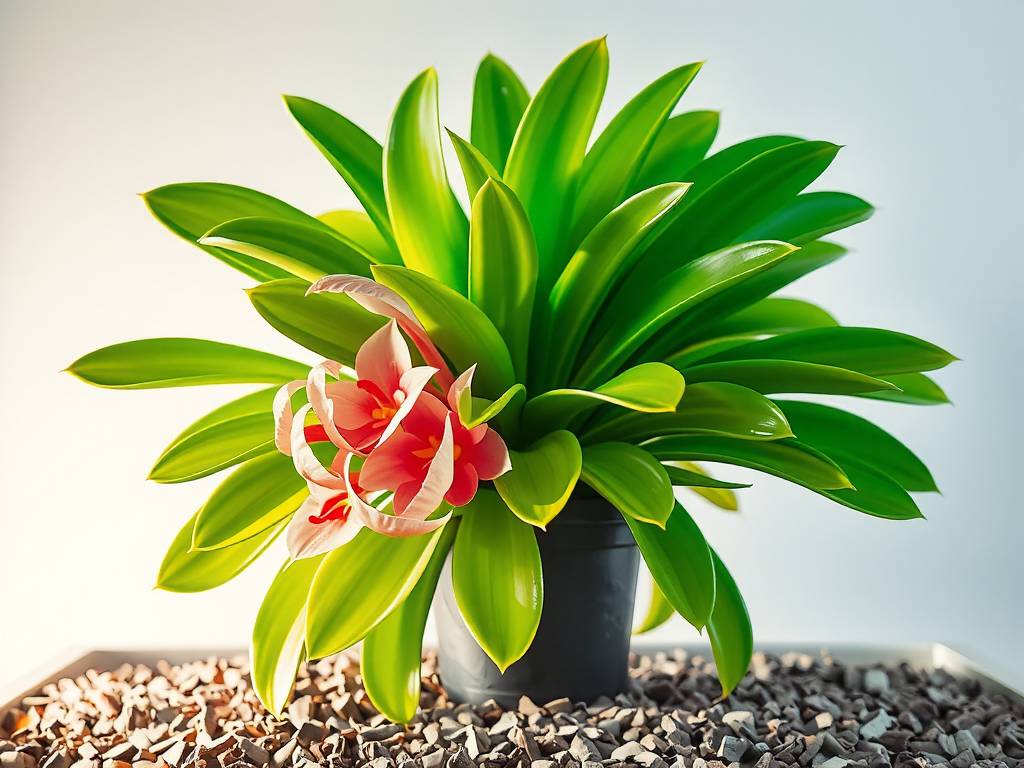
Native to tropical regions, cigar plants (Cuphea ignea) have adapted to environments with abundant warm light and periods of dry soil. These conditions have shaped their care requirements, making them particularly suited for gardeners seeking drought-tolerant specimens. Their large, bright leaves serve as solar panels while their pale red flowers attract pollinators throughout the growing season. Recognizing these innate characteristics is the first step toward successful cultivation.
Optimal Lighting Conditions for Maximum Growth
Large cigar plants flourish in warm light conditions, requiring at least six hours of direct sunlight daily. Position your plant where it can receive morning sunlight and partial afternoon shade, especially in extremely hot climates. The quality of light directly impacts flowering frequency and leaf coloration. Insufficient light often results in leggy growth and reduced flower production, while optimal exposure encourages the development of those characteristic pale red blossoms.
South-facing windows typically provide the ideal light conditions for indoor specimens. For outdoor plants, observe how sunlight moves across your garden throughout the day. According to a University of Florida horticulture study, cigar plants exposed to appropriate light intensity showed 40% more flower production and denser foliage compared to those in shaded conditions.
Mastering Watering Techniques for Drought-Tolerant Plants
The drought-tolerant nature of cigar plants makes them relatively low-maintenance, but large specimens still require thoughtful watering practices. Allow the top two inches of soil to dry completely between waterings. Insert your finger into the soil to check moisture levels rather than following a rigid schedule. When you do water, provide a thorough soaking until water drains from the bottom of the container.
During winter months, reduce watering frequency significantly as plant growth slows. Overwatering remains the most common cause of decline in these plants, potentially leading to root rot. Well-draining soil is crucial for preventing waterlogged conditions that can damage the root system.
Soil Composition and Container Selection
Large cigar plants require soil that balances moisture retention with excellent drainage. A mix containing potting soil, perlite, and coarse sand creates the ideal environment for root development. The addition of organic matter like compost provides essential nutrients while maintaining proper soil structure.
When selecting containers for your large cigar plant, choose pots with multiple drainage holes. Terracotta or clay pots offer the advantage of allowing soil to dry more evenly between waterings. Ensure the container provides adequate space for root expansion without being excessively large, as too much soil can retain unnecessary moisture.
Fertilization Strategy for Healthy Foliage and Flowers
Feed your cigar plant monthly during the growing season with a balanced, water-soluble fertilizer. A formula with equal parts nitrogen, phosphorus, and potassium (such as 10-10-10) supports both leaf development and flower production. Reduce or eliminate fertilization during winter when plant growth naturally slows.
Over-fertilization can cause salt buildup in the soil, potentially damaging the root system. If you notice leaf tip burn or white crust on the soil surface, flush the soil with clean water to remove excess salts. Some gardeners prefer organic alternatives like fish emulsion or compost tea, which provide gentle nutrition without chemical additives.
Pruning and Maintenance Practices
Regular pruning maintains your large cigar plant's shape and encourages bushier growth. Use clean, sharp pruning shears to remove dead or damaged stems, cutting just above leaf nodes. Pinching back growing tips promotes lateral branching, resulting in a fuller appearance. The best time for major pruning is early spring, before the active growing season begins.
Remove spent flowers regularly to encourage continuous blooming throughout the season. This practice, known as deadheading, directs the plant's energy toward producing new blossoms rather than seed development. Wipe dust from the large leaves periodically to ensure optimal photosynthesis.
Temperature and Humidity Considerations
Cigar plants thrive in temperatures between 65-80°F (18-27°C). Protect them from temperatures below 50°F (10°C), as cold exposure can damage foliage and stems. While these plants appreciate moderate humidity, they adapt well to average household conditions. In extremely dry environments, occasional misting can help maintain appropriate humidity levels.
When moving plants between locations with significantly different light or temperature conditions, acclimate them gradually over 7-10 days. Sudden environmental changes can cause stress, resulting in leaf drop or flowering interruption.
Troubleshooting Common Issues
Yellowing leaves often indicate overwatering or poor drainage. Check soil moisture and adjust your watering schedule accordingly. If leaves appear faded or scorched, the plant may be receiving too much direct sunlight during peak hours. Relocate to an area with filtered light during the hottest part of the day.
Pale red flowers that fail to develop properly may signal nutrient deficiencies or insufficient light. Evaluate your fertilization practices and ensure the plant receives adequate sunlight. Pest problems are relatively uncommon but can include aphids or spider mites. Treat infestations promptly with insecticidal soap or neem oil applications.
Propagating Your Cigar Plant
Expand your collection or share with friends through stem cuttings. Take 4-6 inch cuttings from healthy stems, removing lower leaves. Dip the cut end in rooting hormone and place in a moist potting mix. Maintain consistent moisture until roots establish, typically within 3-4 weeks. New growth indicates successful root development.
Seasonal Care Adjustments
As daylight hours decrease in autumn, reduce watering and discontinue fertilization. Protect outdoor plants from early frosts by moving them indoors or providing cover. During winter, water sparingly, only when the soil becomes completely dry. Resume regular care in spring as new growth emerges.
Can I grow cigar plants in low light conditions? While cigar plants tolerate some shade, they require several hours of direct sunlight daily to produce their characteristic pale red flowers and maintain vibrant leaf coloration. Insufficient light typically results in sparse growth and reduced flowering.
How often should I repot my large cigar plant? Repot every 2-3 years or when roots become visible through drainage holes. The best time for repotting is early spring, before the active growing season begins. Choose a container only slightly larger than the current one to prevent overwatering issues.
What causes leaf drop in cigar plants? Sudden leaf drop often results from environmental changes, particularly temperature fluctuations or improper watering. Evaluate recent changes in conditions and adjust care accordingly. Consistent proper care typically resolves this issue within a few weeks.
With appropriate warm light exposure and mindful watering practices, your large cigar plant will reward you with spectacular bright foliage and abundant pale red flowers. These drought-tolerant specimens bring tropical elegance to any space when their basic needs are met. Remember that observing your plant's response to care adjustments provides the most valuable guidance for long-term success. The distinctive beauty of well-maintained cigar plants makes the effort truly worthwhile.