bluename
 The Complete Guide to Thriving Large Parlor Palm Care
You've invested in a beautiful large parlor palm, envisioning it as the stunning centerpiece of your living space. But now you're noticing brown tips, yellowing fronds, or worse – drooping leaves that suggest your plant is struggling. Many indoor gardeners face these exact challenges with their large indoor palms, often due to improper light exposure, watering mistakes, or humidity issues. The good news? With the right knowledge, your parlor palm can not only survive but truly flourish, maintaining that gorgeous, lush appearance that first caught your eye.
Understanding Your Parlor Palm's Natural Habitat
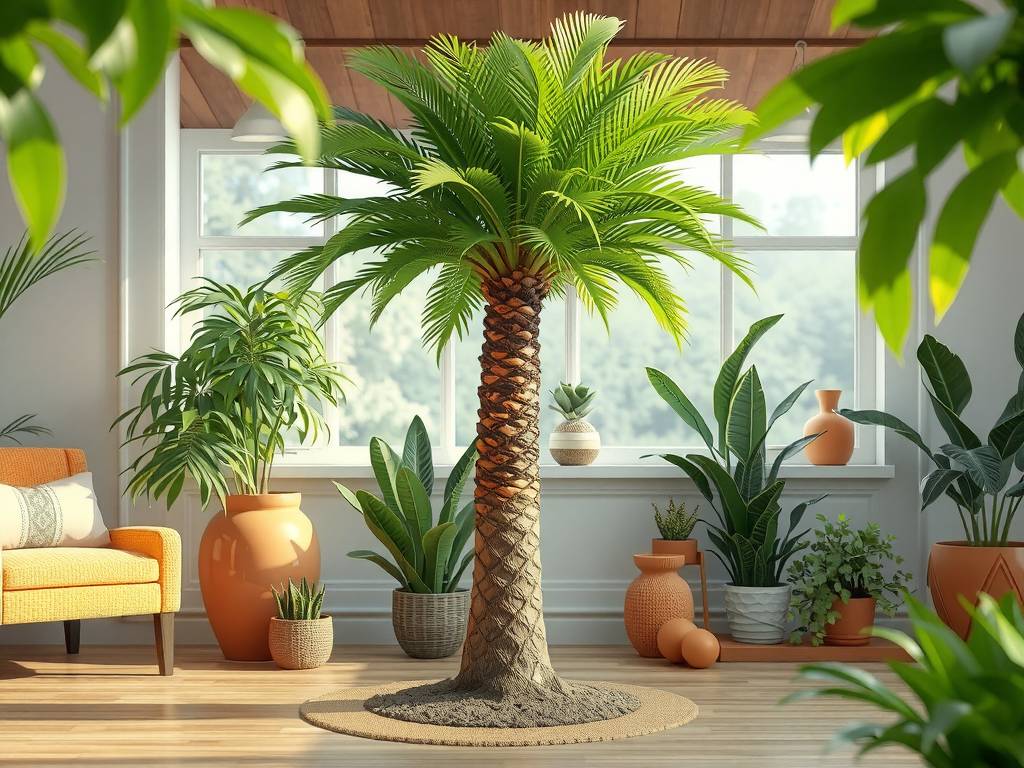
Native to the rainforests of Southern Mexico and Guatemala, parlor palms (Chamaedorea elegans) evolved as understory plants beneath dense jungle canopies. This origin explains their preference for warm partial shade conditions and their adaptability to indoor environments. Unlike many tropical plants that demand direct sunlight, these palms actually thrive in the filtered light conditions typical of most homes and offices. Their natural growth pattern creates that appealing full, rounded shape that makes large specimens such attractive statement plants.
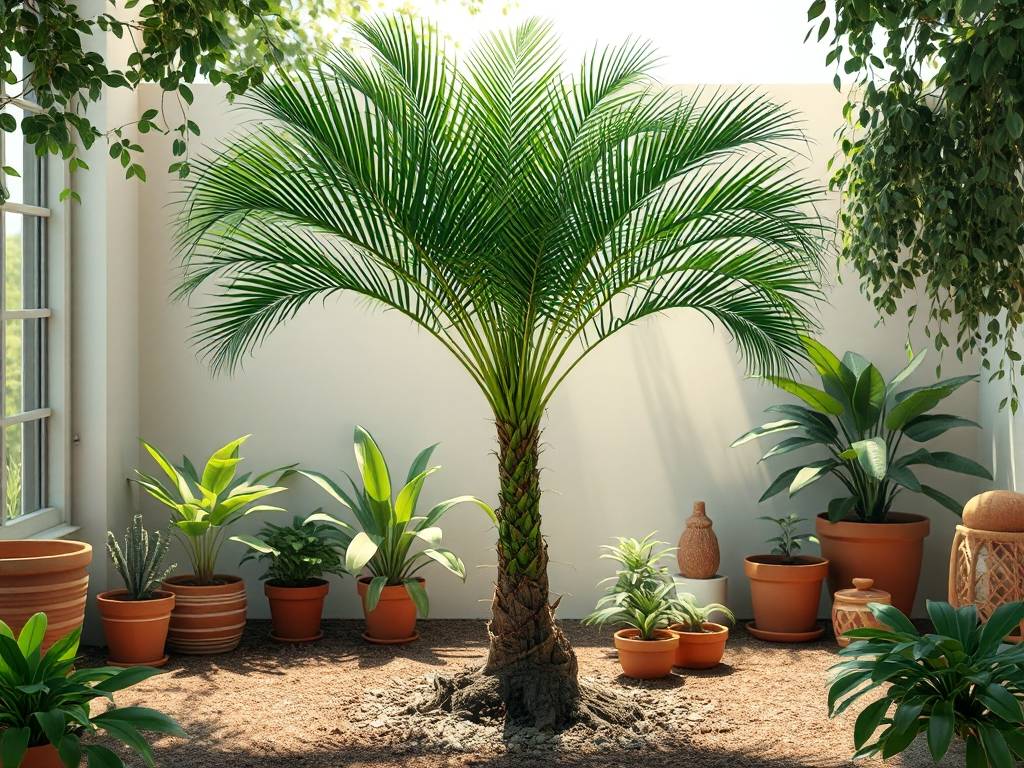
Perfect Lighting Conditions: Warm Partial Shade Explained
Getting the light right is crucial for maintaining your palm's health and that desirable large cute shape. Position your plant where it receives bright, indirect light – near east or north-facing windows is often ideal. South or west-facing locations can work if you filter the light through sheer curtains or place the plant several feet back from the window. Watch for telltale signs: if leaves develop brown, scorched patches, your palm is getting too much direct sun. Conversely, if growth becomes leggy with excessive space between fronds, it's likely craving more light. Rotate your plant quarterly to ensure even growth on all sides, helping maintain its symmetrical beauty.
Watering Mastery: Moist But Never Waterlogged
This is where most parlor palm owners go wrong. These plants prefer consistently moist soil, but absolutely cannot tolerate waterlogged conditions that lead to root rot. The finger test remains the most reliable method – insert your finger about two inches into the soil. If it feels dry at that depth, it's time to water thoroughly until water runs through the drainage holes. Always empty the saucer beneath your pot after watering to prevent the roots from sitting in water. During winter, reduce watering frequency as plant growth slows and evaporation decreases. Proper drainage is non-negotiable; ensure your container has adequate drainage holes and consider adding a layer of gravel or pebbles at the bottom for extra protection against water accumulation.
Humidity and Temperature: Creating a Tropical Microclimate
While parlor palms are more tolerant of average household humidity than many tropical plants, they truly appreciate extra moisture in the air, especially during winter months when heating systems dry the air. Ideal humidity levels range between 40-50%. You can boost humidity by grouping plants together, using a pebble tray filled with water beneath your palm, or running a humidifier nearby. Mist your palm's leaves weekly with filtered water to replicate the dewy conditions of its native habitat. Maintain temperatures between 65-80°F (18-27°C), avoiding cold drafts from windows or doors and heat vents that can blast dry air directly onto the foliage.
Soil and Fertilization Needs
A well-draining potting mix is essential for healthy parlor palm growth. Use a quality peat-based potting soil amended with perlite or bark to improve aeration and drainage. These palms aren't heavy feeders, but they benefit from monthly fertilization during the growing season (spring through summer) with a balanced, water-soluble fertilizer diluted to half strength. Avoid fertilizing in fall and winter when growth naturally slows. Over-fertilization can cause salt buildup in the soil, leading to brown leaf tips – if you notice a white crust forming on the soil surface, flush the soil with water to leach out excess salts.
Pruning and Maintenance for Optimal Shape
Regular maintenance helps your large parlor palm maintain its attractive appearance. Remove yellow or brown fronds by cutting them at the base with clean, sharp scissors. Wipe dust from leaves monthly with a damp cloth to allow for efficient photosynthesis. Every couple of years, you may need to repot your palm into a slightly larger container – look for roots emerging from drainage holes or circling the surface as indicators it's time. When repotting, choose a container only 1-2 inches larger in diameter to prevent excess soil from staying wet too long.
Troubleshooting Common Parlor Palm Problems
Brown leaf tips often indicate low humidity, underwatering, or chemical sensitivity to tap water. Using distilled or filtered water can prevent this issue. Yellowing leaves typically signal overwatering – check your watering schedule and ensure proper drainage. If you notice tiny webs or speckling, spider mites might be the culprit; treat immediately with insecticidal soap or neem oil. Drooping leaves can result from either extreme – too much or too little water – so always check soil moisture before adjusting your care routine.
Why is my parlor palm developing brown tips? Brown leaf tips usually indicate low humidity, mineral buildup from tap water, or inconsistent watering. Increase humidity around your plant, switch to filtered water, and maintain more consistent soil moisture to prevent further browning.
How often should I water my large parlor palm? There's no fixed schedule – watering frequency depends on factors like light exposure, temperature, and humidity. Instead of counting days, check soil moisture regularly. During active growth, most large parlor palms need water every 7-10 days, but always verify by testing the soil first.
Can my parlor palm tolerate low light conditions? While these palms are relatively tolerant of lower light compared to many plants, they still need bright, indirect light to thrive. In insufficient light, growth will slow significantly, and the plant may become leggy. For the healthiest plant with the most attractive shape, provide the warm partial shade conditions they naturally prefer.
With consistent care matching their natural preferences, your large parlor palm will reward you with years of beautiful growth. These resilient plants respond wonderfully to proper lighting, careful watering, and occasional attention to their humidity needs. The full, graceful shape of a well-maintained parlor palm brings a touch of tropical elegance to any space, making the effort of proper care truly worthwhile. Remember that plant care is a learning process – observe how your palm responds to different conditions and adjust your routine accordingly.