bluename
 How to Care for Your Areca Palm: A Complete Guide to Growing Lush, Tropical Foliage
You've invested in a stunning areca palm with its graceful, large pinnate leaves that instantly transform any space into a tropical paradise. But now you're noticing brown tips on those beautiful fronds, or perhaps the vibrant green is fading to yellow. Keeping these large plants thriving can be challenging when you're unsure about their specific needs. The good news? Areca palms are surprisingly resilient when you understand their preferences for warm, humid conditions and their moderate drought tolerance.
This comprehensive guide will walk you through every aspect of areca palm care, helping you maintain a spectacular, healthy plant that becomes the centerpiece of your indoor jungle.
Understanding Your Areca Palm's Natural Habitat
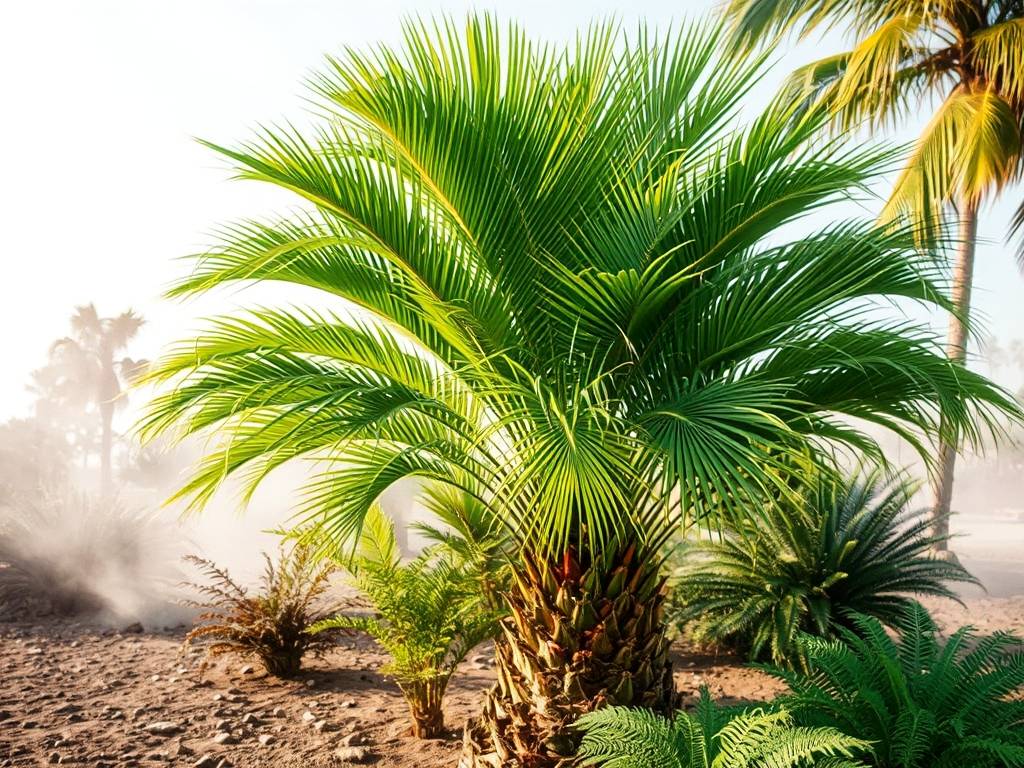
Native to Madagascar, areca palms (Dypsis lutescens) thrive in tropical environments with consistent warmth and humidity. Their natural habitat provides dappled sunlight beneath forest canopies and well-draining soil that retains moisture without becoming waterlogged. Understanding these origins is key to recreating similar conditions in your home.
These popular indoor plants have earned their reputation as one of the best air-purifying species, effectively removing toxins from your indoor environment while adding dramatic visual appeal with their arching fronds.
Optimal Lighting Conditions for Healthy Growth
Areca palms prefer bright, indirect light that mimics the filtered sunlight of their native habitat. Position your large plant near an east or west-facing window where it will receive plenty of light without being exposed to harsh direct sun, which can scorch those delicate pinnate leaves.
If you notice the leaves turning yellowish, this may indicate too much direct sunlight. Conversely, if growth appears slowed and the plant seems to be stretching toward light sources, it likely needs brighter conditions. Rotate your palm periodically to ensure even growth on all sides.
The Perfect Watering Routine
Mastering the watering schedule is crucial for areca palm care. While these plants appreciate consistent moisture, they're also moderately drought-tolerant and highly susceptible to root rot from overwatering. The goal is to maintain evenly moist soil during the growing season (spring through summer), allowing the top inch to dry out between waterings.
During winter months, reduce watering frequency, waiting until the top two inches of soil feel dry. Always use your finger to test soil moisture rather than following a rigid calendar schedule. Water thoroughly until it drains from the bottom, then empty the drainage tray to prevent the roots from sitting in water.
Humidity Requirements for Lush Foliage
As tropical plants, areca palms thrive in humid environments. The large surface area of their pinnate leaves means they lose moisture relatively quickly in dry indoor air, often resulting in brown leaf tips. Maintaining 40-50% humidity will keep your palm looking its best.
Several effective methods can boost humidity around your plant:
- Group plants together to create a microclimate with higher humidity
- Use a humidifier placed near the plant
- Set the pot on a pebble tray filled with water
- Mist the leaves regularly with filtered water
Bathrooms with windows often provide ideal conditions thanks to their naturally higher humidity levels.
Temperature and Seasonal Considerations
Areca palms prefer consistently warm temperatures between 65-75°F (18-24°C). Protect them from sudden temperature fluctuations, cold drafts from windows or air conditioning vents, and heat sources like radiators that can create overly dry conditions.
During summer months, your palm may benefit from being moved outdoors to a shaded patio or deck, but always acclimate it gradually to prevent shock. Bring it back indoors well before nighttime temperatures drop below 55°F (13°C).
Soil and Fertilization Needs
A well-draining potting mix is essential for healthy areca palms. Look for blends specifically formulated for palms, or create your own using equal parts peat moss, pine bark, and perlite or coarse sand. These components provide both moisture retention and adequate drainage while allowing oxygen to reach the roots.
Feed your areca palm with a balanced, water-soluble fertilizer diluted to half strength every 4-6 weeks during the active growing season. Alternatively, use a slow-release palm-specific fertilizer applied in spring and mid-summer. Avoid fertilizing during winter months when growth naturally slows.
Pruning and Maintenance Techniques
Regular maintenance keeps your areca palm looking its best. Remove yellow or brown fronds by cutting them close to the main stem using clean, sharp pruning shears. Always disinfect your tools before use to prevent disease transmission.
Dust can accumulate on the large leaves, hindering photosynthesis. Wipe the fronds gently with a damp cloth every few weeks, or give the plant a gentle shower to rinse away dust. This not only keeps your palm healthy but also showcases its beautiful foliage.
Repotting Your Growing Palm
Areca palms typically need repotting every 2-3 years, or when roots become visibly pot-bound. Signs that your plant needs more space include roots growing through drainage holes, slowed growth despite proper care, or the plant becoming top-heavy and unstable.
Choose a new container only one size larger than the current pot, as too much excess soil can retain unnecessary moisture. The best time for repotting is spring, as the plant enters its active growth phase. Be gentle with the root system during the process to minimize transplant shock.
Troubleshooting Common Problems
Even with excellent care, you may encounter some issues with your areca palm. Here are solutions to common problems:
Brown leaf tips typically indicate low humidity or inconsistent watering. Increase humidity levels and review your watering practices. You can trim the brown tips following the natural shape of the leaf.
Yellowing leaves often signal overwatering or poor drainage. Check that your pot has adequate drainage and adjust your watering schedule. Also ensure the plant isn't sitting in a drainage tray filled with water.
Pest infestations, particularly spider mites and mealybugs, can occasionally affect areca palms. Treat early infestations by wiping leaves with insecticidal soap or neem oil solution, paying special attention to the undersides of the fronds.
Propagating New Plants
While areca palms are typically propagated from seed, mature plants can be divided during repotting. Carefully separate the root ball into sections, ensuring each division has several healthy stems and an adequate root system. Plant divisions in appropriate-sized containers with fresh potting mix and provide consistent moisture as they establish.
Frequently Asked Questions
Why are the tips of my areca palm turning brown? Brown tips usually result from low humidity, fluoride in water, or inconsistent watering. Use filtered water, increase humidity around the plant, and maintain a consistent watering schedule to prevent this issue.
How fast does an areca palm grow? Under ideal conditions, areca palms can grow 6-10 inches per year, eventually reaching up to 8 feet indoors. Growth rate depends on factors like light exposure, fertilization, and overall care quality.
Can I put my areca palm outside during summer? Yes, areca palms can enjoy summer outdoors in a shaded or partially shaded location protected from direct afternoon sun. Remember to acclimate the plant gradually to outdoor conditions over 7-10 days to prevent shock.
Growing a magnificent areca palm brings a touch of the tropics to your home while purifying your air. By providing the right balance of bright indirect light, consistent moisture, adequate humidity, and proper nutrition, you'll be rewarded with a stunning specimen that enhances your space for years to come. Remember that plant care is a learning process—observe how your palm responds to different conditions and adjust your care routine accordingly. The effort you invest in understanding this beautiful plant's needs will pay dividends in lush, vibrant growth that transforms your indoor environment.