bluename
 How to Care for Kentia Palm: The Ultimate Guide to Growing Large, Healthy Indoor Palms
Are you struggling to keep your Kentia palm thriving? This elegant large plant with its graceful upright leaves can transform any indoor space, but improper care often leads to yellowing leaves, stunted growth, and disappointing results. Many plant enthusiasts find themselves wondering why their Kentia palm isn't reaching its full potential despite their best efforts.
Understanding Your Kentia Palm's Natural Habitat
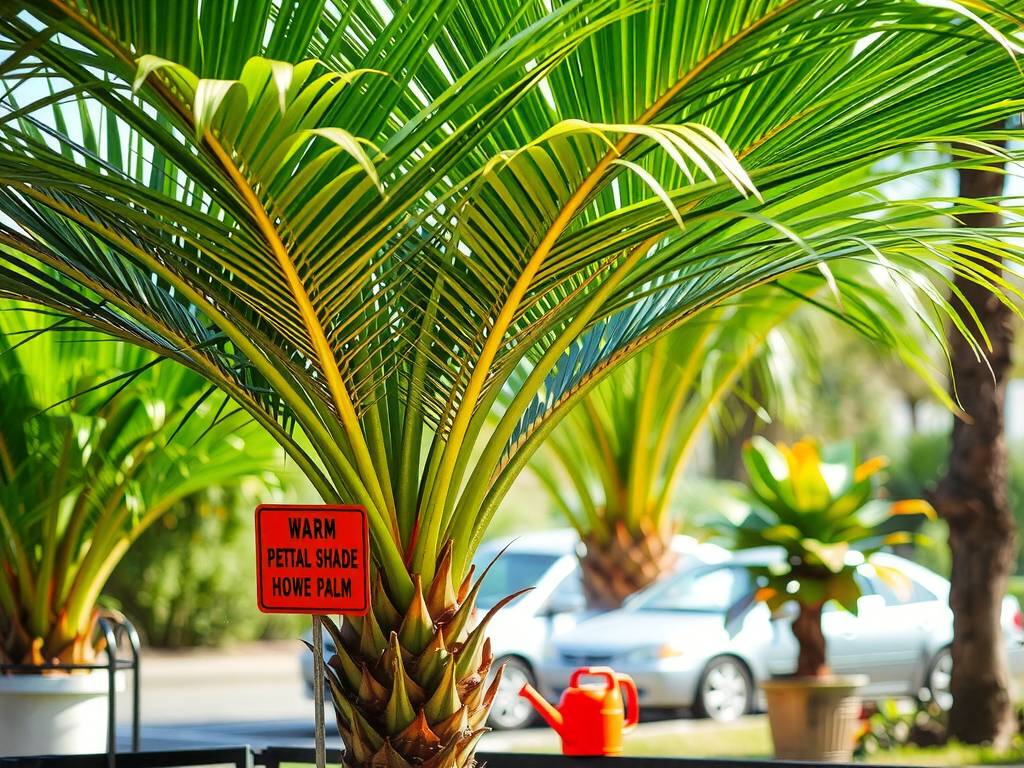
Native to Lord Howe Island off the eastern coast of Australia, the Kentia palm (Howea forsteriana) evolved in specific conditions that we must replicate for optimal growth. These palms naturally grow under the canopy of larger trees, which explains their preference for filtered light and protection from direct sun exposure. Understanding this background helps us create the perfect environment for our indoor specimens.
Light Requirements: Warm Partial Shade Explained
Kentia palms flourish in warm partial shade conditions, making them exceptionally well-suited for indoor environments. The key is providing bright, indirect light without exposing the plant to direct sunlight, which can scorch those beautiful large upright leaves. Position your palm near east or north-facing windows where it can enjoy gentle morning light while being protected from harsh afternoon sun.
If you notice the leaves turning yellow or developing brown spots, this often indicates too much direct sunlight. Conversely, if the plant appears leggy with widely spaced leaves, it might need more light. Rotate your Kentia palm quarterly to ensure even growth, as the leaves will naturally lean toward the light source.
Watering Techniques: Maintaining Perfect Moisture Levels
The golden rule for Kentia palm watering is keeping the soil consistently moist while avoiding waterlogging at all costs. These plants prefer a moderate watering schedule where the top inch of soil dries out between waterings. During warmer months, this typically means watering once every 7-10 days, reducing frequency to every 14-21 days in winter when growth slows.
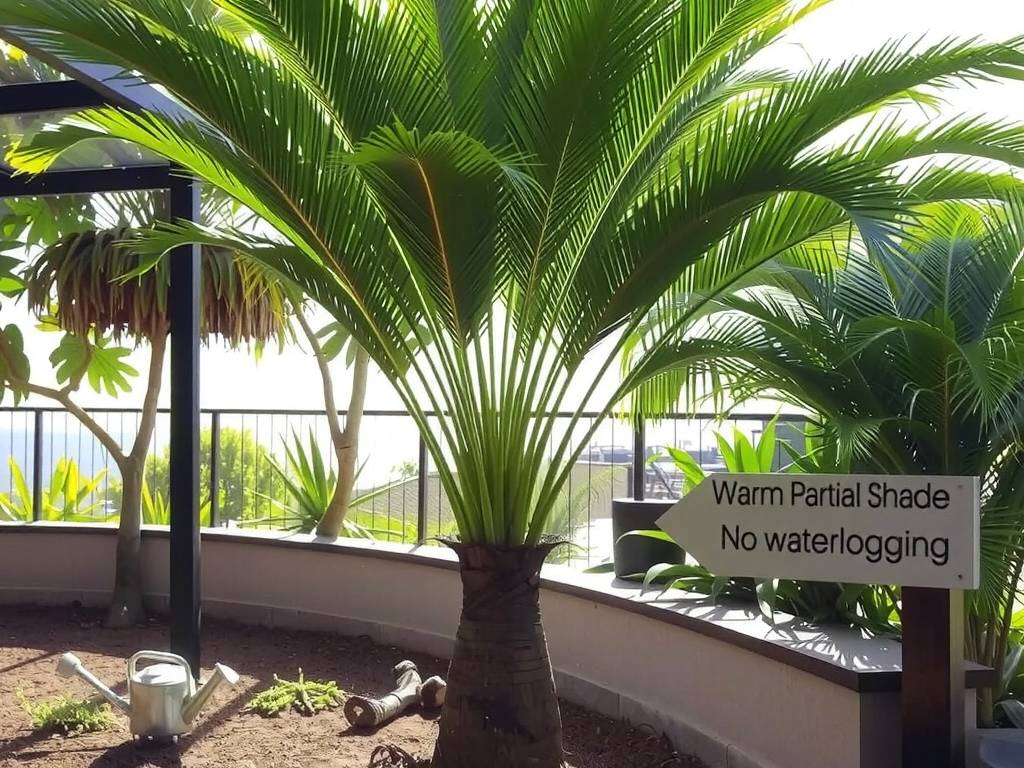
Use your finger to test soil moisture before watering. If the top two inches feel dry, it's time to water thoroughly until liquid drains from the bottom of the pot. Always empty the drainage saucer within 30 minutes to prevent root rot. According to a University of Florida horticulture study, proper drainage prevents more than 80% of common palm health issues.
Soil and Potting Requirements
Choosing the right soil mixture is crucial for preventing waterlogging while maintaining adequate moisture. A well-draining potting mix with good aeration properties works best. Combine two parts peat-based potting mix with one part perlite and one part coarse sand to create the ideal medium. Repot your Kentia palm every 2-3 years in spring, gradually increasing pot size by just 2 inches each time to avoid oversizing.
Temperature and Humidity Preferences
Kentia palms thrive in temperatures between 65-85°F (18-29°C), making them perfect for most home and office environments. Protect them from drafts, air conditioning vents, and sudden temperature fluctuations. While they tolerate average household humidity, boosting moisture levels through occasional misting or using a humidifier will keep those large upright leaves looking their best.
Fertilizing for Optimal Growth
Feed your Kentia palm with a balanced liquid fertilizer diluted to half strength every 2-3 months during the growing season (spring through early fall). Avoid fertilizing in winter when the plant's growth naturally slows. Over-fertilization can cause leaf tip burn, so when in doubt, err on the side of underfeeding rather than overfeeding.
Pruning and Maintenance
Maintain your Kentia palm's elegant appearance by regularly removing yellow or brown fronds. Use clean, sharp pruning shears to cut leaves close to the main stem without damaging it. Dust accumulation on the large upright leaves can hinder photosynthesis, so wipe them gently with a damp cloth every few weeks to keep them clean and healthy.
Troubleshooting Common Kentia Palm Problems
Brown leaf tips often indicate underwatering or low humidity, while yellowing leaves may signal overwatering. If you notice small webs or sticky residue, check for spider mites and treat immediately with insecticidal soap. Root rot from waterlogging presents as rapidly yellowing leaves and a musty smell from the soil—address this immediately by repotting into fresh, well-draining mix.
How often should I water my Kentia palm during winter? Reduce watering frequency significantly during winter months, allowing the soil to dry out more between sessions. Typically, watering every 14-21 days suffices, but always check soil moisture first rather than following a rigid schedule.
Why are the tips of my Kentia palm turning brown? Brown tips usually result from low humidity, chemical sensitivity (to fluoride or chlorine in tap water), or inconsistent watering. Use filtered water and maintain more consistent moisture levels to prevent this issue.
Can Kentia palms tolerate low light conditions? While they prefer bright, indirect light, Kentia palms can adapt to lower light conditions better than many other palm species. However, growth will slow significantly, and the plant may become leggy over time.
With proper attention to light, watering, and environmental conditions, your Kentia palm will reward you with years of lush, tropical beauty. These resilient plants respond wonderfully to consistent care, developing into stunning specimens that bring elegance and vitality to any space. Remember that patience is key—Kentia palms grow slowly but steadily, and your dedication will be reflected in their magnificent appearance over time.