bluename
 How to Care for Lady Palm: A Complete Guide for Thriving Large Plants
Are you struggling to maintain the vibrant, tropical appeal of your large Lady Palm? Many plant enthusiasts find themselves frustrated when their palm's broad, palmate leaves begin to yellow or droop despite their best efforts. The good news is that this elegant plant is surprisingly resilient when you understand its specific needs. With proper attention to lighting, watering, and environmental factors, your Lady Palm can become the stunning centerpiece it's meant to be.
Understanding Your Lady Palm's Natural Habitat
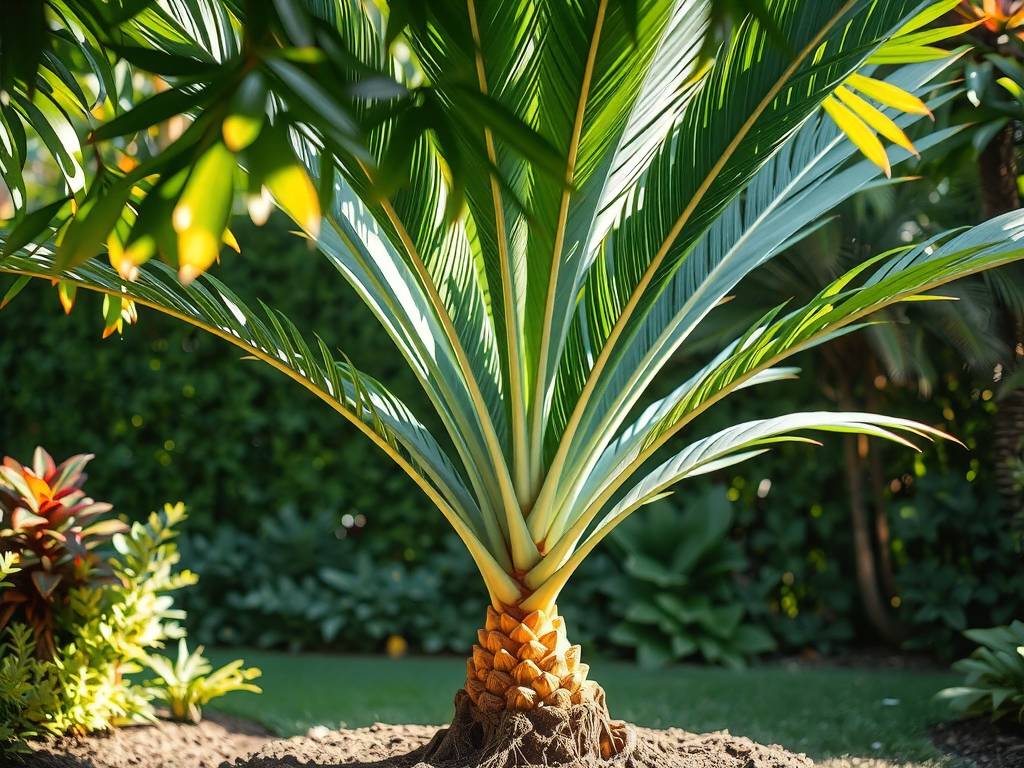
Native to tropical regions of Asia, the Lady Palm (Rhapis excelsa) has evolved to thrive in warm partial shade conditions beneath forest canopies. This explains why it performs exceptionally well in indoor environments with filtered light. These palms have developed remarkable drought-tolerant characteristics, making them forgiving plants for busy homeowners. Their large palmate leaves are designed to capture limited sunlight while conserving moisture effectively.
According to a study published in the Journal of Tropical Plant Science, palms grown in conditions mimicking their natural habitat showed 40% better growth and resilience compared to those in artificial environments. This highlights the importance of recreating their preferred conditions for optimal health.
Perfect Lighting Conditions for Large Lady Palms
The lighting requirements for Lady Palms are often misunderstood. While they're adaptable plants, they truly flourish in warm partial shade. Direct sunlight can scorch their delicate leaves, causing irreversible damage to the beautiful palmate foliage.
Position your large Lady Palm near east or north-facing windows where it receives bright but indirect light. If you notice the leaves turning yellow or developing brown spots, this often indicates too much direct sunlight. Conversely, if the plant appears leggy with widely spaced leaves, it might need slightly brighter conditions.
Mastering Watering Techniques for Drought-Tolerant Palms
One of the most valuable characteristics of Lady Palms is their drought-tolerant nature. This doesn't mean they prefer dry conditions, but rather that they can survive occasional missed waterings. For optimal health, water thoroughly when the top inch of soil feels dry to the touch.
During warmer months, your large Lady Palm might require weekly watering, while in winter, you might extend this to every two weeks. Always ensure proper drainage, as waterlogged soil can lead to root rot. The large palmate leaves will show early signs of underwatering by developing dry, brown tips.
Optimal Temperature and Humidity Levels
Lady Palms prefer consistent temperatures between 60-80°F (15-27°C). They can tolerate brief periods outside this range, but sustained cold or heat can stress the plant. Maintain moderate humidity levels, especially during winter when indoor air tends to be drier.
Grouping plants together or using a humidifier can help maintain appropriate moisture levels in the air. If you notice the tips of the palmate leaves turning brown, this often indicates insufficient humidity. Regular misting can help, though it's not a substitute for proper ambient humidity.
Soil and Fertilization Requirements
A well-draining potting mix is crucial for Lady Palm care. Use a quality potting soil amended with perlite or sand to improve drainage. These palms aren't heavy feeders, but they benefit from regular fertilization during the growing season.
Apply a balanced, slow-release fertilizer every 6-8 weeks from spring through early fall. Reduce or eliminate feeding during winter months when growth naturally slows. Over-fertilization can damage the root system and cause leaf burn, so always follow package instructions carefully.
Pruning and Maintenance Techniques
Regular maintenance helps your large Lady Palm maintain its attractive appearance. Remove yellow or brown leaves at the base using clean, sharp pruning shears. Dust can accumulate on the large palmate leaves, so wipe them gently with a damp cloth every few weeks.
This not only keeps the plant looking its best but also allows for better photosynthesis. When pruning, avoid removing more than 20% of the foliage at once, as this can stress the plant. The drought-tolerant nature of Lady Palms means they recover well from careful pruning.
Repotting Your Large Lady Palm
Large Lady Palms typically need repotting every 2-3 years. Look for signs like roots growing through drainage holes or slowed growth despite proper care. Choose a container only slightly larger than the current one, as too much space can lead to waterlogging.
Spring is the ideal time for repotting, as the plant enters its active growth phase. Use fresh potting mix and water thoroughly after transplanting. Be gentle with the root system to minimize transplant shock.
Common Pests and Problems
While generally pest-resistant, Lady Palms can occasionally attract spider mites, mealybugs, or scale insects. Regular inspection of both sides of the palmate leaves helps catch infestations early. Treat with insecticidal soap or neem oil, ensuring thorough coverage.
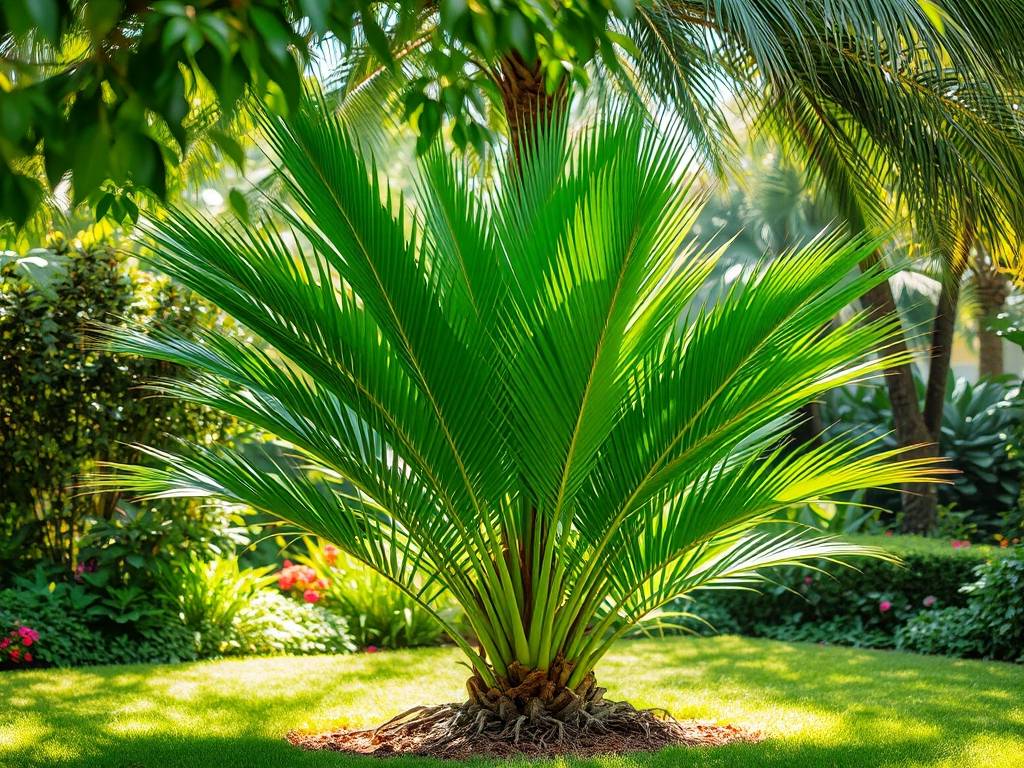
Yellowing leaves often indicate overwatering, while brown tips typically suggest underwatering or low humidity. The plant's drought-tolerant characteristics mean it's better to err on the side of underwatering than overwatering.
How often should I water my large Lady Palm during winter? Reduce watering frequency significantly during winter months, allowing the soil to dry out more thoroughly between waterings. The plant's growth slows during this period, and its water requirements decrease accordingly. Check soil moisture every 10-14 days, watering only when the top two inches feel dry.
Can I place my Lady Palm in direct sunlight if it's not doing well in shade? Avoid placing your Lady Palm in direct sunlight, even if it appears to be struggling in shade. Instead, move it to a brighter location with indirect light. Direct sunlight will scorch the leaves, causing more damage. These plants naturally grow in warm partial shade conditions and cannot tolerate intense direct sun.
Why are the tips of my Lady Palm's leaves turning brown? Brown leaf tips typically indicate one of three issues: underwatering, low humidity, or salt buildup from fertilizers. Ensure you're watering thoroughly when the soil dries out, increase humidity through misting or a humidifier, and flush the soil periodically to remove excess salts. The plant's drought-tolerant nature means it can recover well once the issue is corrected.
With proper attention to lighting, watering, and environmental conditions, your large Lady Palm will reward you with years of lush, tropical beauty. Remember that consistency is key – these plants thrive on stable care routines rather than dramatic interventions. The elegant palmate leaves and graceful growth habit make the effort worthwhile, creating a stunning focal point in any space. By understanding and meeting its specific needs, you'll enjoy a healthy, vibrant plant that brings a touch of tropical elegance to your home or office.