bluename
 The Ultimate Guide to Thriving Large Money Tree Care
You've invested in a stunning large money tree with its thick, braided stems and vibrant green leaves, only to notice the leaves turning yellow, the stems getting soft, or worse—the plant starting to droop. It’s a disheartening sight. Caring for a large Money Tree can feel like a mystery, especially when its needs differ from smaller, more common houseplants. Its impressive size and thick stems suggest resilience, but improper care can quickly lead to problems. This guide will demystify the process, transforming you into a confident plant parent capable of helping your large Money Tree not just survive, but truly thrive.
Understanding Your Large Money Tree's Natural Habitat
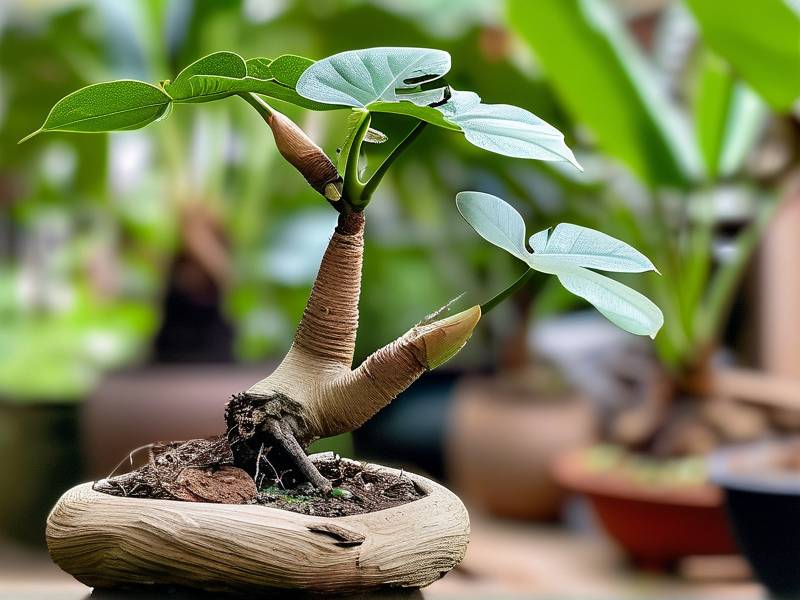
To care for your plant effectively, it helps to know where it comes from. The Money Tree, or Pachira aquatica, is native to Central and South American wetlands. However, the cultivated varieties we keep indoors have adapted to less saturated conditions. Its large, thick stems act as water reservoirs, a key adaptation that makes it wonderfully drought-tolerant. This built-in survival mechanism is your biggest advantage. It means the plant is built to handle a little neglect, but for a large specimen, understanding the balance is crucial. Its lush green leaves are designed to soak up dappled sunlight under the forest canopy, which translates to a need for bright, but not harsh, direct light in your home.
Providing the Perfect Warm Light Conditions
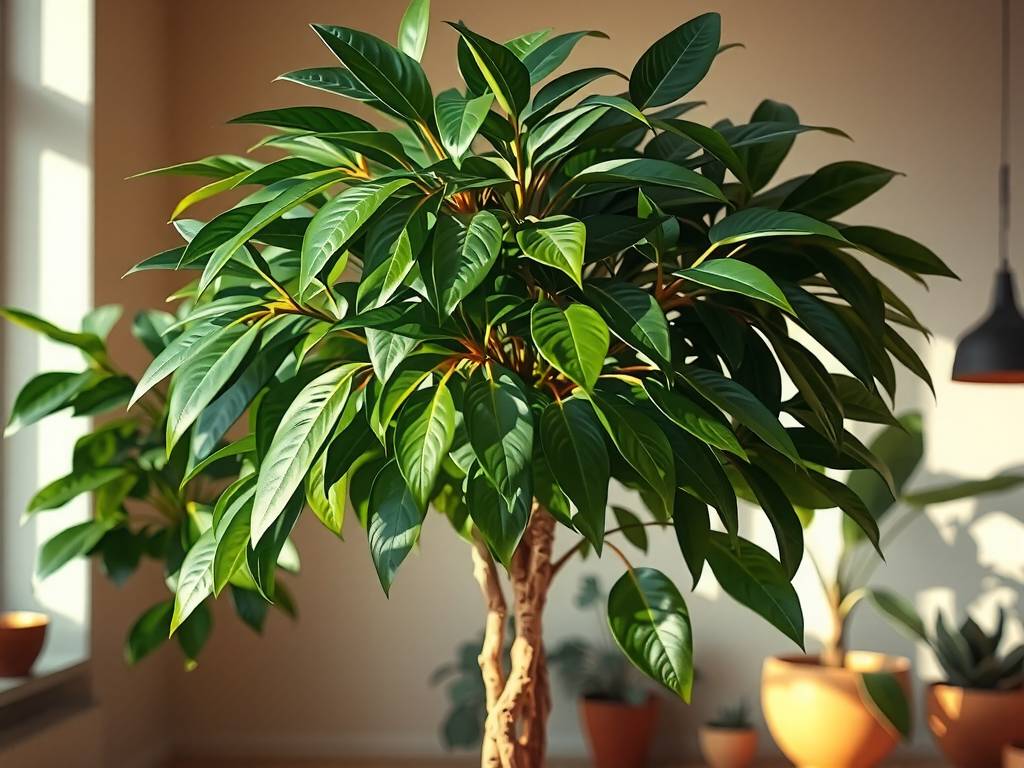
Light is the engine of your plant's growth. Your large Money Tree craves warm light that mimics its natural environment.
- Ideal Placement: Position your plant near an east or south-facing window (in the Northern Hemisphere) where it can receive plenty of bright, indirect light. A spot a few feet away from a sunny window is perfect. The warm light from the morning sun is especially beneficial.
- What to Avoid: Guard against prolonged exposure to intense, direct afternoon sun, which can scorch the beautiful green leaves, causing brown, crispy patches. If you only have a very sunny spot, consider using a sheer curtain to filter the light.
- Low Light Considerations: While tolerant of lower light, a large Money Tree in a dark corner will experience slowed growth and may become leggy as it stretches for light. Its signature green leaves may also lose some of their vibrancy. Rotate the plant a quarter turn every time you water to ensure even growth and prevent it from leaning toward the light source.
Mastering the Watering Routine for a Drought-Tolerant Plant
This is where most people go wrong. The combination of large thick stems that store water and a drought-tolerant nature means overwatering is the fastest way to harm your plant.
- The Golden Rule: The Soak and Dry Method. Never water on a strict schedule. Instead, check the soil moisture first. Insert your finger about 2-4 inches into the soil. If it feels dry, it's time to water. If it's still moist, wait a few more days.
- How to Water Properly: When watering, do so thoroughly. Slowly pour water around the soil surface until it begins to run out of the drainage holes at the bottom. This ensures the entire root ball gets hydrated. Always empty the saucer or cache pot after 15 minutes to prevent the roots from sitting in water, which leads to root rot.
- Recognizing the Signs: Wrinkling or softening of the large thick stems is a sign of thirst. Conversely, yellowing leaves and a constantly wet soil mix are classic symptoms of overwatering. When in doubt, it's safer to err on the side of underwatering.
Soil and Potting for Stability and Health
A large plant needs a stable foundation. The right soil mix is critical for supporting those large thick stems and preventing waterlogged roots.
- Soil Type: Use a well-draining, peat-based potting mix. You can improve a standard mix by adding perlite, orchid bark, or coarse sand to increase aeration and drainage. This creates an environment that mimics the plant's preference for moisture without sogginess.
- Choosing a Pot: Select a pot with ample drainage holes. For a large Money Tree, a heavy pot, such as one made of ceramic or clay, is advisable to provide a counterweight to the top-heavy plant and prevent tipping. Repotting is typically only needed every 2-3 years, or when you see roots circling the bottom of the pot.
Fertilizing and Troubleshooting Common Issues
While not a heavy feeder, your large Money Tree will benefit from occasional nutrients to support its foliage.
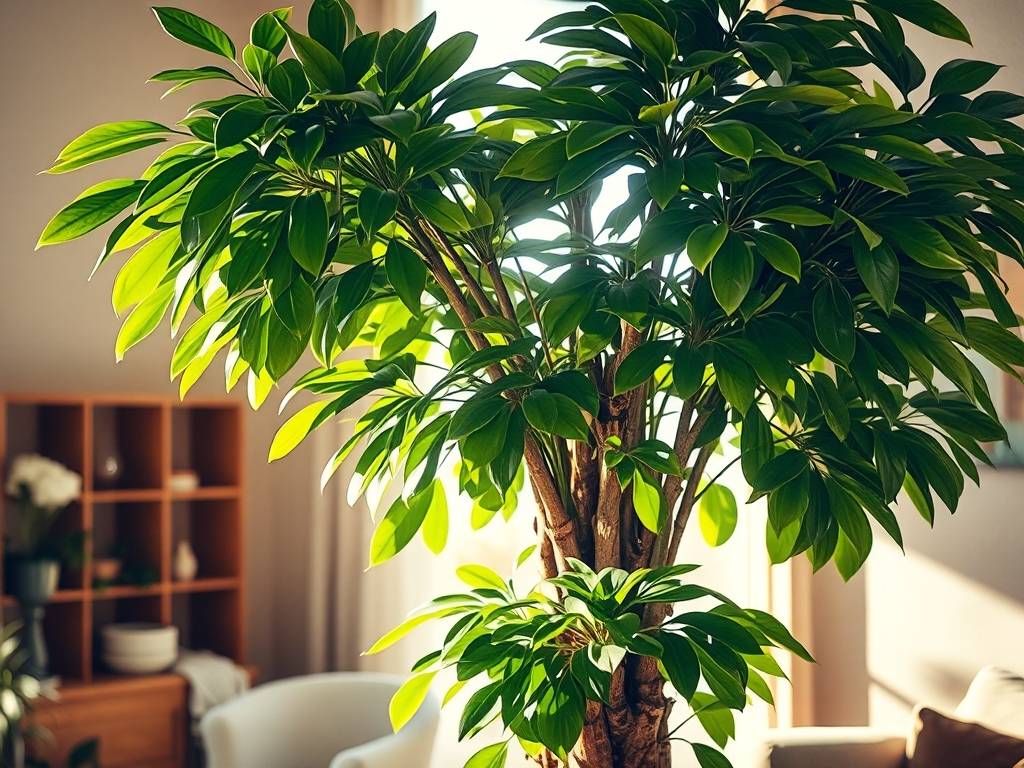
- Fertilizing Routine: During the active growing season (spring and summer), feed your plant with a balanced, water-soluble fertilizer diluted to half-strength once a month. There is no need to fertilize during the fall and winter when growth naturally slows.
- Common Problems:
- Yellow Leaves: Most often caused by overwatering. Check your watering habits and soil moisture.
- Brown Leaf Tips: Usually a sign of low humidity or underwatering. You can mist the leaves occasionally, place a humidifier nearby, or set the plant on a pebble tray with water.
- Pests: Keep an eye out for common pests like spider mites and mealybugs. Wipe the green leaves with a damp cloth regularly to deter them and treat any infestations early with insecticidal soap or neem oil.
How often should I water my large Money Tree?
There is no one-size-fits-all answer, as it depends on light, temperature, and pot size. Always use the finger test. For a large plant in a well-draining mix, this might mean watering every 2-3 weeks, but it could be more or less frequent. The plant's drought-tolerant nature gives you a wide safety margin.
Can my Money Tree handle direct sunlight?
It is best to avoid strong, direct sunlight. While it can tolerate some morning sun, the intense rays of the afternoon sun can scorch its leaves. Bright, indirect warm light is the key to maintaining the health and color of its foliage.
Why are the stems of my Money Tree getting soft?
Soft, mushy stems are almost always a sign of overwatering and potential root rot. The large thick stems should feel firm to the touch. If they are soft, reduce watering immediately, check the roots for rot (black and mushy), and repot into fresh, dry soil if necessary.
Caring for a large Money Tree is a rewarding practice in understanding a plant's unique language. By providing ample indirect light, respecting its drought-tolerant nature with a careful watering hand, and ensuring it has the proper soil and space, you will be rewarded with a robust, beautiful plant. Those iconic large thick stems will stand strong, and the canopy of green leaves will remain lush, bringing a vibrant, prosperous energy to your space for years to come.