bluename
 Mastering ZZ Plant Care: Your Guide to Thriving Large Foliage
That stunning ZZ Plant with its glossy, large coin-like leaves caught your eye, but now it's sitting in your home and you're wondering how to keep it alive. You're not alone. Many plant lovers are drawn to the ZZ Plant's architectural beauty but are unsure how to maintain its vibrant appearance. The good news? This drought-tolerant wonder is surprisingly low-maintenance when you understand its basic needs.
Understanding Your ZZ Plant's Natural Habitat
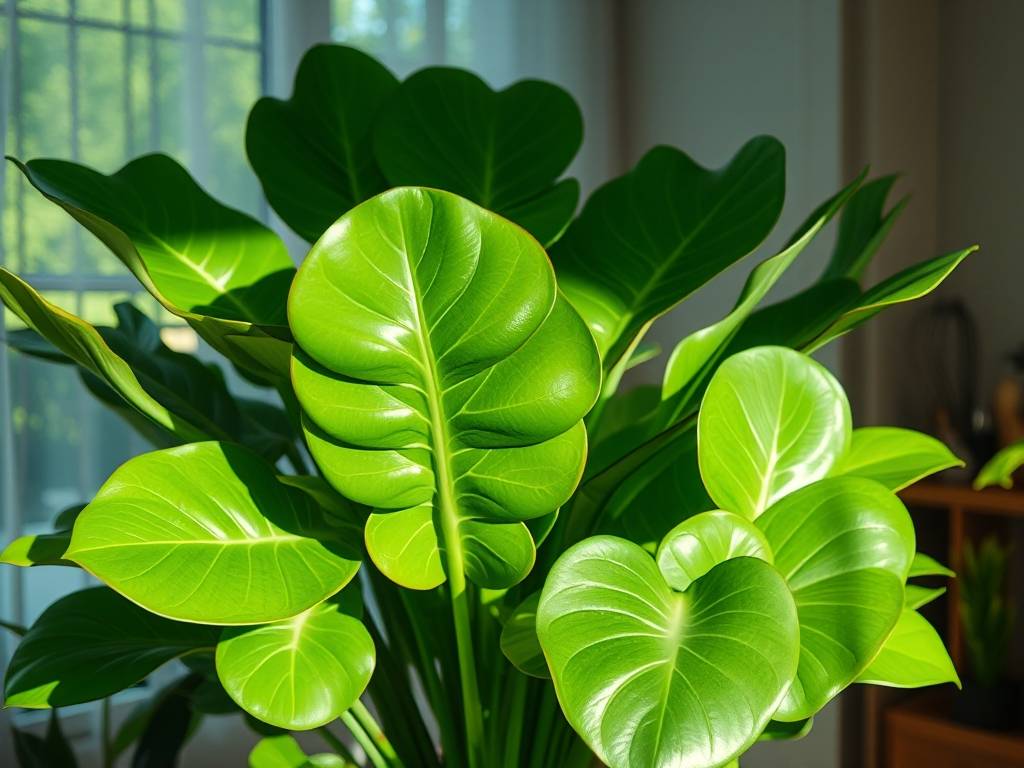
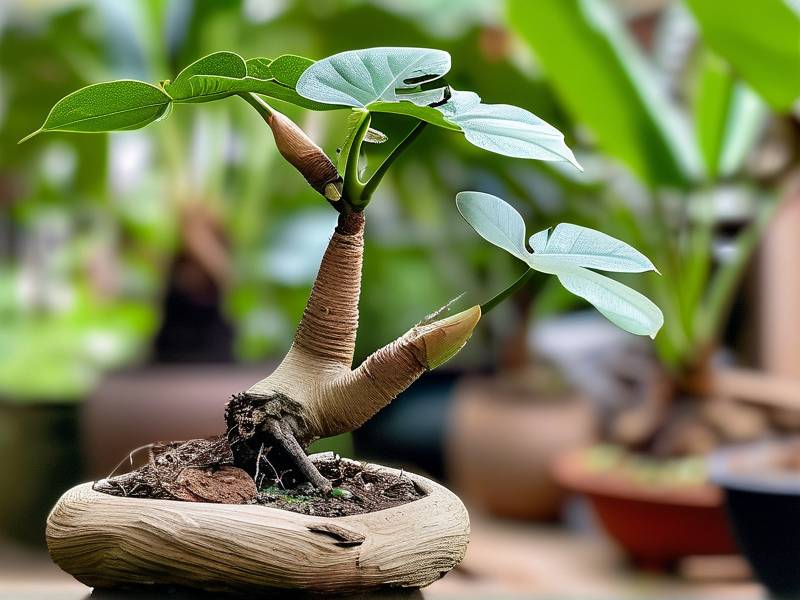
Native to Eastern Africa, Zamioculcas zamiifolia evolved in environments with intermittent rainfall and dappled sunlight. This explains its remarkable drought tolerance and preference for warm partial shade conditions. The plant's thick rhizomes store water, allowing it to survive periods of neglect that would devastate most houseplants.
Botanists note that the ZZ Plant's waxy leaf coating helps reduce moisture loss, making it exceptionally adaptable to indoor environments. This evolutionary advantage means your plant can thrive with minimal intervention when provided with the right foundation.
Perfect Lighting Conditions: Warm Partial Shade Explained
Your ZZ Plant's lighting needs are straightforward but crucial. These plants flourish in bright, indirect light but can tolerate lower light conditions than most foliage plants. The concept of warm partial shade means avoiding direct sunlight while ensuring adequate ambient brightness.
Place your large ZZ Plant near east or north-facing windows where it receives filtered sunlight. South or west-facing locations work well too, but maintain at least 4-6 feet distance from the window to prevent leaf scorching. The large coin-like leaves can develop brown tips when exposed to direct afternoon sun.
Rotate your plant quarterly to ensure even growth. You'll notice stems leaning toward light sources if the plant isn't receiving adequate illumination. While ZZ Plants can survive in low light, their growth slows significantly and new leaves may be smaller.
Watering Strategies for Drought-Tolerant Plants
The number one killer of ZZ Plants is overwatering. These plants store moisture in their potato-like rhizomes and thick stems, making them perfect for forgetful waterers. Your watering schedule should adapt to seasonal changes and your home's specific conditions.
During spring and summer, water thoroughly every 2-3 weeks, allowing the soil to completely dry between waterings. In winter, extend this to 3-4 weeks or longer. Always check soil moisture 2 inches deep before reaching for your watering can.
Use the "soak and dry" method: water completely until moisture drains from the bottom, then empty the drainage tray. Never let your ZZ Plant sit in standing water, as this can lead to root rot. Well-draining soil is non-negotiable for healthy rhizomes.
Optimal Soil and Pot Selection
Your large ZZ Plant requires soil that mimics its natural growing conditions. A well-draining potting mix prevents moisture retention around the rhizomes. Combine standard potting soil with perlite or sand in a 2:1 ratio for ideal drainage.
When selecting containers, choose pots only 1-2 inches larger than the root ball. Oversized containers hold excess moisture, increasing rot risk. Terra cotta pots are excellent choices as their porous nature helps soil dry more evenly. Ensure whatever container you choose has adequate drainage holes.
Repot every 2-3 years in spring, gently dividing overcrowded rhizomes if desired. This is the perfect time to refresh soil and check root health. Healthy rhizomes should feel firm and show white or pink tips.
Fertilizing for Vibrant Growth
ZZ Plants aren't heavy feeders, but occasional nutrition supports their striking foliage. Use balanced, water-soluble fertilizer diluted to half strength during the growing season. Apply monthly from April through August, then cease feeding during fall and winter.
Over-fertilizing causes salt buildup that can damage roots and leaves. If you notice white crust on soil surfaces or leaf margins turning brown, flush the soil with clean water and adjust your fertilization schedule. Many successful ZZ Plant owners find that their plants thrive with just 2-3 feedings per year.
Managing Temperature and Humidity
These tropical plants prefer temperatures between 65-75°F (18-24°C), making them ideal for most home environments. Avoid placing your plant near heating vents, air conditioners, or drafty windows. Temperatures below 45°F (7°C) can damage foliage.
While ZZ Plants tolerate average household humidity, they appreciate occasional misting during dry winter months when heating systems reduce moisture levels. Grouping plants together creates a beneficial microclimate, or use a humidity tray with pebbles and water beneath your plant.
Cleaning and Maintaining Those Beautiful Leaves
The large coin-like leaves naturally collect dust, which can inhibit photosynthesis. Gently wipe leaves monthly with a soft, damp cloth. For best results, support each leaf from beneath while cleaning to prevent damage. Some growers add a drop of mild soap to their cleaning water for extra shine.
Avoid leaf-shining products, which can clog the plant's pores. The natural glossy appearance returns with proper cleaning and care. Regular maintenance not only keeps your plant looking spectacular but helps you spot potential issues early.
Identifying and Solving Common Problems
Yellow leaves typically indicate overwatering. Check soil moisture and adjust your watering schedule immediately if soil feels soggy. Brown leaf tips often result from low humidity or chemical buildup from tap water. Use filtered water if possible.
Leggy growth with widely spaced leaves suggests insufficient light. Move your plant to a brighter location (while maintaining those warm partial shade conditions). If your plant stops producing new growth entirely, evaluate both lighting and nutrition.
Pests are rare but possible. Mealybugs appear as white cottony masses in leaf joints, while scale insects look like brown bumps on stems. Treat with insecticidal soap or neem oil, applying weekly until resolved.
Propagating Your Large ZZ Plant
Expand your collection or share with friends through simple propagation methods. Division during repotting is the most reliable approach for large specimens. Gently separate rhizomes, ensuring each division has both roots and stems.
Leaf cuttings offer another option, though they require more patience. Remove healthy leaves with a bit of stem, plant in moist potting mix, and maintain light moisture. New rhizomes develop over several months before visible growth appears.
Toxicity Considerations
Like many attractive houseplants, ZZ Plants contain calcium oxalate crystals that can irritate mouths and digestive systems. Keep plants away from curious pets and children. Wash hands after handling, particularly during repotting or pruning.
Despite online rumors, ZZ Plants aren't highly toxic, but ingestion can cause discomfort. The ASPCA lists them as toxic to pets, so consider placement carefully if you have animals that nibble plants.
Seasonal Care Adjustments
Your ZZ Plant's needs change with the seasons. During active growth in spring and summer, monitor soil moisture more frequently and provide occasional nutrition. In fall and winter, reduce watering significantly and cease fertilization.
Dormant periods are normal during shorter days. Don't be alarmed if growth slows from November through February. This rest period prepares the plant for vigorous spring growth.
Decorating With Large ZZ Plants
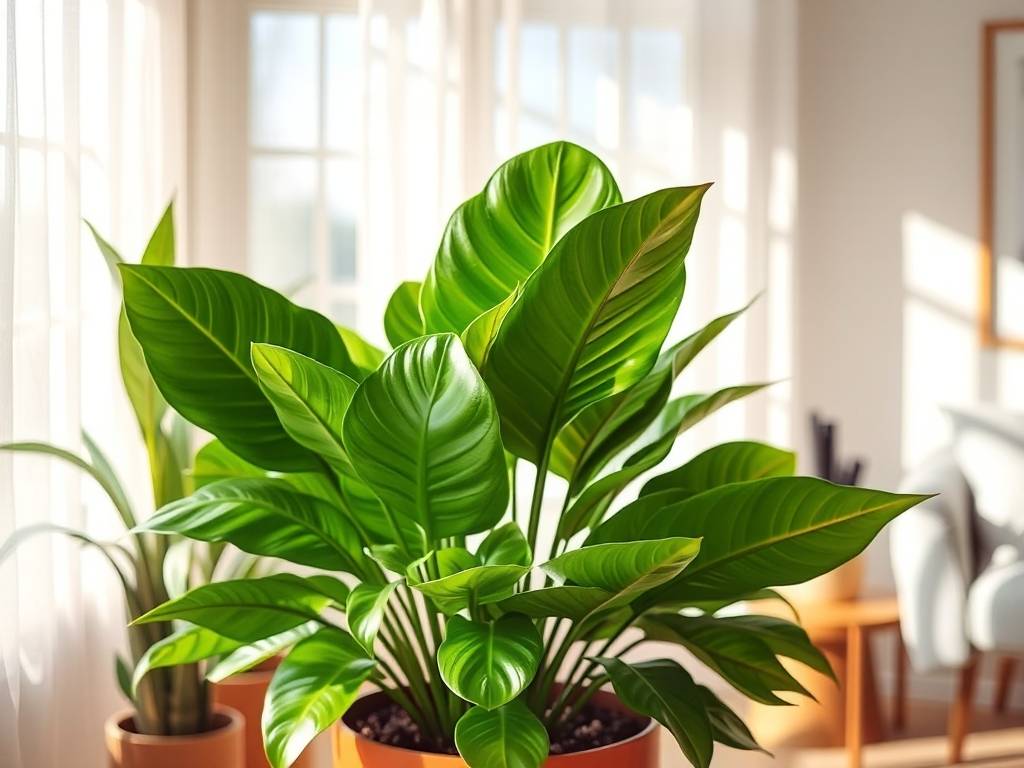
The striking vertical growth and shiny leaves make large ZZ Plants exceptional design elements. Their adaptability to various light conditions means you can place them in rooms where other plants might struggle. Use them as natural room dividers or dramatic focal points.
The deep green foliage complements most color schemes, while the architectural form adds modern elegance. Group with other drought-tolerant plants like snake plants and pothos for a low-maintenance indoor garden that makes a visual statement.
Why is my ZZ Plant developing yellow leaves? Yellow leaves most commonly indicate overwatering. Check soil moisture and ensure proper drainage. Older leaves naturally yellow occasionally, but multiple yellow leaves suggest watering adjustments are needed.
Can I place my ZZ Plant in a windowless room? While ZZ Plants tolerate low light better than most plants, they still require some ambient light. Rooms with artificial light only may sustain the plant but will not support vigorous growth. Consider rotating between brighter and darker locations if natural light is limited.
How fast do large ZZ Plants grow? These are moderately slow-growing plants, typically producing new stems 2-3 times yearly during growing season. Growth rate depends on light exposure, with plants in brighter conditions developing more quickly. Patience is key with these long-lived plants.
The ZZ Plant's reputation as indestructible is well-earned, but understanding its preferences elevates it from surviving to thriving. By providing warm partial shade, respecting its drought-tolerant nature, and appreciating those magnificent large coin-like leaves, you'll enjoy this architectural beauty for years. Consistency matters more than constant attention – the perfect combination for today's busy plant enthusiasts.