bluename
 The Complete Guide to Happy Tree Care: Achieving Lush Green Foliage
Are you struggling to maintain your Happy Tree's vibrant appearance? Many plant enthusiasts find themselves puzzled when their once-thriving large plant begins to show signs of distress despite regular care. The secret lies in understanding this tropical beauty's specific needs for warm light, consistent moisture, and proper drainage.
Understanding Your Happy Tree's Natural Habitat
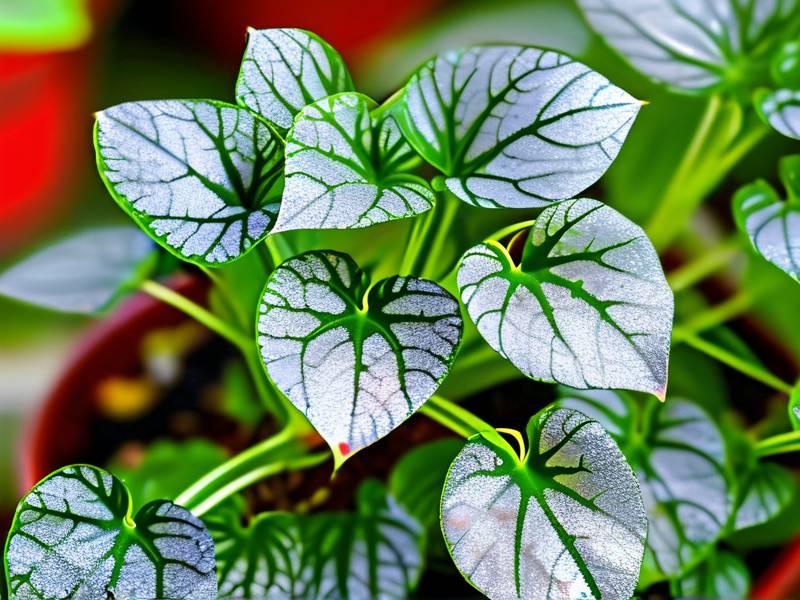
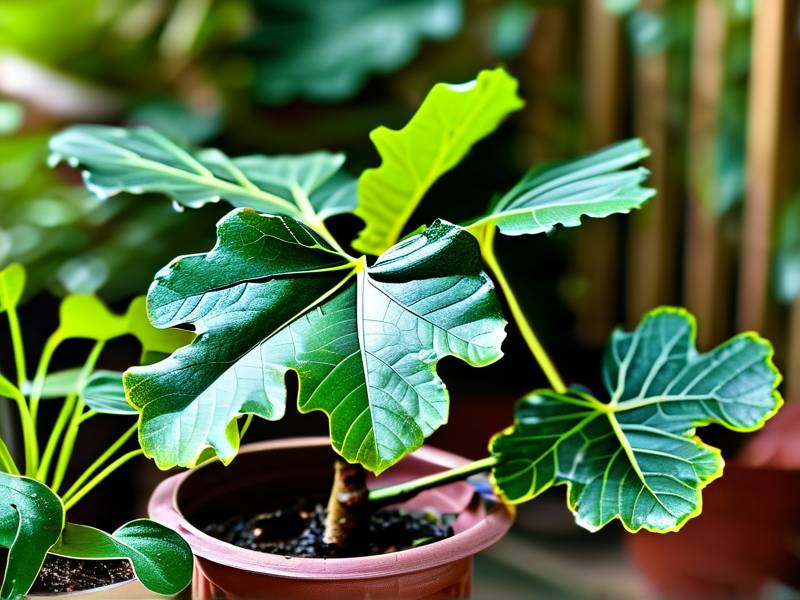
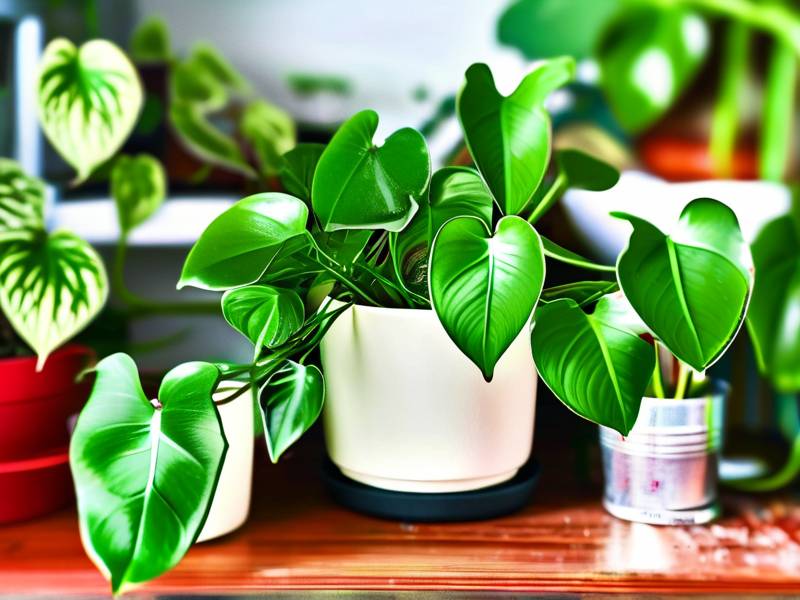
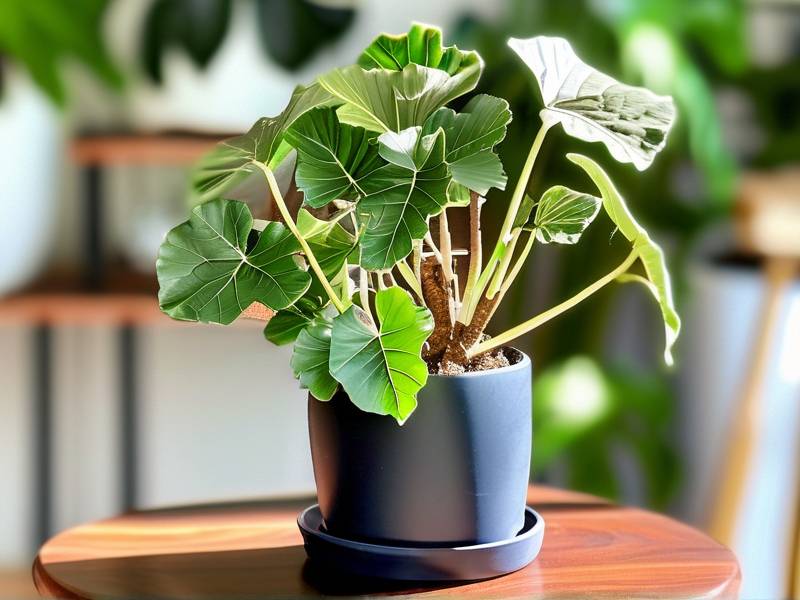
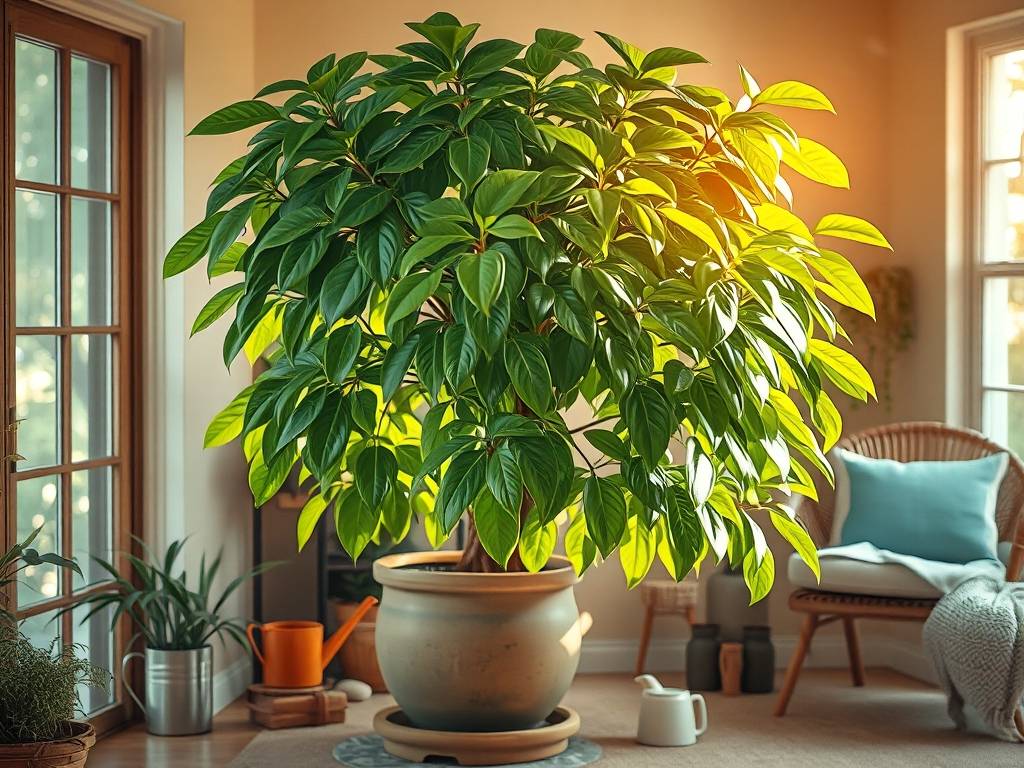
Native to tropical regions, Happy Trees flourish in environments that mimic their natural habitat. These large plants with spectacular green leaves have evolved to receive filtered sunlight through forest canopies and consistent rainfall that keeps roots moist without waterlogging. When we replicate these conditions indoors, we create the perfect foundation for healthy growth.
Botanical experts from the Royal Horticultural Society emphasize that understanding a plant's origin is crucial for successful cultivation. Your Happy Tree's requirement for warm light stems from its adaptation to tropical climates where temperatures remain consistently comfortable.
Perfect Lighting Conditions for Optimal Growth
Happy Trees thrive in bright, indirect light that mimics their natural forest environment. Position your large plant near east or west-facing windows where it can receive gentle morning or afternoon sun. The warm light requirements are specific – direct midday sun can scorch those beautiful green leaves, while insufficient light will cause leggy growth and pale foliage.
If you notice leaves turning yellow or developing brown spots, this often indicates too much direct sunlight. Conversely, if growth appears stunted or leaves become sparse, your Happy Tree likely needs more light. During winter months when natural light diminishes, consider supplementing with full-spectrum grow lights to maintain consistent conditions.
Mastering Watering Techniques for Healthy Roots
The balance between maintaining moisture and preventing waterlogging represents the most challenging aspect of Happy Tree care. These plants prefer consistently moist soil, but their roots cannot tolerate sitting in water. Implement a thorough watering approach: water until it drains from the bottom, then allow the top inch of soil to dry before watering again.
Professional gardeners recommend using the "finger test" – insert your finger about two inches into the soil. If it feels dry, it's time to water. During active growth periods in spring and summer, your Happy Tree will require more frequent watering, potentially once or twice weekly. In cooler months, reduce frequency to prevent waterlogging while still maintaining adequate moisture.
Soil and Drainage: The Foundation of Health
Choosing the right soil mixture is crucial for preventing waterlogging while retaining necessary moisture. A well-draining potting mix formulated for tropical plants provides the ideal balance. Many successful Happy Tree owners create custom blends using:
- Two parts peat moss for moisture retention
- One part perlite for aeration
- One part pine bark for drainage
Ensure your container has adequate drainage holes, and consider adding a layer of gravel or broken pottery shards at the bottom to enhance drainage. Repot your Happy Tree every two to three years to refresh the soil and provide room for root expansion, always selecting a container only slightly larger than the previous one.
Humidity and Temperature Requirements
As tropical plants, Happy Trees appreciate humidity levels between 50-60%. In dry indoor environments, especially during winter when heating systems operate, supplement humidity through:
- Regular misting of the large green leaves
- Placing a humidity tray filled with water and pebbles beneath the plant
- Using a room humidifier
- Grouping plants together to create a microclimate
Maintain consistent temperatures between 65-80°F (18-27°C), avoiding cold drafts from windows or doors and direct heat from vents. Sudden temperature fluctuations can stress your Happy Tree, potentially causing leaf drop.
Fertilization for Vibrant Foliage
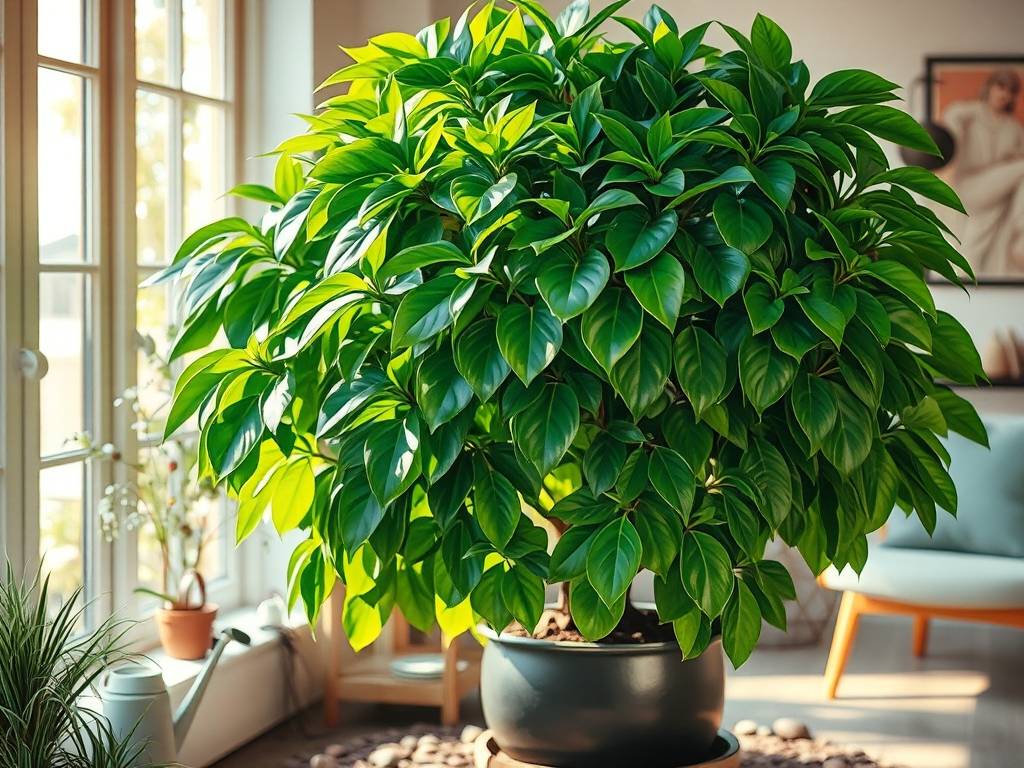
Feed your Happy Tree with a balanced, water-soluble fertilizer every four to six weeks during the growing season. Dilute to half strength to avoid fertilizer burn, which can damage roots and foliage. The nutrients will support the development of those characteristic large green leaves that make this plant so appealing.
During fall and winter, reduce fertilization to once every two months or suspend altogether, as growth naturally slows. Always water thoroughly before applying fertilizer to protect roots from chemical stress. Organic options like fish emulsion or compost tea provide excellent alternatives to synthetic fertilizers.
Pruning and Maintenance Techniques
Regular pruning maintains your Happy Tree's shape and encourages bushier growth. Use clean, sharp scissors to remove:
- Yellowing or damaged leaves
- Overgrown branches
- Crossed stems that rub against each other
Wipe the large green leaves monthly with a damp cloth to remove dust, which can interfere with photosynthesis. Gently supporting heavy branches with stakes prevents breakage and maintains an attractive appearance. Regular inspection during cleaning helps detect pests early when they're easiest to manage.
Troubleshooting Common Happy Tree Problems
Even with proper care, issues can occasionally arise. Here's how to address the most common concerns:
Yellowing leaves: Often indicates overwatering or poor drainage. Check soil moisture and ensure your container provides adequate drainage to prevent waterlogging.
Brown leaf tips: Typically caused by low humidity, underwatering, or fertilizer buildup. Increase humidity levels and flush soil periodically to remove excess salts.
Dropping leaves: Can result from sudden environmental changes, particularly temperature fluctuations or relocation. Maintain consistent conditions and avoid moving your Happy Tree unnecessarily.
Pest infestations: Watch for spider mites, mealybugs, and scale insects. Treat immediately with insecticidal soap or neem oil, ensuring thorough coverage of both leaf surfaces.
Propagating Your Happy Tree
Once you've mastered Happy Tree care, you might want to propagate new plants. The most successful method involves stem cuttings taken during spring growth periods. Select a healthy stem with several leaves, make a clean cut just below a node, and place in water or moist potting mix. Roots typically develop within four to eight weeks when provided with warm light and consistent moisture.
Why are the leaves on my Happy Tree turning yellow? Yellow leaves typically indicate overwatering or poor drainage. Check that your pot has adequate drainage holes and that you're allowing the soil to partially dry between waterings. Nutrient deficiencies or natural leaf shedding can also cause yellowing.
How often should I fertilize my large plant? During active growth in spring and summer, fertilize every four to six weeks with a balanced, diluted fertilizer. Reduce frequency during fall and winter when growth naturally slows. Always water before applying fertilizer to protect roots.
Can Happy Trees tolerate direct sunlight? While these plants require warm light, direct sunlight can scorch their leaves. Bright, indirect light provides the ideal conditions. East or west-facing windows typically offer the perfect balance, or you can use sheer curtains to filter harsh southern exposure.
Understanding your Happy Tree's specific needs for warm light, consistent moisture without waterlogging, and proper humidity will reward you with spectacular growth and those trademark large green leaves. With attentive care tailored to its tropical nature, this beautiful plant will thrive for years, bringing a touch of lush elegance to your space. Remember that plant care is an ongoing relationship – observe how your Happy Tree responds to your care routine and make adjustments as needed.