bluename
 The Ultimate Guide to Nurturing Your Large Peace Lily
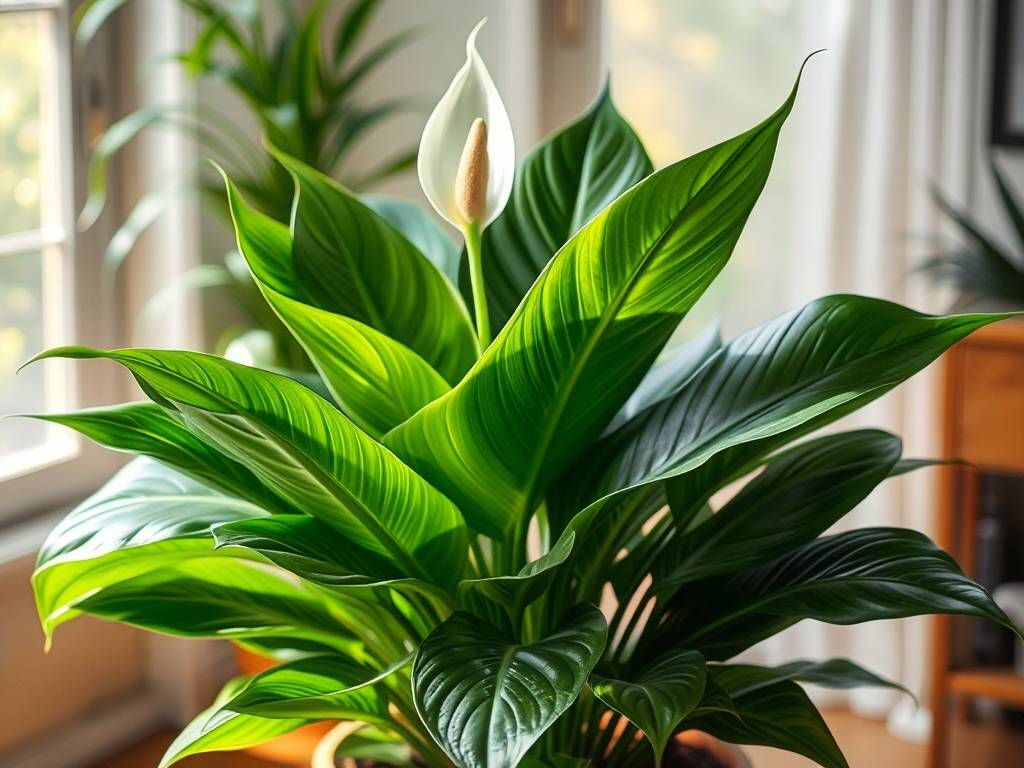
You've brought home a stunning large peace lily with its magnificent green leaves and potential for fragrant flowers, only to find its leaves drooping or turning yellow despite your best efforts. This beautiful plant can be tricky, and improper care often leads to common frustrations. Understanding its specific needs for warm light and consistent moisture without waterlogging is key to maintaining its vibrant appearance.
Understanding Your Peace Lily's Natural Habitat
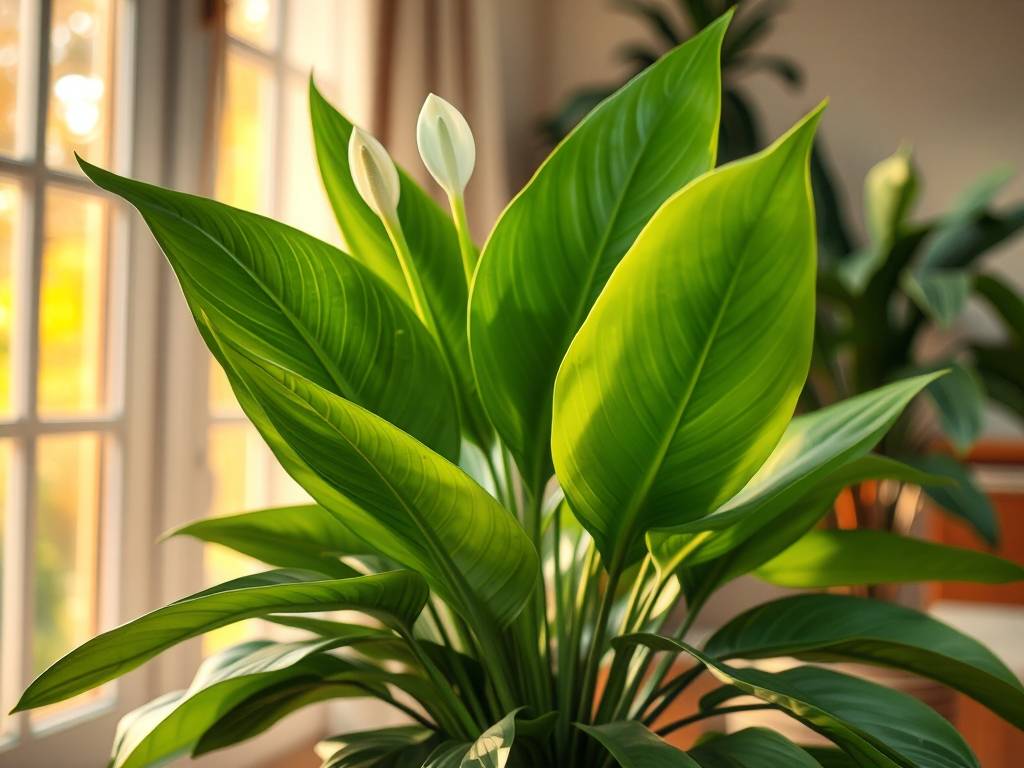
Peace lilies originate from tropical rainforests, thriving under forest canopies with filtered sunlight and high humidity. This explains their preference for warm, indirect light rather than direct sun exposure. Their large leaves act as natural humidity indicators, often drooping when thirsty. By replicating these natural conditions, you create an environment where your peace lily can flourish.
Perfect Lighting Conditions for Optimal Growth
Large peace lilies require bright, indirect light to support their substantial foliage and encourage blooming. Place your plant near an east-facing window where it can enjoy gentle morning sun. If you only have south or west-facing windows, use sheer curtains to filter intense afternoon rays. Direct sunlight will scorch those beautiful large green leaves, causing brown tips and faded color.
Rotate your plant quarterly to ensure even light distribution. You'll notice the leaves naturally orient themselves toward the light source. Regular rotation prevents lopsided growth and promotes symmetrical development. During winter months when daylight diminishes, consider supplementing with grow lights to maintain consistent light exposure.
Mastering the Watering Balance
The secret to proper peace lily care lies in maintaining consistent soil moisture without causing waterlogging. These plants prefer slightly damp conditions but suffer greatly in soggy soil. Water thoroughly when the top inch of soil feels dry to your touch. Use room temperature water to avoid shocking the delicate root system.
Proper drainage is non-negotiable for large peace lily maintenance. Ensure your container has multiple drainage holes and consider adding a layer of pebbles at the bottom. Empty the saucer beneath your plant 15-20 minutes after watering to prevent the roots from sitting in standing water, which inevitably leads to root rot.
Humidity and Temperature Requirements
As tropical plants, peace lilies thrive in humidity levels between 40-50%. In dry environments, employ these strategies to increase humidity: group plants together, use a humidifier, or place your plant on a pebble tray filled with water. Mist the leaves occasionally with distilled water to replicate tropical moisture, but avoid over-misting which can encourage fungal growth.
Maintain temperatures between 65-85°F (18-29°C) for optimal growth. Protect your plant from sudden temperature fluctuations, drafts from heating or cooling vents, and proximity to exterior doors. Consistent warm conditions encourage the development of those coveted fragrant flowers.
Soil and Fertilization Needs
A well-draining, peat-based potting mix provides the ideal foundation for your large peace lily. The soil should retain some moisture while allowing excess water to drain freely. Refresh the soil every 2-3 years to maintain proper nutrient levels and soil structure.
Feed your plant with a balanced, water-soluble fertilizer diluted to half strength every 6-8 weeks during the growing season. Reduce feeding during fall and winter when growth naturally slows. Over-fertilization causes salt buildup in the soil, visible as brown leaf tips, while under-fertilization results in pale leaves and reduced flowering.
Encouraging Those Fragrant Blooms
While the large green leaves provide visual interest year-round, the fragrant white flowers make this plant particularly special. To encourage blooming, ensure your plant receives adequate indirect light and proper nutrition. Sometimes, a slight reduction in watering for 3-4 weeks can stimulate flower production, mimicking the natural dry season in their native habitat.
Once flowers appear, maintain consistent care to extend their duration. As blooms fade, remove them at the base to redirect energy toward new growth. Mature plants typically flower 1-2 times annually, with proper care potentially extending this frequency.
Pruning and Cleaning Techniques
Regular maintenance keeps your large peace lily looking its best. Remove yellow or brown leaves at the stem base using clean, sharp scissors. Wipe the large leaves monthly with a damp cloth to remove dust, which improves photosynthesis and reveals their natural shine.
For significant pruning, early spring is ideal as the plant enters its active growth phase. Always disinfect your pruning tools between plants to prevent disease transmission. Proper pruning not only improves appearance but also encourages new growth and better air circulation around the plant.
Troubleshooting Common Issues
Yellow leaves often indicate overwatering or poor drainage, while brown tips suggest underwatering, low humidity, or fertilizer burn. Drooping leaves typically mean your plant needs water, though consistently wet soil with drooping leaves signals root rot from waterlogging.
Pests like spider mites and mealybugs occasionally appear, especially in dry conditions. Treat infestations promptly with insecticidal soap or neem oil, ensuring to cover both leaf surfaces. Regular inspection during watering helps catch problems early when they're easiest to treat.
Repotting Your Large Peace Lily
Most large peace lilies require repotting every 1-2 years, best undertaken in spring. Choose a container only 1-2 inches larger in diameter than the current one. Oversized pots retain excess moisture, increasing waterlogging risk. Gently loosen the root ball during transplanting and water thoroughly afterward to help settle the new soil.
Can I grow peace lilies in low light conditions? While peace lilies tolerate lower light better than many plants, insufficient light prevents flowering and results in leggy growth. For those fragrant flowers and compact growth, bright indirect light remains essential.
Why are the tips of my peace lily leaves turning brown? Brown tips typically indicate one of three issues: underwatering, low humidity, or chemical sensitivity. Use filtered water if your tap water contains high levels of chlorine or fluoride, and maintain consistent soil moisture with adequate humidity.
How often should I fertilize my large peace lily? During active growth in spring and summer, feed every 6-8 weeks with half-strength balanced fertilizer. Reduce to every 10-12 weeks in fall and winter, or skip fertilizing entirely during dormant periods.
With consistent care matching their natural preferences—warm indirect light, moist but well-drained soil, and protection from waterlogging—your large peace lily will reward you with spectacular foliage and seasonal fragrant blooms. The plant's responsiveness to proper conditions makes it a satisfying choice for both novice and experienced gardeners alike. Observing your plant's signals and adjusting care accordingly creates the foundation for a long-lasting, beautiful relationship with this elegant houseplant.