bluename
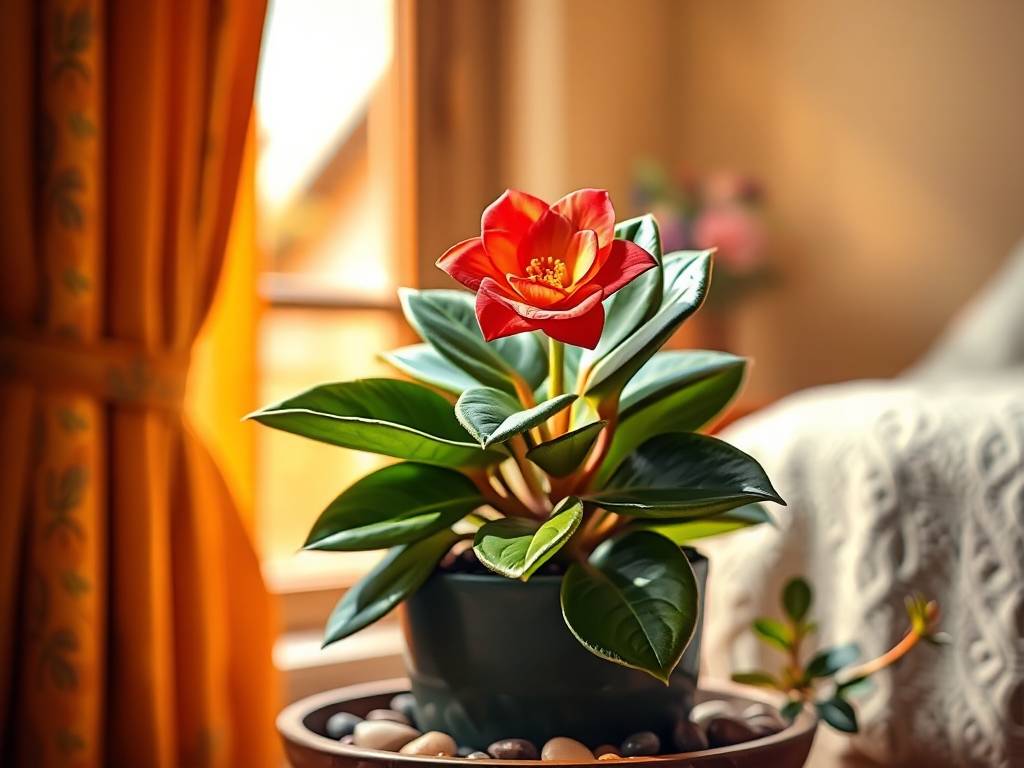
 With their vibrant clusters of single-petaled flowers, Kalanchoe blossfeldiana has become a staple in homes and gardens. These cheerful succulents, often simply called Flaming Katy, are renowned for their long-lasting winter and spring blooms, bringing a splash of color when most other plants are dormant. As we move into 2025, the trend of nurturing resilient, low-maintenance houseplants continues to grow, and the single petal Kalanchoe fits this niche perfectly. This comprehensive guide will walk you through every step of Kalanchoe care, ensuring your plant not only survives but thrives for years to come.
Understanding Your Single Petal Kalanchoe
Native to Madagascar, these plants are succulents, meaning they store water in their thick, fleshy leaves. This inherent trait is the key to their relatively easy care routine. The "single petal" variety refers to the classic Kalanchoe blossfeldiana, which typically has four petals per flower, as opposed to the newer, denser double-flowered hybrids. Their blooming season naturally occurs as daylight shortens, which is why they are such prolific winter and spring bloomers.
The Perfect Environment: Light and Temperature
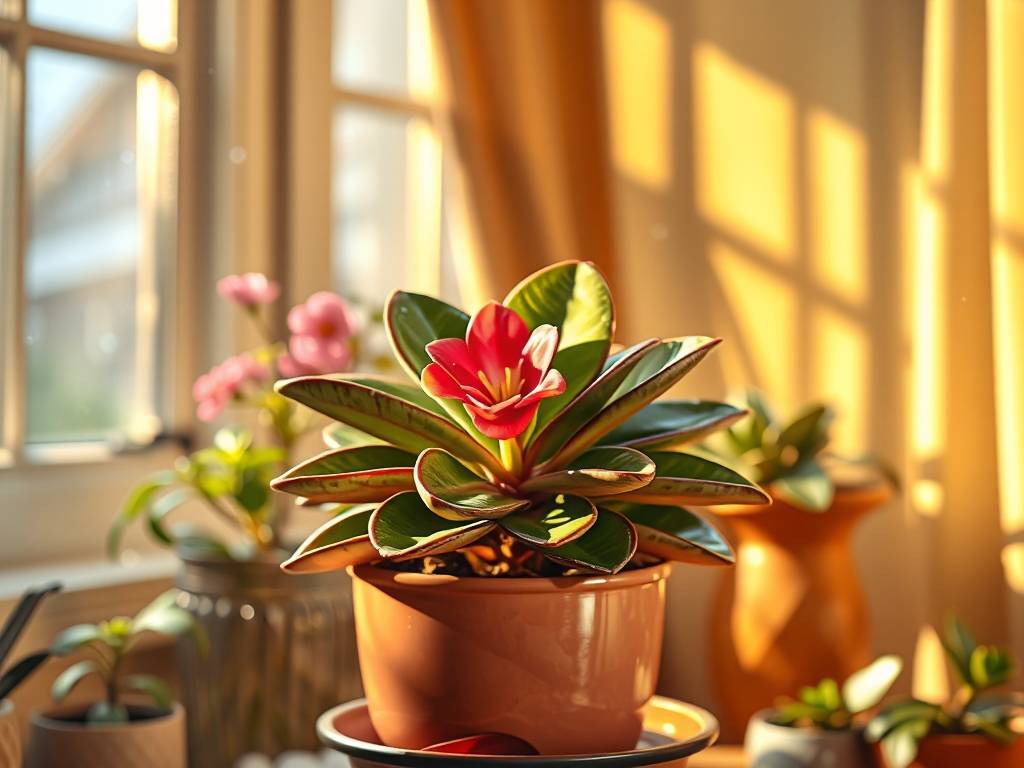
Getting the light and temperature right is the most critical factor for a healthy Kalanchoe and for triggering its famous blooms.
These plants crave bright, indirect light. A south or west-facing window is ideal. They love warm light but can suffer from leaf scorch if exposed to intense, direct afternoon sun for prolonged periods. A tell-tale sign of too much sun is leaves turning reddish or developing brown, crispy patches. If you only have a very sunny spot, a sheer curtain can provide the perfect filter.
When it comes to temperature, it's crucial to remember that Kalanchoe is cold-intolerant. They prefer consistent temperatures between 60°F and 85°F (15°C to 29°C). Anything below 50°F (10°C) can cause significant damage, leading to soft, mushy leaves and stunted growth. Keep them away from drafty windows, air conditioning vents, and exterior doors during the colder months. For those in USDA zones 10-11, they can be grown outdoors year-round, but for everyone else, they are best kept as indoor plants or moved outside only during the frost-free summer months.
Mastering the Watering Routine
Overwatering is the fastest way to kill a succulent, and Kalanchoe is no exception. The goal is to mimic the natural dry spells of their native habitat.
The "soak and dry" method is the gold standard. Here’s how to do it:
- Check the soil moisture by sticking your finger about two inches into the potting mix.
- If the soil feels completely dry, it's time to water.
- Water the plant thoroughly until you see water freely running out of the drainage holes at the bottom of the pot.
- Empty the saucer or cache pot after 15 minutes to ensure the roots are not sitting in water.
- Now, wait. Do not water again until the soil has dried out completely.
In the summer, this might be every 1-2 weeks. In the winter, when growth slows, it could be every 3-4 weeks. Always let the plant's condition, not the calendar, be your guide.
Soil and Potting for Success
The right soil mix is your first line of defense against overwatering. A standard cactus or succulent potting mix is perfect. For extra insurance, you can create your own blend by mixing two parts standard potting soil with one part perlite and one part coarse sand. This creates a sharply draining environment that Kalanchoe roots adore.
Always choose a pot with ample drainage holes. Terracotta pots are an excellent choice because they are porous, allowing the soil to dry out more evenly than plastic or ceramic pots. Repot your Kalanchoe every two years or when you see roots growing out of the drainage holes, typically in the spring after it has finished blooming.
Encouraging Those Fresh Winter-Spring Flowers
The spectacular display of fresh winter-spring flowers is what makes this plant so special. To encourage re-blooming, you need to understand its photoperiodism. Kalanchoe is a "short-day plant," meaning it sets buds when it experiences long nights (at least 14 hours of darkness).
After the initial blooms fade, here is your step-by-step guide to force a re-bloom:
- Deadhead Spent Flowers: Carefully snip off the old flower stalks at their base.
- The Darkness Treatment (Starting in Fall): For about 6 weeks, place your plant in complete darkness for 14-16 hours each night. A closet or a box placed over the plant works perfectly.
- Provide Bright Light During the Day: During the 8-10 hours of daylight, ensure it gets plenty of bright, indirect light.
- Resume Normal Care: After 6-8 weeks, you should see tiny flower buds forming. At this point, you can return it to its normal spot without the long darkness period.
According to a 2024 indoor horticulture report, using this natural light-cycle manipulation remains the most effective and chemical-free method for inducing blooms in photoperiod-sensitive plants like Kalanchoe.
Feeding and General Maintenance
Kalanchoe are not heavy feeders. Fertilize them during their active growing season (spring and summer) with a balanced, water-soluble fertilizer diluted to half strength. A monthly feeding is sufficient. Do not fertilize during the fall and winter, especially when you are trying to initiate blooming, as this can disrupt the cycle.
To keep the plant looking tidy and encourage bushier growth, you can pinch back the stems after flowering. Simply use your fingers or clean, sharp scissors to snip off the top few inches of a leggy stem, just above a set of leaves.
Troubleshooting Common Issues
- Leggy Growth: This is almost always caused by insufficient light. Move the plant to a brighter location.
- Soft, Mushy Leaves: A classic sign of overwatering and/or cold damage. Check your watering habits and ensure the plant is in a warm enough location. You may need to repot into fresh, dry soil if root rot has set in.
- Powdery Mildew: This fungal issue can occur in humid conditions with poor air circulation. Improve airflow around the plant and treat with an organic fungicide like neem oil.
- Pests: Keep an eye out for mealybugs and aphids. Wipe them off with a cotton swab dipped in rubbing alcohol or treat the plant with insecticidal soap.
With its stunning flowers and forgiving nature, the single petal Kalanchoe is a joy for both novice and experienced plant enthusiasts. By providing warm light, protecting it from cold, and understanding its unique blooming cycle, you can enjoy its vibrant display of fresh winter-spring flowers season after season. Embrace the process, and your Kalanchoe will reward you with enduring beauty.