bluename
 With their delicate wings of petals and graceful arching stems, phalaenopsis orchids with smaller blooms have become increasingly popular houseplants. These charming varieties, often called "mini phalaenopsis" or "small-flowered moth orchids," offer the same elegant beauty as their larger counterparts but in a more compact form. Their petite flowers create stunning, dense displays that can last for months with proper care.
If you've recently welcomed one of these beauties into your home or are considering getting one, you're in the right place. Caring for these orchids is surprisingly straightforward once you understand their basic needs. The key principles are filtered light, consistent moisture without waterlogging, and creating the right environment to encourage those gorgeous clusters of small flowers.
Let's explore how you can help your miniature phalaenopsis thrive, with some insights into how orchid care is evolving in 2025.
Creating the Perfect Light Environment
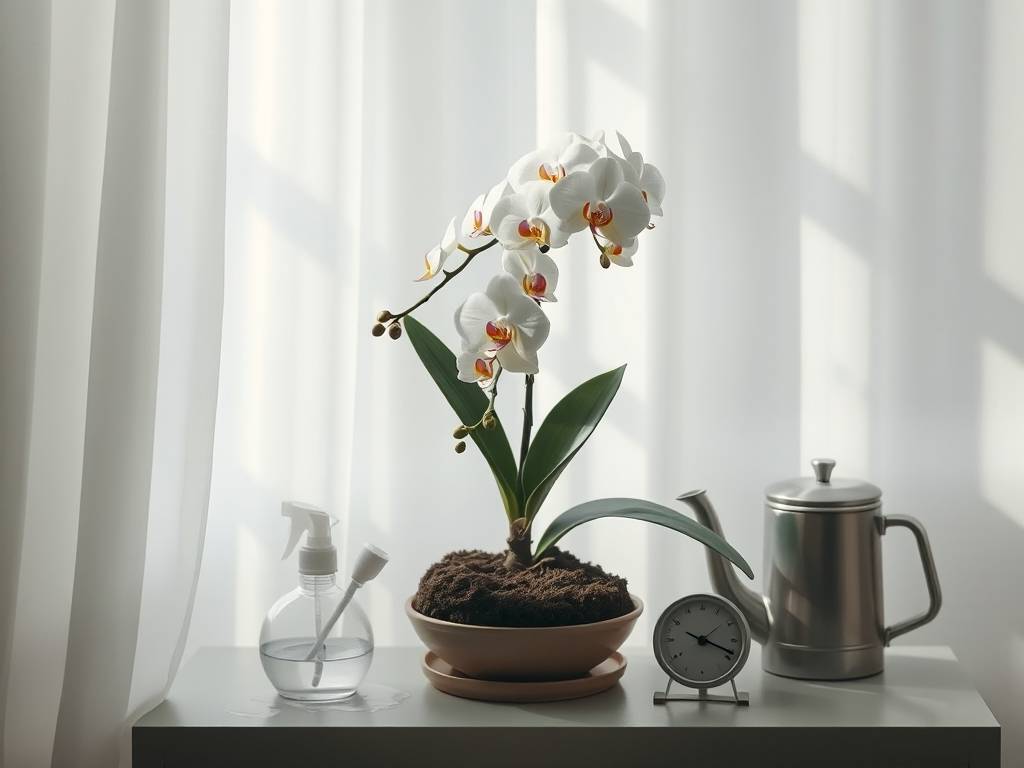
Phalaenopsis orchids with smaller flowers thrive in bright, indirect light. Direct sunlight can scorch their delicate leaves, causing unsightly yellow or brown spots that compromise the plant's health.
The ideal location is near an east-facing window where they can enjoy gentle morning sun. A north-facing window also works well. If you only have south or west exposure, place the orchid a few feet back from the window or use a sheer curtain to filter the intense afternoon rays.
An interesting development in 2025 is the increased availability of specialized grow lights designed specifically for compact orchids. These lights provide the perfect spectrum for photosynthesis without generating excessive heat. If your home doesn't have ideal natural lighting, consider investing in one of these LED systems.
Watch your orchid's leaves for clues about its light situation. Healthy leaves should be olive green. Dark green leaves often indicate insufficient light, while reddish-tinged leaves suggest too much direct sun. Proper lighting is crucial for encouraging those dense clusters of small flowers that make these orchids so special.
Mastering the Watering Technique
Watering is where many new orchid owners struggle, but it doesn't need to be complicated. The goal is to keep the potting medium moist but never soggy. Waterlogging is a primary cause of root rot in phalaenopsis orchids.
Here's a simple technique: Take your orchid to the sink and water thoroughly until water runs freely from the drainage holes. Allow all excess water to drain completely before returning it to its decorative pot. Never let your orchid sit in standing water.
How often should you water? This depends on your home environment, but typically once every 7-10 days works well. The best method is to check the potting medium. For small-flowered phalaenopsis in bark mix, wait until the top inch feels dry. For those in sphagnum moss, allow the top to become slightly dry to the touch.
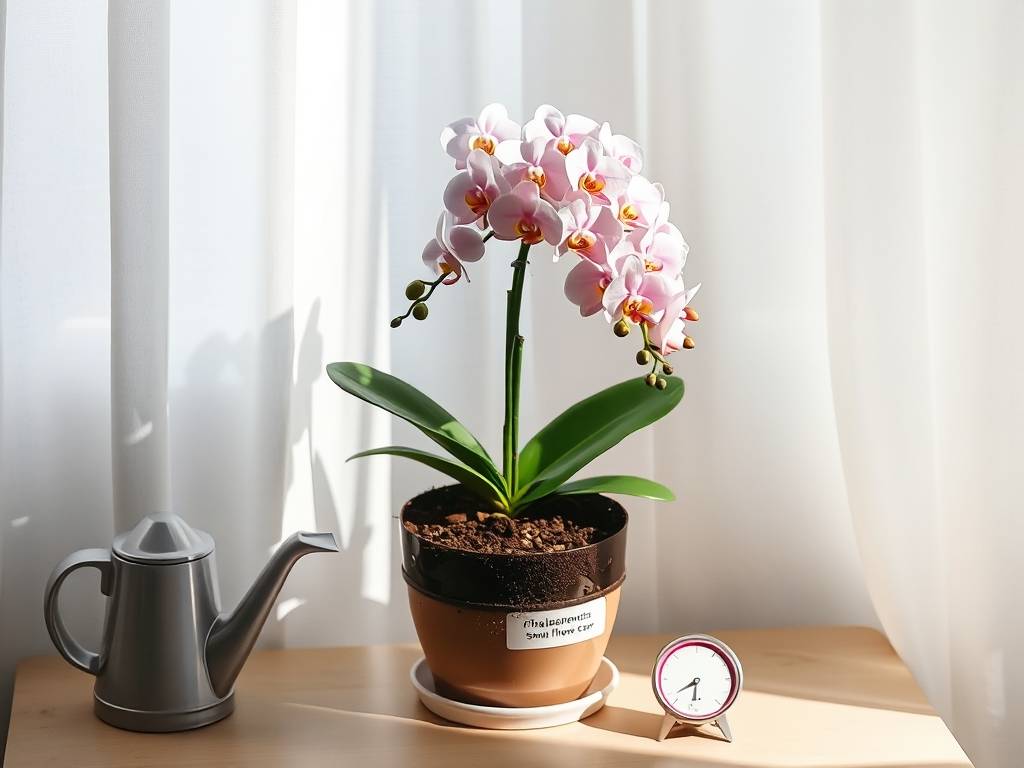
In 2025, we're seeing more orchid enthusiasts use clear plastic pots, which offer a significant advantage: you can monitor root health directly. Healthy roots are silvery-green when dry and turn green after watering. Brown, mushy roots indicate overwatering.
Optimal Temperature and Humidity Conditions
Miniature phalaenopsis orchids prefer temperatures similar to what most people find comfortable in their homes: between 65-80°F (18-27°C) during the day, with a slight drop at night.
These orchids appreciate moderate to high humidity levels, ideally between 50-70%. In drier environments or during winter months when heating systems reduce humidity, you may need to take extra steps.
Simple ways to increase humidity include placing your orchid on a humidity tray (a shallow tray filled with water and pebbles), grouping plants together, or using a small room humidifier. The latest humidifier models in 2025 feature smart technology that maintains precise humidity levels, perfect for orchid collections.
Proper air circulation is also important. Stagnant air can encourage fungal diseases. A gentle breeze from an oscillating fan set on low can make a significant difference, just avoid pointing it directly at your plants.
Feeding Your Small-Flowered Phalaenopsis
Regular feeding supports healthy growth and encourages the development of those beautiful dense small flowers. Use a balanced, water-soluble fertilizer specifically formulated for orchids.
During active growth periods (typically when you see new leaves or roots developing), fertilize every other week at half the recommended strength. When the plant isn't actively growing, reduce to once monthly.
The orchid fertilizer market has evolved significantly, with 2025 seeing the introduction of more organic and slow-release options. These new formulations provide consistent nutrition without the risk of salt buildup that can damage delicate roots.
Always water your orchid first before applying fertilizer to prevent root burn. Flush the potting medium with plain water every month to remove any accumulated salts.
Encouraging Dense Small Flower Production
The charming appeal of these orchids lies in their abundant petite blooms. To encourage flowering, provide a temperature differential of about 10°F (5°C) between day and night temperatures for several weeks when the plant is mature.
Once the flowers fade, you have options. Cut the spike just above a node if you hope for a secondary bloom, or cut it at the base if you want the plant to focus its energy on leaf and root development.
Recent research from the International Orchid Foundation shows that consistent care year-round leads to more reliable blooming. Don't make dramatic changes to your care routine once flower spikes appear.
Choosing the Right Potting Mix and Repotting
Phalaenopsis orchids are epiphytes, meaning they naturally grow on trees rather than in soil. They require a special potting mix that provides support while allowing excellent air circulation to the roots.
Most small-flowered phalaenopsis do well in a mix of bark chips, sphagnum moss, and perlite. The bark provides structure, moss retains moisture, and perlite ensures good drainage.
Repot your orchid every 1-2 years, or when the potting medium begins to break down. Spring is generally the best time, after flowering has finished. When repotting, choose a container that's only slightly larger than the previous one—orchids generally prefer being somewhat pot-bound.
The process is simple: Gently remove the old medium, trim any dead or rotting roots (healthy roots are firm and green or silver), place in the new pot, and add fresh mix. Water sparingly for the first week to allow roots to recover.
Troubleshooting Common Issues
Even with the best care, you might encounter occasional problems. Here are solutions to common issues with small-flowered phalaenopsis:
If buds form but drop before opening (bud blast), the plant is likely experiencing stress from sudden changes in temperature, light, or humidity. Try to maintain consistent conditions.
Yellowing leaves can indicate either overwatering or insufficient light. Check your watering habits and light situation.
If no flowers appear on a mature plant, it might need more light, fertilizer, or that important temperature differential mentioned earlier.
According to orchid expert Dr. Elena Martinez, whose 2025 book "Orchid Care for Modern Homes" has become a standard reference, "The most successful orchid growers are those who observe their plants closely and make small adjustments rather than dramatic changes when issues arise."
Displaying Your Miniature Phalaenopsis
The compact size of small-flowered phalaenopsis makes them wonderfully versatile for home decoration. They fit perfectly on windowsills, office desks, or as part of a larger plant collection.
Consider displaying them in decorative pots that complement your interior style while still providing proper drainage. The trend in 2025 leans toward sustainable materials like bamboo fiber pots and recycled glass containers.
Group several mini phalaenopsis together for a stunning display of different colors and flower patterns. Their long-lasting blooms make them perfect for adding life and beauty to any room.
Caring for these exquisite plants brings tremendous satisfaction. With attention to their simple needs for filtered light, consistent moisture without waterlogging, and proper feeding, your small-flowered phalaenopsis will reward you with breathtaking displays of dense petite flowers season after season. The key is consistency and observation—your orchid will tell you what it needs if you pay attention.