bluename
 The delicate dance of cyclamen petals, resembling a flock of elegant butterflies in mid-flight, has captivated indoor gardeners for generations. The single-petal varieties, in particular, with their clean lines and striking silhouettes, offer a timeless beauty that feels both classic and contemporary. As we look toward 2025, the trend in indoor gardening is shifting towards understanding the unique "personality" of each plant species. Modern horticultural studies emphasize tailored care over generic advice, and the cyclamen is a perfect candidate for this personalized approach. Let's explore how you can become an expert in nurturing these charming plants.
Understanding Your Plant's Origins
To care for a cyclamen properly, it helps to understand where it comes from. These plants are native to the Mediterranean basin and parts of Europe and Asia, where they grow in woodland areas. This origin story is the key to their core needs: cool temperatures, bright but indirect light, and a specific cycle of growth and dormancy. They are not tropical plants, and treating them as such is the most common mistake. They thrive in conditions that mimic a crisp, cool spring day under the dappled shade of trees.
The Perfect Light: Cool and Filtered
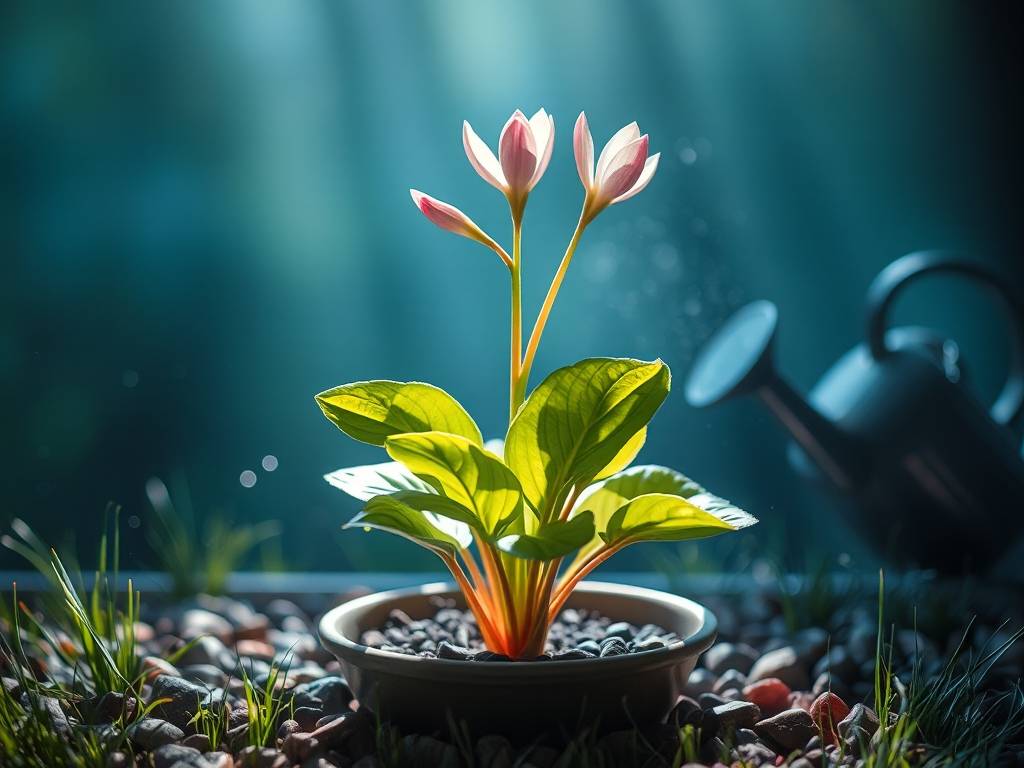
The term "cool filtered light" is not just a suggestion; it's a requirement for the single-petal cyclamen. In 2025, with homes featuring larger windows and open-plan designs, managing light intensity has become a crucial skill.
Place your cyclamen in a spot where it will receive plenty of bright, ambient light, but never direct, hot sun. A north or east-facing windowsill is often ideal. A south or west window can work if the plant is shielded by a sheer curtain or placed a few feet back from the glass. Direct sunlight, especially through modern, energy-efficient windows, can scorch the delicate leaves and flowers, causing them to yellow and wilt prematurely. If you're using grow lights, opt for full-spectrum LED bulbs and set them on a timer to provide 12-14 hours of gentle light per day, mimicking the short days of its natural growing season.
Mastering the Watering Technique
Watering is perhaps the most critical aspect of cyclamen care and the step where most people stumble. The goal is consistent, moderate moisture without ever crossing into sogginess.
The best method is the bottom-watering technique. This keeps the tuber—the round, flat structure at the base of the plant—dry and prevents rot.
Here’s a simple step-by-step guide:
- Fill a sink or tray with a few inches of room-temperature water. Avoid using cold water, as it can shock the plant.
- Place your cyclamen pot (which must have drainage holes) into the water.
- Let it sit for 20-30 minutes, or until the top of the soil feels moist to the touch.
- Remove the pot from the water and let it drain completely in the sink before returning it to its decorative cache pot or saucer.
Always water when the soil's surface feels dry, but before the plant shows signs of drooping. A common long-tail query like "how to tell if my cyclamen needs water" is best answered by the touch test. If in doubt, it's safer to wait another day. Overwatering is a far greater threat than a slight, short-term underwatering.
Creating the Ideal Climate: Temperature and Humidity
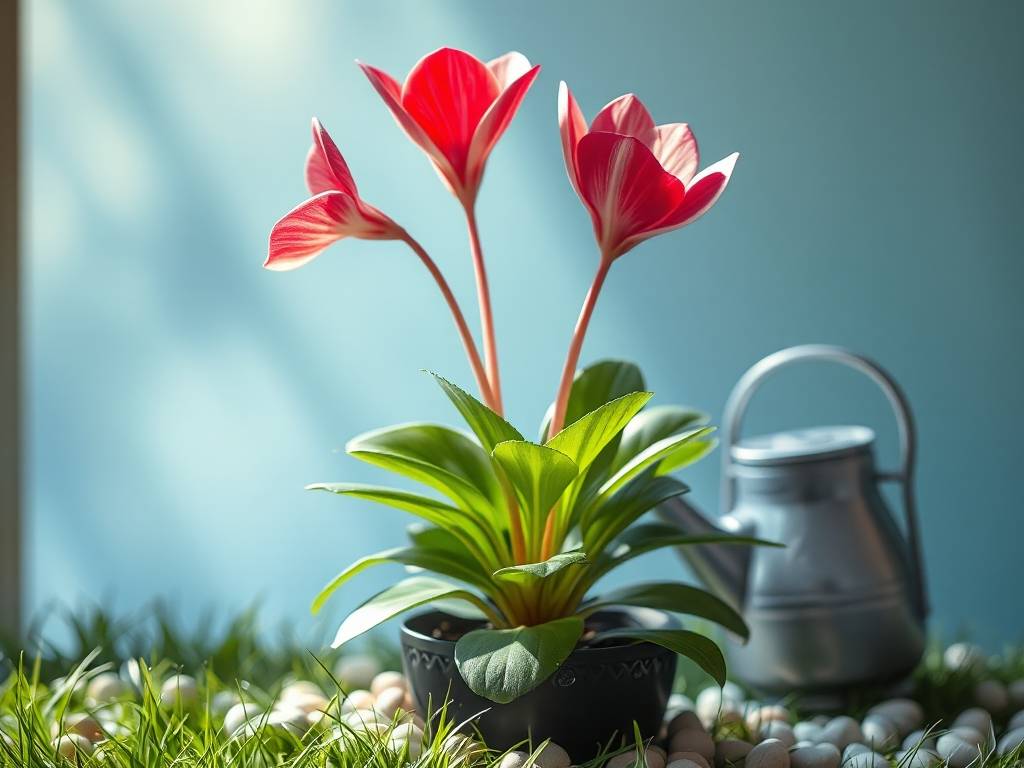
Cyclamen are cool-weather lovers. They perform best in daytime temperatures between 60-68°F (15-20°C) and even cooler nights, down to 50°F (10°C). This is why they often thrive in rooms that are less frequently heated, like entryways, sunrooms, or bedrooms. High temperatures, especially above 70°F (21°C), will cause the plant to go dormant prematurely, dropping flowers and leaves as it thinks the warm summer has arrived.
As for humidity, average household levels are generally acceptable. However, if your home is particularly dry in the winter, consider using a room humidifier or placing the pot on a pebble tray filled with water (ensure the pot is not sitting in the water). Misting is not recommended, as it can promote fungal spots on the flowers and leaves.
Feeding for Vibrant Blooms
To support its long blooming period, your cyclamen needs regular, light feeding. From the moment you see flower buds forming until the end of the blooming season, feed it with a water-soluble, high-phosphorus fertilizer diluted to half-strength. A fertilizer labeled for "blooming houseplants" is perfect. Apply this every 3-4 weeks. Do not fertilize when the plant is dormant.
The Dormancy Period: Don't Throw It Out!
Many people believe their cyclamen has died when, after flowering, its leaves turn yellow and the plant appears to wither. In reality, it is simply entering its natural dormancy period, typically in late spring or early summer.
When this happens:
- Gradually reduce watering as the leaves die back.
- Once all the leaves are yellow, stop watering entirely.
- Move the pot to a cool, dark, and dry place for 2-3 months. A basement or a cool garage is ideal.
- In late summer, bring the pot back into a cool, bright location.
- Resume watering lightly, and you will soon see new leaves emerging from the tuber.
This cycle of growth and rest is what allows the plant to live for many years, becoming more magnificent with each season.
Troubleshooting Common Issues
- Yellowing Leaves: This is often caused by overwatering, high temperatures, or insufficient light. Check your watering habits and the plant's location.
- Flowers or Stems Collapsing: This is typically due to botrytis, a gray mold, which is encouraged by overly wet conditions and poor air circulation. Remove affected parts immediately and improve air flow around the plant.
- Lack of Blooms: The most common culprits are insufficient light, temperatures that are too high, or a lack of fertilizer during the growing season.
Looking Ahead: Cyclamen in 2025
The horticulture industry is continuously innovating. Recent trials, as noted in the 2024 "International Floriculture Report," are focused on developing single-petal cyclamen cultivars with even greater heat tolerance and resistance to common root diseases. This means the future promises even more resilient varieties for the home gardener. Furthermore, the integration of smart plant sensors that monitor soil moisture and ambient temperature is becoming more accessible, taking the guesswork out of providing the perfect cool, filtered light and precise watering that these exquisite plants crave.
By understanding and respecting the unique rhythm of the single-petal cyclamen, you are not just keeping a plant alive; you are cultivating a seasonal masterpiece. Its elegant, rabbit-ear-like flowers are a reward for providing the simple, cool, and gentle care it needs to flourish.