 bluename
 How to Care for Wax Begonia (Double Petal) for Year-Round Blooms
Are you struggling to keep your wax begonia thriving despite providing ample care? Do its glossy leaves lose luster or blooms fail to appear through seasons? Many gardeners face challenges in maintaining consistent growth with double petal begonias due to unclear light requirements and watering routines. This comprehensive guide addresses these pain points with actionable solutions.
Understanding Wax Begonia Fundamentals
Wax begonias, particularly the double petal variety, are celebrated for their rose-like layered flowers and resilient nature. These plants flourish under warm filtered light and adapt well to both indoor and outdoor environments. Their signature glossy leaves act as natural indicators of plant health, changing appearance when care conditions need adjustment.
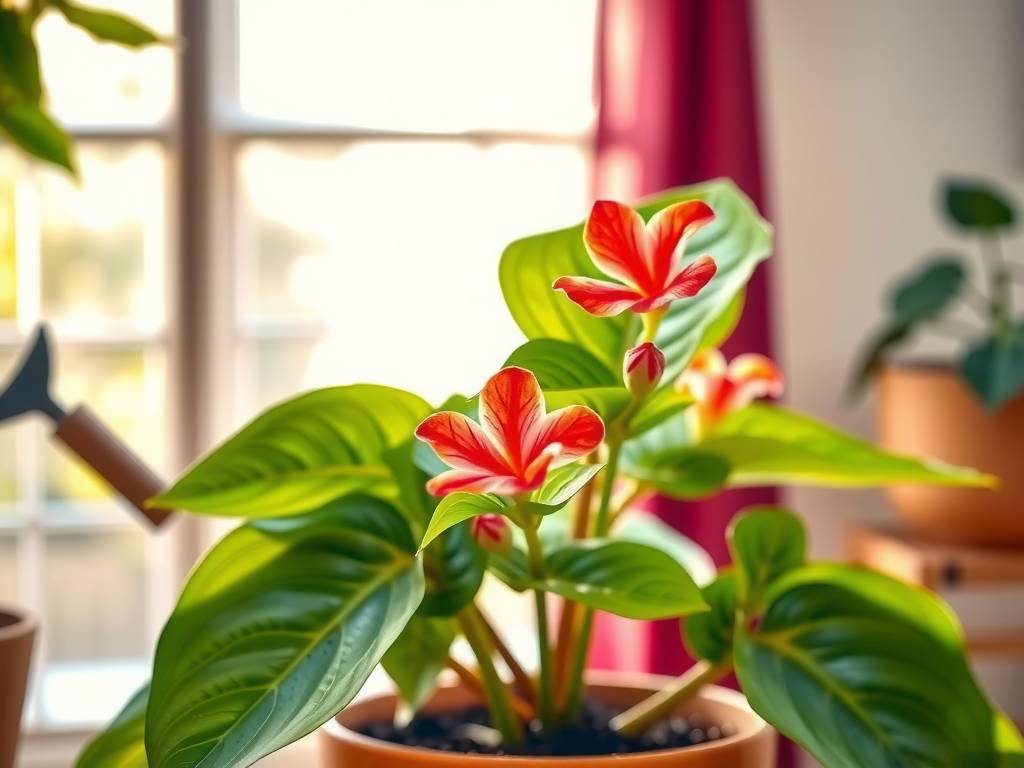
Optimal Light Conditions: Warm Filtered Light Explained
Place your begonia where it receives 4-6 hours of daily filtered sunlight. Morning light through window sheers or dappled patio shade creates ideal conditions. Direct afternoon sun scorches leaves while insufficient light causes leggy growth.
Rotate potted specimens weekly to ensure even exposure. During winter, supplement with full-spectrum grow lights placed 12 inches above foliage for 12-hour cycles.
Watering Techniques for Continuous Blooms
Maintain consistently moist but not waterlogged soil. The top inch should dry slightly between waterings. Use room-temperature water applied directly to soil to prevent leaf spots.
According to Royal Horticultural Society studies, wax begonias in well-draining soil require 25% less frequent watering than those in dense mixtures. Always empty drainage trays after irrigation.
Soil and Fertilization Strategies
A peat-based potting mix with perlite provides ideal drainage and moisture retention. Feed with balanced liquid fertilizer (10-10-10) monthly during active growth periods.
For enhanced blooming, switch to phosphorus-rich formula (15-30-15) when bud formation begins. Soil pH between 5.5-6.5 maximizes nutrient absorption, as confirmed by University Extension research.
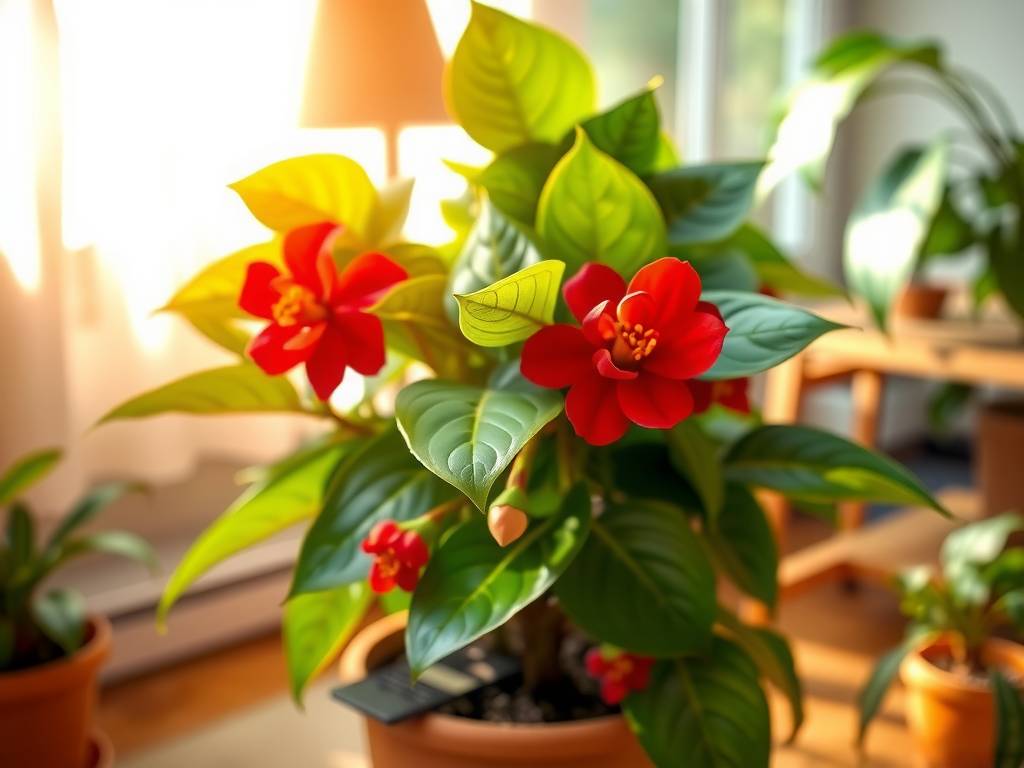
Temperature and Humidity Control
Maintain temperatures between 65-75°F (18-24°C) for optimal growth. These plants tolerate occasional dips to 50°F (10°C) but suffer damage below this threshold.
Moderate humidity levels of 40-50% keep leaves glossy without promoting fungal issues. Group plants together or use pebble trays to boost ambient moisture in dry environments.
Pruning and Deadheading Methods
Regularly remove spent flowers by pinching stems above leaf nodes to encourage new bud development. Trim leggy stems back to 4 inches during spring to maintain compact form.
Always use sterilized pruning tools to prevent disease transmission. Wipe leaves monthly with damp cloth to preserve their natural shine and photosynthetic efficiency.
Seasonal Care Adjustments
Reduce watering frequency by half during winter dormancy periods. Hold fertilization until new growth emerges in spring.
Move outdoor containers to protected areas when temperatures consistently drop below 55°F (13°C). Indoor plants may need relocation away from heat vents during colder months.
Troubleshooting Common Issues
Yellowing leaves often indicate overwatering or poor drainage. Brown leaf edges suggest low humidity or salt buildup from fertilizers.
Address pest problems like mealybugs with horticultural oil applications. Prevent powdery mildew through proper air circulation and avoiding overhead watering.
Why won't my double petal begonia bloom?
Insufficient light remains the primary cause for lack of flowers. Transition gradually to brighter conditions and ensure proper fertilization. Root-bound plants may also reduce flowering - consider repotting if roots circle the container.
How often should I repot my wax begonia?
Refresh soil annually and move to slightly larger containers every 2-3 years. Spring represents the ideal time for repotting activities. Choose containers 1-2 inches wider than the current pot to prevent overpotting issues.
Can I propagate my double petal begonia?
Take 3-4 inch stem cuttings during active growth periods. Remove lower leaves and dip in rooting hormone before planting in moist propagation mix. Maintain high humidity around cuttings until new growth appears, typically within 3-4 weeks.
Consistent care routines yield remarkable results with double petal begonias. These resilient plants reward proper light management and watering practices with continuous floral displays. Their adaptable nature makes them suitable for various growing environments, from patio containers to indoor gardens. Remember that seasonal adjustments and attentive observation form the foundation of successful begonia cultivation.





