bluename
 The Complete Guide to Rieger Begonia Care: Double Petal Beauty Secrets
Are you struggling to keep your Rieger Begonia thriving and blooming season after season? Many plant enthusiasts find themselves frustrated when their double-petaled beauties fail to rebloom or suddenly wilt despite their best efforts. The secret lies in understanding this hybrid's specific needs for filtered light, consistent moisture, and seasonal adjustments.
Understanding Your Rieger Begonia's Natural Habitat
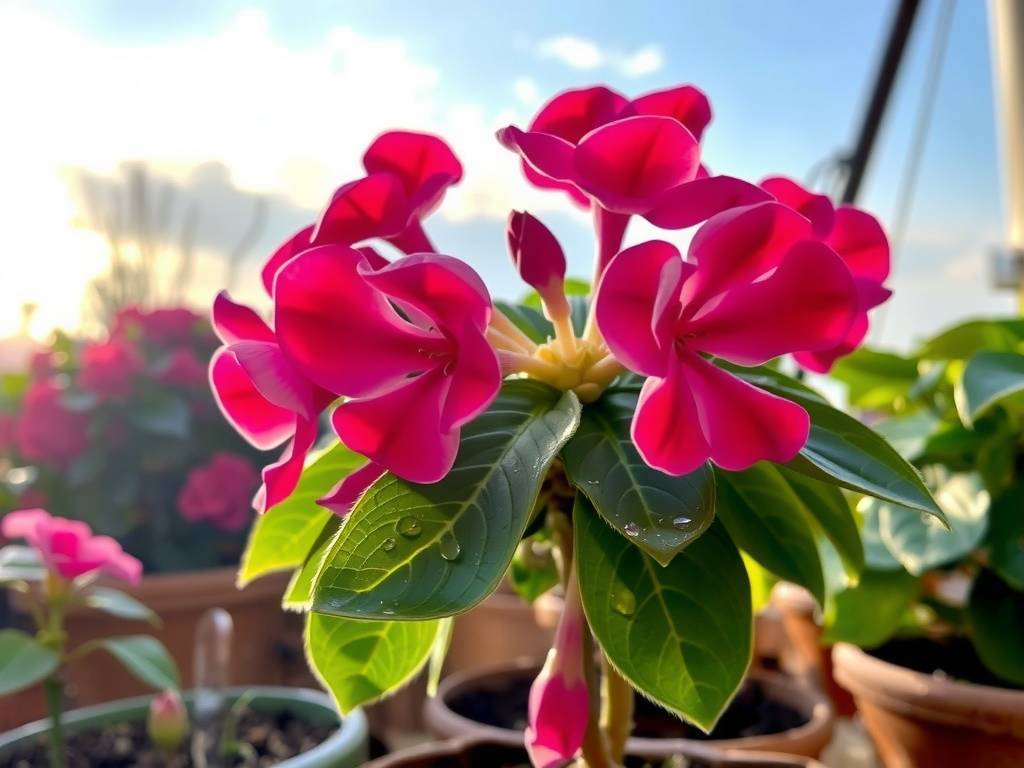
Rieger Begonias, scientifically known as Begonia x hiemalis, are hybrid plants that combine characteristics from different begonia species. Their double-petaled flowers create stunning floral displays that can last for months with proper care. These plants originally come from tropical and subtropical regions, which explains their preference for filtered sunlight and humid conditions.
Unlike their single-petaled cousins, double petal begonias have layered flowers that resemble miniature roses. This genetic trait makes them particularly sought after but also slightly more demanding in their care requirements. The extra petals require more energy from the plant, meaning lighting and feeding become crucial factors in their maintenance.
Perfect Lighting Conditions for Optimal Growth
Filtered light stands as the golden rule for Rieger Begonia success. These plants flourish in bright but indirect sunlight, similar to what they would receive under forest canopies in their natural habitat.
Place your begonia near east or north-facing windows where it can enjoy gentle morning light without the harsh afternoon rays. If you only have south or west-facing windows, use sheer curtains to diffuse the strong sunlight. During winter months, when sunlight is less intense, you might need to move your plant closer to the window to ensure it receives adequate light for flower production.
Watch for telltale signs of light stress. If leaves appear scorched or develop brown patches, your plant is getting too much direct sunlight. Conversely, if the stems become leggy and flowering decreases, the plant likely needs more light. Finding that sweet spot of filtered light will reward you with vibrant foliage and abundant blooms.
Mastering the Watering Balance: Moist But Not Soggy
The "moist, no waterlogging" principle might sound simple, but it's where most growers stumble. Rieger Begonias demand consistently moist soil that never becomes waterlogged. This balance ensures the roots receive adequate hydration without suffocating from lack of oxygen.
Check soil moisture daily during growing season by inserting your finger about an inch deep. Water when the top layer feels dry to the touch. Use room-temperature water to avoid shocking the delicate root system. Always water thoroughly until it drains from the bottom, then empty the drainage tray to prevent the plant from sitting in water.
Proper drainage is non-negotiable. Choose pots with multiple drainage holes and use well-aerated potting mix. Many expert growers recommend adding perlite or orchid bark to standard potting soil to improve drainage and prevent compaction. This simple adjustment can mean the difference between a thriving plant and one susceptible to root rot.
Seasonal Care for Year-Round Beauty
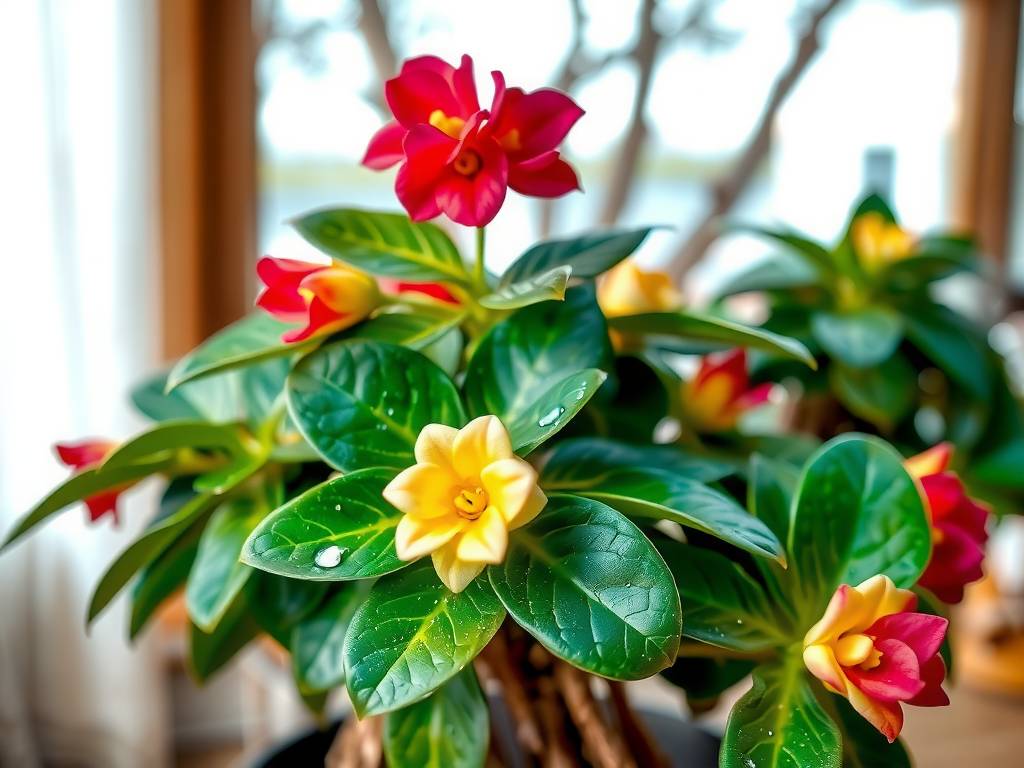
These plants truly shine with their bright autumn-winter-spring flowers, making them perfect for adding color during darker months. To encourage this extended blooming period, you'll need to adjust care with the seasons.
During active growth in spring and summer, maintain consistent moisture and fertilize every two weeks with balanced, water-soluble fertilizer. As autumn approaches, reduce feeding slightly but maintain watering routines. This seasonal shift mimics natural conditions and stimulates flower bud formation.
Winter care focuses on maintaining adequate humidity despite indoor heating. Group plants together, use humidity trays, or run a humidifier to keep levels between 40-60%. Protect plants from cold drafts near windows while ensuring they still receive sufficient light during shorter days. With proper winter care, your Rieger Begonia should produce flowers well into spring.
Soil and Fertilization Fundamentals
The right soil mixture makes maintaining proper moisture levels significantly easier. A peat-based potting mix with added perlite provides the ideal balance of moisture retention and drainage that Rieger Begonias crave.
Feed your double petal begonia with balanced, water-soluble fertilizer diluted to half strength every two weeks during active growth. Some growers swear by switching to bloom-booster formulas as flowering season approaches. These higher-phosphorus fertilizers support the development of those spectacular double blooms.
Always water before applying fertilizer to prevent root burn. During winter, when growth slows, reduce feeding to once monthly or suspend it entirely if the plant becomes dormant. Observe your plant's response and adjust accordingly – yellowing leaves might indicate over-fertilization while poor flowering could signal nutrient deficiency.
Temperature and Humidity Preferences
Rieger Begonias prefer consistent temperatures between 65-75°F (18-24°C). Avoid placing them near heating vents, air conditioners, or drafty windows where temperature fluctuations can stress the plant.
These tropical natives appreciate humidity levels around 50-60%. In dry indoor environments, especially during winter months, boost humidity by grouping plants together, placing water trays nearby, or using a room humidifier. Avoid misting the double-petaled flowers directly, as water trapped between petals can lead to botrytis or other fungal issues.
Pruning and Deadheading Techniques
Regular deadheading encourages continuous blooming. As flowers fade, pinch them off at the base of the flower stem. This prevents energy waste on seed production and redirects it toward new blooms.
After a flowering cycle, consider more substantial pruning to maintain shape and encourage bushier growth. Cut back leggy stems to just above a leaf node. Always use clean, sharp scissors or pruning shears to prevent disease transmission. The cuttings can be propagated to create new plants.
Common Problems and Solutions
Yellow leaves often indicate overwatering or poor drainage. Check soil moisture and adjust your watering schedule accordingly. If root rot has set in, you may need to repot the plant in fresh, well-draining soil.
Powdery mildew can appear as white spots on leaves, especially in stagnant air conditions. Improve air circulation and treat with organic fungicides if necessary. Spider mites might infest plants in dry conditions – increase humidity and wipe leaves regularly to deter these pests.
Propagating Your Rieger Begonia
Expand your collection by propagating stem cuttings. Take 3-4 inch cuttings from healthy stems, remove lower leaves, and dip in rooting hormone before placing in moist potting mix. Cover with plastic to maintain humidity until roots develop, usually within 4-6 weeks.
Frequently Asked Questions
Why are my Rieger Begonia's buds dropping before opening? Bud drop typically results from sudden environmental changes, particularly temperature fluctuations or inconsistent watering. Maintain stable conditions and avoid moving the plant once buds have formed.
How can I encourage reblooming? After the initial flowering period, provide a rest period with slightly cooler temperatures and reduced watering for 6-8 weeks. Then return to normal care – this often stimulates another bloom cycle.
Are Rieger Begonias toxic to pets? Yes, like most begonias, they contain insoluble oxalates that can cause mouth irritation and digestive upset if ingested by cats or dogs. Keep plants out of reach of curious pets.
With proper attention to filtered light, consistent moisture without waterlogging, and seasonal adjustments, your Rieger Begonia will reward you with spectacular double-petaled flowers from autumn through spring. Remember that plant care is an ongoing conversation – observe how your begonia responds to your care routine and make adjustments as needed. The effort invested in understanding this beautiful plant's needs will return tenfold in vibrant blooms and lush foliage that brighten your home during the darkest months of the year.