 bluename
 How to Care for Cymbidium Sinense (Qi Hei): The Ultimate Guide
Are you struggling to keep your Cymbidium Sinense thriving? Many enthusiasts find this elegant orchid challenging due to its specific light and moisture requirements. Known as Qi Hei in Chinese, this terrestrial orchid demands precise filtered light conditions and careful watering to prevent root rot while maintaining adequate moisture.
Understanding Cymbidium Sinense Natural Habitat
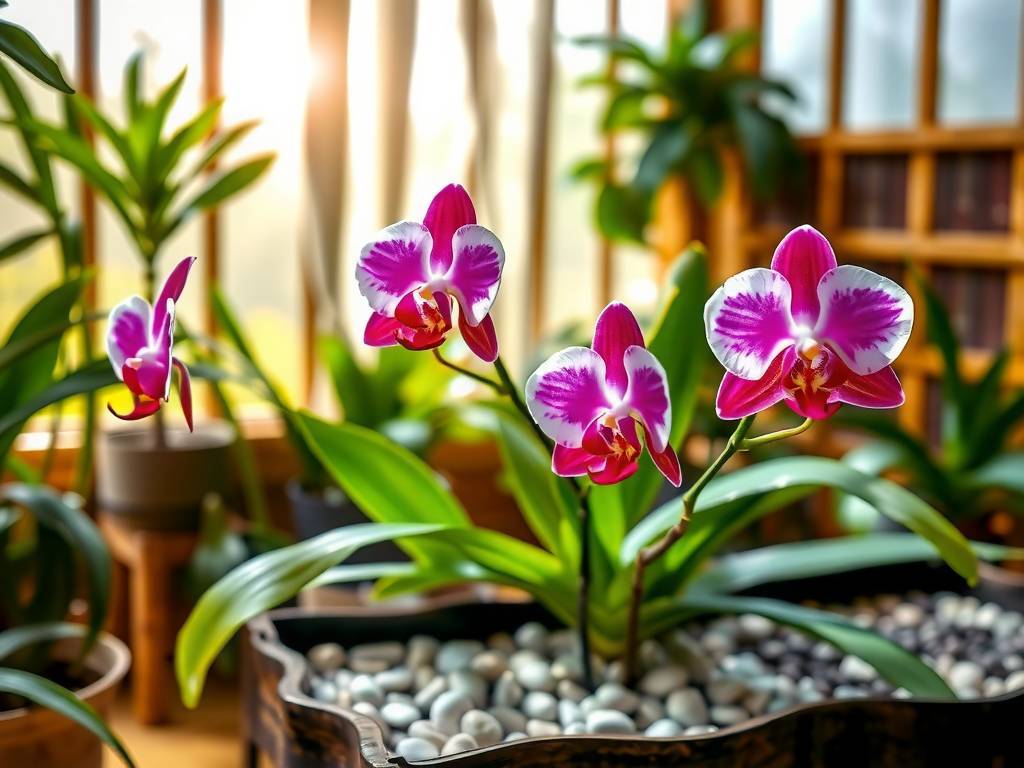
Cymbidium Sinense originates from East Asian forests where it grows under canopy cover. This explains its preference for filtered sunlight rather than direct exposure. In its native environment, the plant receives dappled sunlight through tree branches, creating ideal illumination conditions.
The forest floor provides naturally well-draining yet moisture-retentive soil. These orchids have adapted to environments with high humidity but excellent air circulation around their roots. Understanding these natural conditions helps us recreate the perfect home environment.
Perfect Light Conditions for Healthy Growth
Filtered light remains the most crucial factor for Cymbidium Sinense care. These orchids cannot tolerate direct afternoon sun, which can scorch their leaves. East-facing windows provide ideal morning light without harsh intensity.
If growing outdoors, position your Qi Hei where it receives bright but indirect light. Under trees or shaded patios work perfectly. During winter months when sunlight is less intense, some morning direct light may be beneficial.
Watch for leaf color changes. Dark green leaves often indicate insufficient light, while yellowish leaves suggest too much direct sun. The ideal is a vibrant medium green color.
Creating Optimal Air Circulation
Proper ventilation prevents fungal diseases and strengthens plant structure. Well-ventilated spaces allow for healthy gas exchange and reduce pest problems. However, avoid placing your orchid in direct draft paths from air conditioners or heaters.
Strategic placement near open windows or using gentle fans promotes air movement. Outdoor plants naturally benefit from breeze but protect from strong winds that can damage leaves and flowers.
Good air circulation also helps soil dry appropriately between waterings. This balance is essential for preventing root issues while maintaining necessary moisture levels.
Mastering Watering Techniques
The "moist but no waterlogging" principle is vital for Cymbidium Sinense hydration. These orchids prefer consistently moist growing media that never becomes soggy. Water thoroughly when the top inch of potting mix feels dry to touch.
Use room temperature water to avoid shocking the root system. Early morning watering allows leaves to dry before cooler evening temperatures. Always water until it drains from the bottom, then empty the saucer to prevent standing water.
During active growth periods in spring and summer, watering frequency increases. Reduce watering during winter dormancy but never allow complete drying.
Choosing the Right Potting Mix
A well-draining medium is essential for preventing waterlogging while retaining adequate moisture. Special orchid mixes containing bark, perlite, and sphagnum moss work excellently. These components create air pockets while holding appropriate moisture.
Repot every two years or when the potting medium breaks down. Spring after flowering is the ideal time. Select containers with multiple drainage holes to ensure excess water escapes readily.
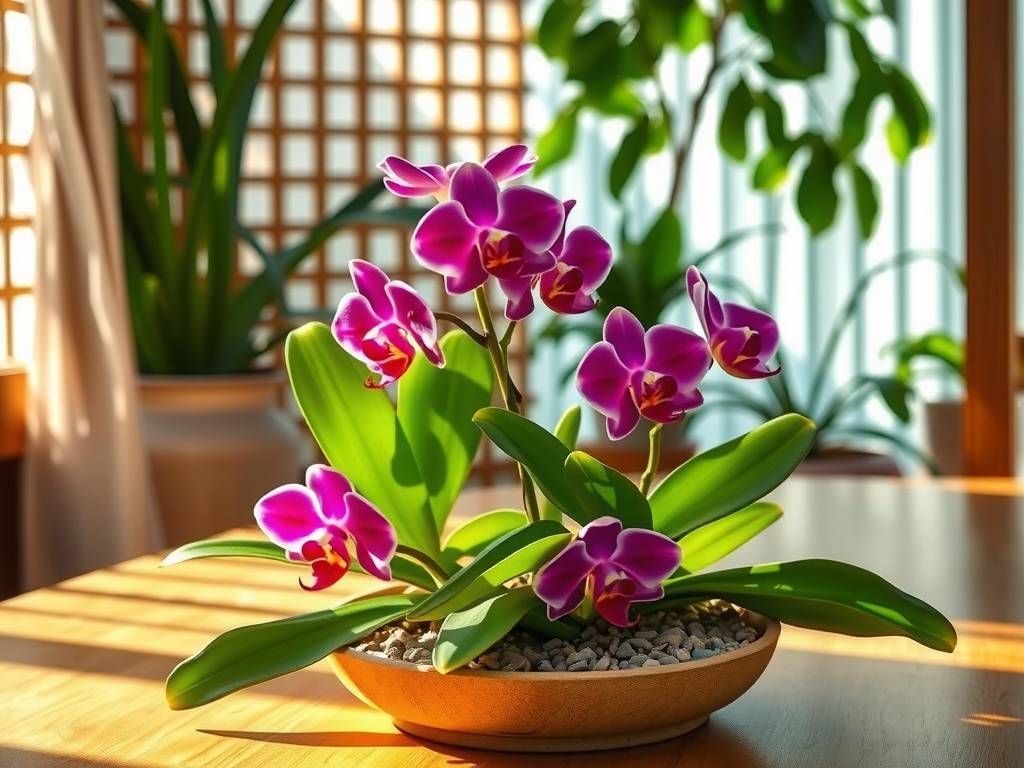
When repotting, examine roots carefully. Healthy roots appear firm and white with green tips. Trim any soft, brown, or rotting roots before placing in fresh medium.
Seasonal Care Considerations
Cymbidium Sinense has different needs throughout the year. During spring and summer growth periods, fertilize every two weeks with diluted orchid food. Reduce feeding during fall and winter months.
Temperature preferences range between 60-80°F (15-27°C) during daytime. Cooler nights around 50-60°F (10-15°C) in fall help initiate flower spikes. Protect from temperatures below 40°F (4°C).
Humidity levels around 40-60% mimic natural conditions. Use humidity trays or room humidifiers during dry winter months when indoor air becomes particularly arid.
How Often Should I Water My Cymbidium Sinense? Watering frequency depends on season, potting medium, and environmental conditions. Generally, water every 7-10 days during active growth and every 10-14 days during dormancy. Always check soil moisture before watering rather than following a strict schedule.
What Are Signs of Overwatering? Yellowing leaves, soft black roots, and mold growth indicate overwatering. If detected, reduce watering immediately and consider repotting into fresh, dry medium after removing affected roots.
Can Cymbidium Sinense Grow Indoors? Yes, with proper filtered light and ventilation. East or north-facing windows work well. Rotate plants regularly for even growth and consider supplemental lighting during dark winter months.
Successful Cymbidium Sinense cultivation requires balancing filtered light, adequate ventilation, consistent moisture, and proper drainage. By understanding these interconnected factors, you can maintain a healthy, flowering specimen that brings elegance to your space year after year.





