bluename
 How to Care for Dwarf Asparagus Fern: Staking to Enhance Ornamental Value
Your dwarf asparagus fern is thriving, lush and green, but instead of the elegant, cascading form you envisioned, its delicate fronds are sprawling in every direction. This common frustration can leave even the most dedicated plant parent wondering how to achieve that picture-perfect, ornamental display. The secret often lies not just in basic care, but in a simple, transformative technique: proper staking. Mastering how to care for dwarf asparagus fern with strategic support can elevate it from a messy clump to a stunning architectural feature in your home.
This guide will walk you through the complete process, from understanding the plant's natural growth habits to selecting the right materials and executing the staking technique flawlessly. We’ll integrate expert insights to ensure your approach supports both the plant’s health and its aesthetic appeal.
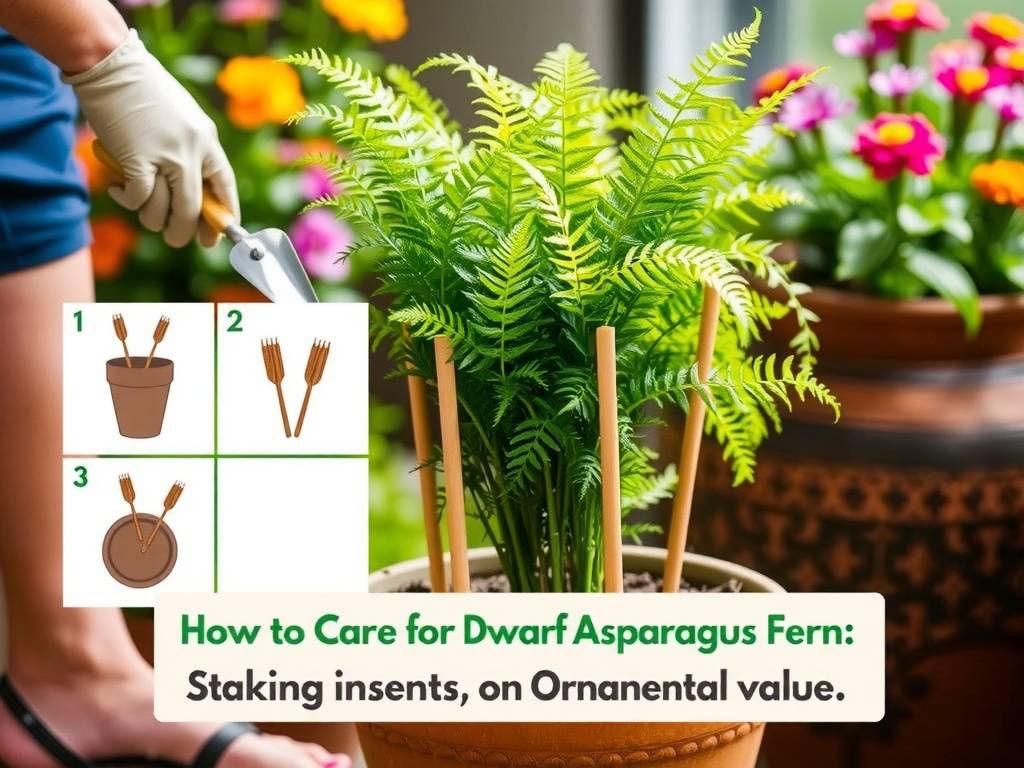
Understanding the Dwarf Asparagus Fern’s Growth Habit
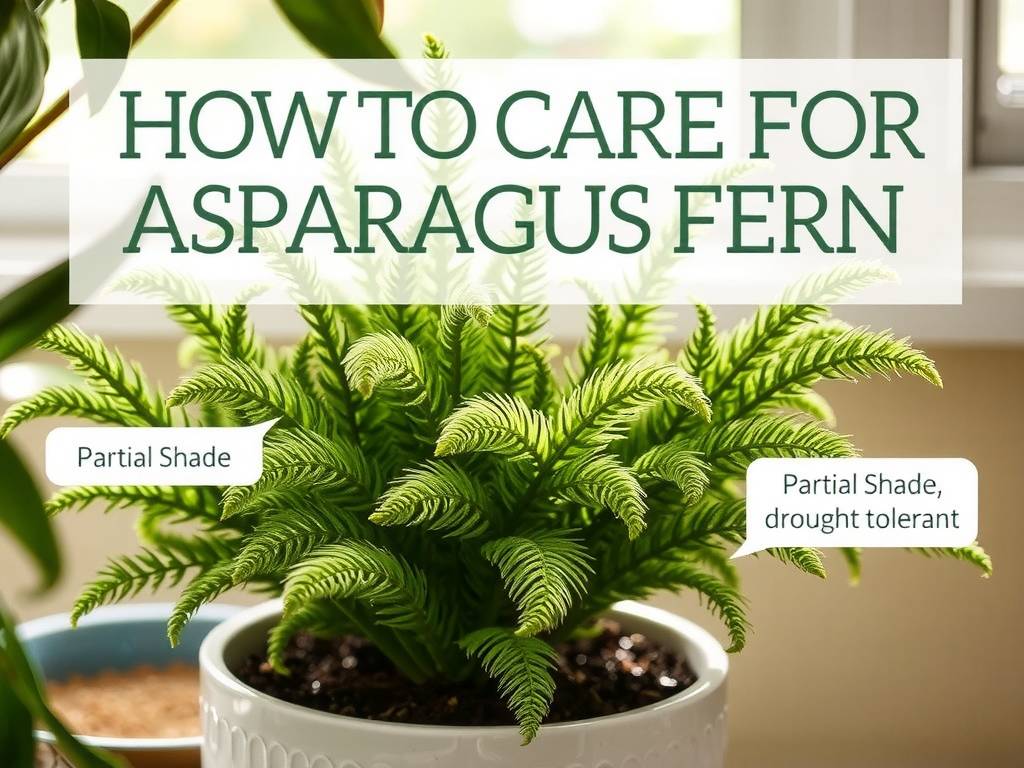
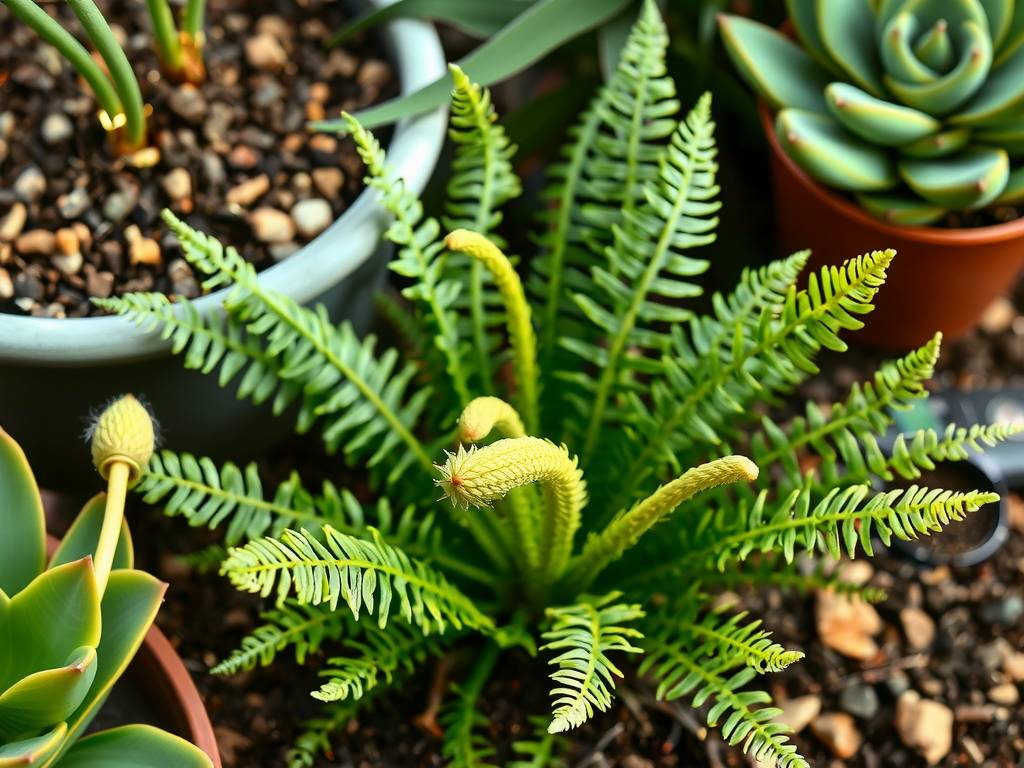
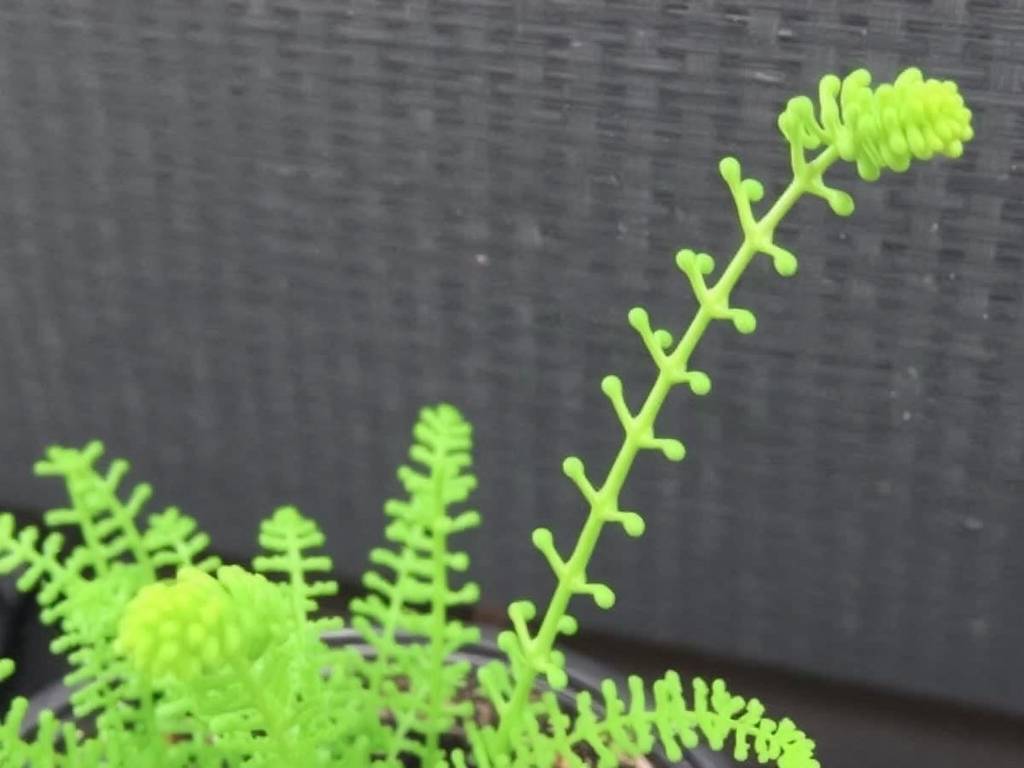
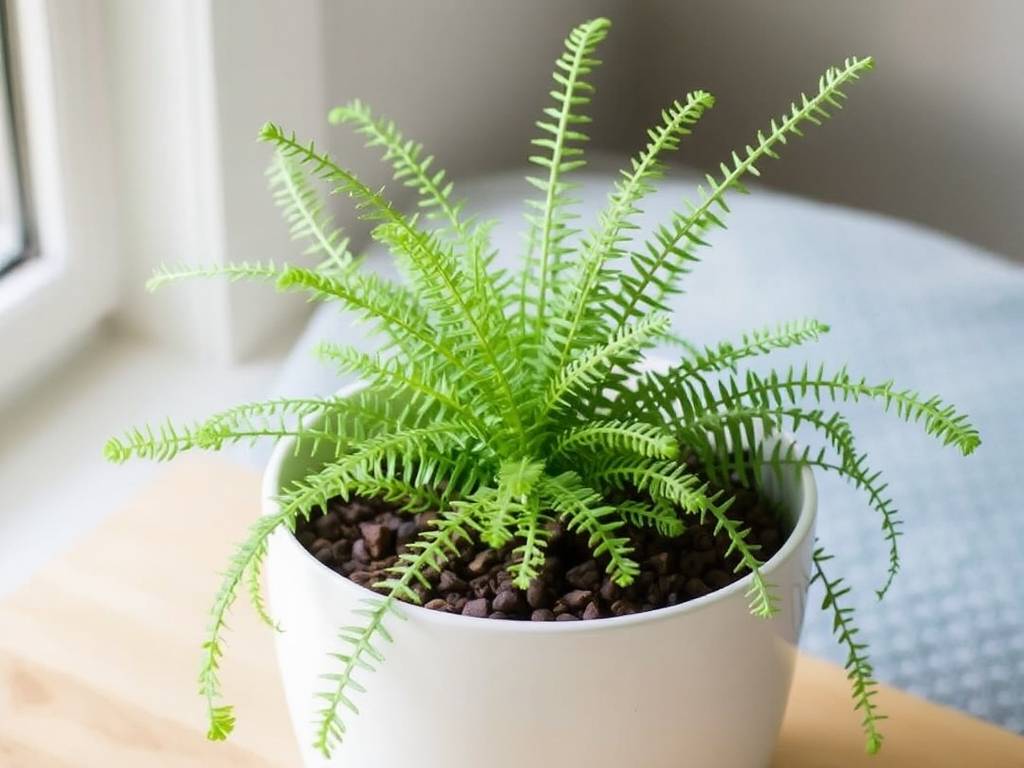
The dwarf asparagus fern, scientifically known as Asparagus densiflorus ‘Sprengeri’ (or more correctly, Asparagus aethiopicus), is not a true fern. It’s a member of the lily family, characterized by its wiry, trailing stems covered in soft, needle-like cladodes. Its natural growth pattern is to scramble and sprawl. In its native habitat, it might climb over rocks or other vegetation.
When grown in a container, this instinct leads to stems that tumble over the pot's edge—which is desirable—but also to a center that can become dense and tangled. Without intervention, older stems may flop unattractively, and the plant’s beautiful form gets lost. Recognizing this habit is the first step in proactive care. Staking provides the gentle guidance it needs to showcase its graceful, arching lines.
Essential Care Fundamentals Before Staking
Before you introduce any support, ensure your fern is in peak health. A stressed plant won’t respond well to training. Follow these core pillars of dwarf asparagus fern care.
Light and Temperature: This plant prefers bright, indirect light. An east or north-facing window is often ideal. Insufficient light leads to leggy, weak growth that flops more readily, while direct afternoon sun can scorch its delicate foliage. Maintain room temperatures between 65-75°F (18-24°C) and protect it from cold drafts.
Watering and Humidity: Consistent moisture is key, but soggy soil is a death sentence. Water thoroughly when the top inch of soil feels dry, allowing excess water to drain freely. The Royal Horticultural Society (RHS) advises that Asparagus species appreciate higher humidity. Misting regularly, using a pebble tray, or placing it in a naturally humid room like a bathroom can prevent the cladodes from turning brown and crispy.
Soil and Fertilization: Use a well-draining, peat-based potting mix. A standard houseplant mix amended with a handful of perlite or orchid bark works perfectly. Feed monthly during the active growing season (spring and summer) with a balanced, water-soluble fertilizer diluted to half strength. The American Horticultural Society (AHS) notes that over-fertilization can cause excessive, soft growth that lacks structural integrity, making staking even more crucial.
Pruning for Structure: Regular pruning is staking’s partner. Use clean, sharp scissors to remove any yellow or dead stems at the base. To encourage bushier growth and control size, you can trim back the longest runners by up to one-third. Pruning before staking removes unnecessary weight and clarifies the plant's best lines.
Why Staking Enhances Ornamental Value
Staking is more than a corrective measure; it’s a design tool. For the dwarf asparagus fern, it serves multiple purposes that directly boost its visual appeal and health.
It creates an intentional, elegant shape, guiding the cascading stems to flow in a cohesive manner rather than sprawling chaotically. By lifting the center of the plant, it improves air circulation throughout the foliage, significantly reducing the risk of fungal diseases and pest infestations that thrive in damp, stagnant conditions. Proper support also prevents stems from breaking under their own weight or from accidental contact, and it allows light to penetrate more evenly to the inner parts of the plant, promoting fuller, more uniform growth.
Selecting the Right Staking Materials
The goal is to support the plant discreetly. The materials should be functional yet unobtrusive, allowing the fern’s beauty to take center stage.
Stake Types:
- Bamboo Stakes: A classic, natural-looking choice. They are sturdy, inexpensive, and come in various lengths and thicknesses. Choose a height roughly two-thirds the desired height of your plant's supported center.
- Moss Poles: Ideal if you want to encourage the fern’s aerial roots to attach, creating an even more secure and natural-looking column of greenery. It requires a slightly different technique, where stems are gently tied to the moist pole.
- Metal or Wooden Hoops/Trellises: Small, decorative obelisks or single hoops inserted into the pot can provide a beautiful framework for the fern to grow through and over, perfect for a topiary effect.
Tying Materials: Never use wire or string that can cut into tender stems. Opt for soft, flexible ties.
- Velcro Plant Ties: Reusable, adjustable, and gentle on stems.
- Jute or Soft Garden Twine: Biodegradable and blends in naturally.
- Green Twist Ties: The soft, paper-covered variety can work if used loosely.
A Step-by-Step Guide to Staking Your Dwarf Asparagus Fern
Here is the definitive process for how to stake a dwarf asparagus fern to improve its appearance. This method focuses on enhancing its natural form rather than forcing it into an unnatural one.
1. Preparation: Gather your clean stake, ties, and pruning shears. Water your plant a day before so the stems are turgid but the soil is not soggy, making it easier to work with.
2. Inserting the Stake: Carefully insert the stake into the potting soil, close to the center of the plant but near the pot's edge to minimize root disturbance. Push it down until it feels stable and reaches near the bottom of the pot. Angle it slightly towards the direction you want the main growth to lean, often away from the light source for a balanced look.
3. Training and Tying: Don’t gather all stems into a tight bundle. Instead, identify 3-5 of the strongest, central stems. Gently gather these and secure them loosely to the stake at one or two points using a figure-8 loop. This loop keeps the tie from rubbing against the stem. The key is to provide support, not constriction. Allow the outer, trailing stems to fall freely over the pot’s sides.
4. Ongoing Maintenance and Adjustment: As your fern grows, check the ties monthly. Loosen or adjust them to prevent girdling. You may add additional ties higher up to support new growth. Rotate the pot a quarter turn weekly to ensure even light exposure, which promotes symmetrical growth around the stake. Continue your regular pruning to remove any stems that grow awkwardly away from the supported form.
Troubleshooting Common Staking Issues
Even with care, you might encounter minor issues. Here’s how to address them.
If the plant still looks sparse or leans heavily to one side, it likely needs more even light. Increase pot rotation. You may also need to prune more aggressively on the denser side to encourage growth on the weaker side.
Should you notice stems being pinched or discolored where ties are attached, immediately loosen or replace the tie. Damage here is a sign the tie is too tight.
For a plant that outgrows its stake, simply replace the original stake with a taller, thicker one. Carefully transfer the ties to the new support. This is a natural part of maintaining a mature, well-grown fern.
Creative Display Ideas with Staked Ferns
A successfully staked dwarf asparagus fern becomes a versatile design element. Use a tall, slender pot to emphasize its vertical elegance. Group it with other textured plants like peperomias or nerve plants for a lush, layered display. A staked fern in a hanging basket allows the supported center to stand proud while the untied stems create a magnificent waterfall of foliage below. The contrast between the structured center and the free-flowing trails is the ultimate expression of its ornamental value.
My fern’s stems are very delicate. Won’t staking damage them? No, when done correctly with soft ties and a gentle touch, staking prevents damage. It supports the stems, preventing them from snapping under their own weight or from accidental bumps. The key is to tie loosely and check regularly.
How often should I replace the stakes and ties? Inspect ties every few months for wear or tightness and replace as needed. Bamboo stakes may last 1-2 years before becoming brittle. Moss poles can last several years but may need occasional remoistening or supplemental moss. Upgrade the stake size when your plant consistently grows above it.
Can I use this staking method for other trailing plants? Absolutely. The principles of gentle support, loose tying, and enhancing natural form apply to many vining or scrambling plants like pothos, philodendron, or even some trailing peperomias. Adjust the stake type and size to suit the specific plant’s weight and growth speed.
Mastering the care of your dwarf asparagus fern by incorporating thoughtful staking transforms your approach from mere maintenance to active sculpting. By providing the right foundation of light, water, and nutrients, and then adding the simple structure of a stake, you work with the plant’s nature to reveal its most beautiful potential. The result is a healthier, more resilient plant displayed with the elegance and ornamental value it truly deserves. Start with a single stake, observe how your fern responds, and enjoy the process of guiding it toward its most stunning form.