 bluename
 How to Care for Double-Petal Wax Begonia for a Warm Environment and Year-Round Blooms
You’ve brought home a stunning double-petal wax begonia, captivated by its lush, rose-like blooms and glossy foliage. You envision a constant display of color brightening your space. Yet, within weeks, the vibrant flowers may dwindle, leaves might drop, and that initial promise fades. The common frustration? These beauties are often treated like ordinary houseplants, when they truly crave a specific, consistently warm and nurturing environment to unlock their non-stop flowering potential. This comprehensive guide is dedicated to solving that exact problem. We will walk through every essential step to not only keep your double-petal wax begonia alive but to master its care, creating the perfect warm environment for spectacular year-round blooms.
Understanding Your Double-Petal Wax Begonia
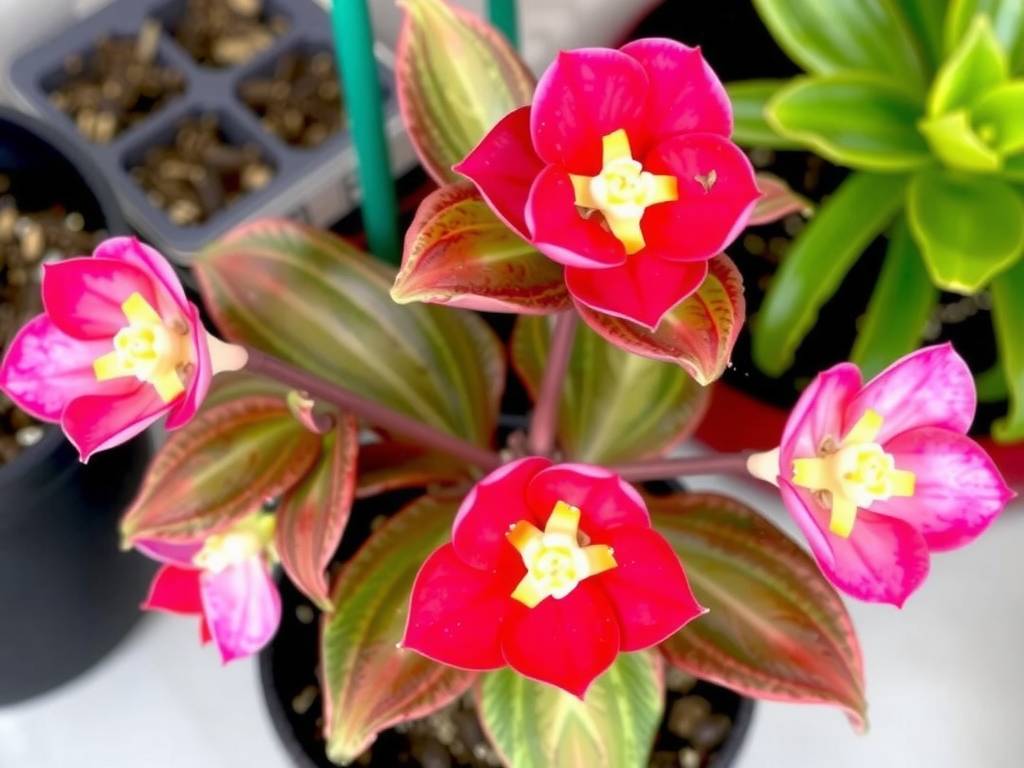
Before diving into care routines, it’s crucial to understand what makes this plant special. Double-petal wax begonias, primarily derived from Begonia x semperflorens-cultorum, are prized for their compact growth and prolific, layered flowers that resemble miniature camellias or roses. Unlike their single-petal cousins, the double blooms are fuller, creating a more dramatic visual impact. They are perennial in frost-free climates but are most commonly grown as annuals outdoors or as long-flowering houseplants indoors. Their "wax" name comes from their thick, succulent-like leaves that have a glossy, waxy sheen, a clue to their moderate drought tolerance. However, to transition from mere survival to a relentless blooming machine, a strategic approach is required.
The Foundation: Creating the Ideal Warm Environment
The single most important factor for encouraging your begonia to bloom continuously is consistent warmth. This is non-negotiable.
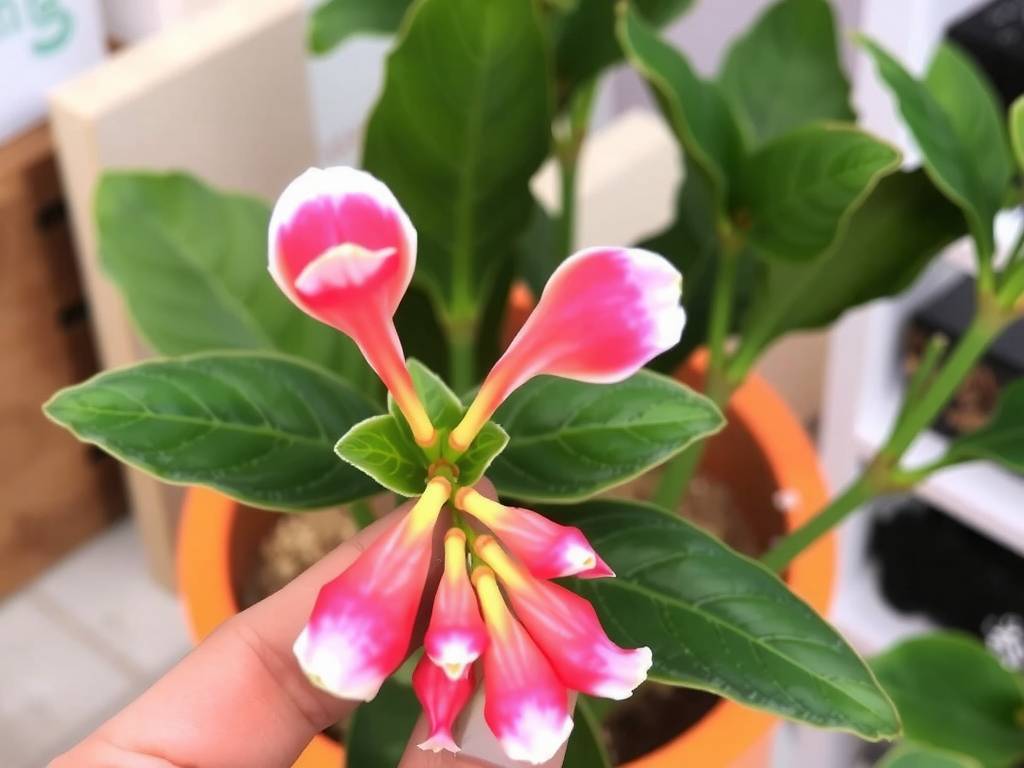
Optimal Temperature Ranges Aim to maintain an ambient temperature between 65°F and 75°F (18°C - 24°C). This range mimics their preferred tropical and subtropical origins. Crucially, avoid temperatures below 60°F (15°C), as cool drafts or chills will signal the plant to slow growth and halt flower production entirely. According to the American Begonia Society, sustained cool temperatures are a primary cause of bud drop and flowering cessation in wax begonias. Similarly, protect the plant from excessive heat above 85°F (29°C), which can cause stress, wilting, and scorched leaves.
Strategic Placement for Light and Warmth Place your begonia in a location that provides bright, indirect light for at least 6 hours a day. An east-facing window is often ideal, offering gentle morning sun. A south or west-facing window can work if filtered by a sheer curtain to prevent leaf scorch. This abundant light works in tandem with warmth to fuel photosynthesis and flower bud formation. Avoid dark corners. If natural light is limited, especially in winter, supplement with a grow light placed 6-12 inches above the plant for 12-14 hours a day to maintain growth and blooming cycles.
Humidity: The Warmth's Companion Warm air often holds more moisture, and your begonia appreciates moderate humidity levels of 40-50%. Dry, heated indoor air in winter can lead to crispy leaf edges. Increase humidity by placing the pot on a pebble tray filled with water (ensure the pot sits above the waterline), grouping it with other plants, or using a room humidifier. Misting is less effective and can promote fungal diseases on the dense double flowers, so it's not generally recommended.
Mastering the Care Routine for Non-Stop Flowers
With the warm stage set, precise care practices will direct all that energy into bloom production.
Watering Wisely for Healthy Roots The goal is evenly moist soil, never soggy and never bone dry. The "soak and dry" method is highly effective. Water thoroughly until it runs freely from the drainage holes, then allow the top inch of soil to dry out before watering again. Insert your finger into the soil to check. Overwatering is a fast track to root rot, especially in warm soil that stays wet. Underwatering in a warm environment will cause stress and flower loss. Reduce watering frequency slightly in winter when growth naturally slows, but never let the root ball completely dry out.
Feeding for Fabulous Blooms Regular fertilization is the secret sauce for year-round blooms on double-petal begonias. During the active growing and flowering season (spring through fall), feed every two weeks with a balanced, water-soluble fertilizer diluted to half-strength. A formula like a 10-10-10 or one slightly higher in phosphorus (the middle number, e.g., 15-30-15) can encourage more prolific flowering. As noted in horticultural resources from institutions like the Royal Horticultural Society (RHS), a high-potash feed in summer can improve flower quality and duration. In winter, if the plant is still in a warm, bright location and growing, fertilize once a month. If it's dormant, cease feeding.
Pruning and Deadheading for Continuous Displays This is a critical step often overlooked. Your double-petal wax begonia plant will not bloom continuously if spent flowers are left on the stem. The plant will put energy into seed production instead of new flowers. Regularly pinch or snip off the entire old flower cluster at its base, just above the next set of leaves. This deadheading practice encourages immediate branching and new flower bud formation. Also, periodically pinch back the tips of leggy stems to promote a bushier, more compact plant with even more flowering sites.
Soil and Repotting for Sustained Growth Use a lightweight, well-draining potting mix. A standard peat-based or coir-based potting soil amended with perlite or vermiculite is perfect. Good drainage is paramount. Repot your begonia in spring every 1-2 years, or when you see roots circling the pot's bottom. Only move up one pot size (1-2 inches larger in diameter) to prevent excess soil from staying wet and causing root issues. Fresh soil provides new nutrients and space for root growth, supporting the plant's overall vigor.
Troubleshooting Common Problems in Warm Settings
Even in ideal conditions, issues can arise. Here’s how to address them.
Yellowing Leaves: Often a sign of overwatering. Check soil moisture and ensure the pot drains freely. Could also indicate a need for fertilizer or, if lower leaves, natural aging.
Dropping Buds or Flowers: Usually caused by a sudden change in environment—a temperature drop, draft, underwatering, or overwatering. Review your consistency in care.
Powdery Mildew: A white, powdery fungus that can appear in warm conditions with poor air circulation. Improve airflow, avoid wetting foliage, and treat with a fungicide if needed.
Pests: Watch for aphids, mealybugs, and whiteflies, especially on new growth and buds. Wipe with insecticidal soap or neem oil solution. Isolate affected plants promptly.
Expert Tips for Maximizing Bloom Potential
- Rotate Your Plant: Give the pot a quarter turn weekly to ensure all sides receive even light, preventing lopsided growth.
- Seasonal Adjustments: Don’t be afraid to move your plant seasonally to chase the best light, as long as temperature remains stable.
- Propagation for More Plants: Take 3-4 inch stem cuttings in spring or summer. Root them in water or moist potting mix in a warm, bright spot. You’ll have clones of your favorite double-flowered begonia to expand your collection or share.
Why are the leaves on my double-petal begonia turning brown and crispy? This is typically caused by low humidity in a warm room or too much direct, hot sunlight. The plant loses moisture faster than it can absorb it. Increase ambient humidity with a pebble tray or humidifier and move it to a spot with bright, indirect light.
My begonia has lots of green leaves but no flowers. What’s wrong? This is usually a light or nutrition issue. The plant needs sufficient bright, indirect light to trigger flowering. Also, a diet too high in nitrogen (the first number in fertilizer) promotes leafy growth at the expense of blooms. Switch to a balanced or bloom-booster fertilizer and ensure it gets enough light.
Can I put my potted wax begonia outside in the summer? Absolutely, and it will often thrive. Acclimate it gradually over a week to outdoor conditions. Place it in a shaded or partly shaded spot, as outdoor light is more intense. Bring it back indoors well before nighttime temperatures dip below 60°F (15°C) in the fall.
Achieving a breathtaking display of flowers on your double-petal wax begonia throughout the year is an attainable goal. It hinges on replicating the steady, warm conditions of its native habitat and pairing that foundation with attentive, consistent care. By providing bright indirect light, maintaining even moisture without sogginess, feeding regularly with the right fertilizer, and diligently deadheading, you direct the plant’s energy into a relentless cycle of bloom production. Remember, this plant communicates its needs through its foliage and flowers. Observe it closely, adjust your care with the seasons, and you’ll be rewarded with a resilient, vibrant plant that serves as a living testament to your skilled care, offering a lasting splash of color and beauty in your warm indoor haven.





