 bluename
 How to Care for Double-Petal Rieger Begonia - Bright Indirect Light for Brighter Blooms
You've brought home a stunning double-petal Rieger begonia, captivated by its lush, rose-like blooms in vibrant shades of red, pink, orange, or yellow. But now, you might be watching anxiously as buds drop before opening, leaves turn yellow, or the spectacular floral show seems to stall. The secret to unlocking its full, breathtaking potential isn't a complex mystery; it often boils down to one critical, frequently misunderstood factor: providing the perfect quality of light. Mastering the art of bright indirect light for brighter blooms is the single most important skill for any Rieger begonia enthusiast. This comprehensive guide will walk you through every step, transforming your care routine to ensure your plant thrives and re-blooms season after season.
Understanding Your Double-Petal Rieger Begonia
Before diving into care specifics, it's helpful to know your plant's background. Rieger begonias (Begonia x hiemalis) are complex hybrids, often involving tuberous and wax begonia species. The "double-petal" varieties are particularly prized for their multi-layered, camellia-like flowers. Unlike common wax begonias, they are typically grown as flowering pot plants, with a pronounced blooming period. Understanding this hybrid nature explains their specific needs: they crave consistent moisture but detest soggy feet, and they demand excellent light without the harshness of direct sun.
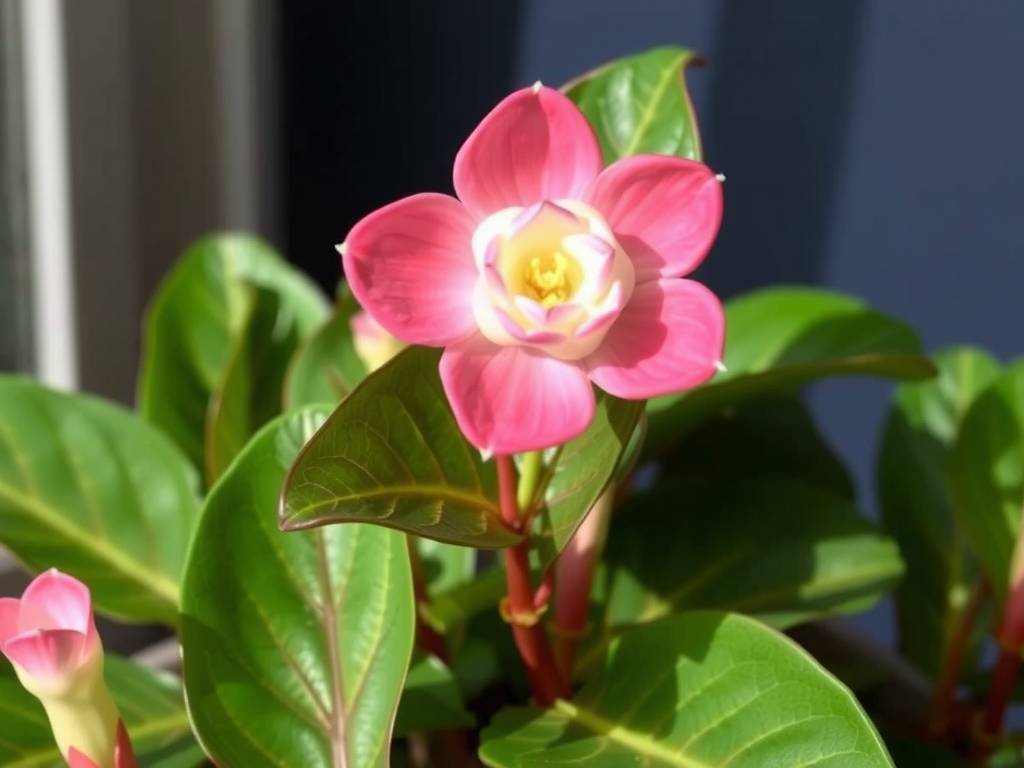
The Golden Rule: Mastering Bright Indirect Light
This is the cornerstone of success. Bright indirect light for brighter blooms isn't just a suggestion; it's the non-negotiable energy source that fuels flower production and maintains compact, healthy growth.
What Exactly Is Bright Indirect Light? Imagine light that fills a room brightly enough to easily read a book, but where the sun's rays never directly touch the plant's leaves. This light is diffused—filtered through a sheer curtain, bounced off a light-colored wall, or received in a spot near but not in a south- or west-facing window. According to horticultural guidelines from institutions like the Royal Horticultural Society (RHS), plants requiring bright indirect light need high light intensity without the associated heat and risk of leaf scorch from direct exposure.
Why Direct Sun is a Foe The delicate, succulent leaves and petals of the double-petal Rieger begonia are highly susceptible to scorching. Direct sunlight, especially through glass, acts like a magnifying glass, causing brown, crispy patches on leaves and bleaching flower color. It also accelerates soil drying and stresses the plant, leading to bud drop.
Perfect Placement for Optimal Light
- Ideal: An east-facing window is often perfect, offering several hours of gentle morning sun.
- Excellent: A few feet back from a south or west-facing window, shielded by a sheer curtain.
- Workable: A very bright north-facing window (in the Northern Hemisphere) may suffice, but monitor for leggy growth.
- Supplemental: During dark winter months or in low-light homes, consider a grow light. A simple LED full-spectrum bulb placed 12-18 inches above the plant for 12-14 hours a day can make a dramatic difference in encouraging reblooming Rieger begonias.
Signs your plant is getting the right light: Sturdy stems, deep green leaves (or vibrant colors on variegated types), and prolific bud formation. Signs it's not: Leggy, stretched stems reaching for light, small leaves, few to no flowers, or pale, scorched foliage.
A Complete Care Regimen for Spectacular Flowers
Light is the engine, but a holistic approach ensures the whole plant runs smoothly.
Watering: The Art of Consistency The goal is evenly moist, never waterlogged or bone-dry soil.
- The Finger Test: Always check the top inch of soil. Water thoroughly when it feels dry to the touch.
- Method: Water slowly and evenly until water runs freely from the drainage holes. This ensures the entire root ball is hydrated. Always empty the saucer after 15-20 minutes. Root rot is a leading cause of failure and is entirely preventable.
- Water Quality: These begonias can be sensitive to chemicals. Using room-temperature, filtered, or rainwater can prevent tip burn on leaves and flowers.
Humidity & Temperature: Recreating a Comfortable Microclimate Rieger begonias prefer moderate to high humidity (around 50-60%) and comfortable room temperatures between 65-75°F (18-24°C).
- Boost Humidity: Group plants together, place the pot on a pebble tray filled with water (pot elevated above the water line), or use a room humidifier. Avoid misting the fuzzy leaves directly, as this can promote fungal diseases.
- Avoid Drafts: Keep away from heating vents, air conditioners, and drafty doors. Sudden temperature fluctuations trigger stress and bud drop.
Soil & Fertilization: The Foundation for Blooms
- Soil: A light, fast-draining, and slightly acidic potting mix is essential. Use an African violet mix or a blend of peat moss, perlite, and vermiculite. Excellent drainage prevents fatal root rot.
- Feeding for Flowers: During active growth and blooming (usually spring through fall), feed every two weeks with a balanced, water-soluble fertilizer diluted to half-strength. To specifically promote begonia flowering, switch to a fertilizer with a slightly higher phosphorus content (e.g., a 10-30-20 formulation) as buds begin to form. Always fertilize damp soil to prevent root burn. Reduce feeding in winter when growth slows.
Pruning & Deadheading: Encouraging Bushiness and More Blooms
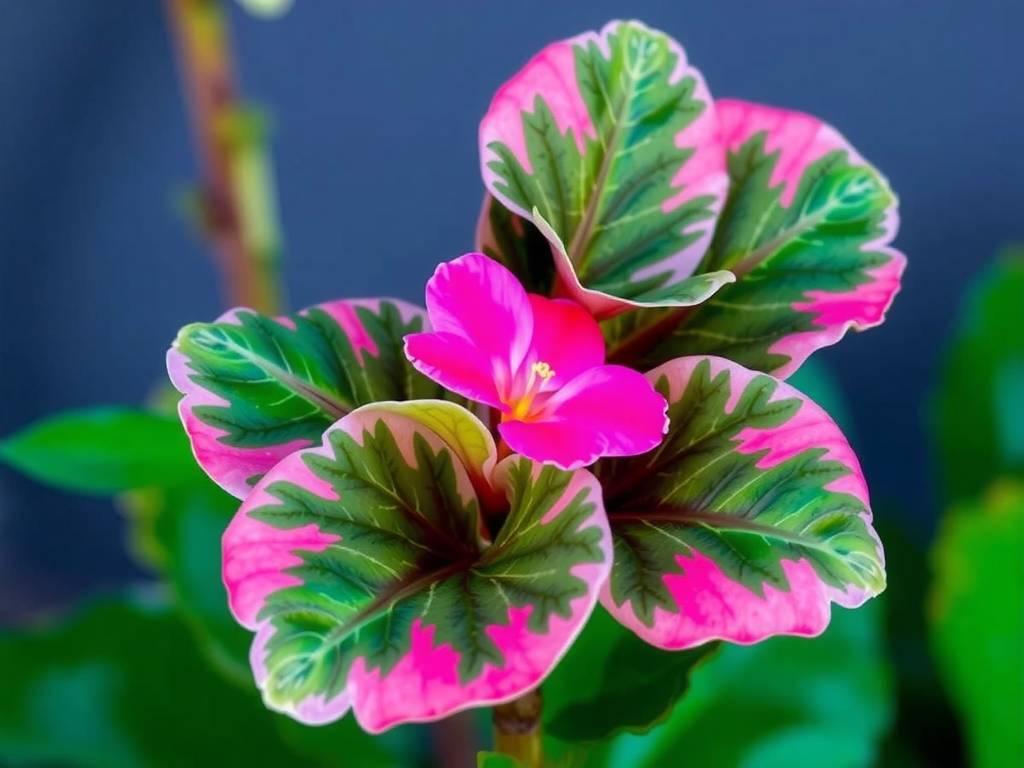
- Pinching: For a fuller plant, pinch off the tiny growing tips of young stems. This encourages branching, leading to more flowering sites.
- Deadheading: Religiously remove spent flowers by pinching them off at the base of the flower stem. This directs the plant's energy away from seed production and toward creating new buds, dramatically extending your bloom time.
Overcoming Common Challenges
Even with great care, issues can arise. Here’s how to troubleshoot:
- Bud Drop: The most common complaint. Causes include sudden changes in location/temperature, under-watering, over-watering, low humidity, or insufficient light. Re-evaluate your consistency in care.
- Yellowing Leaves: Older leaves yellowing naturally is normal. Widespread yellowing often points to overwatering. Yellowing of new growth can indicate nutrient deficiency or poor root health.
- Powdery Mildew: A white, powdery fungus on leaves, spurred by poor air circulation and wet foliage. Improve airflow, avoid wetting leaves, and treat with a fungicide or a baking soda solution.
- Leggy Growth: This is a clear plea for more light. Move the plant to a brighter location or introduce a grow light.
The Cycle of Rest and Reblooming
Rieger begonias often need a short rest period after a heavy bloom to regain strength. Don't be alarmed if it looks tired. Reduce watering slightly and hold off on fertilizer for 6-8 weeks. Keep it in bright indirect light. With patience and resumed care, you'll be rewarded with a new flush of growth and flowers, achieving the coveted cycle of reblooming Rieger begonias.
My begonia's leaves have brown, crispy edges. What's wrong? This is typically a sign of low humidity or inconsistent watering (allowing the soil to get too dry between waterings). It can also result from salt buildup from fertilizer. Try increasing humidity around the plant, perfecting your watering schedule, and periodically flushing the soil with plain water to leach excess salts.
Can I put my Rieger begonia outside in summer? Yes, but with extreme caution. Move it to a fully shaded or deeply dappled shade patio location. Never place it in direct outdoor sun, which is even more intense. Remember to acclimate it gradually and monitor watering more closely, as outdoor pots dry out faster. Bring it back inside well before nighttime temperatures dip below 60°F (15°C).
How do I get my begonia to bloom again next season? The key is providing excellent bright indirect light for brighter blooms year-round, along with consistent care. After a flowering period, give it a brief rest with reduced water and no food. Once you see new growth, resume regular watering and begin fertilizing with a balanced formula, switching to a bloom-booster as buds form. Patience is essential, as the reblooming cycle can take several months.
Providing the correct environment, centered on abundant yet gentle light, transforms the care of a double-petal Rieger begonia from a guessing game into a rewarding practice. By paying close attention to its needs for consistent moisture, high humidity, proper nutrition, and strategic pruning, you support the plant in doing what it does best: producing an astonishing display of color and texture. The vibrant, lasting blooms are not just a gift from the plant, but a direct reflection of the attentive care you provide.





