bluename
 How to Care for Cymbidium Sinense - Winter Temperature Control for Smooth Blooming
For many orchid enthusiasts, the sight of a Cymbidium sinense bursting into bloom is the ultimate reward. Yet, achieving that spectacular display, especially during the winter months, can feel like an elusive goal. The primary culprit? Incorrect winter temperature management. This comprehensive guide is dedicated to unraveling the precise thermal needs of your Cymbidium sinense, ensuring you master the art of winter temperature control for reliably smooth and vibrant blooming seasons.
Understanding the Cymbidium Sinense Blooming Cycle
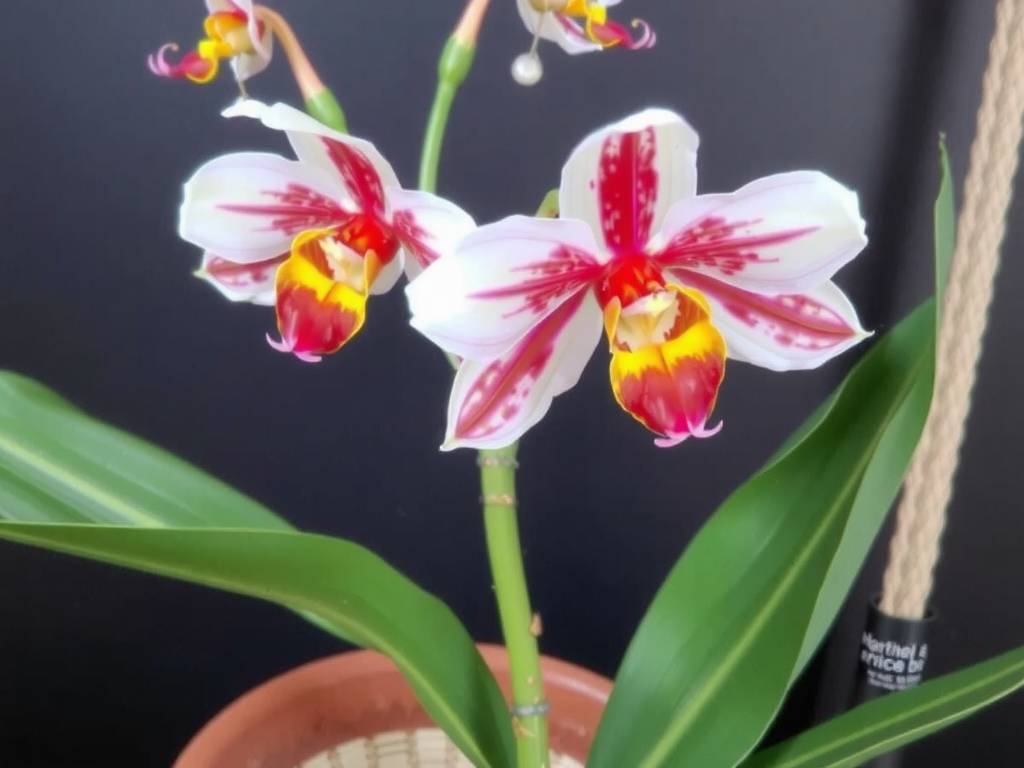
To control temperature effectively, you must first understand what you’re facilitating. The Cymbidium sinense, or Chinese Cymbidium, has a distinct growth and dormancy rhythm tied to seasonal changes. Flower spike initiation typically occurs in late summer to early autumn. However, the subsequent development and ultimate opening of those precious buds are almost entirely governed by the winter conditions you provide.
This period is a delicate dance. The plant is not fully dormant but in a state of slowed growth, channeling energy into maturing its flower spikes. Getting the temperature wrong during this critical window—whether too warm, too cold, or too fluctuating—can lead to bud blast (where buds wither and drop), stalled spike development, or a complete failure to flower.
The Golden Rule: The Critical Winter Temperature Range
So, what is the magic number? For consistent and smooth blooming of Cymbidium sinense, maintaining a night-time temperature range between 50°F (10°C) and 55°F (13°C) is paramount. Daytime temperatures can be allowed to rise, but ideally should not exceed 68°F (20°C) for extended periods.
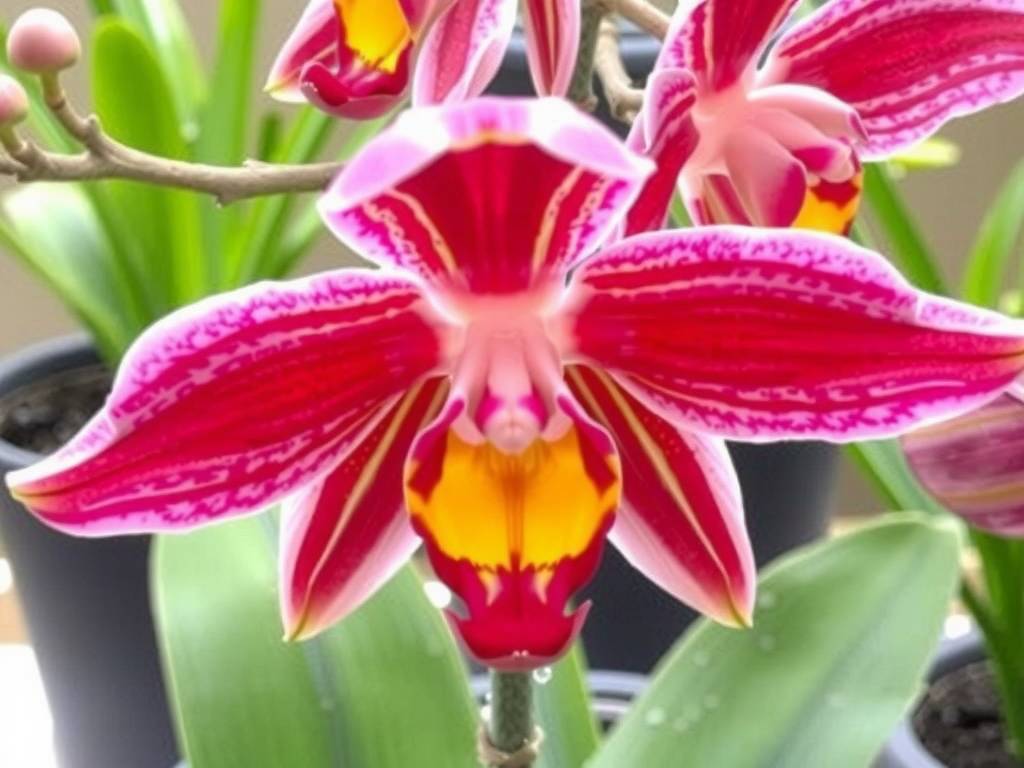
This significant drop from daytime warmth is the non-negotiable environmental trigger. It signals to the orchid that winter has arrived, which in turn catalyzes the biochemical processes necessary to transition from spike growth to bud maturation. According to the Royal Horticultural Society (RHS), this cool, distinct rest period is essential for many temperate-climate orchids, including cymbidiums, to set a robust flower spike.
A Practical Guide to Implementing Winter Temperature Control
Knowing the ideal range is one thing; creating it in your home is another. Here’s a step-by-step approach.
1. Selecting the Right Location Your success begins with placement. The ideal location is a bright room that remains unheated or minimally heated at night. Suitable spots often include:
- A cool sunroom or enclosed porch.
- A bright bedroom where the thermostat is turned down at night.
- A north or east-facing window in a cooler part of the house. Avoid placing the plant near active heat sources like radiators, heating vents, or fireplaces, as these create localized hot spots and dry air.
2. Utilizing Technology for Precision For the dedicated grower, simple tools can remove the guesswork from temperature management for orchid blooming.
- Minimum-Maximum Thermometer: Place one near your orchid. It records the lowest and highest temperatures reached over 24 hours, allowing you to verify your night-time lows and daytime highs.
- Programmable Thermostat: If your orchid is in a dedicated space, programming the home thermostat to drop to 55°F (13°C) at night can create the perfect environment.
- Fans and Humidifiers: Gentle air circulation from a small fan can prevent cold, stagnant air and even out temperature zones. Since heating reduces humidity, a humidifier or pebble tray can counteract the dry air that often accompanies winter heating, supporting overall plant health.
3. Balancing Light with Temperature Temperature control does not exist in a vacuum. It works in concert with light. During winter, your Cymbidium sinense still requires bright, indirect light. A south or east-facing window is ideal. The cool temperatures slow growth, so the plant’s water and nutrient needs diminish. Overwatering in cool conditions is a fast track to root rot. Allow the potting medium to approach dryness before watering thoroughly.
4. Navigating Common Winter Challenges
- Unexpected Warm Spells: A sudden warm period can confuse the plant. If possible, move the orchid to the coolest available spot. The key is consistency; a brief warm spell is less harmful than constantly oscillating temperatures.
- Risk of Frost and Extreme Cold: While Cymbidium sinense needs coolness, it is not frost-hardy. Ensure the temperature never dips below 40°F (4.5°C). Protect plants on windowsills from direct contact with cold glass, which can be several degrees colder than the room air.
- The “Too Warm” Dilemma: Consistently warm nights (above 60°F / 15.5°C) are the most common cause of bloom failure. The plant receives no clear signal to mature its buds, resulting in vegetative growth instead of floral display.
Expert Insights for Optimal Flower Development
The American Orchid Society (AOS) emphasizes that the quality of the bloom is directly influenced by the quality of the rest period. A sustained 4-6 week period with the recommended cool night temperatures is often sufficient to set buds. However, maintaining these conditions throughout the spike development phase, which can last several months, leads to stronger, more numerous, and longer-lasting flowers.
Think of this cool period not as a punishment for the plant, but as a necessary rejuvenation. It builds resilience, stores energy, and directs all resources toward the spectacular reproductive goal: the bloom.
Addressing Your Top Concerns
What if my home is consistently warmer than 55°F at night? This is a very common challenge. Your best strategy is to seek out microclimates. Windowsills, especially in older homes, can be significantly cooler than the center of a room. An unheated garage or basement with a grow light can provide an excellent solution. The goal is to find that 10-15 degree differential between day and night, even if your baseline is higher.
Can I use an outdoor space for winter temperature control? In mild climates (USDA zones 9-10), a sheltered patio or under the eaves of a house can work, provided you vigilantly monitor for frost. The plant must be gradually acclimated to outdoor conditions in the fall. In colder climates, bringing the plant indoors to a cool location is the safer choice to ensure bloom success and plant survival.
My plant has buds, but they are turning yellow and falling off. What happened? This is classic “bud blast,” and temperature is a leading cause. Sudden shifts—either a drastic drop or a spike in heat—can trigger it. Other factors include drastic changes in humidity, overwatering, or underwatering during the sensitive bud stage. Once the environmental stressor is identified and stabilized, the plant will often continue its cycle, though the affected buds may be lost.
Mastering the winter care for Cymbidium sinense is an exercise in patience and precision. By faithfully providing those cool, crisp nights and bright days, you are not merely keeping a plant alive; you are speaking its native seasonal language. You are providing the essential cue that tells it the time is right to put on its magnificent show. The reward for this careful stewardship is the unrivaled beauty and fragrance of a perfectly bloomed Cymbidium sinense, a true testament to the grower’s skill and understanding.