bluename
 How to Care for Wax Begonia: A Guide to Warm Shade, Year-Round Blooms, and Glossy Leaves
Do you dream of a plant that offers vibrant, non-stop color with minimal fuss? Are you struggling with plants that wilt in the heat or fade in the shade? You’re not alone. Many gardeners seek that perfect balance of resilience and beauty. Enter the wax begonia, a classic favorite that solves these common frustrations. With its cheerful blooms, glossy, succulent leaves, and remarkable adaptability, it’s a top contender for gardens, borders, and containers. This comprehensive guide will walk you through everything you need to know to keep your wax begonias thriving, focusing on providing the ideal warm shade environment to achieve those coveted year-round blooms and maintain their signature glossy foliage.
Understanding Your Wax Begonia
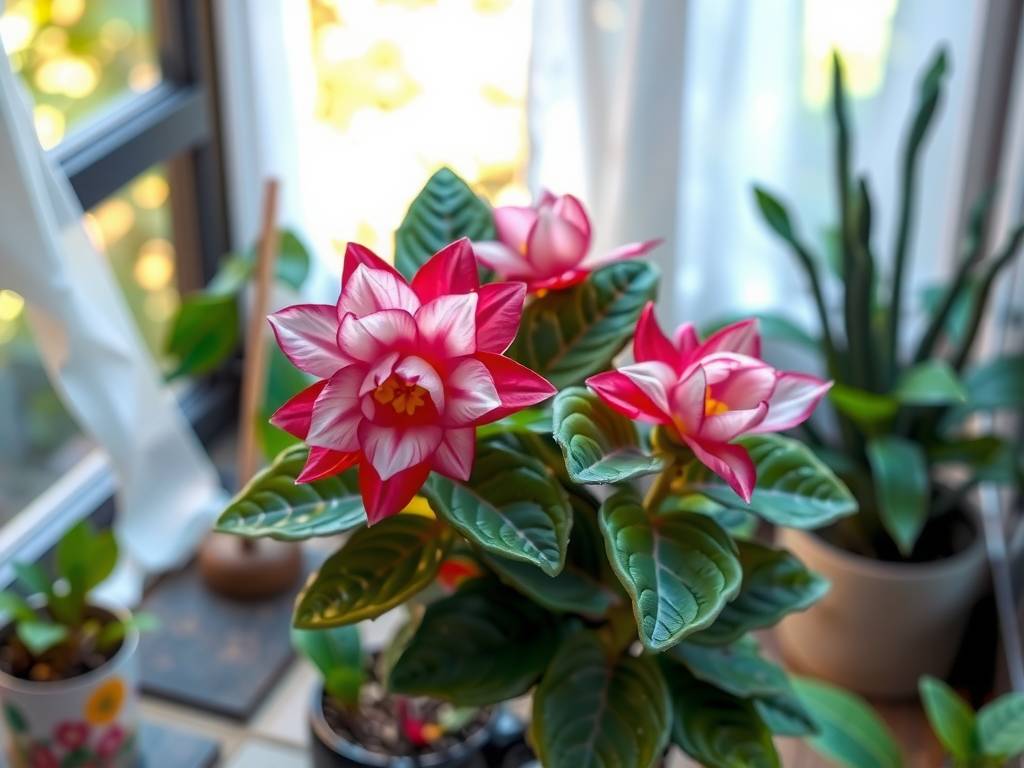
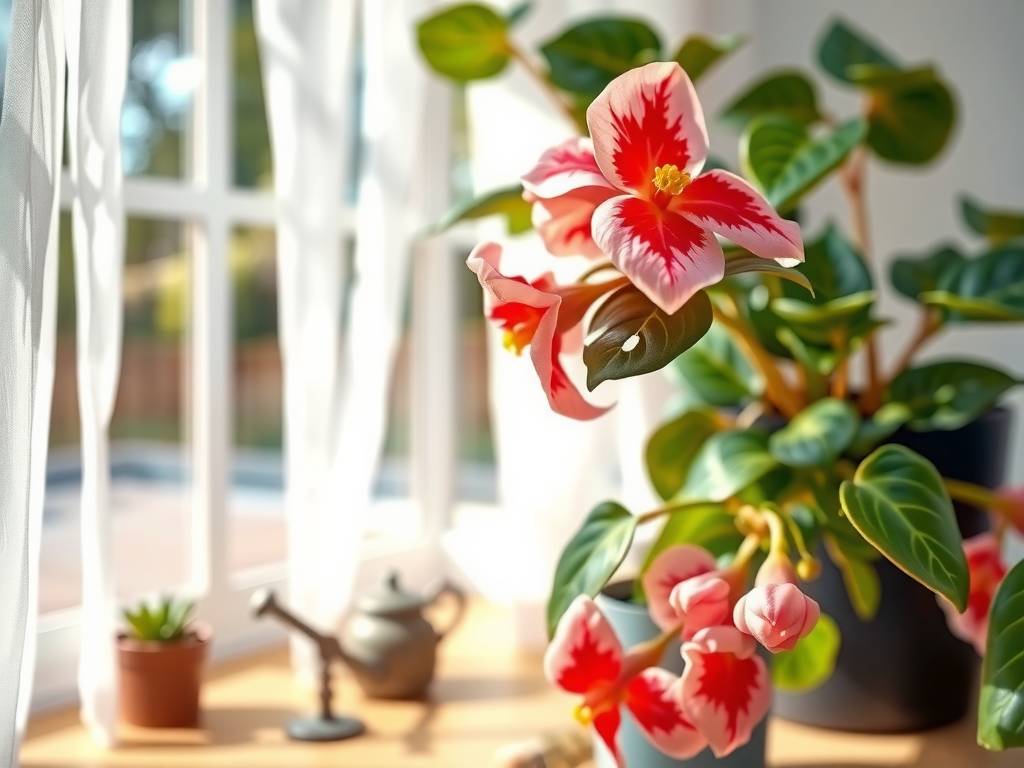
Wax begonias, scientifically known as Begonia semperflorens, are tender perennials typically grown as annuals in most climates. They form compact, mounded plants renowned for their waxy, rounded leaves—which come in shades of green and burgundy—and their continuous clusters of white, pink, or red flowers. Their secret to success lies in their versatility and tolerance for a range of conditions, especially warm shade.
The Foundation: Perfect Light and Warm Shade
The single most important factor for a flourishing wax begonia is light. The term “warm shade” is key here. This does not mean deep, cold shadow. Instead, think of a spot that receives bright, filtered light or morning sun with protection from the intense, hot afternoon rays.
Why warm shade? Direct, harsh afternoon sun can scorch those beautiful glossy leaves, causing them to fade, develop crispy brown edges, or wilt. It can also stress the plant, reducing bloom production. On the other hand, too much deep shade will lead to leggy growth, fewer flowers, and a loss of that compact, lush form.
Ideal locations include under the dappled light of a tree, on a covered porch facing east, or in any garden bed that gets a few hours of gentle morning sunlight. As noted by horticulturist Dr. Linda Chalker-Scott in her work on plant stress physiology, “Plants adapted to partial shade, like wax begonias, exhibit optimized photosynthesis in filtered light, leading to more efficient growth and resource allocation for flowering.” If you’re growing them indoors, a north or east-facing window is perfect.
Mastering Water and Humidity Practices
Wax begonias have semi-succulent stems and leaves, meaning they store water. This makes them relatively drought-tolerant but not indestructible. The goal is consistent, moderate moisture.
Water deeply when the top inch of soil feels dry to the touch. Then, allow the soil to approach dryness before watering again. Overwatering is a common killer, leading to root rot and stem collapse. Always water at the soil level, avoiding splashing the leaves and flowers to prevent fungal diseases.
While they appreciate ambient humidity, wax begonias don’t require the steamy conditions of some tropical plants. Their waxy leaf coating helps reduce water loss. In extremely dry indoor environments, a pebble tray filled with water placed beneath the pot can provide a gentle humidity boost.
Soil and Feeding for Continuous Blooms
To support year-round blooms, you need to start with the right foundation. A well-draining, peat-based potting mix is ideal. For garden beds, amend heavy clay soil with compost or peat moss to improve drainage and aeration. Good drainage is non-negotiable for healthy roots.
Feeding is straightforward. Use a balanced, water-soluble fertilizer (like a 10-10-10 or 20-20-20 formula) diluted to half-strength. Apply it every 3-4 weeks during the active growing season (spring through fall). A light, consistent feeding schedule fuels the energy-intensive process of constant flowering. Avoid high-nitrogen fertilizers, as they will promote excessive leafy growth at the expense of your blooms.
Pruning and Maintenance for Lush Growth
One of the joys of wax begonia care is its low maintenance. To encourage bushier growth and even more flowers, practice simple pinching. Use your fingers or clean shears to snip off the very tip of a stem, just above a set of leaves. This prompts the plant to branch out from that point, creating a denser, more floriferous plant.
Regularly remove spent flowers (deadheading) by pinching them off at the base of the flower stem. This not only keeps the plant looking tidy but also directs energy back into producing new buds instead of seeds, extending your bloom season dramatically. This simple act is the gardener’s trick for achieving a truly year-round floral display.
Overwintering and Propagation
In frost-free climates (USDA zones 10-11), wax begonias can live as perennials. Elsewhere, they are often treated as annuals. However, you can easily overwinter them indoors. Before the first frost, pot up plants from the garden, cut them back by about one-third, and place them in a bright, cool indoor spot. Water sparingly through the winter.
You can also propagate new plants through stem cuttings. Take a 3-4 inch cutting, remove the lower leaves, and place it in water or moist potting mix. Roots will form in a few weeks, giving you clones of your favorite plant for the next season.
Troubleshooting Common Issues
- Leggy Stems: This is a sure sign of insufficient light. Move your plant to a brighter location with warm shade.
- Brown, Crispy Leaf Edges: Usually caused by too much direct sun, underwatering, or low humidity. Adjust light and water accordingly.
- Yellowing Leaves: Often a sign of overwatering or poor drainage. Check your soil moisture and ensure the pot has drainage holes.
- Powdery Mildew: A white fungal coating on leaves, promoted by poor air circulation and wet foliage. Improve spacing, water at the soil level, and treat with an appropriate fungicide if severe.
- Few Blooms: Likely due to low light, excessive nitrogen fertilizer, or a need for deadheading. Review the light and feeding guidelines above.
Can wax begonias take full sun? While some modern varieties are bred for increased sun tolerance, most wax begonias perform best in partial shade or warm shade. In cooler climates, they may handle morning sun, but in hot summer regions, afternoon shade is crucial to prevent leaf scorch and maintain vibrant blooms.
Why are the leaves on my begonia losing their glossy shine? A loss of gloss can result from a few factors: dust accumulation (gently wipe leaves with a damp cloth), spider mite infestation (look for fine webbing), or nutritional deficiency. Ensure proper feeding and inspect the undersides of leaves for pests.
How often should I really water my potted wax begonia? There’s no universal schedule. The frequency depends on pot size, temperature, and light. The best method is the finger test: water thoroughly when the top inch of soil is dry, and always empty the saucer underneath after 30 minutes to prevent “wet feet.”
With their cheerful disposition and forgiving nature, wax begonias are a testament to the idea that stunning gardens don’t require constant struggle. By providing the sanctuary of warm shade, maintaining consistent but careful watering, and offering light nourishment, you set the stage for a spectacular performance. The reward is a lush, compact plant adorned with glossy leaves and a relentless parade of colorful blooms that can brighten your space month after month. Whether massed in a landscape bed or shining in a container on your patio, mastering these simple care steps ensures your wax begonias will be a highlight of your plant collection.