bluename
 How to Care for Rieger Begonia: A Complete Guide for Shade-Loving, Moisture-Craving Blooms
You’ve brought home a stunning Rieger begonia, captivated by its vibrant, rose-like flowers that promise color from autumn through spring. But now, you might be noticing drooping leaves, fewer blooms, or worrying brown edges. The challenge? These beauties have specific, sometimes finicky, needs that differ from typical houseplants. They crave consistent moisture without wet feet, demand bright but indirect light, and thrive in cool temperatures. Get it wrong, and the spectacular show ends prematurely. This guide will walk you through every step, transforming uncertainty into confidence, so your Rieger begonia not only survives but thrives and re-blooms season after season.
Understanding Your Rieger Begonia’s Natural Rhythm
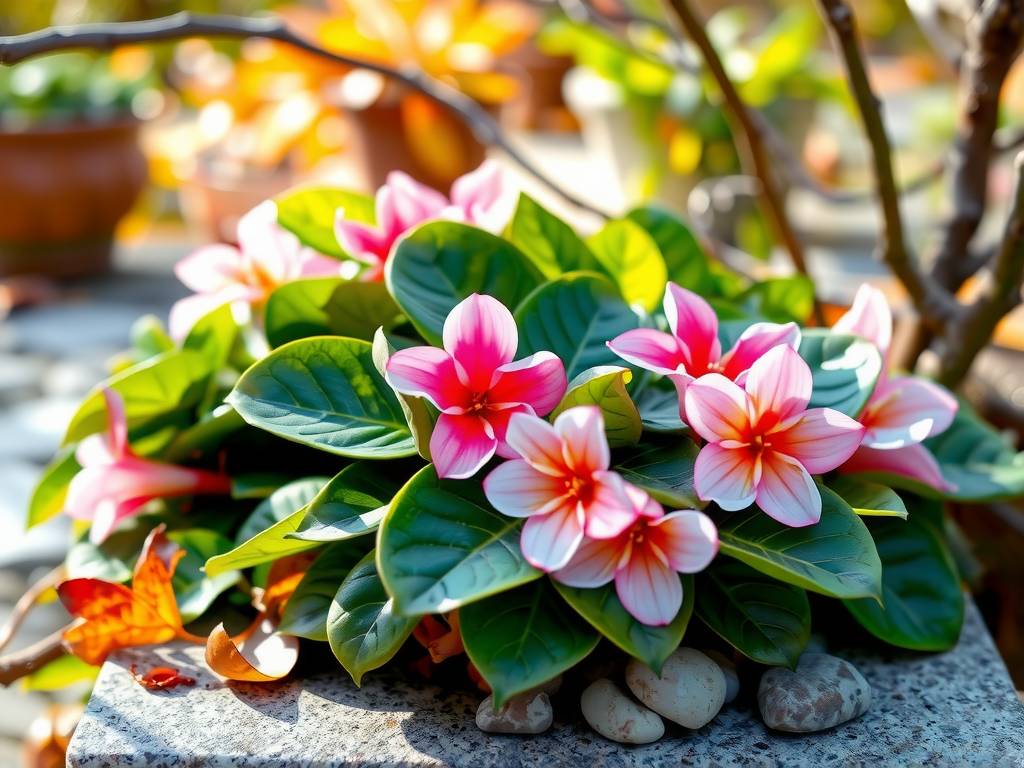
Rieger begonias, also known as Begonia x hiemalis, are complex hybrids. They are not grown for their foliage alone but for their spectacular, long-lasting floral display. Unlike many flowering plants that peak in summer, these are cool-season champions. Their natural blooming cycle aligns with the shorter, cooler days of autumn, winter, and early spring. This intrinsic rhythm is key to their care. Trying to force them into a summer-blooming pattern will lead to disappointment. Instead, we must emulate their preferred conditions: consistent moisture, high humidity, bright shade, and moderate temperatures.
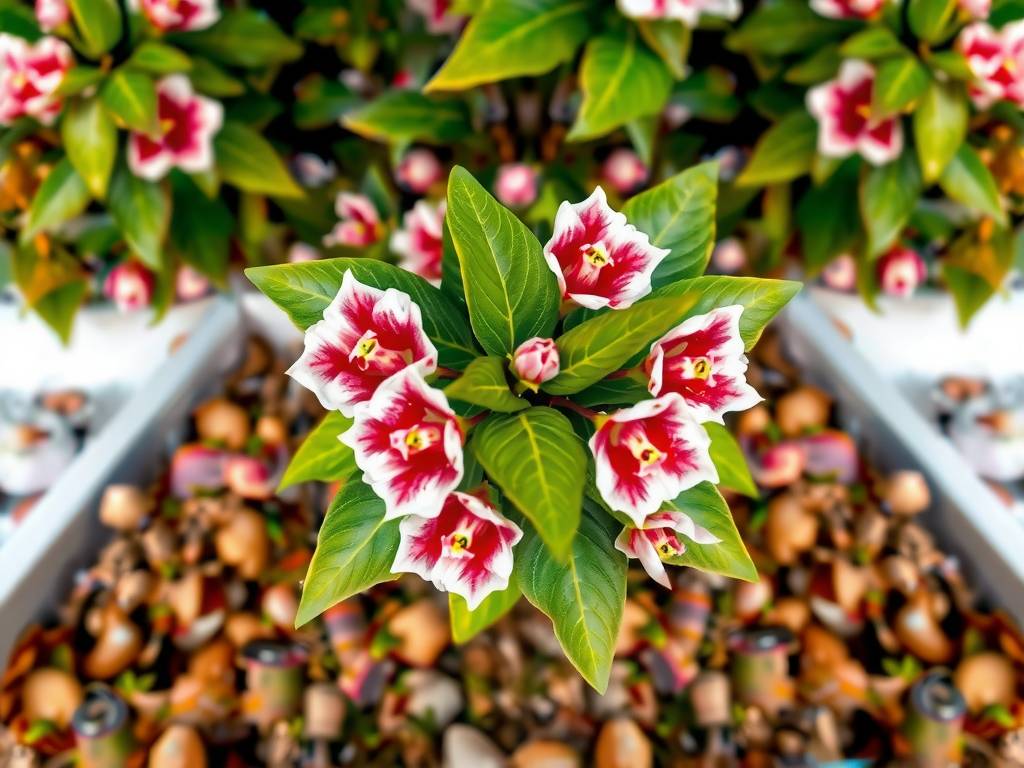
The Perfect Home: Light, Temperature, and Placement
Finding the Ideal Light: Bright but Indirect The mantra for Rieger begonia light is “bright shade.” Direct sunlight, especially the harsh afternoon rays, will scorch their delicate leaves and flowers, causing bleached or brown patches. However, too little light results in leggy growth, sparse leaves, and a complete absence of those prized blooms. The perfect spot is near an east-facing window, where it can enjoy the gentle morning sun. A north-facing window is also excellent. If you only have south or west exposure, place the plant several feet back from the window or use a sheer curtain to diffuse the light. As noted by horticulturist Dr. Linda Chalker-Scott, “Understory plants like begonias have evolved to photosynthesize efficiently in dappled light, making direct sun not just unnecessary but detrimental.”
Maintaining the Right Temperature and Humidity Temperature is a critical, often overlooked, factor. Rieger begonias prefer daytime temperatures between 65-75°F (18-24°C) and cooler nights, ideally around 60-65°F (15-18°C). This day-night differential encourages bud set and prolongs flowering. Avoid placing them near heat vents, radiators, or drafty doors and windows. Humidity is equally crucial. Our heated homes in winter can have humidity levels as low as 10-20%, while these plants thrive at 50% or higher. Low humidity leads to crispy leaf edges and bud drop. To increase humidity:
- Group plants together to create a microclimate.
- Place the pot on a pebble tray filled with water (ensure the pot sits above the waterline).
- Use a room humidifier nearby. Misting is a temporary fix but can promote fungal spots on the leaves if done excessively.
Mastering the Art of Watering and Soil Moisture
The Balancing Act: Consistently Moist, Never Soggy This is the single most important skill in Rieger begonia care. Their fine root systems are susceptible to rot in waterlogged soil, yet they wilt and suffer if allowed to dry out completely. The goal is evenly moist soil—think the dampness of a wrung-out sponge. Check the soil surface daily. When the top half-inch to inch feels dry to the touch, it’s time to water. Water thoroughly until you see it run freely from the drainage holes. This ensures the entire root ball is hydrated. Always empty the saucer or cache pot after 15-20 minutes to prevent the plant from sitting in water. During active growth and bloom (autumn-spring), watering may be needed every 3-5 days. In summer, when growth slows, reduce frequency.
Choosing the Right Soil and Pot The foundation of good watering is the right soil mix. A standard potting soil is often too dense. Create a well-draining, airy, yet moisture-retentive mix by combining:
- 2 parts high-quality peat-based or coconut coir potting mix
- 1 part perlite
- 1 part horticultural charcoal or orchid bark This blend provides structure, drainage, and slight acidity they enjoy. The pot must have excellent drainage holes. Terra cotta pots are breathable and help prevent overwatering, while plastic pots retain moisture longer. Choose based on your watering habits.
Feeding for Spectacular Autumn-Winter-Spring Blooms
Fertilizing supports the enormous energy output of blooming from autumn through spring. Use a balanced, water-soluble fertilizer (such as a 10-10-10 or 20-20-20 formula) diluted to half-strength. Begin feeding when you see new growth in early autumn.
- Frequency: Feed every two weeks during active growth and flowering.
- Method: Apply to pre-moistened soil to prevent root burn.
- Pause: Stop fertilizing in late spring as blooming finishes and the plant enters a semi-dormant rest period for the summer. Resume in early autumn with the next growth cycle.
Seasonal Care and Encouraging Re-blooming
The Summer Rest Period After the spring bloom fades, your Rieger begonia will enter a rest phase. It may look tired, with fewer leaves. This is normal. Reduce watering significantly, allowing the soil to dry out more between waterings. Stop fertilizing. Move it to a cooler, shadier spot. You can cut back leggy stems by about one-third to encourage bushier growth later.
Reviving for the Next Bloom Cycle In late summer or early autumn, as daylight decreases, repot if rootbound, refresh the soil, and resume regular watering. Move it back to its prime bright, indirect light location. As new growth appears, begin the half-strength fertilizer regimen again. The combination of cooler temperatures, shorter days, and renewed feeding will trigger a new flush of flower buds, setting the stage for another season of vibrant color.
Common Problems and Solutions
- Yellowing Leaves: Often a sign of overwatering or poor drainage. Check soil moisture and ensure the pot drains freely.
- Brown, Crispy Leaf Edges: Typically caused by low humidity or inconsistent watering (allowing the plant to dry out too much).
- Powdery White Residue on Leaves: This is powdery mildew, a fungal issue. Improve air circulation, avoid wetting foliage when watering, and treat with an appropriate fungicide.
- Bud Drop: Sudden changes in temperature, light, or humidity, or underwatering, can cause buds to fall before opening. Strive for consistency in care.
How often should I water my Rieger begonia? There’s no fixed schedule. Water when the top inch of soil feels dry. This could be every 3 days in a warm, bright room or every 7 days in a cooler, low-light spot. Always check first.
Can I put my Rieger begonia outside in summer? Yes, but with caution. Move it to a fully shaded, sheltered patio or under a dense tree canopy after all danger of frost has passed. Bring it back indoors well before nighttime temperatures drop below 60°F (15°C) in autumn.
My plant finished blooming. Will it flower again? Absolutely. With proper summer rest and a return to optimal autumn care—cooler temps, bright indirect light, and resumed feeding—it is fully capable of re-blooming. Patience and adherence to its seasonal cycle are key.
Caring for a Rieger begonia is a rewarding practice in attentive gardening. By mirroring its love for bright shade, consistent moisture, and cool seasons, you are rewarded with an unparalleled display of color when most other plants are dormant. It’s a partnership with nature’s rhythms. Observe your plant, respond to its signals, and you’ll enjoy the deep satisfaction of nurturing these exquisite flowers through their autumn-winter-spring performance, year after year.