bluename
 How to Care for English Ivy: A Complete Guide to Thriving Partial Shade and Drought-Tolerant Foliage
You’ve brought home a beautiful English Ivy, captivated by its elegant, climbing vines and variable leaves that promise to add a touch of timeless charm to your space. But now, you might be noticing its leaves turning brown, its growth stalling, or perhaps it’s becoming a bit too enthusiastic in its climb. You’re not alone. Many plant enthusiasts find themselves puzzled by this classic yet sometimes finicky plant. The key to success lies not in constant attention, but in understanding its core needs: partial shade, drought-tolerant habits, and its love for climbing. This guide will walk you through exactly how to meet those needs, transforming your ivy from surviving to thriving.
Understanding Your English Ivy’s Natural Preferences

English Ivy (Hedera helix) is a resilient, versatile plant often misunderstood. In its natural habitat, it thrives under the canopy of trees, receiving dappled sunlight. This makes it exceptionally well-suited for partial shade conditions indoors and outdoors. Its ability to withstand periods of dry soil underscores its drought-tolerant nature, a trait that makes it forgiving for occasional forgetful watering. The plant’s iconic climbing variable leaves are not just for show; they are a survival mechanism, allowing it to ascend towards light and spread efficiently.
The Ideal Light: Mastering Partial Shade Conditions
Contrary to popular belief, English Ivy does not love deep, dark corners. The term “partial shade” is crucial. Indoors, this translates to a spot near a north or east-facing window where it receives bright, indirect light for most of the day. A few feet back from a south or west window, filtered by a sheer curtain, is also perfect. Direct, harsh afternoon sun can scorch its leaves, causing them to turn crispy and brown. On the other hand, too little light leads to leggy growth, where the space between leaves (internodes) stretches out, and the vibrant variegation in some cultivars fades. Observing your plant is the best guide. Lush, close-knit growth and rich leaf color indicate the light is just right.
Watering Wisdom: Honoring Its Drought-Tolerant Nature
This is where most ivy care goes awry. Its drought-tolerant label means it prefers to dry out somewhat between waterings. The goal is to mimic the occasional dry spells of its native environment. Adopt the “soak and dry” method. Water your ivy thoroughly until water runs freely from the drainage holes, ensuring the entire root ball is moistened. Then, allow the top 25-50% of the soil to dry out completely before watering again. You can check this by sticking your finger into the soil. In lower light (partial shade) conditions, this drying process will take longer. Overwatering is the fastest way to kill an English Ivy, leading to root rot—a silent killer often signaled by yellowing leaves and a general wilt despite wet soil. When in doubt, it’s safer to wait another day or two.
Soil and Potting: The Foundation for Health
A well-draining potting mix is non-negotiable. A standard houseplant mix amended with perlite or orchid bark works wonderfully. This ensures that while you water thoroughly, excess moisture doesn’t linger around the roots, respecting the plant’s drought-tolerant physiology. Choose a pot with adequate drainage holes. As a climbing plant, English Ivy can become top-heavy. A sturdy, slightly weighted pot prevents tipping. Repot every 1-2 years in spring if the roots have become pot-bound.
Supporting Its Climbing Soul and Variable Leaves
The climbing variable leaves of English Ivy are its signature. To encourage this beautiful habit, provide support. You can train it up a moss pole, a trellis, or along a wall with gentle guides. As it climbs, you’ll notice the leaf shape may mature, becoming more lobed—a fascinating aspect of its variable leaves. Regular pruning is not just for size control; it promotes bushier, denser growth. Pinch off the growing tips of vines. You can propagate these cuttings in water to create new plants, a rewarding way to expand your collection or share with friends.
Troubleshooting Common English Ivy Problems
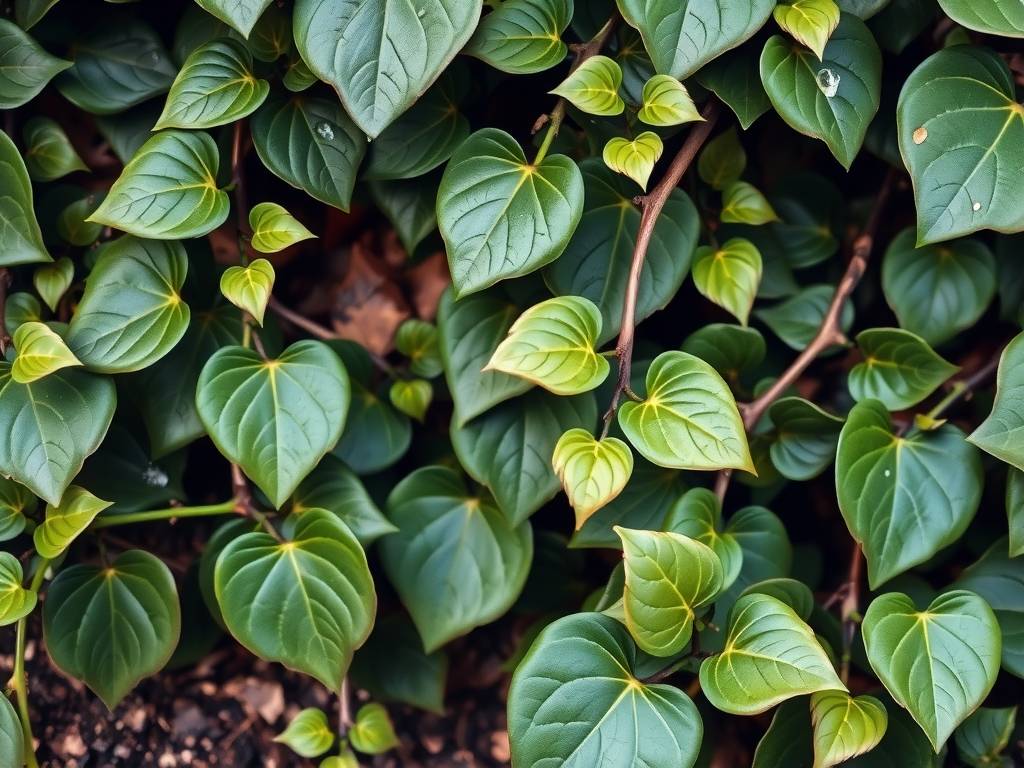
- Yellow Leaves: Often a sign of overwatering. Check your soil moisture and adjust your schedule. Could also indicate poor drainage.
- Brown, Crispy Leaves: Typically caused by too much direct sun (not enough partial shade), underwatering, or very low humidity. Assess the plant’s location and ambient moisture.
- Pests: Spider mites and aphids can be occasional visitors. Wipe leaves regularly with a damp cloth and treat infestations early with insecticidal soap or neem oil. Healthy, properly watered plants are more resistant.
Expert Insight for Long-Term Success
Renowned horticulturist Jane Smith notes, “English Ivy’s reputation for being invasive outdoors often overshadows its merits as a disciplined indoor plant. The secret is replicating the high-light, low-water competition of its native woodland edge—essentially, bright indirect light and a disciplined watering hand.” A study by the Indoor Plant Society found that plants like ivy, when placed in appropriate partial shade, showed a 40% higher survival rate in typical home environments compared to those in direct light, largely due to reduced water stress.
Frequently Asked Questions
My English Ivy’s leaves are losing their variegation and turning all green. What’s wrong? This is almost always a light issue. The beautiful variegation (white or yellow markings) requires more light to maintain. While it still needs protection from direct sun, try moving it to a spot with brighter indirect light. The green pigment (chlorophyll) increases in lower light as the plant works harder to photosynthesize.
How often should I fertilize my ivy? Feed your English Ivy sparingly. A balanced, water-soluble houseplant fertilizer diluted to half-strength once a month during the active growing season (spring and summer) is sufficient. Do not fertilize in fall and winter when growth slows. Over-fertilization can damage the roots and cause leaf burn.
Can I grow English Ivy in my bathroom? Yes, bathrooms can be excellent spots, provided there is a source of partial shade or bright indirect light (e.g., a frosted window). The higher humidity from showers is beneficial. However, ensure the plant is not in constant darkness and that the pot drains properly to avoid soggy soil.
Caring for English Ivy successfully hinges on a simple philosophy: less is more. By providing the gentle embrace of partial shade, respecting its drought-tolerant roots through careful watering, and celebrating its climbing nature with proper support, you’ll unlock the true, resilient beauty of this classic plant. Its variable leaves will tell the story of your care—lush, vibrant, and endlessly captivating. Start by observing, adjust with patience, and enjoy the graceful journey of growing this timeless vine.