bluename
 How to Care for Star Jasmine: A Guide to Thriving Vines with Fragrant Star-Shaped Flowers
You've fallen in love with the intoxicating scent of star jasmine, those delicate, star-shaped white flowers that perfume the evening air. You've brought one home, dreaming of a lush, fragrant wall or trellis. But now, your plant looks less than stellar—perhaps it's not flowering as promised, the leaves are yellowing, or it seems stubbornly stagnant. The dream of a low-maintenance, drought-tolerant beauty feels out of reach. The good news? Star jasmine (Trachelospermum jasminoides) is remarkably resilient when you understand its few key needs. This comprehensive guide will walk you through every step, transforming you from a worried plant parent into a confident star jasmine caretaker, ensuring your vine thrives in partial shade and rewards you with its legendary fragrance.
Understanding Your Star Jasmine
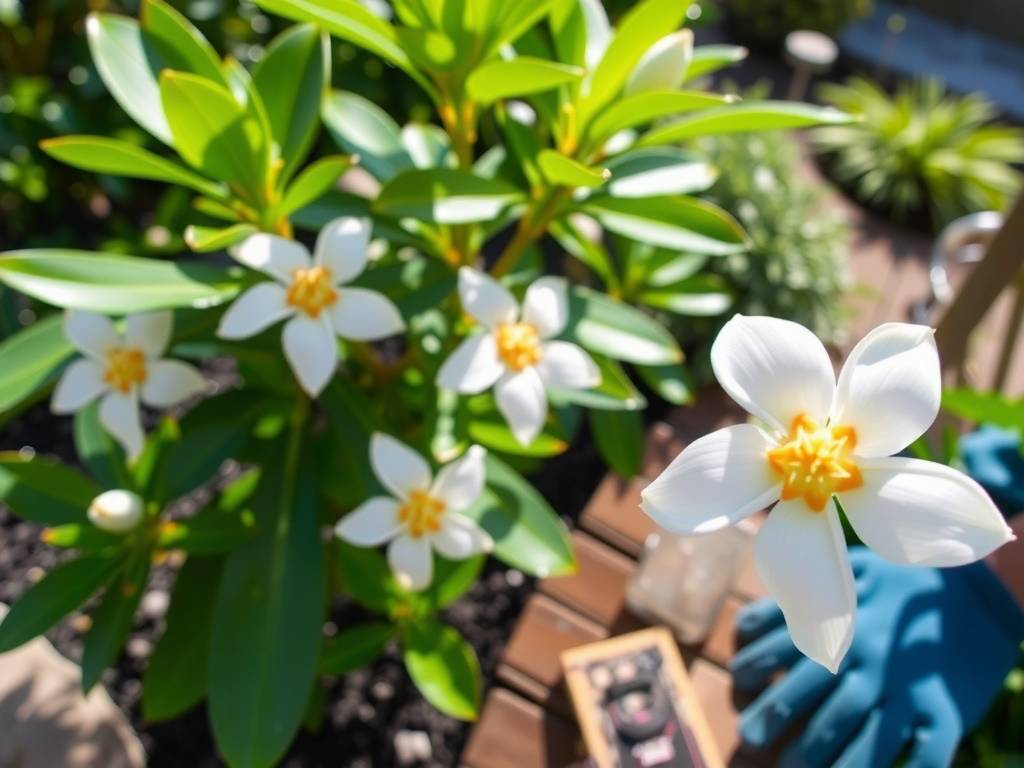
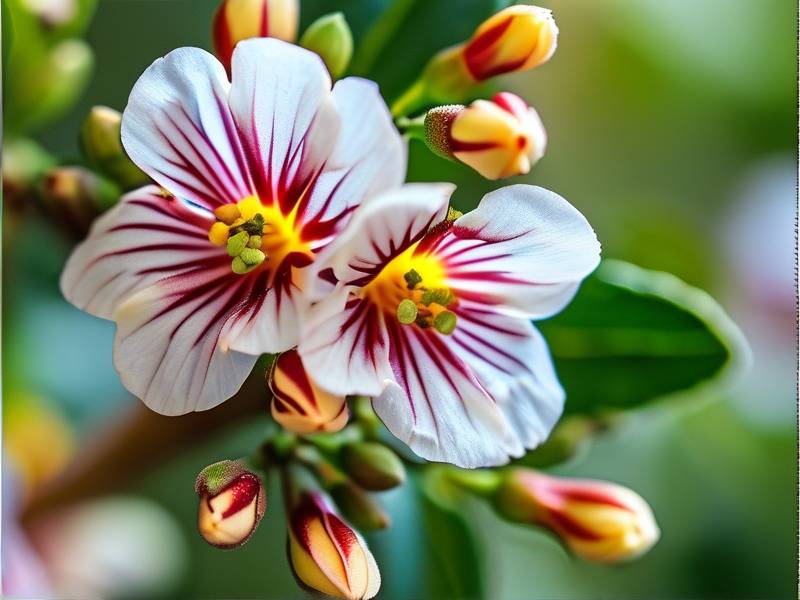
Before we dive into care, let's get to know this plant. Often confused with true jasmine, star jasmine is actually a member of the Apocynaceae family. Its botanical name, Trachelospermum jasminoides, hints at its characteristics: "Trachelospermum" refers to the seeds, and "jasminoides" means "jasmine-like." This evergreen woody vine is celebrated for its clusters of fragrant, star-shaped white flowers that bloom profusely in late spring and early summer, often with a scattered repeat bloom. It's a versatile plant used as a ground cover, a climber on trellises and fences, or even in containers. Its hardiness, typically in zones 8-10, and its tolerance for less-than-perfect conditions make it a garden favorite.
The Perfect Planting Foundation
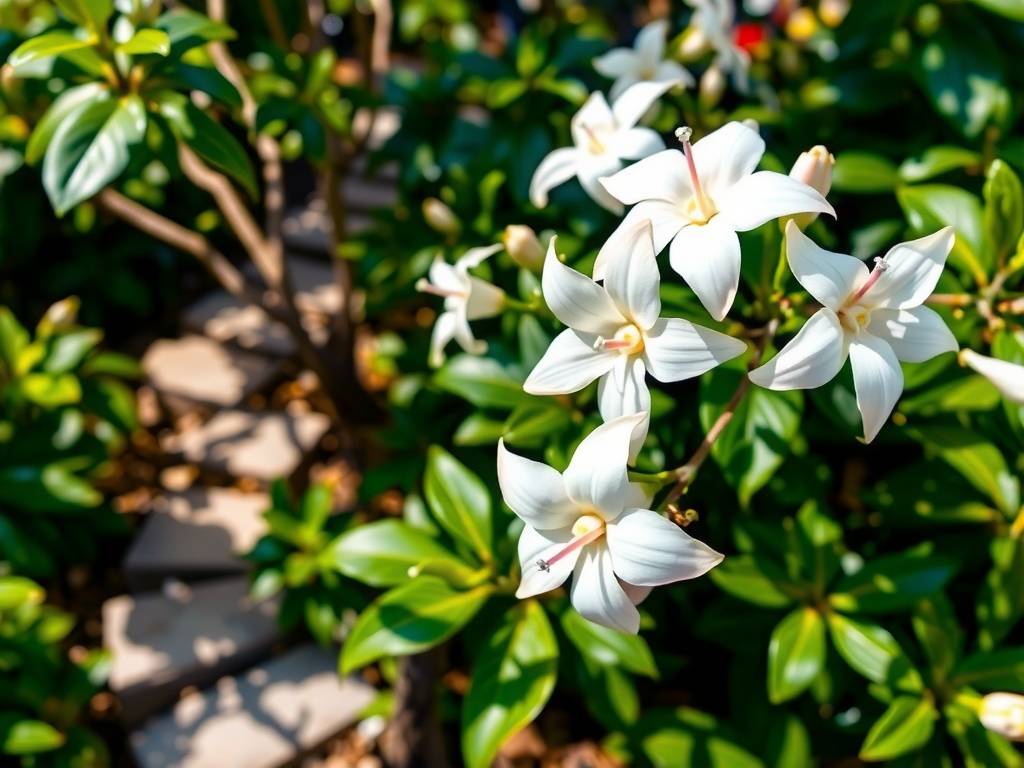
Success with star jasmine starts with putting it in the right place. This step is crucial and prevents countless issues down the line.
Choosing the Ideal Location: Embracing Partial Shade The directive "partial shade" is your golden rule. Star jasmine thrives with morning sun and afternoon shade, or dappled sunlight throughout the day. In hotter climates, full afternoon sun can scorch the leaves, leading to browning and stress. A north or east-facing wall is often perfect. This light condition encourages strong growth and abundant flowering without the leaf burn. As noted by horticulturist Dr. Linda Chalker-Scott, "Woody vines like star jasmine utilize partial shade to avoid midday photosynthetic stress, which directly supports flower bud development."
Soil Preparation and Planting Process Well-draining soil is non-negotiable. Star jasmine despises "wet feet." Amend heavy clay soil with generous amounts of compost or pine bark to improve drainage. When planting, dig a hole twice as wide as the root ball but no deeper. Gently tease out any circling roots, place the plant so the top of the root ball is level with the soil surface, and backfill. Water deeply to settle the soil. A 2-3 inch layer of organic mulch (like wood chips) around the base will conserve moisture, suppress weeds, and keep roots cool—just keep it a few inches away from the main stem.
Mastering the Art of Watering: Building Drought Tolerance
One of star jasmine's most praised traits is being drought-tolerant. However, "tolerant" does not mean "prefers." There's a critical balance to strike.
Establishing a Deep Root System The first year is the establishment period. Water your newly planted star jasmine deeply and regularly (about once a week, depending on weather) to encourage roots to grow deep into the soil. This deep root system is what ultimately grants it drought tolerance. Use a soaker hose or drip irrigation to deliver water directly to the root zone, minimizing evaporation and foliar disease.
The Drought-Tolerant Mature Plant Once established, usually after the first growing season, your star jasmine will require significantly less water. It can survive on rainfall in many climates. During extended dry spells or intense heat, a deep watering every two to three weeks is sufficient. The key is to check the soil: if the top 2 inches are dry, it's time to water. Overwatering is a far more common killer than underwatering, leading to root rot and yellow leaves.
Feeding for Vigorous Growth and Fragrant Blooms
While not a heavy feeder, a little nutrition goes a long way in promoting those coveted fragrant star-shaped flowers.
Fertilizer Type and Schedule Use a balanced, slow-release fertilizer (such as a 10-10-10 or 14-14-14 formula) in early spring, just as new growth begins. This provides a steady nutrient supply for the entire growing season. Alternatively, you can apply a liquid fertilizer every 4-6 weeks during spring and summer. Avoid high-nitrogen fertilizers late in the season, as they promote tender leafy growth at the expense of flowers and hardiness.
The Importance of Soil pH Star jasmine prefers slightly acidic to neutral soil (pH 6.0-7.0). If your soil is too alkaline, the plant may struggle to absorb nutrients, leading to chlorosis (yellow leaves with green veins). An annual application of compost or a soil acidifier, like sulfur, can help maintain the proper pH range.
Pruning and Training Your Vine
Pruning is essential for maintaining shape, encouraging bushier growth, and maximizing airflow to prevent disease.
When and How to Prune The best time for major pruning is right after the main spring bloom finishes. This gives the plant time to produce new growth that will bear next year's flowers. You can lightly prune and shape throughout the growing season. Use clean, sharp shears to remove dead or diseased wood, thin out overcrowded areas, and cut back wayward stems to a leaf node. Don't be afraid to cut it back hard if it has become overgrown; star jasmine responds well to rejuvenation pruning.
Training on Supports To train your vine on a trellis, fence, or wall, gently weave the young, flexible stems through the support or use soft plant ties to secure them. Avoid using wire or string that can cut into the stems as they thicken. It will naturally begin to twine and cling as it grows.
Troubleshooting Common Problems
Even with the best care, you might encounter an issue. Here’s how to diagnose and fix common star jasmine problems.
Yellowing Leaves: This is often a sign of overwatering or poor drainage. Check your soil moisture and ensure the planting site drains well. It can also indicate a nutrient deficiency (like iron) in high-pH soils.
Lack of Flowers: Insufficient light is the most common culprit. A plant in deep shade will grow but may not bloom. Ensure it receives at least 4-6 hours of dappled or morning sun. Over-fertilizing with nitrogen can also divert energy from blooms to leaves.
Pests and Diseases: Star jasmine is relatively pest-resistant. Scale insects or aphids can occasionally appear; treat them with horticultural oil or insecticidal soap. Sooty mold, a black fungus, can grow on honeydew secreted by pests—controlling the pests solves the mold issue. Good air circulation through proper pruning prevents most fungal diseases.
Will star jasmine survive a frost? Mature star jasmine is hardy down to about 10-20°F (-7 to -12°C) for short periods. In zone 8, it may experience some leaf burn in a harsh winter but will typically regrow from the stems in spring. In colder areas, grow it in a protected microclimate or in a container that can be brought indoors.
How fast does star jasmine grow? It is a moderately fast grower once established, adding 1 to 3 feet per growing season. Growth is slower in the first year as the plant focuses its energy on developing a strong root system.
Is star jasmine invasive? In the United States, star jasmine is not generally considered invasive. It does not produce prolific seeds or spread aggressively via runners like some other vines. It remains where it is planted and is easily managed with annual pruning.
Caring for star jasmine successfully hinges on a few simple principles: provide the shelter of partial shade, water deeply but infrequently once established to leverage its drought-tolerant nature, and avoid overcomplicating its feeding. By respecting its needs for well-drained soil and a little post-bloom pruning, you are rewarded with minimal upkeep and a maximum display of those fragrant, star-shaped flowers. Whether covering an unsightly fence or framing a garden entrance, a healthy star jasmine vine is a long-lived, sensory delight that makes gardening feel effortlessly rewarding.