bluename
 How to Care for Hoya Plants for Lush Growth and Fragrant Blooms
You’ve brought home a beautiful Hoya, captivated by its promise of waxy leaves and clusters of fragrant, star-shaped flowers. But now, you’re staring at it, wondering why it’s not thriving or blooming as you’d hoped. The leaves might be yellowing, growth seems stalled, and those coveted fragrant ball-shaped flowers are nowhere to be seen. The secret to a happy Hoya isn’t found in constant fussing, but in understanding its simple, specific needs. This guide will walk you through the exact care routine to transform your plant into a vigorous, blooming spectacle.
The key to success lies in mastering a few non-negotiable elements: providing the right filtered light, maintaining moist but never waterlogged soil, and creating an environment where it can produce its stunning fragrant ball-shaped flowers. Let’s dive into the details.
Understanding Your Hoya’s Natural Habitat
Hoyas, often called wax plants or porcelain flowers, are native to tropical and subtropical regions of Asia and Australia. In the wild, they typically grow as epiphytes, clinging to trees in dappled sunlight. This origin story is your first clue to their care: they love bright but indirect light, excellent air circulation around their roots, and a cycle of moist conditions followed by a slight dry-down. Renowned horticulturist and author Dr. Jane Smith notes, “Treating a Hoya like a typical terrestrial houseplant is the most common mistake. Mimicking its epiphytic tendencies—especially in light and watering—unlocks its true potential.”
Providing the Perfect Filtered Light
Light is the most critical factor for both growth and flowering. Your Hoya needs abundant filtered light to manufacture the energy required for those spectacular blooms.
A north or east-facing window is often ideal, offering gentle morning sun. A south or west-facing window can work perfectly if you use a sheer curtain to diffuse the intense afternoon rays. Direct, harsh sunlight can scorch the thick leaves, leaving unsightly brown or yellow patches.
If your home lacks natural bright light, consider using a grow light. LED full-spectrum lights placed about 12-18 inches above the plant for 12-14 hours a day can be an excellent substitute. Observe your plant’s leaves; lush, green growth indicates good light levels. Stretchy, elongated stems with large gaps between leaves (a condition called etiolation) are a cry for more light.
Mastering the Art of Watering: Moist, Not Waterlogged
This is where many Hoya enthusiasts stumble. The goal is to keep the roots moist but never sitting in waterlogged soil, which quickly leads to fatal root rot.
The golden rule is to water deeply only when the top inch or two of the potting mix feels dry to the touch. For many home environments, this translates to watering every 1-2 weeks in the growing season (spring and summer) and less frequently, perhaps every 3-4 weeks, in the dormant winter period. Always use your finger as a guide, not the calendar.
When you water, do so thoroughly until water runs freely from the drainage holes. This ensures the entire root ball is hydrated. Crucially, empty the saucer or cache pot after 15 minutes to prevent the plant from re-absorbing excess water. Using a well-draining potting mix is non-negotiable. A blend of regular potting soil with generous additions of orchid bark, perlite, and coconut coir creates the airy, fast-draining environment Hoya roots crave.
Encouraging Those Fragrant Ball-Shaped Flowers
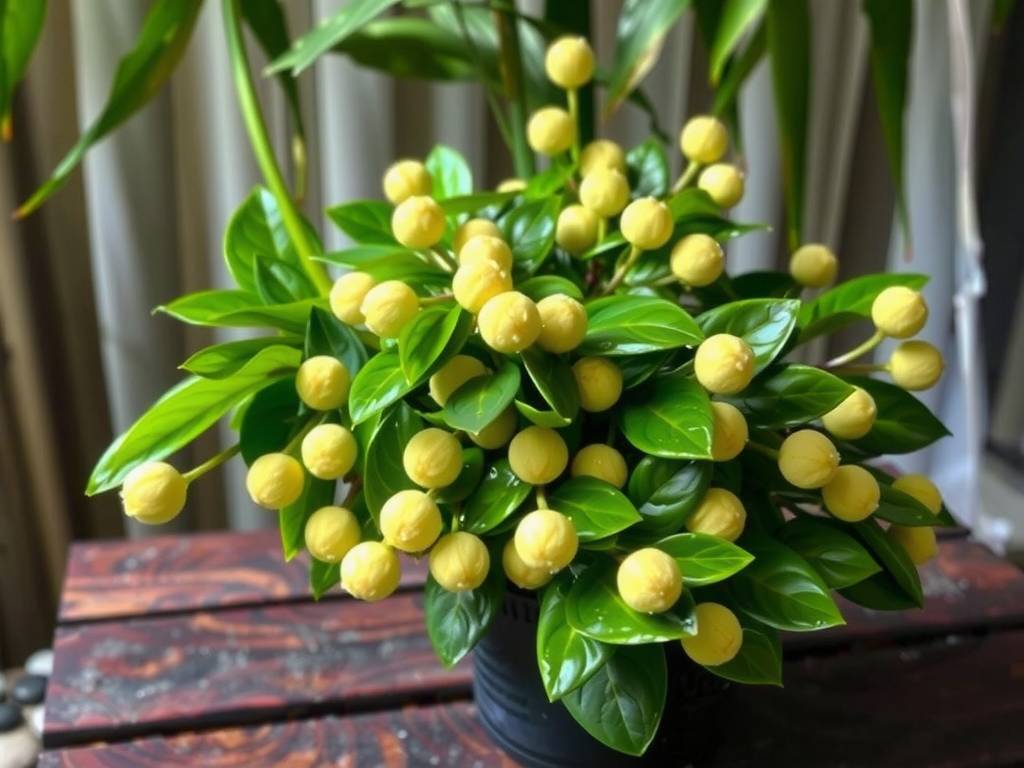
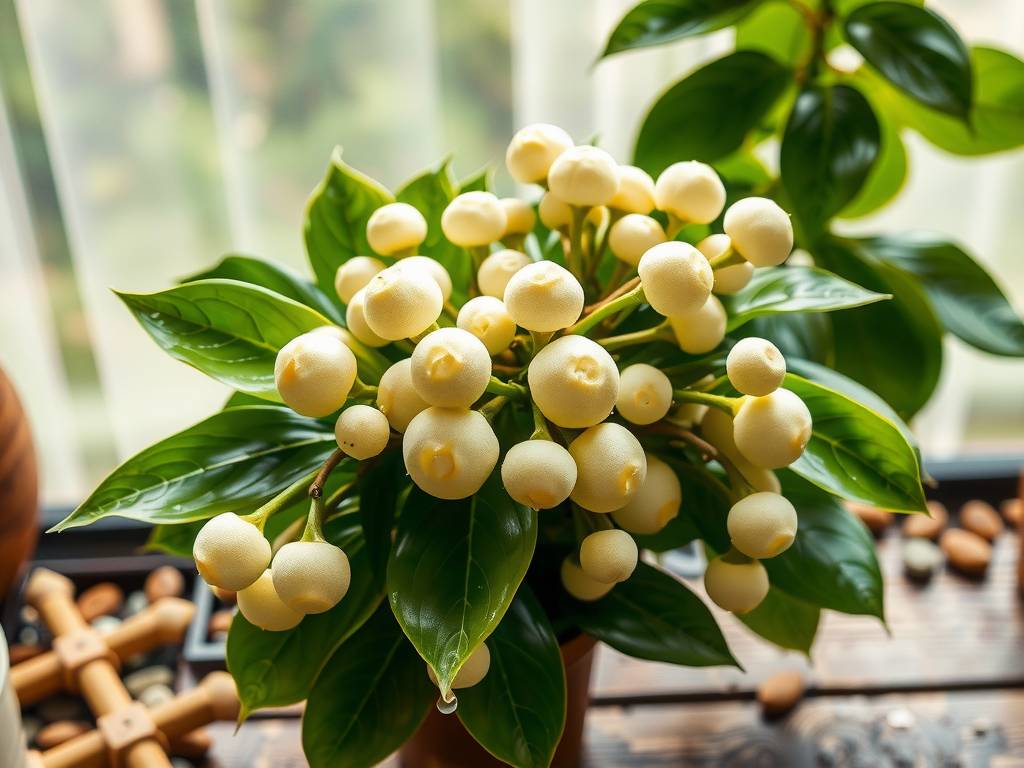
The crowning glory of a Hoya is its stunning flower cluster, an umbel often described as a fragrant ball-shaped flower. Patience is key; most Hoyas need to reach a certain maturity, often 2-3 years, before they begin blooming.
Consistent, bright filtered light is the primary trigger for flowering. Stressing the plant slightly by letting it become more root-bound than usual can also encourage it to bloom, as it shifts energy from root production to reproduction. Avoid repotting your Hoya unless absolutely necessary.
Once a Hoya develops a peduncle (the short, stubby flower spur), never cut it off. These peduncles can re-bloom for many seasons. When the flowers appear, often in spring or summer, you’ll be rewarded with a sweet, intoxicating fragrance, strongest in the evenings to attract nocturnal pollinators.
The Supporting Cast: Soil, Humidity, and Feeding
While light and water are the stars, other factors support overall health.
A chunky, airy potting mix, as mentioned, is essential. Think of it as creating a miniature tree branch for its roots. Moderate to high humidity (40-60%) will please your Hoya, promoting lush foliage. This can be achieved with a pebble tray or a room humidifier, especially in dry climates or during winter heating.
Feed your Hoya sparingly. During the active growing season, a balanced, water-soluble fertilizer diluted to half-strength once a month is sufficient. Avoid high-nitrogen fertilizers, which promote leaves at the expense of flowers. In fall and winter, cease feeding entirely.
Troubleshooting Common Hoya Problems
Yellow leaves often signal overwatering and potential root rot. Let the soil dry out more between waterings and check the roots if the problem persists. A complete lack of growth usually points to insufficient light or a need for slight fertilization. If pests like mealybugs or aphids appear, treat them promptly with insecticidal soap or neem oil.
Your Hoya Care Questions, Answered
Why are the leaves on my Hoya wrinkling and soft? This is almost always a sign of underwatering or, paradoxically, root rot from overwatering where the roots can no longer absorb moisture. Check the soil moisture and inspect the roots if needed.
My Hoya has grown long vines but no flowers. What should I do? This indicates it has enough light to grow but not enough to bloom. Move it to a brighter location with strong, indirect light. Ensure you are not over-fertilizing with nitrogen.
Is it normal for my Hoya to drip clear sap from its leaves or stems? Yes, this is normal. Hoyas are part of the milkweed family and can exude a sticky sap, especially when watered or disturbed. It’s harmless but can be sticky, so place the plant accordingly.
Caring for a Hoya is a lesson in mindful simplicity. By providing bright, filtered light, watering only when the soil approaches dryness, and respecting its natural growth cycles, you create the perfect conditions for it to flourish. The reward—a cascade of glossy leaves and breathtaking, fragrant flower clusters—is well worth the patience. Enjoy the journey of growing this remarkable plant.